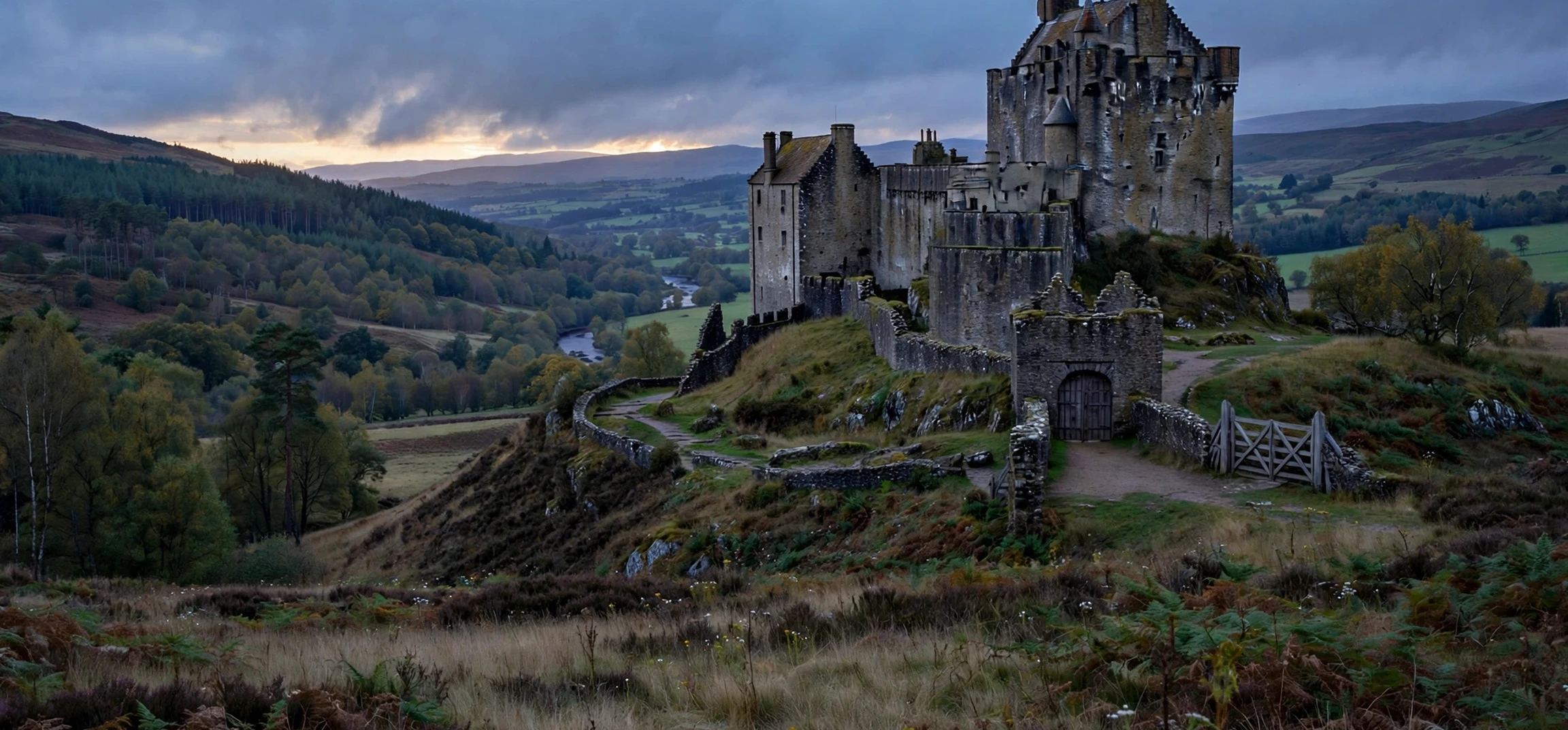
If you love castles, sword fights, court intrigue, and stories set centuries before the modern world, a good medieval series is hard to beat. The term covers a wide range of television: painstaking historical dramas based on real events, fantasy epics inspired by the Middle Ages, lighter adventures full of legends and humour, and family-friendly retellings of familiar tales. This guide explains what counts as a medieval series, recommends where to start depending on your taste, and helps you choose your next watch without spoiling the best moments.
Part of the appeal of the genre is the distance it offers. The world is recognisable — kings and queens, villages and monasteries, markets and battlefields — but the rules are different. Messages travel by horse, not by phone. A single decision at court can reshape a kingdom. Honour, loyalty, faith, and survival carry a weight that feels immediate on screen, even when the story is invented. That combination of the familiar and the foreign is why the genre keeps returning, decade after decade, in new styles for new audiences.
What Counts as a Medieval Series?
A medieval series is a television show set in, or inspired by, the Middle Ages — roughly the period from the fall of the Roman Empire to the dawn of the Renaissance. Some shows aim for historical accuracy, recreating the clothing, weapons, politics, and daily life of a particular century as faithfully as research allows. Others borrow the look and feeling of the period — castles, knights, peasants, and courts — and use it as a stage for entirely invented stories, magic, and mythical creatures. Both approaches belong in the genre, but they offer very different viewing experiences, so it helps to know which kind you are choosing.
Historical dramas in the genre tend to follow real figures or plausible invented characters caught in real events: Viking raids, Norman conquests, crusades, dynastic wars, and the rise and fall of kingdoms. Fantasy medieval series, by contrast, build imaginary worlds that feel medieval — feudal societies, swords and shields, walled cities — and add dragons, sorcery, or ancient prophecies. Neither style is better than the other; they simply satisfy different moods. A viewer who wants to learn about history will prefer the first, while a viewer who wants escapism and spectacle will often prefer the second.
There is also a third strand worth noting: the legendary medieval series. Shows about Robin Hood, King Arthur, or Merlin retell stories that have been passed down for centuries, blending history, folklore, and invention. These are often lighter and more accessible than gritty historical dramas, which makes them a good entry point if you are new to the genre or watching with younger viewers. If you enjoy screen adaptations of classic tales in general, you may also enjoy browsing other classic television show guides for a sense of how older series handled fantasy and folklore.
Medieval Series for History Lovers
If historical detail matters to you, start with series that ground their drama in real events and real people. Vikings follows Norse explorers, raiders, and settlers as their world expands across Europe, and it is a strong introduction to the period because its characters feel human rather than heroic in a simple sense: ambitious, curious, devout, and often ruthless. The Last Kingdom, set during the wars between Saxons and Danes in England, pairs large battles with a compelling central question about identity — what it means to belong to a kingdom, a faith, or a family when those loyalties conflict.
For a different corner of the Middle Ages, Knightfall explores the Knights Templar in the years of their power and decline, while series about Tudor and Plantagenet courts — including dramatisations of the Wars of the Roses — show the medieval world from inside the palace rather than on the battlefield. These court dramas are slower and more dialogue-driven, but they reward patience: the tension comes from marriages, alliances, betrayals, and the constant danger of backing the wrong claimant to a throne.
When watching historical medieval series, it is worth remembering that drama and documentary are different things. Writers compress timelines, merge characters, and invent scenes to keep a story moving across a season. That does not make a series dishonest; it makes it a drama. If a show sparks your curiosity about a real event, reading a short history of that event afterwards can be a rewarding second step, and it often makes a rewatch richer, because you start to notice which details the writers kept, changed, or invented.
Medieval Series for Fantasy Fans
Fantasy is where the genre reaches its largest audiences. Game of Thrones, based on a series of novels, built an entire invented world of rival houses, ancient threats, and political scheming on a recognisably medieval foundation — and its success opened the door for many successors. The Witcher follows a monster hunter through a morally grey, folklore-rich continent, while other fantasy series draw on Norse myth, Arthurian legend, or entirely original world-building. What unites them is the medieval texture: swords rather than guns, horses rather than cars, and societies organised around lords, guilds, and villages.
Fantasy shows in the genre also allow storytellers to explore themes that pure history handles differently. Magic can stand in for power, destiny, or forbidden knowledge. Invented creatures can embody fears that real history expresses through war or plague. And because the world is invented, writers can give a wider range of characters — women, outsiders, and ordinary people — central roles that surviving historical records might obscure. That freedom is part of why fantasy medieval stories feel so modern even when they are dressed in chainmail.
If you are choosing a fantasy show of this kind, check the tone before you commit. Some are dark, violent, and morally complex, intended firmly for adult viewers. Others are adventurous and romantic, with humour and clear heroes. Trailers and parental guidance notes are useful here, and so are episode guides that describe content without spoiling plot turns. Picking the right tone matters more than picking the most popular title, because a mismatch in tone is the most common reason viewers abandon a series after two episodes.
Lighter Medieval Series and Family Viewing
Not every show in the genre is grim. Merlin retells the Arthurian legend as a warm, witty coming-of-age story, with magic hidden in plain sight at Camelot’s court. Robin Hood adaptations emphasise adventure, justice, and romance, and they work well as a shared watch because the stories are familiar enough for younger viewers to follow while still offering swordplay and intrigue for adults. Animated and comedic takes on the period — from affectionate parodies to children’s adventures — keep the castles and quests while removing the bloodshed.
For family viewing, the key questions are content and pacing rather than historical accuracy. Is the violence stylised or graphic? Are the themes — loyalty, courage, fairness — presented in a way younger viewers can discuss afterwards? Does the series move quickly enough to hold attention, or does it linger on court politics that may bore children? A lighter medieval series that the whole household enjoys is worth more than a critically acclaimed drama that half the room abandons, so choose for your audience, not for prestige.
Medieval comedies deserve a mention too. The period’s formal manners, rigid hierarchies, and grand language are ripe for satire, and several beloved comedies have used a medieval setting to poke fun at modern institutions by dressing them in period costume. These shows are often short, rewatchable, and quotable, and they make a good palate cleanser between heavier dramas. A viewer who watches a gritty historical epic and a medieval comedy back to back will quickly appreciate how flexible the genre really is.
Choosing Your Next Medieval Series at a Glance
| If you want… | Try this kind of medieval series | Expect |
|---|---|---|
| Real history and warfare | Viking sagas, Saxon and Norman dramas | Battles, raids, shifting alliances, and detailed period settings |
| Epic fantasy and spectacle | Invented-world fantasy with medieval texture | Magic, monsters, large casts, and long story arcs |
| Court intrigue and politics | Dynastic and royal court dramas | Dialogue-driven tension, marriages, and betrayals |
| Legend and adventure | Arthurian, Robin Hood, and folklore retellings | Heroic quests, romance, and familiar tales retold |
| Something lighter | Family adventure or medieval comedy | Humour, warmth, and accessible storytelling |
| A short, satisfying watch | Limited series or single-season dramas | A complete story without a multi-year commitment |
Availability varies by region and by streaming service, and catalogues change over time, so it is always worth checking your own services before settling in for a marathon. If a title you want is not available where you are, the table above gives you a type to search for instead — a historical saga, a fantasy epic, or a legendary adventure — and you will usually find a satisfying alternative in the same strand. Fans of richly imagined worlds may also enjoy exploring a fantasy medieval role-playing guide for a different way into the same atmosphere.
How to Choose a Medieval Series You Will Actually Finish
With so many shows on offer, a simple method helps. First, decide on tone: gritty, epic, romantic, or light. Second, decide on commitment: a limited series of a handful of episodes, or a long-running show with many seasons. Third, watch one episode properly — not while scrolling on your phone — and notice whether you care what happens next. If you do not, try a different strand rather than forcing yourself through a show that does not suit your mood. Television should be a pleasure, not homework.
It also helps to think about what draws you to the period. Some viewers love the battles and the strategy; others love the costumes, the music, and the sense of a world before industry. Some love the legends; others love the politics. Naming your own interest — even privately — makes recommendations far more useful, whether you are asking a friend, browsing a catalogue, or reading a guide like this one. A medieval series is a broad church, and there is a corner of it for almost every taste.
Watching Order and Spoilers
Most shows in the genre are best watched in broadcast order, because later seasons build on earlier betrayals, alliances, and revelations. Spin-offs and prequels are usually designed to be enjoyed after the main story, even when they are set earlier in time, because they assume you already know the world. As for spoilers, the genre’s most famous moments are widely discussed online, so if you want a twist to land fresh, it is wise to avoid searching for a character’s name until you have caught up. A little care preserves the surprises that make these stories memorable.
Frequently Asked Questions About Medieval Series
What is the best medieval series to start with?
There is no single best choice; it depends on taste. History lovers often start with a Viking or Saxon drama, fantasy fans with an invented-world epic, and newcomers with a lighter legendary adventure such as a Merlin or Robin Hood retelling.
Are medieval series historically accurate?
Some aim for accuracy in costume, weapons, and politics, but all dramas compress timelines and invent scenes for storytelling. Treat a series as an introduction to a period, not as a textbook, and enjoy reading further if it sparks your interest.
Is a medieval series suitable for children?
It depends on the title. Family adventures and comedies are designed for younger viewers, while many historical and fantasy dramas contain graphic violence and adult themes. Check parental guidance notes for the specific series before watching together.
Do I need to know history to enjoy a medieval series?
No. Good series explain their world as they go, through characters rather than lectures. Prior knowledge adds depth, but it is never a requirement for following the story.
Why are there so many medieval fantasy series?
The medieval setting offers a ready-made world of kingdoms, quests, and codes of honour, which storytellers can adapt to almost any theme — power, love, revenge, or survival — while keeping the action visual and immediate.
Conclusion
The genre offers something few other genres can match: a world that feels both distant and immediate, where castles and courts frame stories about loyalty, ambition, love, and survival. Whether you choose a painstaking historical drama, a sweeping fantasy epic, a legendary adventure, or a light comedy, the key is to match the show to your mood and your audience. Start with tone, check the commitment, and give the first episode your full attention. Done that way, your next period drama is unlikely to be your last — the Middle Ages, real and imagined, have a habit of keeping viewers coming back for one more episode.



