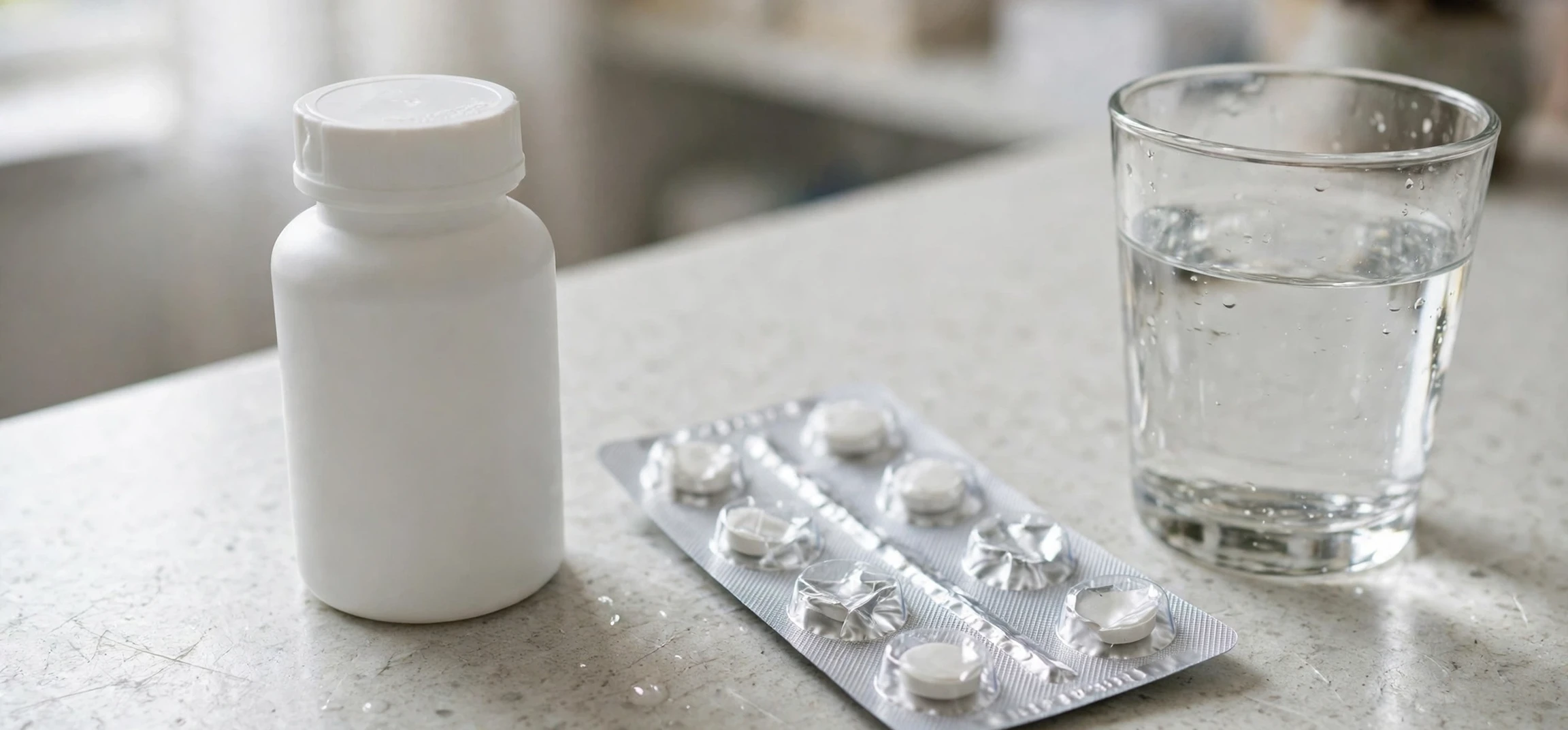
If you have ever looked at a prescription label and wondered why the name on the packet does not match the name your clinician mentioned, you are not alone. Searching for a methocarbamol brand name can feel confusing, because the same active ingredient can be sold under a brand name in one country, under a different brand name in another, and under its plain generic name almost everywhere. This guide explains the methocarbamol brand question in plain, educational language: what the generic name means, how brand names work, which brand names are most widely recognised, and how to read a label without guessing. It is general information only and is not medical advice. If you have questions about your own prescription, ask your pharmacist or prescriber, who can check your exact product, your health history, and the labelling in your country.
Methocarbamol is the generic, or international nonproprietary, name for a medicine that clinicians sometimes prescribe alongside rest and physical therapy for short-term muscle discomfort associated with strains, sprains, and similar musculoskeletal problems. The generic name describes the active ingredient itself. A methocarbamol brand name, by contrast, is a commercial name chosen by a manufacturer for its own version of that ingredient. Two products can therefore contain the same active ingredient yet carry completely different names on the box, and that difference alone does not tell you whether one is stronger, weaker, or better suited to you.
Methocarbamol Brand Basics: Generic Names Versus Brand Names
Understanding the methocarbamol brand landscape starts with one simple distinction. The generic name is shared worldwide and is used in textbooks, formularies, and many prescribing systems. Brand names are owned by individual companies and can differ by market, by manufacturer, and over time, as products are launched, discontinued, or sold to another company. That is why a methocarbamol brand that a friend in one country recognises may be unfamiliar to a pharmacist in another, even though both are talking about the same active ingredient.
Generic medicines are usually produced after the original brand’s patent protection has expired, although the rules vary by country. Regulators generally require a generic version to contain the same active ingredient and to meet standards for quality, strength, and manufacturing, but inactive ingredients such as fillers, coatings, and colourings may differ. Those inactive differences matter for some people, for example if there is a known allergy or sensitivity, which is another reason to check the full label or patient leaflet rather than relying on the brand name alone. If you ever switch between a brand and a generic version, or between two generics, and you notice anything unexpected, contact your pharmacist promptly rather than adjusting anything yourself.
It also helps to know that the word “brand” is sometimes used loosely in everyday conversation. People may say “brand” when they mean the manufacturer, the product range, or the name printed in large letters on the packet. In pharmacy, the precise term is usually “proprietary name” or “trade name”. Keeping that distinction in mind makes it easier to compare products: first identify the active ingredient, then the manufacturer, then any additional ingredients or combination ingredients, and finally the formulation, such as a tablet or an injectable form used in clinical settings.
The Best-Known Methocarbamol Brand Names
The most widely recognised methocarbamol brand name internationally is Robaxin. In the United States, Robaxin has long been associated with methocarbamol tablets, and many people first encounter the medicine under that name. Over the years, other manufacturers have also marketed methocarbamol under their own labels, and generic versions labelled simply as “methocarbamol” are now extremely common in pharmacies. If your packet says only “methocarbamol”, that does not mean anything is missing; it usually means you have a generic version, and the active ingredient is stated directly on the label.
Some methocarbamol products are combination products, meaning they contain methocarbamol plus a second active ingredient, such as a pain reliever. These combinations often carry their own brand names, and the best-known example in some markets is Robaxin combined with another ingredient under a modified brand name. Combination products are not interchangeable with single-ingredient methocarbamol, because the second ingredient changes what the product is for and who should use it. Always read the full list of active ingredients, and never assume that a familiar brand word on the front of the packet tells the whole story. Your pharmacist can confirm whether a product is single-ingredient or a combination in seconds.
Brand availability also changes over time. A methocarbamol brand that was heavily marketed decades ago may now be supplied mainly as a generic, while a brand that is prominent in one country may never have been launched in another. Hospital and clinic settings sometimes use different suppliers again. For that reason, older articles, forum posts, and videos can mention brand names that are no longer current in your area. Treat any brand list as a starting point for a conversation with your pharmacist, not as a shopping list, and always verify against the product actually dispensed to you.
| What you see on the label | What it usually means | What to check |
|---|---|---|
| A single word brand name, such as Robaxin | A manufacturer’s proprietary name for its methocarbamol product | The active ingredient line, which should state methocarbamol |
| The word “methocarbamol” on its own | Usually a generic version naming the active ingredient directly | The manufacturer name and the full ingredient list |
| A brand name plus a second ingredient | A combination product, not single-ingredient methocarbamol | Every active ingredient listed, and whether the combination suits you |
| An unfamiliar brand name from another country | The same ingredient marketed under a local trade name | Ask a pharmacist to confirm the ingredient before comparing products |
How to Read a Methocarbamol Brand Label Safely
Reading a label methodically removes most of the confusion around any methocarbamol brand. Start with the active ingredient section, which is usually printed near the brand name or on the back of the packet. Confirm that it says methocarbamol, and note whether any other active ingredient is listed. Next, look at the manufacturer or marketing authorisation holder, the strength, and the formulation. Then read the patient information leaflet, which explains the approved uses, the warnings, and the possible side effects in the manufacturer’s own wording for your market.
Pay particular attention to warnings about drowsiness and dizziness, because methocarbamol can affect alertness in some people. Educational sources commonly note that alcohol and other medicines that cause drowsiness can add to this effect, which is why driving, operating machinery, and drinking alcohol are topics to discuss with your prescriber or pharmacist rather than deciding on your own. The leaflet also lists conditions and medicines that warrant extra caution, and it is the most reliable source for the product you actually hold. If the leaflet is missing or is written in a language you cannot read comfortably, ask the pharmacy for a replacement copy or a clear explanation.
Another useful habit is to keep a simple, up-to-date list of your medicines, including both brand names and generic names, and to show it at every appointment and pharmacy visit. A list that says “methocarbamol (brand name on packet)” removes ambiguity when a clinician or pharmacist checks for interactions or duplications. If you use a repeat prescription service, check each new supply against your list, because suppliers can change and the packet may look different even when the active ingredient is the same. A changed appearance is not automatically a cause for alarm, but it is always worth a quick confirmation.
Methocarbamol Brand or Generic: Which Should You Expect?
Many people ask whether they will receive a methocarbamol brand product or a generic one. In practice, the answer depends on your country’s prescribing system, your pharmacy’s supplier, and sometimes your prescriber’s instructions. In several markets, pharmacists may dispense a generic version unless the prescription specifies a particular brand or there is a clinical reason to keep the same product. In other systems, the brand originally prescribed is dispensed by default. Neither arrangement is a judgement on quality; both brand and generic products must meet regulatory standards in the market where they are sold.
There are, however, situations in which staying with one consistent product is sensible, and your prescriber or pharmacist can advise on those. For example, if you have a sensitivity to a particular inactive ingredient, a change of manufacturer could matter even when the active ingredient is unchanged. Similarly, if a tablet’s size, shape, or coating makes it hard to swallow, a different manufacturer’s version may be easier to manage, and the pharmacy may be able to help. The key point is that any switch, or any concern about a switch, is best handled as a short conversation with a professional who can see your record, rather than as a decision made from a brand name alone.
Cost is another common question. Brand-name medicines are often more expensive than generics, partly because the original manufacturer bears research, development, and marketing costs, while generic manufacturers do not repeat the full development programme. Insurance and national health systems also influence what you pay and which version is supplied. If cost is a concern, ask your pharmacist whether an equivalent generic is available in your system and whether your prescriber needs to approve any change. Never buy prescription medicines from unverified online sellers simply because a brand name looks cheaper there; counterfeit and incorrectly stored products are a real risk, and a legitimate pharmacy is the safe route.
Common Methocarbamol Brand Questions, Answered
One frequent question is whether the brand name on an old prescription can be used to identify the medicine years later. The answer is: partly. A well-known methocarbamol brand name can help a pharmacist narrow down what you previously took, but the pharmacist will still want to confirm the active ingredient, strength, and formulation, because brand ranges change and combination products complicate the picture. Bringing the old packet, a photograph of the label, or your pharmacy record is far more reliable than memory alone.
Another common question concerns products seen in other countries while travelling. A traveller may find a methocarbamol brand they do not recognise, or may find that methocarbamol is not available over the counter where they expected it. Prescription status, brand names, and available formulations all vary by jurisdiction, so a product that is routine at home may be controlled, prescription-only, or simply marketed differently abroad. If you travel with a prescription medicine, carry it in its original labelled packaging, keep a copy of the prescription, and check the destination country’s rules before you travel. Your pharmacist can advise on documentation and on what to do if a supply is lost.
People also ask how to pronounce and spell the name correctly when searching or speaking to a pharmacist. “Methocarbamol” is pronounced meth-oh-CAR-buh-mol in most English-speaking settings, and spelling it correctly matters when searching online, because a single transposed letter can return results for a different medicine. If you are unsure, showing the packet or writing the name down avoids confusion. Pharmacists are used to this and would always rather double-check a spelling than dispense on the basis of a guess.
Methocarbamol Brand FAQ
What is the best-known methocarbamol brand name? Robaxin is the most widely recognised methocarbamol brand name, particularly in the United States, although generic methocarbamol is now very commonly dispensed and is labelled with the generic name itself.
Is generic methocarbamol the same as the brand? A generic version contains the same active ingredient and must meet regulatory quality standards, but inactive ingredients and appearance may differ. Ask your pharmacist if you have questions about a specific switch.
Why does my packet not show a brand name? That usually means you have a generic product, where the active ingredient name is used as the product name. The manufacturer is normally printed elsewhere on the label.
Can I choose a brand over a generic, or vice versa? Sometimes, depending on your health system and prescriber’s instructions. Discuss preferences, allergies, and cost with your pharmacist, who can explain what is possible in your case.
What should I do if I am unsure about a product I have been given? Do not take it on guesswork. Contact the dispensing pharmacy, describe the label exactly, and ask them to confirm the active ingredients before use.
Where can I verify a methocarbamol brand name? Your pharmacist is the fastest reliable source for any methocarbamol brand question, and the patient information leaflet supplied with your product is the authoritative written source for that specific methocarbamol brand version.
Conclusion
The methocarbamol brand question has a reassuringly simple answer once you separate the brand name from the active ingredient. The generic name, methocarbamol, is the constant; brand names such as Robaxin are commercial labels that vary by manufacturer, market, and era, and generic products labelled simply as methocarbamol are a normal, widely used alternative. Read the active ingredient list, check for combination ingredients, keep a clear medicine list, and use a legitimate pharmacy. Above all, treat this guide as educational background and put any personal question to your pharmacist or prescriber, who can confirm exactly what is in your packet and whether it fits your circumstances. For a broader sense of how generic and brand naming works across other medicines, see our guides to generic names for Celexa, the generic name for Jardiance, and brand names for hydrocodone and acetaminophen combinations.



