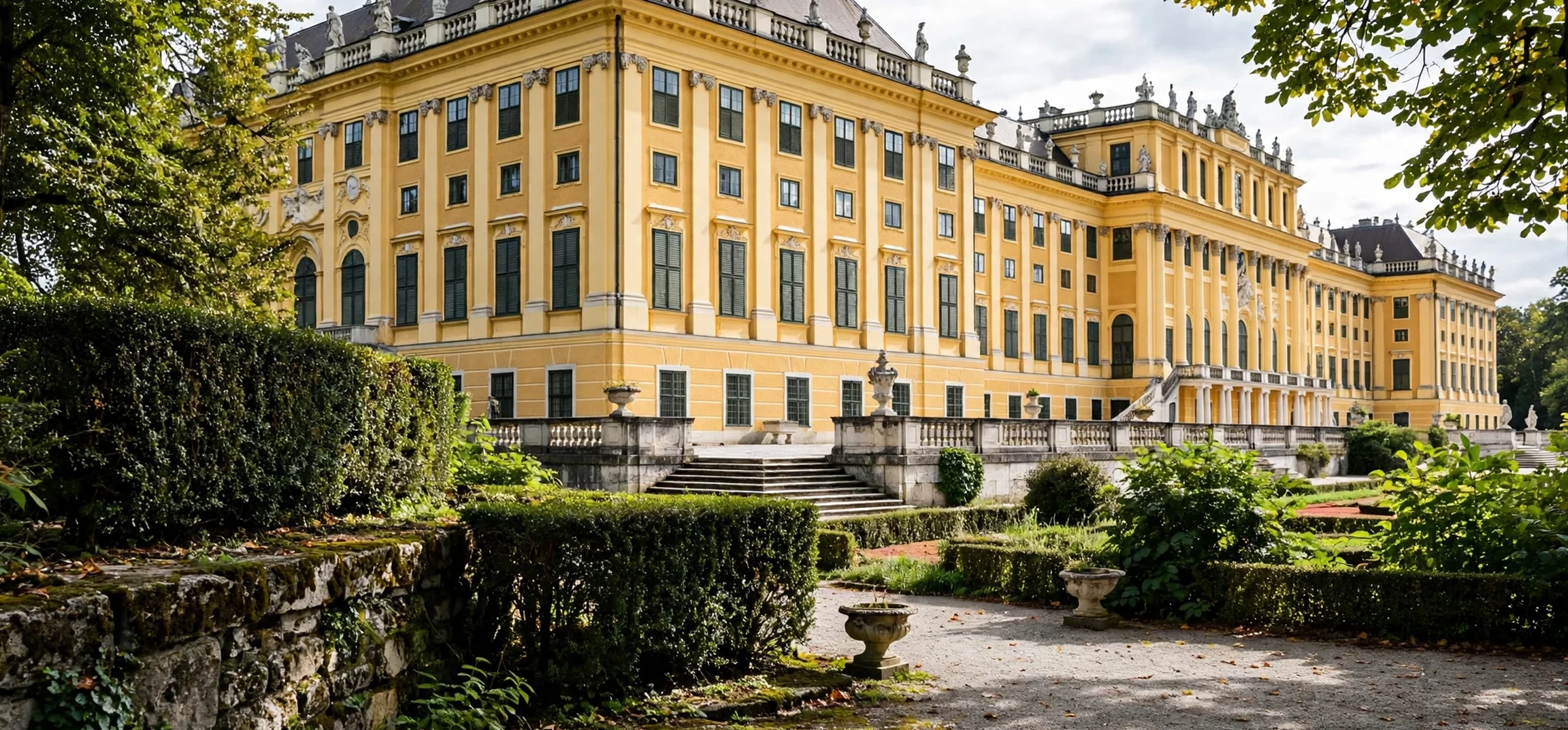
Military operation names can sound dramatic, mysterious, or surprisingly ordinary, and they often tell a story about the people who chose them. Some are picked at random from a list, some describe a place or a goal, and some honour a historical figure, family, or tradition. When a name points to Austrian imperial lineage, it usually points to the Habsburg family, one of the most influential dynasties in European history. In this guide, we explain how operation names are chosen, what Austrian imperial lineage means in plain language, how to research a name you have seen in a book, film, game, or studio production, and how to tell history apart from fiction. This article is a research guide, not a claim about one single secret operation, because operation names are reused, translated, and sometimes invented for entertainment.
The phrase “studio mix” in this title is a useful reminder to check your source. A studio mix could mean a music production, a film or television project, a video game, a documentary, or a creative work that borrows military language for effect. A name that sounds historical in a song title or a game level may not refer to a real historical event at all. Before you repeat a claim, ask where you found the name, whether the source is a history book, an official archive, a news report, or a work of fiction, and whether other reliable sources use the same name in the same way. That simple habit prevents many common misunderstandings.
What Is Austrian Imperial Lineage?
Austrian imperial lineage most often refers to the House of Habsburg, also spelled Hapsburg, a family that ruled large parts of Europe for centuries. Through marriages, inheritance, and political alliances, Habsburg rulers became kings and emperors in Austria, Spain, Hungary, Bohemia, and the Holy Roman Empire. Their story includes famous figures such as Charles V, Maria Theresa, Franz Joseph I, and the last Austro-Hungarian emperor, Charles I. The family is also known for its motto, its distinctive jawline in portraits, and its long association with Vienna, its palaces, music, and court culture.
When writers, filmmakers, or game designers borrow a Habsburg name, they are usually borrowing that sense of empire, ceremony, and old European power. A fictional operation named after an emperor, empress, archduke, or dynasty can instantly suggest grandeur, tradition, or a link to Central Europe. That does not mean the operation itself was real, or that the historical person approved of it, or even that the name was used by a real army. It means the creator wanted the audience to feel a connection to that history.
Why Operation Names Matter
Operation names matter because they shape how people remember events. A short, memorable name can make a complex campaign easier to discuss, but it can also hide its human cost behind a neat label. Historians therefore prefer precise language: they give dates, places, forces involved, and sources, rather than relying on a code name alone. If you are writing an essay, a blog post, or a school project, follow the same rule. Use the code name as a starting point, then add the fuller context around it.
How Military Operation Names Are Chosen
In real armed forces, operation names are usually chosen for clarity, security, and morale. Some are generated from approved word lists to avoid giving clues about the mission. Others are chosen by commanders to inspire troops or to honour a tradition. A name may refer to a place, a season, an animal, a historical event, or a quality such as courage or speed. In many modern forces, names are checked to avoid accidental offence, confusion with another operation, or disclosure of sensitive details. That is why some names sound random: randomness is sometimes the point.
Historical operations also show a wide range. Some names are descriptive, some are poetic, and some are deliberately misleading. A name chosen for a public announcement may differ from the internal code name used in planning documents. Translations add another layer of confusion, because a German, French, or English version of the same name may not match word for word. If you find two different names for what looks like the same event, check the dates and locations before assuming they are the same operation.
Code Names, Nicknames, and Media Labels
It helps to separate three kinds of labels. A code name is the official name used in planning and orders. A nickname is an informal name used by soldiers, journalists, or the public. A media label is a name invented by a newspaper, film, or game for storytelling. All three can become famous, but only the first is an official military designation. When you research a name connected to Austrian imperial lineage, ask which kind of label you have found. A studio production is far more likely to use a media label than an official code name.
How to Research a Name You Have Found
Start by writing down exactly where you saw the name, including the book, episode, game, album, or article, and the date if you can find it. Next, search for that exact phrase in quotation marks, together with words such as history, archive, or operation, and see whether museums, universities, encyclopaedias, or official military histories use it. If only fan sites, music pages, or entertainment listings use it, that is a strong clue that it belongs to a creative work rather than a documented campaign.
Then, check the historical timeline. Austrian imperial rule ended with the First World War and the dissolution of Austria-Hungary in 1918. An operation from a later war could still be named after a Habsburg figure as a tribute or a historical reference, but an operation said to have been ordered by an emperor after 1918 would need very careful checking. Dates are one of the fastest ways to spot an error or a fictional invention. A credible history source will give you a year, a place, and a chain of events you can follow.
Five Questions to Ask Before You Trust a Name
First, who created the name: an army, a government, a journalist, or an artist? Second, when was it used, and does that date fit the history? Third, where did it happen, and can you find that place on a map? Fourth, what do at least two independent reliable sources say? Fifth, does the source distinguish between fact and dramatisation? If you cannot answer most of these questions, treat the name as unverified and say so in your own writing. Honest uncertainty is better than a confident error.
Habsburg History in Brief for New Readers
The Habsburgs rose from a regional family in what is now Switzerland and Austria to become one of Europe’s great powers. Their motto, often translated as “Let others wage war; you, fortunate Austria, marry”, captures their strategy of gaining land through marriage rather than battle alone. Under Maria Theresa in the eighteenth century, Austria reformed its administration, education, and army, while her son Joseph II pushed further reforms. In the nineteenth century, Franz Joseph I ruled for nearly seventy years, a reign that saw railways, modern cities, and rising national tensions across a multinational empire.
The First World War began after the assassination of Archduke Franz Ferdinand in Sarajevo in 1914, and it ended with the collapse of Austria-Hungary. After 1918, Austria became a republic, and the Habsburg family no longer ruled. That long arc explains why Habsburg names still carry weight in history, tourism, music, and fiction. Vienna’s palaces, museums, and concert halls keep the story alive, and writers continue to use Habsburg imagery to suggest empire, elegance, or decline.
| Research step | What to check | Why it helps |
|---|---|---|
| Find the original source | Book, film, game, or archive | Shows whether the name is historical or creative |
| Check the date | Year and historical period | Spots timeline errors quickly |
| Compare two reliable sources | Museum, university, or official history | Confirms the name is widely recognised |
| Separate labels | Code name, nickname, or media label | Avoids treating fiction as fact |
| Note the place | Country, region, and battlefield | Anchors the story in real geography |
Studio Mixes, Games, and Creative Uses of Military Language
Studios use military language because it sounds urgent and organised. A music mix, a game mission, or a short film may borrow words such as operation, campaign, strike, or protocol to create excitement. Sometimes the creator also borrows a historical name to add depth, as a tribute, a joke, or a puzzle for fans. That is normal in creative work, but it can confuse search results, because a fictional title may appear beside real history in the same search page. Reading the full description, credits, and genre usually clears up the confusion.
If you are a creator yourself, you can use historical inspiration responsibly. Make it clear when a work is fictional, avoid presenting invented events as real history, and add a note or source list if your audience might be unsure. If you are a reader or player, enjoy the creativity, but keep a mental label on it: this is entertainment inspired by history, not a history lesson on its own. That balance lets you enjoy both the story and the real past.
Frequently Asked Questions
Was there a real operation named after the Habsburgs?
Many operations have used historical names, but a single famous operation matching every part of a long search phrase is not guaranteed. Always verify the exact name, date, and source before treating it as a documented historical operation.
Why would anyone name an operation after Austrian royalty?
Names can honour tradition, suggest a place or heritage, inspire troops, or simply sound distinctive. In fiction, a royal name can also signal empire, ceremony, or old-world power to the audience.
What is the best source for military history?
National archives, military history institutes, university publications, and reputable encyclopaedias are stronger than fan wikis or social media posts alone. Use fan sites as leads, then confirm with a primary or scholarly source.
Conclusion
A military operation name linked to Austrian imperial lineage is a fascinating starting point for research, but it is only a starting point. Understand the Habsburg story, learn how real code names are chosen, separate official names from nicknames and media labels, and check dates, places, and independent sources before you draw conclusions. If the name comes from a studio mix or another creative work, enjoy it as art inspired by history, and do not present it as a documented campaign without evidence. That careful approach keeps history honest and makes your own writing stronger. For more easy-to-follow explainers, visit Ploomes Org and Chain Guide Comedy Fun on Dooekpo.



