The cast for The Munsters created one of television’s most affectionate jokes: a family who look like classic horror-movie monsters, but who behave like an ordinary, loving, suburban household. The cast for The Munsters made that joke work week after week, because the performers played their characters with complete sincerity. Herman did not think he was frightening; he thought he was a devoted husband and father. Lily did not think her home was strange; she thought it was cosy. That gap between how the family saw themselves and how their neighbours saw them is the heart of the show, and it still explains why the series remains fondly remembered decades after its original run.
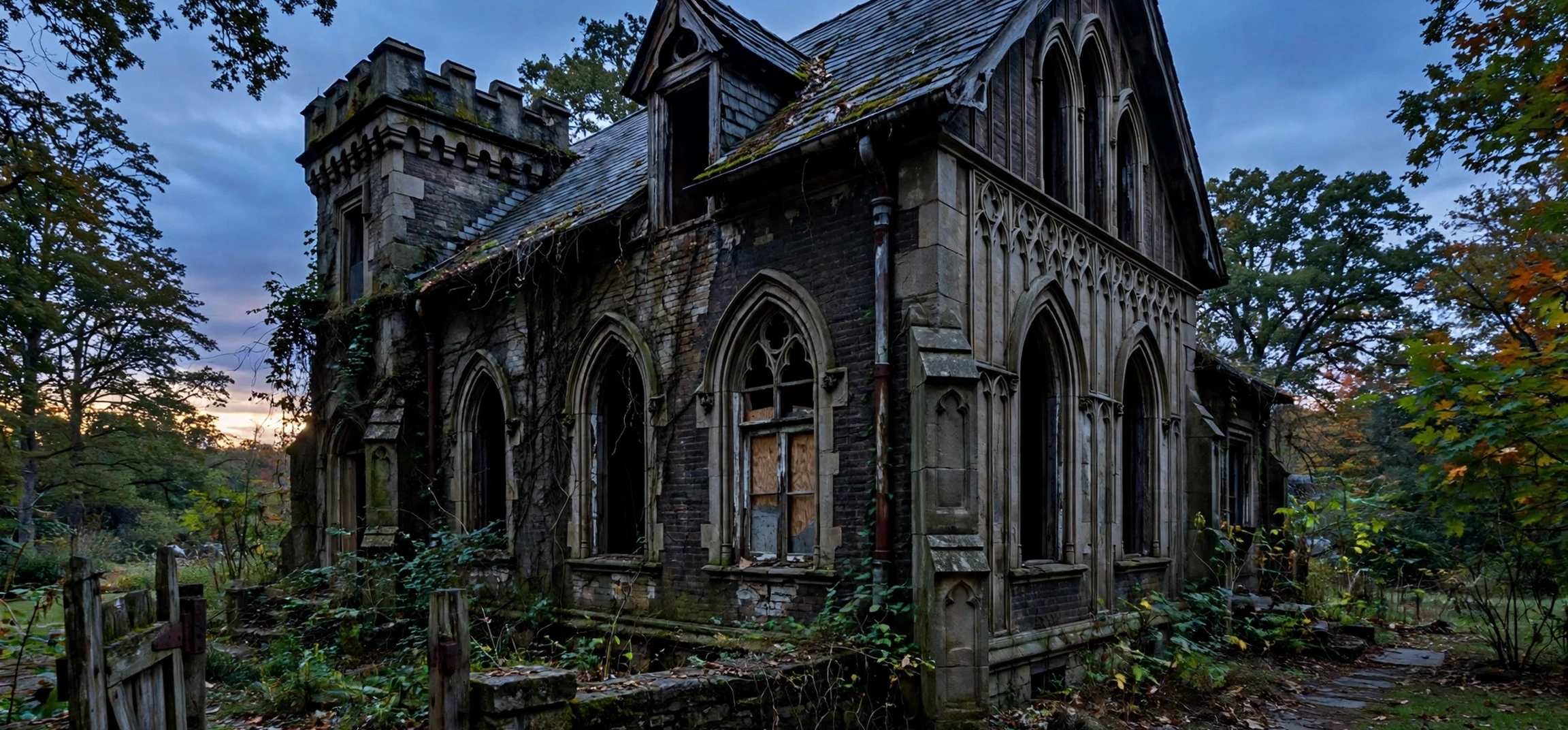
The Munsters originally aired in the mid-1960s as a black-and-white sitcom, and its premise was simple and brilliant. The Munster family live at 1313 Mockingbird Lane in a rambling, gothic-looking house, drive a custom-built hearse-like car, keep a pet dragon in the basement, and treat the trappings of horror as everyday domestic details. Visitors, meanwhile, react with alarm to things the family consider perfectly normal. The comedy comes not from cruelty or mockery, but from warmth: the Munsters are kind, polite, and deeply attached to one another, and their “monstrous” appearance is presented as a family trait rather than a problem to be solved.
Cast for The Munsters: The Main Family
Fred Gwynne played Herman Munster, the towering, good-natured head of the household who works at a funeral parlour and approaches every problem with enthusiasm rather than expertise. Gwynne’s performance is the show’s anchor: Herman is loud, clumsy, and easily excited, but he is also tender with his wife and son and genuinely proud of his family. His comedy came from physical presence and timing — a booming laugh, a delighted grin, a plan that collapses in spectacular fashion — rather than from making Herman seem threatening. Audiences loved Herman because, for all his size and his stitched-together appearance, he was the most emotionally open character on screen.
Yvonne De Carlo played Lily Munster, Herman’s wife and the family’s calm centre. Lily, a vampire in the show’s playful mythology, is elegant, practical, and unflappable. Where Herman rushes in, Lily thinks, organises, and gently steers the household back on course. De Carlo brought glamour and poise to the role, but she also brought comedy: Lily’s complete comfort with bats, cobwebs, and midnight gardening is funny precisely because she treats it all as housekeeping. Her marriage to Herman is one of the show’s sweetest elements — affectionate, teasing, and entirely untroubled by the fact that the rest of the world finds them alarming.
Al Lewis played Grandpa, also known as Count Dracula, Lily’s father and the family’s resident inventor, magician, and mischief-maker. Grandpa lives in the basement laboratory, concocts potions, builds gadgets, and frequently creates the very problem that the episode must then solve. Lewis played him with gleeful energy, a cackling laugh, and a complete disregard for ordinary caution. Grandpa is the show’s wildcard: part doting grandfather, part mad scientist, and always convinced that his latest experiment is about to work perfectly. When it does not, the fallout is usually Herman’s to manage.
Cast for The Munsters: Eddie and Marilyn
Butch Patrick played Eddie Munster, the family’s young son, a werewolf in the show’s mythology who attends school, plays with friends, and worries about the same things other children worry about — fitting in, doing well, and pleasing his parents. Eddie’s comedy often came from his innocence: he accepted his family’s unusual home as normal, and was puzzled when classmates or teachers reacted otherwise. Patrick’s performance kept Eddie likeable and relatable, which mattered because the audience needed to see the Munster household through a child’s eyes as well as through adult visitors’ eyes.
Marilyn Munster, the family’s niece, is the show’s great running joke, and she was played during the series by Beverley Owen and later by Pat Priest. Marilyn is, by the family’s standards, the odd one out — because she looks entirely ordinary. The Munsters pity her for her “plain” appearance and worry that she will never find a partner, completely unaware that visitors find Marilyn perfectly lovely and the rest of the family startling. The joke only works because the performers played it straight: the family’s concern for Marilyn is genuine, and Marilyn’s affection for her family is equally genuine. She is not a figure of fun; she is the audience’s bridge into the household.
Together, these five characters form a complete family unit with clear roles: Herman the enthusiastic father, Lily the steady mother, Grandpa the unpredictable elder, Eddie the child finding his way, and Marilyn the kind niece who belongs even when the family thinks she stands out. That clarity is one reason the show is so easy to revisit. A new viewer can understand the household within a single episode, and a returning viewer can enjoy how the same dynamics produce different jokes each week.
Why the Munsters Cast Still Works
The cast for The Munsters succeeded because the show never asked its performers to wink at the audience. Herman, Lily, Grandpa, Eddie, and Marilyn all believed in their world completely, and that sincerity made the comedy warmer than a simple parody of horror films would have been. The series borrowed the visual language of classic monster movies — the make-up, the gothic house, the laboratory, the hearse — but it used those elements for domestic comedy rather than for scares. A potion gone wrong is a household accident. A visitor’s faint is a social embarrassment. A pet dragon is a pet.
The make-up and costumes also deserve credit, because they had to be striking enough to read instantly in black and white, yet flexible enough for broad comedy. Herman’s flat head and bolts, Lily’s elegant gown and streaked hair, Grandpa’s cape and pointed features, and Eddie’s pointed ears all signalled “monster family” at a glance, while still allowing the performers’ faces and voices to carry the humour. Modern viewers sometimes forget how technically demanding that balance was: heavy make-up can easily flatten a performance, but Gwynne, De Carlo, Lewis, and Patrick all remained expressive and funny within it.
The show’s setting helped too. By placing a monster family in an ordinary suburb, The Munsters created endless opportunities for misunderstanding comedy. Neighbours, salespeople, teachers, and work colleagues all arrived expecting a normal visit and left bewildered, while the Munsters remained politely baffled by the reaction. That structure meant guest performers could play the “straight” role — the normal person — while the regular cast played the joke without ever acknowledging it. It is a classic sitcom engine, and it still runs smoothly today.
Munsters Cast at a Glance
| Character | Played by | Role in the household |
|---|---|---|
| Herman Munster | Fred Gwynne | Good-natured father and husband; works at a funeral parlour |
| Lily Munster | Yvonne De Carlo | Calm, elegant mother; the household’s steady centre |
| Grandpa (Count Dracula) | Al Lewis | Lily’s father; inventor and mischief-maker in the basement |
| Eddie Munster | Butch Patrick | The young son, navigating school and family life |
| Marilyn Munster | Beverley Owen, later Pat Priest | The niece; ordinary-looking, beloved, and gently pitied by family |
Watching The Munsters Today
If you are new to The Munsters, start with episodes that introduce the household through a visitor’s eyes, because those episodes explain the premise most clearly. Notice how little exposition the show needs: the house, the car, the pet, and the family’s cheerful normality tell you almost everything within the first few minutes. From there, you can enjoy episodes in almost any order, since the series is largely episodic rather than serialised. That makes it ideal for casual viewing, family viewing, and revisiting favourite episodes.
It also helps to watch for the small domestic details that reward repeat viewing. Lily’s housekeeping, Grandpa’s inventions, Herman’s workplace stories, and Eddie’s school adventures all build a picture of a family that, monster trappings aside, worries about bills, guests, school, and one another just like any other family. That ordinariness is the point. The Munsters are not outsiders trying to fit in; they already believe they fit in perfectly, and the comedy comes from the world’s failure to agree.
For viewers interested in television history, The Munsters also offers a window into 1960s sitcom craft: tight half-hour structures, a strong central premise, a small regular cast supported by guest visitors, and jokes built on character rather than on topical references. That is why the show has aged better than many of its contemporaries. Its humour does not depend on knowing a particular news story or fashion; it depends on recognising a family who love each other and misunderstand everyone else.
When viewers search for the cast for The Munsters, they are usually looking for more than a list of names: they want to understand how the cast for The Munsters worked as an ensemble, and why that ensemble still feels coherent today. The cast for The Munsters succeeded because each performer understood their character’s place in the household, and because the cast for The Munsters never treated the premise as a joke at the family’s expense. Anyone revisiting the series with the cast for The Munsters in mind will notice how often a scene’s humour depends on that ensemble trust: Herman’s enthusiasm needs Lily’s calm, Grandpa’s schemes need Herman’s good nature to absorb them, and Eddie’s innocence needs the adults around him to take his world seriously. That balance is the real achievement of the cast for The Munsters, and it is why the show remains easy to recommend to new viewers.
Another reason to keep the cast for The Munsters in mind while watching is that guest performers take their cue from the regulars. When a visitor arrives at 1313 Mockingbird Lane, the comedy depends on the contrast between that visitor’s alarm and the calm of the cast for The Munsters as a household. Herman welcomes the guest, Lily offers hospitality, Grandpa produces a gadget, Eddie asks an innocent question, and Marilyn tries to be helpful, all while the guest grows more bewildered. Reading about the cast for The Munsters before a first viewing therefore does more than name the performers: it explains the show’s comic engine, and it helps new viewers appreciate why the cast for The Munsters have remained so fondly remembered long after the original broadcasts ended.
Munsters Frequently Asked Questions
Who played Herman Munster?
Herman Munster was played by Fred Gwynne, whose warm, booming performance made Herman the show’s lovable centre despite his imposing, stitched-together appearance.
Who played Lily Munster and Grandpa?
Lily Munster was played by Yvonne De Carlo, and Grandpa, Lily’s father, was played by Al Lewis. Lily provides the household’s calm, while Grandpa provides its unpredictable inventions and schemes.
Why was Marilyn considered the odd one out?
Marilyn, played first by Beverley Owen and later by Pat Priest, looks entirely ordinary, which the monster family regard as plain. The joke is affectionate: the family worry about her, while visitors find her perfectly lovely.
Is The Munsters scary?
No. Despite its horror-movie appearance, The Munsters is a gentle family sitcom. The monster elements are played for domestic comedy, and the family themselves are kind, polite, and loving.
Conclusion
The cast for The Munsters — Fred Gwynne, Yvonne De Carlo, Al Lewis, Butch Patrick, and Beverley Owen and Pat Priest as Marilyn — turned a horror parody into a warm family comedy by playing every absurd situation with complete sincerity. Herman’s enthusiasm, Lily’s calm, Grandpa’s mischief, Eddie’s innocence, and Marilyn’s kindness still hold together beautifully, and the show’s premise needs almost no explanation to a new viewer. If you enjoy classic ensemble sitcoms, start with a visitor-centred episode, enjoy the household’s cheerful normality, and let the cast do what they have always done best: make a monster family feel like family. For more classic television guides, see our cast guide to Bewitched, our cast guide to Chuck, and our round-up of TV series worth watching.