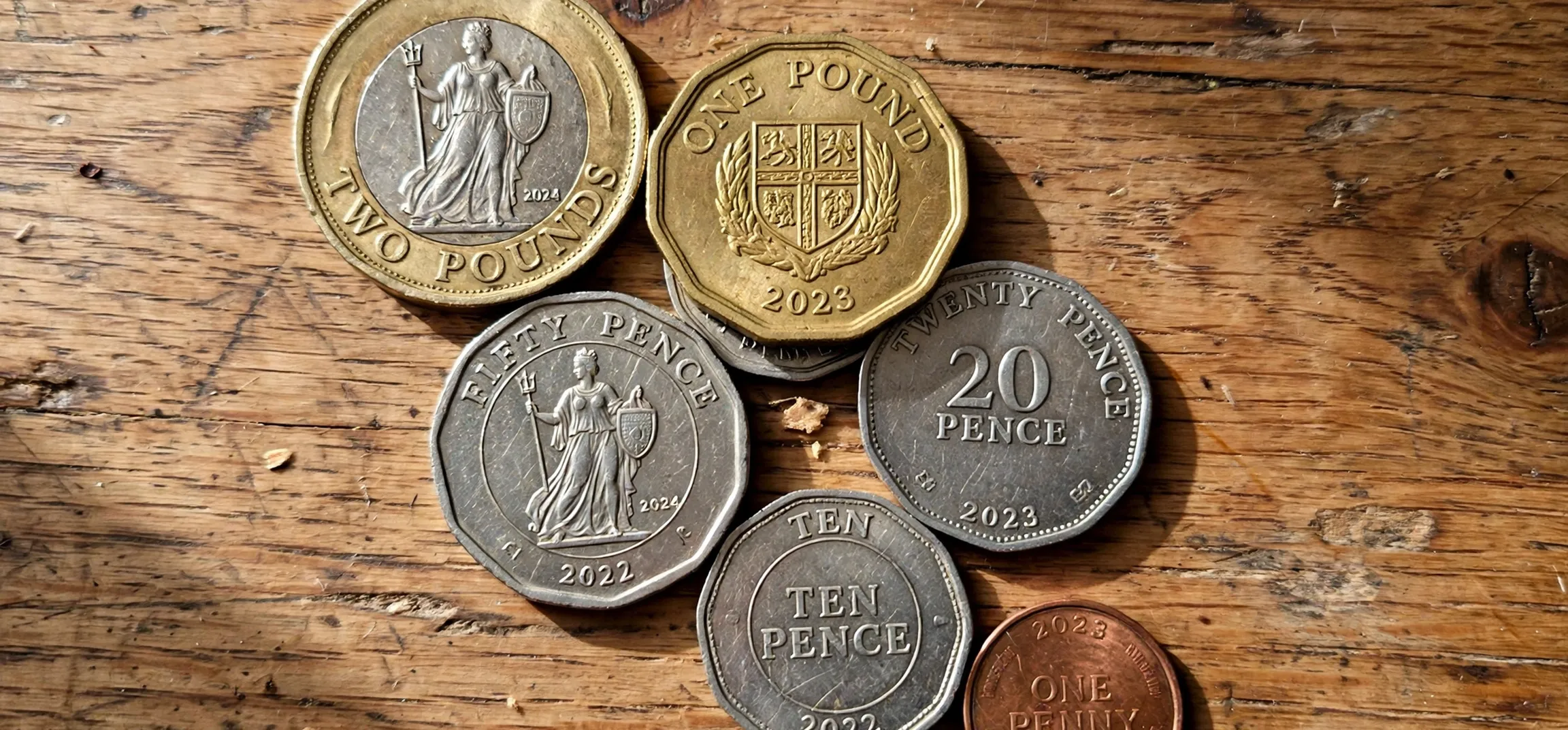
If you searched for “name of england currency”, the short answer is the pound sterling. England, as part of the United Kingdom, uses the pound sterling as its currency, and the same currency is used across the whole of the United Kingdom, including Scotland, Wales, and Northern Ireland. The pound sterling is often shortened to the pound, and its currency code is GBP, which stands for Great Britain pound in international banking shorthand. Its symbol is £, a stylised letter L, which comes from the Latin word libra, meaning a pound in weight. This guide explains the name of england currency in full, describes its coins and notes, outlines a brief history, and explains how the currency fits into everyday life, for general education only.
It is worth clarifying the wording behind the name of england currency. England does not have a separate currency from the rest of the United Kingdom. There is no distinct English pound that is different from the Scottish or Welsh pound in value, because all parts of the United Kingdom share the same currency and the same monetary system. Scotland and Northern Ireland do issue their own banknote designs, but those notes are denominated in pounds sterling and are worth the same as Bank of England notes of the same value. Understanding that point clears up the most common confusion behind searches for the name of england currency.
Name of England Currency: The Pound Sterling
The full and formal name behind the name of england currency is the pound sterling. In everyday speech, people simply say the pound, and prices are quoted in pounds and pence. One pound is divided into 100 pence, and amounts are written with the £ symbol before the number, followed by pence where relevant. The plural of the currency unit is pounds, and the subunit is the penny in the singular and pence in the plural, although in casual speech people often say pee for pence.
The name of england currency reflects a long history. The word sterling has been used for English silver coinage since the Middle Ages, and the pound originally referred to a pound weight of silver. Over centuries, the currency moved from coins made of precious metal to paper notes and then to the modern mix of coins, notes, and electronic payments, but the name stayed. That continuity is one reason the pound sterling is often described as one of the oldest currencies still in use, a claim that refers to its continuous history rather than to any single coin or note design.
The Bank of England, the central bank of the United Kingdom, is responsible for issuing banknotes in England and Wales and for maintaining monetary stability. Its role includes setting the official interest rate, known as Bank Rate, and overseeing the production of notes. Coins are issued by the Royal Mint. Together, these institutions ensure that the currency in circulation is consistent, secure, and widely accepted, although in practice most payments today are made electronically, by card, phone, or bank transfer, rather than in cash.
Name of England Currency: Coins and Notes
Coins in circulation are denominated in pence and pounds. The common coins are 1p, 2p, 5p, 10p, 20p, and 50p, together with £1 and £2 coins. Each coin carries a portrait of the monarch on one side and a design on the other, and designs change over time to mark events, anniversaries, or new themes. The £1 coin in current circulation is a twelve-sided, two-coloured coin, and the £2 coin is also two-coloured, with a gold-coloured centre and a silver-coloured outer ring.
Banknotes in England are issued by the Bank of England in denominations of £5, £10, £20, and £50. Modern notes are made from polymer, a thin, flexible plastic, which lasts longer than paper and allows for more sophisticated security features, such as transparent windows and raised print. Each note features a portrait of the monarch on the front and a celebrated historical figure on the back, chosen to represent British achievement in fields such as science, literature, or social reform. Older paper notes are withdrawn from circulation over time, and the Bank of England publishes guidance on what to do with old notes, generally through banks or by post to the Bank itself.
For visitors and newcomers, the practical point is simple: cash is accepted in most shops, but many businesses, especially in cities and on public transport, prefer or require card or contactless payment. It is sensible to carry a payment card as well as a small amount of cash, and to check the payment options of a particular shop, market, or transport service before travelling. This guide does not give exchange rates or prices, because those change constantly and should be checked through a bank or a licensed currency exchange at the time of travel.
A Brief History of the Pound Sterling
The history of the pound sterling stretches back more than a thousand years. Anglo-Saxon England used silver pennies, and the pound as a unit of account developed from the practice of counting pennies by weight. By the later Middle Ages, the pound sterling was well established as the currency of England, and it spread with trade, colonisation, and the growth of the British Empire, becoming a major international currency in the nineteenth century, when Britain was the world’s leading trading nation.
The twentieth century brought major changes. Britain left the gold standard, under which the value of the pound had been linked to gold, and after the Second World War the pound’s international role changed as the United States dollar became the dominant reserve currency. In 1971, Britain decimalised its currency, replacing the old system of pounds, shillings, and pence, in which there were 240 old pence to the pound, with the simpler decimal system of 100 new pence to the pound that is still used today. That change simplified everyday arithmetic and brought Britain into line with most other countries.
In more recent decades, the pound sterling has remained a major traded currency, and London has remained one of the world’s leading financial centres. The currency has experienced periods of strength and weakness, influenced by economic conditions, interest rates, and political events, but its name and its basic structure have remained stable. That stability of name, despite changes in design and in the wider economy, is part of why the pound is so recognisable around the world.
The Pound Across the United Kingdom
Although this guide answers the question about the name of england currency, it is important to understand the currency across the whole United Kingdom. In Scotland, three banks issue their own pound sterling banknotes, and in Northern Ireland several banks do the same. These notes are legal currency, denominated in pounds sterling, and they are accepted widely, although some shopkeepers in England who are unfamiliar with them may be cautious. Bank of England notes are accepted throughout the United Kingdom without question.
The currency behind the name of england currency is also used in the Crown Dependencies, which are Jersey, Guernsey, and the Isle of Man, although those territories issue their own local notes and coins that are pegged to the pound sterling. In addition, several British Overseas Territories use the pound sterling or a local currency pegged to it. For most practical purposes, however, a visitor to England needs only to know that the currency is the pound sterling, that it is divided into pence, and that Bank of England notes and Royal Mint coins are the standard forms of cash.
It is also worth noting what the pound sterling is not. The United Kingdom does not use the euro, even though it is geographically close to the eurozone and trades extensively with it. The United Kingdom chose not to adopt the euro when it was introduced, and it retained the pound. Visitors from eurozone countries therefore need to obtain pounds sterling or use a card that handles currency conversion, rather than expecting euros to be accepted as payment in England.
The Pound in Everyday Life and Education
For residents, the currency behind the name of england currency, the pound sterling, is simply the background of daily economic life: salaries are paid in pounds, prices are quoted in pounds and pence, and savings, mortgages, and pensions are denominated in pounds. Financial education in schools therefore teaches children to work with pounds and pence from an early age, including how to make change, how to compare prices, and how to budget. These are practical skills, and they are taught without reference to exchange rates or investment advice, which are separate matters for adults to consider with professional guidance if needed.
For students of economics and history, the pound sterling offers a useful case study in how a currency evolves. It shows how a unit of weight became a unit of money, how a national currency can become international, and how decimalisation and polymer notes can modernise a system without changing its name. Teachers often use the pound as an example when explaining concepts such as inflation, interest rates, and central banking, because its long history makes those abstract ideas concrete.
Readers interested in money and finance more broadly may find related guides useful as background reading, including general guides to understanding finance and explanations of how banking services are organised. Those guides are educational in purpose, and they are not a substitute for professional financial advice, which should be sought from a qualified adviser for any personal financial decision.
Pound Sterling at a Glance
| Feature | Detail |
|---|---|
| Formal name | Pound sterling |
| Common name | The pound |
| Currency code | GBP |
| Symbol | £ |
| Subunit | Penny (singular), pence (plural); 100 pence to one pound |
| Coins in circulation | 1p, 2p, 5p, 10p, 20p, 50p, £1, £2 |
| Bank of England notes | £5, £10, £20, £50, made from polymer |
| Issued by | Bank of England for notes; Royal Mint for coins |
| Used in | England, Scotland, Wales, and Northern Ireland |
| Euro used? | No, the United Kingdom does not use the euro |
This table is a factual summary for education. It does not include exchange rates, prices, or forecasts, because those values change constantly and are not part of a general explanation of a currency’s name and structure.
Frequently Asked Questions
What is the name of england currency?
The name of england currency is the pound sterling, commonly called the pound, with the currency code GBP and the symbol £.
Is the currency in Scotland different from the currency in England?
No. Scotland uses the same currency, the pound sterling, although Scottish banks issue their own note designs. Those notes are worth the same as Bank of England notes of the same denomination.
How many pence are in a pound?
There are 100 pence in one pound under the decimal system introduced in 1971.
Does England use the euro?
No. The United Kingdom, including England, uses the pound sterling and does not use the euro as its currency.
Conclusion
The answer to the question behind this guide is straightforward, but the story behind it is rich. The name of england currency is the pound sterling, a currency with more than a thousand years of history, divided into 100 pence to the pound, issued as polymer notes by the Bank of England and as coins by the Royal Mint, and shared across the whole United Kingdom. Whether you are a visitor planning a trip, a student revising for an exam, or simply curious about a name you saw in a search result, that is the essential fact about the name of england currency to carry away. For background on British institutions and naming more generally, readers may also enjoy guides to UK company naming, which illustrate how British names and institutions are organised in practice.



