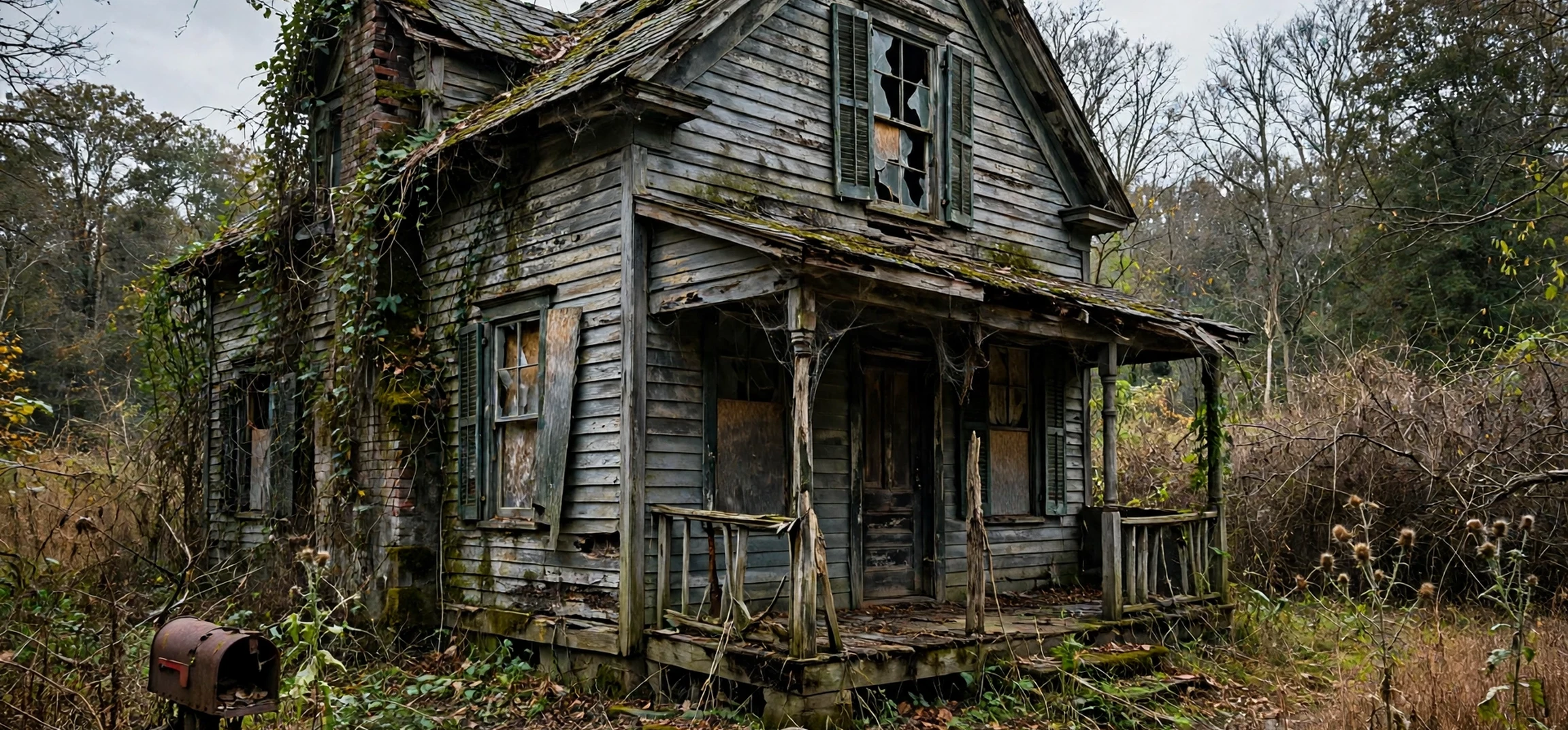
American Horror Story is an anthology series, which means each season tells a largely separate story with its own setting, characters, and mood, even though many familiar adult performers return in new roles. For new viewers, the quickest way into the show is to learn the names of american horror story seasons in order, because each subtitle is a clue to the world that season will explore. A title such as Coven points toward witchcraft and sisterhood, while a title such as Hotel points toward a single eerie building and the people who pass through it. This guide lists every season subtitle in order, explains what each one signals in spoiler-light terms, and helps you choose where to begin without giving away major twists.
The anthology format is the key to understanding the series. You do not need to watch every season to enjoy one season, although long-time viewers enjoy spotting returning actors and small connections between stories. Each season is designed to stand on its own, with a beginning, a middle, and an ending, so you can start with the theme that appeals to you most and return to the others later. That freedom is part of the show’s appeal, and it is also why a clear season list matters: the subtitles, rather than numbers alone, tell you what kind of story you are about to enter.
Names of American Horror Story Seasons: The Full List
The table below gives the season subtitles in broadcast order, with the year each season first aired and a short, spoiler-light note about its setting. Read the setting column as a flavour guide, not a plot summary: it tells you the world and atmosphere, while leaving the surprises intact for first-time viewers.
| Order | Season subtitle | First aired | Setting in brief |
|---|---|---|---|
| 1 | Murder House | 2011 | A Los Angeles house with a troubled past |
| 2 | Asylum | 2012 | A mid-century institution and its residents |
| 3 | Coven | 2013 | A New Orleans school for young witches |
| 4 | Freak Show | 2014 | A travelling carnival troupe in Florida |
| 5 | Hotel | 2015 | A grand Los Angeles hotel with secrets |
| 6 | Roanoke | 2016 | A rural house tied to a famous lost colony |
| 7 | Cult | 2017 | A small town shaken by fear and division |
| 8 | Apocalypse | 2018 | A world after catastrophe, with returning faces |
| 9 | 1984 | 2019 | A summer camp in the style of 1980s slashers |
| 10 | Double Feature | 2021 | Two linked stories, seaside town and desert town |
| 11 | NYC | 2022 | New York City in the early 1980s |
| 12 | Delicate | 2023 | A New York story of pregnancy and ambition |
Two patterns stand out from the list. First, the subtitles often name a place, such as a house, a hotel, or a city, which immediately grounds the season in a location you can picture. Second, some subtitles name a group or an idea, such as a coven, a cult, or an apocalypse, which tells you more about the community or the threat at the centre of the story. Together, place and concept give each season a distinct identity, even when the same performers return.
How the Names of American Horror Story Seasons Work
Each subtitle works like a promise about tone. Murder House promises a haunted-home story rooted in one address and the families who lived there. Asylum promises an institutional setting where authority, belief, and confinement shape the drama. Coven promises a story about power passed between women, rivalry within a close group, and the weight of tradition. None of these titles gives away the ending, but each one sets expectations, so viewers who enjoy one kind of horror can find the season that matches their taste.
Later subtitles follow the same logic with more variety. Freak Show centres on performers whose work and community set them apart from the town around them. Hotel turns a single building into a world of its own, where guests, staff, and long-term residents cross paths over decades. Roanoke borrows a famous American mystery and frames it through a documentary style, which changes how the story feels from episode to episode. Cult shifts the focus from a single monster or building to the way fear can spread through a community. Apocalypse brings back characters and ideas from earlier seasons, rewarding viewers who have followed the series from the start.
The most recent subtitles continue the pattern of place and period. The 1984 season leans into the look and rhythm of 1980s summer-camp horror, with bright colours, period music, and a knowing sense of nostalgia. Double Feature is unusual because it contains two stories in one season, so its title signals a double bill rather than a single setting. NYC places the action firmly in New York City, while Delicate takes a more literary and psychological approach, focusing on one woman’s experience of fame, pregnancy, and unease. If you are browsing other television guides, you may also enjoy this look at an ABC Family television series overview, which shows how channel histories shape the shows we remember.
A Season-by-Season Guide for New Viewers
The Early Seasons: Houses, Institutions, and Covens
The first three seasons established the anthology idea. The opening season follows a family moving into a house whose history will not stay buried, and it introduces the pattern of adult leads carrying intense, emotional performances. The second season moves to an institution in the 1960s, where questions of faith, medicine, and power drive the story as much as any supernatural element. The third season moves to New Orleans and a school for witches, blending Southern atmosphere, humour, and rivalry into a story about generations of women negotiating power. Together, these three seasons show the range of the format: one location, one institution, and one community can each carry a full season.
The Middle Seasons: Spectacle, Place, and Experiment
The middle seasons expand the canvas. A travelling carnival season explores performance, belonging, and exploitation in a close-knit troupe. A hotel season turns glamour and decay into twin themes, with a building that remembers every guest. A Roanoke season experiments with form, presenting its story as a documentary before shifting perspective, which keeps viewers guessing about what is real within the fiction. A cult season brings the horror closer to everyday life, focusing on neighbours, politics, and the way fear can be organised. An apocalypse season then gathers threads from earlier stories, giving long-term fans a payoff while still offering a self-contained tale of survival and destiny for newcomers who start there.
The Recent Seasons: Nostalgia, Cities, and Intimacy
Recent seasons show how flexible the anthology remains. A 1980s camp season plays with nostalgia for a whole era of horror films, complete with period fashion and music, while still telling a complete story about its counsellors and their pasts. A double-feature season splits its time between two towns and two kinds of story, proving that one season can hold more than one idea. A New York season grounds its mystery in a specific city and decade, using real urban atmosphere to heighten its tension. A delicate season narrows the focus to one woman’s private and public life, showing that horror can be intimate and psychological as well as spectacular. This variety is why many viewers recommend starting with the subtitle that sounds most appealing, rather than feeling obliged to begin at season one.
Returning Cast and the Anthology Format
One of the pleasures of the series is watching adult performers return in entirely different roles. Jessica Lange, Sarah Paulson, and Evan Peters became closely associated with the early seasons, each playing sharply different characters from one year to the next. Later seasons added performers such as Kathy Bates, Angela Bassett, and Lady Gaga, who brought their own screen presence to new settings. Because the characters change, you can appreciate a performance without needing to remember a previous season’s plot, and you can compare how the same actor handles comedy, menace, vulnerability, or authority in different stories.
The anthology format also lets the writers change genre from season to season. One year may feel like a gothic family drama, the next like a dark comedy, and the next like a mystery or a thriller with supernatural elements. That shifting tone keeps the series fresh, but it also means that a season you love and a season you find less appealing can sit side by side in the same show. The subtitle list is therefore a practical tool: it lets you sample the tone of each season before you commit, and it helps you describe the show to friends without spoiling the stories.
For fans of television history in general, this overview of a long-running drama cast, According to Jim cast highlights, is a reminder of how ensemble casts shape a series over many years, even when the format is very different from an anthology.
Where Should a New Viewer Start?
There is no single correct starting point, but a few routes suit different tastes. If you enjoy classic haunted-house stories, start with the first season. If you prefer witchcraft, rivalry, and Southern atmosphere, start with the third season. If you like stylish, hotel-based mystery, start with the fifth season. If you enjoy 1980s nostalgia, start with the ninth season. If you want a recent, character-focused story, start with the twelfth season. Each route gives you a complete story, and you can move on to the subtitles that catch your eye next.
It is also worth watching in broadcast order if you enjoy spotting connections. The eighth season, in particular, rewards viewers who know earlier seasons, because it revisits characters and ideas from the first and third seasons. Watching in order is not required, but it adds a layer of recognition that many fans enjoy. Conversely, watching out of order has its own charm: you meet a performer in a later role first, then discover their earlier work with fresh eyes. Either path works, because the anthology design protects each season’s story.
Tips for First-Time Viewers
First, read only the subtitle and a one-line setting note before you begin, and avoid detailed episode summaries if you want surprises preserved. Second, treat each season as a short novel rather than a chapter in one long book, so you do not worry about remembering every detail from a previous season. Third, notice how setting, music, and costume create atmosphere before the plot turns: the show often tells you what kind of story you are in through its look and sound. Finally, discuss seasons by subtitle rather than by number, since subtitles are easier to remember and instantly tell other fans which story you mean.
Frequently Asked Questions
How many seasons are there?
There are twelve seasons in the main list covered here, from the opening house story through to the most recent delicate story. Each season has its own subtitle, setting, and largely separate cast of characters, even when familiar performers return.
Do I need to watch the seasons in order?
No. The anthology format means each season stands alone. Watching in order adds recognition for returning characters and ideas, especially in the crossover season, but starting with any subtitle that appeals to you will still give you a complete story.
Why do the same actors appear in different roles?
Returning performers are a signature of the anthology format. The creators invite trusted adult actors back each year to play new characters, which lets audiences enjoy their range and gives each season a familiar anchor without continuing the same plot.
Which season is best for beginners?
It depends on your taste. Haunted-house fans often begin with the first season, witchcraft fans with the third, and 1980s nostalgia fans with the ninth. Choose the subtitle whose setting sounds most inviting, and treat that season as your entry point.
Conclusion
Learning the season subtitles is the simplest way to navigate this long-running anthology. Each name points to a place, a group, or an idea, and each one promises a different kind of story, from a single house to a whole city, from a school to a hotel, from a carnival to an apocalypse. Whether you watch in order, start with a favourite theme, or sample subtitles at random, the list gives you a map for the journey. Keep it beside you as you explore, and let the subtitle that sparks your curiosity decide where you begin. For another look at season-based television, see this guide to a classic drama season overview, which shows how a single season can define a show’s legacy.



