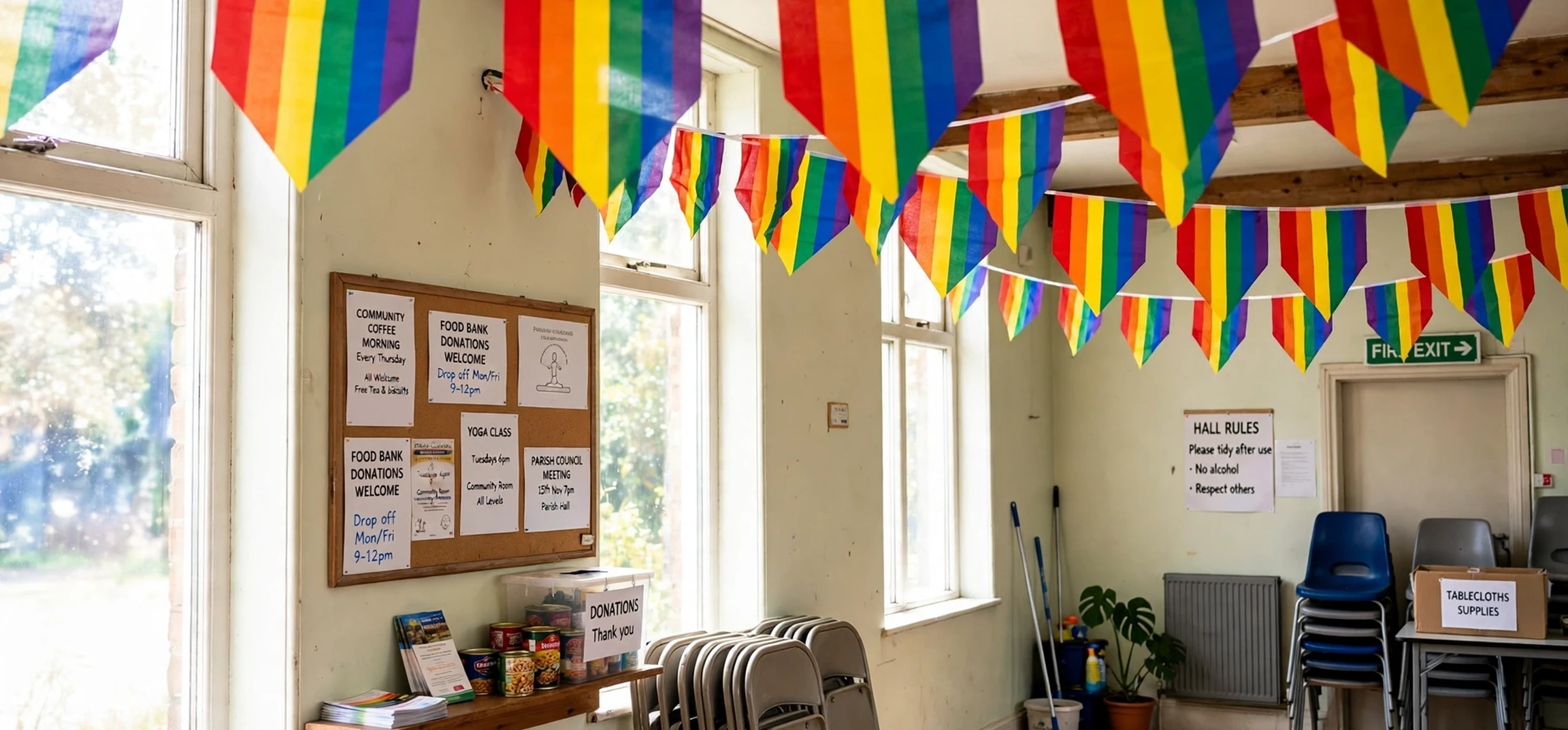
The question what does nonbinary mean in gender comes up often, and the answer is refreshingly straightforward. Nonbinary describes a gender identity that is not exclusively male or female. A nonbinary person may feel partly male and partly female, neither male nor female, or a gender entirely separate from those two categories. The term is an umbrella: it covers many different experiences, and each nonbinary person understands and expresses their own identity in their own way.
What Does Nonbinary Mean in Gender? The Core Idea
To understand what does nonbinary mean in gender, it helps to start with the distinction between sex and gender. Sex is typically assigned at birth based on physical characteristics, while gender is a person’s internal sense of themselves. Most people identify with the gender typically associated with their sex assigned at birth, and are described as cisgender. Nonbinary people do not identify exclusively within the male-or-female binary, and that experience is as real and long-standing as any other gender identity.
Nonbinary is not a single, fixed identity that looks the same for everyone. Some nonbinary people feel their gender shifts over time, while others feel it stays constant. Some use additional terms to describe themselves more precisely, such as genderfluid, agender, or bigender. Others simply use nonbinary on its own. What unites these experiences is not a shared appearance or behaviour, but a shared sense of sitting outside the binary categories of man and woman.
A Brief History of Nonbinary Identities
Although the word nonbinary is relatively recent in English, gender diversity itself is ancient. Many cultures have long recognised identities beyond male and female. In South Asia, hijra communities have existed for centuries. Several Indigenous nations in North America recognise Two-Spirit people. In parts of the Pacific, fa’afafine in Samoa and similar identities have deep cultural roots. These traditions remind us that the male-female binary, while dominant in many modern societies, has never been universal.
In English-speaking countries, the term nonbinary gained wider use in the late twentieth and early twenty-first centuries, alongside greater public discussion of gender identity. Legal recognition has followed in some places: several countries and regions now allow a nonbinary or unspecified gender marker on passports and identity documents, and many workplaces and schools have updated their forms to include nonbinary options. This growing visibility reflects a broader social shift towards recognising that gender is more varied than two boxes allow.
Pronouns and Names: How to Be Respectful
One of the most practical aspects of understanding what does nonbinary mean in gender is learning about pronouns. Many nonbinary people use they/them pronouns, as in they are a talented artist, and their work is excellent. Others use he/him, she/her, a combination, or newer pronouns such as xe/xem. The respectful approach is simple: use the pronouns a person asks you to use, just as you would use their chosen name.
Mistakes happen, and the best response is equally simple: correct yourself briefly, apologise if appropriate, and move on. Lengthy apologies that centre your own discomfort can be more awkward than the slip itself. If you are unsure of someone’s pronouns, you can share your own first, for example, I am Alex, and my pronouns are they/them, which invites others to share theirs without pressure. In writing, singular they has a long history in English and is now accepted by major style guides.
Nonbinary and Related Terms Explained
Nonbinary is sometimes confused with related but distinct terms. Transgender is a broader umbrella term for people whose gender identity differs from the sex they were assigned at birth, and many nonbinary people also identify as transgender, though not all do. Gender expression, by contrast, describes how a person presents themselves through clothing, hairstyle, and mannerisms; it does not by itself reveal someone’s gender identity, since a nonbinary person may present in any style. Sexual orientation is entirely separate: it describes who a person is attracted to, not their gender.
| Term | What it refers to | Key point |
|---|---|---|
| Nonbinary | Gender identity outside male/female only | An umbrella term, not one fixed identity |
| Transgender | Gender differs from sex assigned at birth | Many, but not all, nonbinary people use it too |
| Cisgender | Gender matches sex assigned at birth | The counterpart to transgender |
| Gender expression | Outward presentation | Does not by itself reveal identity |
| Sexual orientation | Who someone is attracted to | Separate from gender identity |
Nonbinary People in Everyday Life
Nonbinary people live ordinary lives: they work, study, raise families, create art, and contribute to their communities. This everyday reality is an important part of what does nonbinary mean in gender: it is not an abstract label, but a lived identity carried by real people in every walk of life. What differs is often small and practical. Forms that only offer male or female options can be frustrating. Dress codes that divide strictly by gender can feel restrictive. Language that assumes everyone in a group is ladies and gentlemen can feel excluding. Small adjustments, such as gender-neutral facilities, inclusive forms, and neutral greetings like everyone or folks, make a real difference.
At work, inclusion often comes down to everyday habits: using correct names and pronouns, avoiding assumptions about a colleague’s gender from their appearance, and challenging jokes that mock gender diversity. Schools can help by teaching respectful language early and by ensuring anti-bullying policies explicitly protect nonbinary pupils. None of this requires special expertise, only willingness and basic courtesy. Readers interested in inclusive language may also enjoy our guide to family-oriented meaning and our explainer on ethos, logos, and pathos in communication.
How to Support Nonbinary Friends, Family, and Colleagues
Support usually starts with listening. If someone tells you they are nonbinary, believe them, thank them for trusting you, and ask how you can support them. Anyone still wondering what does nonbinary mean in gender in practice will find that this simple act of belief matters more than any textbook definition. You do not need to understand every detail of their experience to treat them with respect. Avoid asking intrusive personal questions, and never pressure someone to explain or justify their identity. If you want to learn more, reputable educational resources and community organisations are a better source than questioning an individual.
Parents and families sometimes need time to adjust, and that is understandable. What matters most is keeping communication open and showing that love and respect are not conditional on understanding everything at once. Using a child’s chosen name and pronouns, even while you are still learning, sends a powerful message of acceptance. If you are a nonbinary person reading this, you deserve that same respect from everyone around you, and support is available from community groups, counsellors, and trusted friends.
What Does Nonbinary Mean in Gender in Law and Policy?
Legal recognition of nonbinary people varies widely around the world, and it is changing quickly. Some countries, such as Canada, Germany, and India, allow a third gender marker on certain official documents, while others still offer only male and female options. In the United Kingdom, the picture is mixed: some organisations and employers recognise nonbinary identities in their policies, but passports currently offer only male and female markers. In the United States, recognition differs by state, with some states offering a nonbinary marker on driving licences and birth certificates.
Policy changes often start in practical places: application forms that add a nonbinary option, workplace guidance that explains pronouns, and schools that adopt inclusive language in their policies. These steps matter because official documents shape everyday life, from opening a bank account to registering for an exam. When asking what does nonbinary mean in gender in a legal context, the answer is therefore partly about identity and partly about recognition: whether the law and institutions around a person acknowledge who they are. Campaigners continue to press for broader recognition, while opponents raise questions about implementation, and the debate continues in legislatures and courts.
Frequently Asked Questions
What does nonbinary mean in gender?
Nonbinary means a gender identity that is not exclusively male or female. A nonbinary person may feel partly both, neither, or a different gender altogether.
Is nonbinary the same as transgender?
They overlap but are not identical. Transgender is a broad term for people whose gender differs from their sex assigned at birth, and many nonbinary people also identify as transgender, though not all do.
What pronouns do nonbinary people use?
Many use they/them, but pronouns vary. Some use he/him, she/her, a combination, or other pronouns. The respectful approach is to use the pronouns each person asks for.
Is nonbinary a new concept?
The word is recent in English, but gender diversity beyond male and female has existed for centuries in many cultures around the world.
How can I be respectful to a nonbinary person?
Use their chosen name and pronouns, avoid assumptions based on appearance, correct mistakes briefly, and listen without asking intrusive personal questions.
Conclusion: Understanding What Nonbinary Means in Gender
Answering what does nonbinary mean in gender comes down to one clear idea: some people’s gender identity sits outside the categories of exclusively male or exclusively female, and that identity deserves the same recognition and respect as any other. Language, history, and everyday courtesy all point the same way. By using correct names and pronouns, avoiding assumptions, and keeping an open mind, anyone can help make schools, workplaces, and communities more welcoming. Respect costs nothing, and for nonbinary people, it means a great deal. For further reading on inclusive communication, see our educational guide for families.



