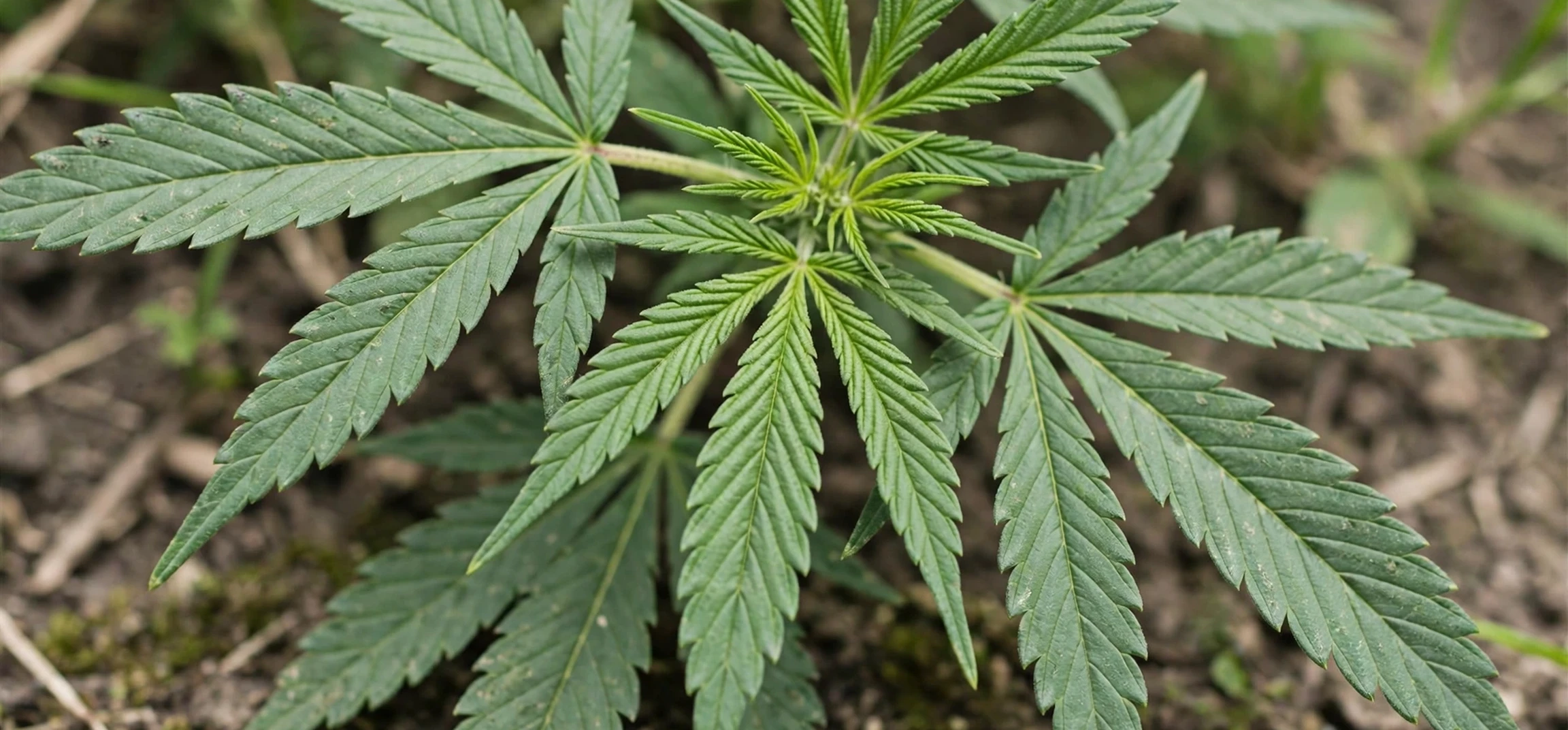
If you have ever read a news article, a history book, or a science summary and wondered about the different words for weed, you have met a topic where language varies a great deal by place, time, and context. The plant most often meant by the word weed in this context is cannabis, and it has accumulated many names over centuries, from formal botanical terms to regional slang, from legal language to older historical words that are rarely used today. This guide explains the different words for weed as terminology only, in a neutral, educational way. It does not provide instructions for obtaining, using, or growing the plant, and it does not offer any advice about it. Its purpose is simply to help readers understand what writers mean when they use different terms.
Understanding the different words for weed matters because the same plant can be described very differently depending on who is writing. A botanist will use a scientific name. A lawmaker will use a legal term defined in a statute. A historian will use the words that were common in a particular era. A novelist may use slang to give a character a particular voice or setting. When readers know which kind of word they are seeing, they can judge the source more accurately, and they are less likely to be confused when two articles about the same plant seem to be talking about different things.
Different Words for Weed: Botanical and Formal Terms
The most formal way to refer to the plant is by its botanical name, cannabis. In scientific writing, cannabis is treated as a genus, a group of closely related plants, and different varieties within that genus are described with additional names that reflect their characteristics and origins. Botanical writing is precise, and it avoids the ambiguity of slang, which is why researchers, textbooks, and medical literature prefer it. When you see the word cannabis in a science or health article, it is usually being used in this formal, botanical sense.
Another formal term is marijuana, spelled in some sources as marihuana, an older spelling that appears in historical legal documents. The word entered English from Spanish, and it became widely used in North America in the twentieth century, especially in legal and newspaper writing. Today, marijuana is still used in law and in public policy discussion in many places, although some writers prefer cannabis because they consider it more neutral and more scientific. Both words, in general usage, refer to the same plant, but the choice between them often signals the context: legal and historical writing leans toward marijuana, while scientific writing leans toward cannabis.
Hemp is a related term that causes frequent confusion, so it is worth explaining carefully. In general usage, hemp refers to varieties of the cannabis plant that are grown for fibre, seed, or other industrial purposes, rather than for the flowering parts most often discussed in drug-related contexts. Legally, the distinction between hemp and other cannabis varieties is defined differently in different jurisdictions, usually by a chemical threshold. That legal detail varies, and this guide does not summarise the law of any particular place. The terminology point is simpler: when a writer says hemp, they usually mean the plant in an industrial or agricultural context, not the same discussion as when they say marijuana.
Different Words for Weed in History and Culture
Historically, the different words for weed include terms that were common in particular decades and places, but that are now dated or rare. In early twentieth-century writing, for example, readers may meet words such as reefer, a term that appeared in popular culture and in newspaper reports of the era, and that later became associated with a particular style of sensational reporting. In other periods, words such as grass, pot, and herb became widely recognised in informal English. These are slang terms, and their tone is informal. They are best understood as cultural vocabulary, useful for reading older books, films, and songs, rather than as terms for formal writing.
Regional variation is also important. In the United Kingdom, for example, informal terms have included skunk, originally a name for a particular strong-smelling variety, which later became used more loosely in everyday speech. In other English-speaking regions, terms such as bud, referring to the flowering part of the plant, and flower, used in a similar way, appear in retail and informal discussion where such discussion is lawful. In some Caribbean and African contexts, the word ganja, from Hindi, has a long history and appears in music, literature, and cultural discussion. Each of these words carries its own history, and none of them is a precise scientific term.
Cultural references have spread many of these words far beyond their place of origin. Music, film, and comedy have carried slang terms into general awareness, so a reader may recognise a word without knowing its exact origin or its original context. That is normal for slang. Slang travels through popular culture faster than formal language does, and it often loses precision as it travels. A word that once named a specific variety may end up being used for the plant in general, and a word that once belonged to one community may end up being used widely, with its original meaning blurred.
Why So Many Words Exist
There are several reasons why one plant has so many names. First, it has been known to many cultures over a long period, and each culture named it in its own language. Second, it has been used, discussed, and regulated in very different contexts, from agriculture to medicine to law, and each context developed its own vocabulary. Third, slang changes quickly, and new informal words appear while older ones fade, so the informal vocabulary at any moment is a snapshot of a particular time and place. Together, those factors produce a rich, but sometimes confusing, set of terms.
Different Words for Weed in Law and Policy
Legal writing uses terminology with particular care, because a legal term has a definition that matters in court and in regulation. In many statutes, the plant is defined by its botanical name, with additional detail about which parts of the plant, and which chemical compounds, fall within the definition. Legal documents may also use terms such as cannabis product, cannabis plant, or controlled substance, depending on the law in question. Those phrases are not slang. They are working definitions, and their exact meaning depends on the statute that uses them.
Policy writing often uses a mix of formal and general terms. A government report may use cannabis as its main term, while also mentioning marijuana when quoting older laws or public discussion. A health agency may use cannabis in its guidance, and may add a note explaining that the public often uses other words for the same plant. That note is helpful, because it bridges the gap between formal language and everyday language, and it helps readers who arrive at a policy document after hearing a different word in the news.
Readers should be cautious about assuming that a legal term means the same thing everywhere. Laws differ by country, and within some countries, by region. A word that is defined one way in one jurisdiction may be defined differently, or not used at all, in another. This guide therefore treats legal terms as examples of terminology, not as a summary of any law. If you need to understand the law in a particular place, consult an official source for that jurisdiction, or a qualified legal professional, rather than relying on general terminology guides.
Different Words for Weed in Science and Health Writing
Scientific and health writing prefers precise terms, and it usually avoids slang except when quoting or explaining popular usage. A research paper will use cannabis, and it will specify the variety, preparation, or compound being studied, because precision matters for understanding results. Health information written for the public may use cannabis as its main term, and may mention a common alternative in brackets on first use, so readers can connect the formal term with the word they have heard elsewhere. That practice is a good model for clear writing on any technical topic.
Science writing also distinguishes between the plant, its parts, and its chemical compounds. The plant as a whole is one thing. Its flowers, leaves, and seeds are parts of it, and they are sometimes named separately. Its chemical compounds, such as the cannabinoids studied in research, are another level again, and they have their own scientific names. Keeping those levels apart prevents a common confusion, where a word for a part of the plant is mistaken for a word for the whole plant, or where a word for a compound is mistaken for a word for the plant itself.
For general readers, the practical lesson is to look for the level of language being used. If an article uses a botanical name and specifies a compound, it is likely a scientific discussion. If it uses slang, it is likely a cultural, historical, or informal discussion. If it uses a legal phrase, it is likely discussing regulation or policy. Recognising the register, formal, informal, legal, or scientific, is often more informative than memorising a long list of synonyms.
Different Words for Weed at a Glance
The table below groups the different words for weed by the kind of writing in which they most often appear. It is a terminology map, not a recommendation to use any particular word. In formal writing, the botanical and legal terms are the safest choice. In historical or cultural writing, slang terms may be appropriate when they are quoted or explained, because they show how people actually spoke at the time.
| Kind of term | Examples | Where you will usually see it |
|---|---|---|
| Botanical and formal | Cannabis | Science, textbooks, health information |
| Legal and policy | Marijuana, cannabis product | Statutes, government reports, policy discussion |
| Industrial and agricultural | Hemp | Fibre, seed, and industrial contexts |
| Historical slang | Reefer | Early twentieth-century writing and popular culture |
| Informal slang | Grass, pot, herb | Informal speech, novels, films, and songs |
| Regional and cultural | Ganja, skunk | Regional speech, music, and cultural writing |
| Part of the plant | Bud, flower | Informal and retail discussion, where lawful |
Frequently Asked Questions About Words for Weed
What are the different words for weed in formal writing?
In formal writing, the different words for weed are usually cannabis and, in legal contexts, marijuana. Cannabis is the preferred term in science and health writing, while marijuana appears more often in older laws and in policy discussion. When you are writing formally, cannabis is generally the clearest and most neutral choice.
What are the different words for weed, and is weed the same as cannabis?
In general usage, the different words for weed include weed itself as an informal term for cannabis. Weed is a slang word, not a botanical term, and it is used loosely in everyday speech. Cannabis is the formal name for the plant. The two words usually point to the same plant in conversation, but they belong to different registers, informal and formal.
What are the different words for weed, and where does hemp fit in?
Among the different words for weed, hemp stands apart because it usually refers to varieties grown for fibre, seed, or industrial purposes. The legal line between hemp and other cannabis varieties is defined differently in different places, so readers should not assume a single universal definition. The terminology point is that hemp signals an agricultural or industrial context.
What are the different words for weed, and why do writers use different ones?
Writers use different words for weed because they write in different contexts: science, law, history, culture, and everyday speech each have their own vocabulary. A botanist, a lawmaker, a historian, and a novelist may all describe the same plant, but they will choose words that fit their audience and purpose. Recognising the context is the key to understanding which word you are seeing.
For related plain-language terminology guides, see this explanation of blood test meanings and this guide to medical abbreviations. Both show the same principle at work: formal terms, abbreviations, and everyday words can all describe the same topic, and knowing the register helps you read accurately.
Conclusion: Words for Weed, Understood in Context
The different words for weed form a wide vocabulary, from the formal term cannabis, through the legal term marijuana, to industrial hemp and a long list of historical and regional slang. No single word tells the whole story, because each word belongs to a context, a time, and a community. The clearest way to read them is to ask three questions: who is writing, in what kind of document, and in what era? Those questions usually reveal why a particular word was chosen.
For your own writing, prefer formal terms unless you have a clear reason to quote slang or historical language. For your reading, treat slang as a clue to culture and history, and treat formal and legal terms as clues to precision and definition. With that approach, the different words for weed become less confusing and more interesting, a small map of how language, science, law, and culture have all described the same plant in different ways over time.



