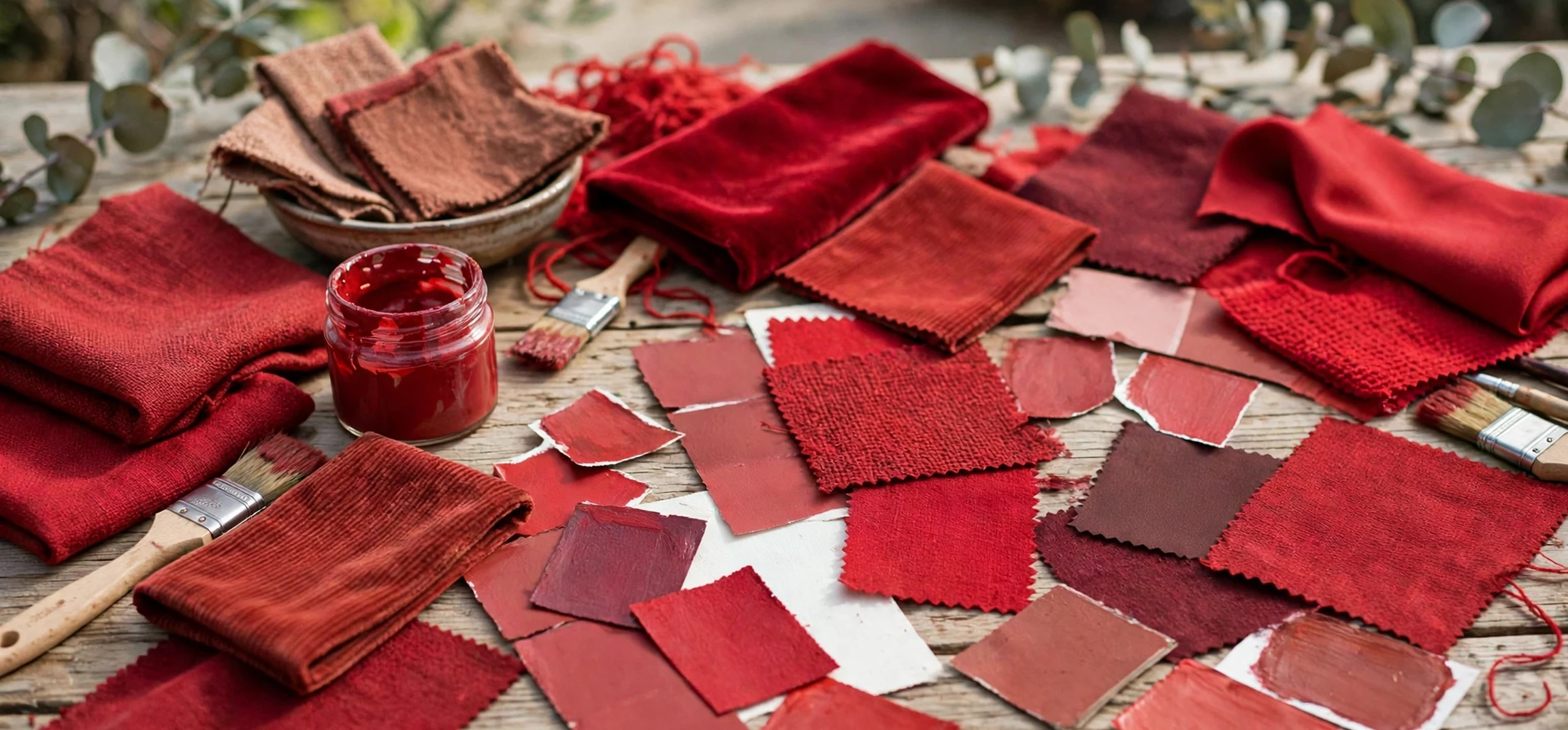
When writers, designers, and painters look for red other names, they are usually chasing a more precise word than plain red: a name that captures whether the colour is warm or cool, bright or muted, natural or artificial, romantic or alarming. Red is one of the oldest colour words in English, and it covers an enormous range, from the pale blush of a rose petal to the deep, almost black tone of dried blood, and from the orange-leaning glow of a sunset to the blue-leaning richness of wine. This guide collects red other names by family, explains what each shade suggests, and shows how to choose the right synonym for writing, design, branding, and everyday description, without needing a paint chart in front of you.
The reason red other names matter is that red itself does so many jobs. It signals danger on a warning sign, love on a Valentine’s card, appetite on a restaurant logo, and authority on a ceremonial robe, and the shade changes the message completely. A bright scarlet feels energetic and attention-grabbing, while a deep burgundy feels restrained and expensive. A soft coral feels friendly and summery, while a dark maroon feels formal and academic. Learning the vocabulary of red, therefore, is not just a parlour game for word lovers; it is a practical tool for anyone who writes product descriptions, chooses a colour palette, or wants a character’s dress, car, or sunset to appear vividly in a reader’s mind.
red other names: Bright and Vivid Shades
At the bright end of the spectrum, red other names include scarlet, crimson, vermilion, and cherry. Scarlet is a brilliant, slightly orange-leaning red, historically associated with robes of office, military uniforms, and dramatic flourishes; in writing it suggests boldness, passion, and visibility, which is why a scarlet dress or a scarlet letter carries such symbolic weight. Crimson is a strong, deep red with a slightly blue or purple leaning, often used for academic gowns, ceremonial fabrics, and rich descriptions of flushed cheeks or autumn leaves. Vermilion is a vivid, orange-red pigment name, originally from a mineral pigment, and it suits descriptions of paint, pottery, and sunsets where the red leans unmistakably toward orange.
Cherry is a brighter, fruit-derived name that feels fresh and playful, often used for lipstick shades, car paint, and youthful fashion. Ruby, borrowed from the gemstone, suggests a clear, sparkling red with depth, and it works well for jewellery, wine descriptions, and luxury branding. Flame and fire-engine red are informal, descriptive names that emphasise brightness and urgency, and they are useful when you want a reader to picture a colour that cannot be ignored. Each of these names tells the reader something about temperature and intensity, not just hue, and that extra information is what makes a synonym valuable.
In design, bright reds are used sparingly because they dominate a page or a room. A scarlet accent on a neutral background draws the eye immediately, which is ideal for a call to action, a sale banner, or a warning, but a whole wall of scarlet can feel overwhelming. Writers face the same trade-off: one vivid red word in a paragraph lands powerfully, while every object described as scarlet quickly loses its force. Use bright red other names for the single detail you most want the reader to notice.
red other names: Deep and Dark Shades
Deep red other names include burgundy, maroon, wine, oxblood, and garnet. Burgundy takes its name from the wine region of France, and it describes a dark, purplish red that feels sophisticated and restrained; it is a favourite for suits, leather goods, wedding palettes, and branding that wants to suggest heritage without shouting. Maroon is a dark, brownish red, named after the French word for chestnut, and it is associated with universities, sports teams, and formal uniforms, where it reads as serious and traditional. Wine is a broader, intuitive name for a dark red that resembles red wine in a glass, and it works well in everyday speech when a more technical term would feel stiff.
Oxblood is a very dark, brownish red, almost black in low light, named for the colour of ox blood, and it has become a fashion term for shoes, bags, and leather jackets that want to look expensive and understated. Garnet, from the gemstone, is a deep red with a hint of purple or brown, and it suits jewellery and rich fabric descriptions. Brick is a muted, earthy red, the colour of fired clay bricks, and it is useful for buildings, pottery, and rustic interiors where the red should feel natural and grounded rather than glamorous. These darker names share a quality: they slow the reader down, suggesting weight, age, and substance.
Dark reds are also the most forgiving in design, because they pair well with cream, grey, gold, navy, and forest green without clashing. A burgundy sofa, a maroon blazer, or a wine-coloured front door all read as confident choices rather than loud ones. In writing, dark red words are useful for autumn landscapes, old books, wine cellars, and evening scenes, where the light is low and colours deepen naturally. They also carry emotional associations with maturity, memory, and quiet intensity, which brighter reds cannot convey.
Choosing Between Burgundy, Maroon, and Wine
Writers often hesitate between these three close cousins. As a rule of thumb, burgundy leans purple, maroon leans brown, and wine sits between them, closer to what you see in a glass of red wine. If you picture a university scarf, maroon is often the right word; if you picture an elegant evening dress, burgundy may fit better; if you are describing something in conversation, wine is the most immediately understood. The differences are subtle, and readers will forgive a close choice, but picking the leaning that matches your image makes the description sharper.
Red Other Names: Soft, Warm, and Pink-Leaning Shades
Soft red other names include coral, salmon, rose, blush, and terracotta. Coral is a warm, pinkish orange-red, named after coral reefs, and it feels summery, friendly, and coastal; it is popular for swimwear, beach-house interiors, and spring fashion. Salmon is a lighter, pinkish orange, named after the fish, and it suggests softness and warmth without the intensity of true red. Rose is a medium pink-red, named after the flower, and it covers everything from a pale rose blush to a deeper rose red; it is one of the most versatile colour words, suitable for flowers, fabrics, cosmetics, and romantic description.
Blush is a very pale, pinkish red, the colour of a flushed cheek, and it is used for delicate fabrics, wedding palettes, and makeup where the effect should be subtle. Terracotta is an earthy, orange-brown red, named after baked clay, and it feels Mediterranean, rustic, and handcrafted; it suits pottery, roof tiles, and warm interiors. Rust is a brownish orange-red, the colour of oxidised iron, and it is useful for autumn leaves, vintage metal, and industrial design where the red should feel weathered rather than fresh. These softer names expand red’s range into territory that plain red cannot reach, because they borrow associations from nature, food, and craft.
Colour vocabulary in general rewards this kind of borrowing: names taken from flowers, fruit, minerals, and places are easier to picture than abstract codes. Readers who enjoy colour words may also like guides to other colour families, such as the names of different blue colours, which show the same pattern of gemstone, flower, and place names giving a familiar colour a more precise identity. The meanings attached to colours in other contexts show how a shade can also carry symbolic or diagnostic associations, and the colours of the Mexican flag illustrate how red, white, and green together carry national meaning far beyond decoration.
| Family | Red other names | Feeling and best use |
|---|---|---|
| Bright and vivid | Scarlet, crimson, vermilion, cherry, ruby | Bold, energetic, attention-grabbing; accents and dramatic description |
| Deep and dark | Burgundy, maroon, wine, oxblood, garnet | Sophisticated, formal, mature; evening wear, branding, interiors |
| Soft and warm | Coral, salmon, rose, blush, terracotta | Friendly, summery, romantic; weddings, spring fashion, coastal design |
| Earthy and muted | Brick, rust, sienna, chestnut-red | Natural, rustic, grounded; pottery, autumn, architecture |
| Unusual and poetic | Carmine, cochineal, madder, alizarin | Artistic, historical, pigment-based; art writing and heritage crafts |
Red Other Names: Synonyms and Poetic Words for Writers
Beyond shade names, red other names include general synonyms that writers use when they want to avoid repeating the word red. Carmine is a rich, slightly purplish red pigment name, historically made from cochineal insects, and it carries an artistic, old-master feeling. Madder and alizarin are dye names from the madder plant, used for textiles and painting, and they suit historical fiction and craft writing. Sanguine literally means blood-red, from the Latin for blood, and it also carries a secondary meaning of cheerful optimism, which makes it a word to use carefully, since readers may take either sense.
Other poetic options include ruby-red, blood-red, flame-red, and rose-red, compounds that combine red with a vivid noun to make the image concrete. A blood-red sunset, a ruby-red wine, or a rose-red dress each give the reader an object to picture, which is more memorable than an abstract shade name alone. The technique works because colour perception is tied to familiar things: we know what a ruby looks like, what blood looks like, and what a rose looks like, so the compound word imports that knowledge instantly. Good colour writing, in other words, is often object writing in disguise.
Thesaurus-style lists of red synonyms also include words such as rubicund, which describes a ruddy complexion, and florid, which describes a flushed, reddish face, though both are better reserved for describing people than objects. When choosing a synonym, ask whether the word describes the colour, the object, or the person’s reaction to it, and pick the one that matches your sentence’s focus. A character’s face can be flushed, a dress can be scarlet, and a sunset can be vermilion, but swapping those words around will sound wrong even if the hue is similar.
Frequently Asked Questions About Red Other Names
What is another name for the colour red?
Common alternatives include scarlet, crimson, ruby, burgundy, and cherry, with the best choice depending on whether the red is bright, deep, or soft.
What is the difference between scarlet and crimson?
Scarlet is a bright red that leans slightly orange, while crimson is a strong red that leans slightly purple; scarlet feels bolder and warmer, crimson feels richer and cooler.
What do you call a dark red colour?
Dark reds are often called burgundy, maroon, wine, oxblood, or garnet, with burgundy leaning purple and maroon leaning brown.
What is a soft red called?
Soft reds include coral, salmon, rose, and blush, all of which mix red with pink or orange to reduce its intensity.
Conclusion
Red other names give writers and designers a way to be precise about a colour that plain red leaves vague. Bright names such as scarlet, crimson, and vermilion convey energy, deep names such as burgundy, maroon, and wine convey sophistication, and soft names such as coral, rose, and blush convey warmth. The right choice depends on the object, the light, and the feeling you want the reader or viewer to take away, and the best way to learn the vocabulary is to notice which names appear on paint charts, fabric labels, and wine lists, and to test them in your own descriptions. With this guide’s families and table as a reference, the next time you need a word for red, you will have a whole palette to choose from rather than a single, overworked colour word.



