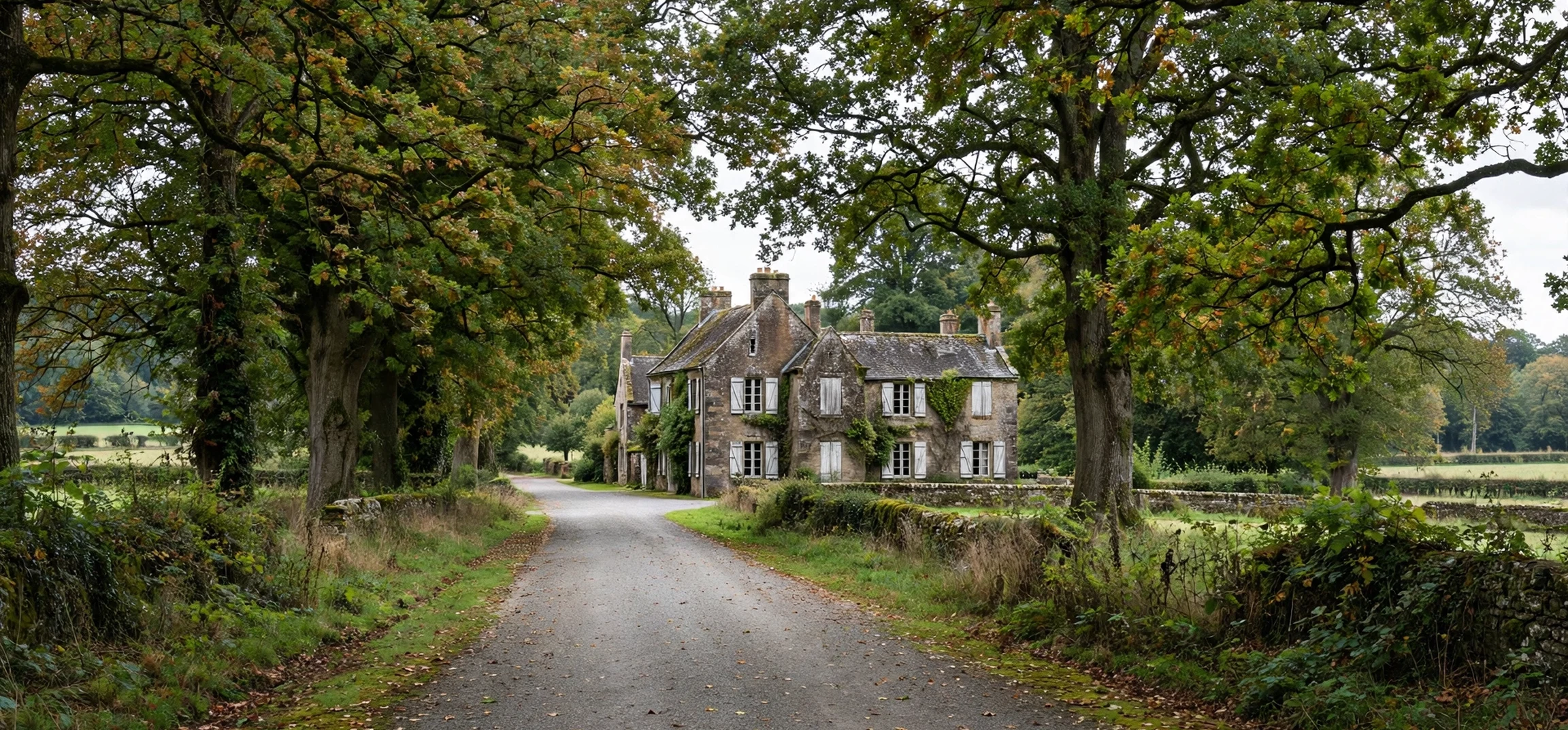
If you have come across the word in a history book, a legal document, or a discussion of culture and heritage, you may be asking what does patrimony mean in plain English. At its simplest, what does patrimony mean is answered like this: patrimony is property, heritage, or tradition inherited from one’s father or ancestors, and by extension, anything passed down through generations as part of a family’s or a nation’s inheritance. The word carries a sense of something received rather than something newly created, whether that is land, a title, a craft, a language, or a set of cultural treasures. This guide explains what does patrimony mean, where the word comes from, how it is used in law, culture, and everyday speech, and how it differs from similar words such as heritage, legacy, and inheritance.
Patrimony sounds formal, and that formality is part of its character. It is not a word most people use for everyday possessions. You would not usually describe a newly bought phone as patrimony, but you might describe a centuries-old family estate, a national museum collection, or a traditional craft passed from master to apprentice as part of a people’s patrimony. The word suggests depth, continuity, and responsibility: what is inherited is also something to be looked after and passed on in turn. Understanding that tone helps you recognise when patrimony is the right word and when a simpler word such as inheritance would fit better.
What Does Patrimony Mean? The Core Definition
The dictionary definition of patrimony centres on inheritance from ancestors. Historically, the word pointed specifically to inheritance from a father, because in many older legal systems property and titles passed through the male line. In modern usage, that narrow sense has broadened considerably. Today, patrimony can refer to anything inherited from ancestors in general, regardless of which parent it came from, and it is frequently used for collective inheritance: the cultural, historical, and natural treasures that a community or nation receives from previous generations.
That broadened meaning is why you will see patrimony in discussions of world heritage, where a historic city centre, an ancient monument, or a traditional art form is described as part of a nation’s patrimony. The point is not ownership in a narrow legal sense, but stewardship. A nation’s patrimony belongs, in a cultural sense, to its people as a whole, and the present generation is expected to protect it for the next. When you ask what does patrimony mean in that context, the answer is less about a single person’s will and more about a shared inheritance that defines identity.
The Latin Roots of Patrimony
Patrimony comes from Latin roots meaning father and the condition of being a father, combined into a word for a father’s estate or inheritance. That origin explains both the word’s formal tone and its original male-line association. English borrowed the word centuries ago, and related words in other European languages carry similar meanings, which is why patrimony appears in international heritage discussions where a shared Latin root makes the concept recognisable across languages.
Patrimony, Heritage, and Legacy Compared
Heritage is the closest everyday synonym, and the two words overlap heavily, but heritage is broader and more informal, covering anything valued from the past, including ideas and memories. Legacy is also close, but it often points to the lasting effect or reputation someone leaves behind, rather than to physical property. Inheritance is the most legal and practical of the group, referring to assets actually received under a will or by law. Patrimony sits at the formal, collective end of this family: it suggests an inheritance with cultural or historical weight, not just a sum of money.
What Does Patrimony Mean in Law and Property?
In legal language, patrimony can describe the total set of a person’s assets and liabilities, or the estate that a person holds and can pass on. In some legal traditions, particularly those influenced by Roman law and French civil law, patrimony is a technical term for the whole body of rights and obligations belonging to a person. That technical use is more precise than the everyday cultural use, and it appears in legal textbooks and court discussions rather than in casual conversation. If you meet patrimony in a legal text, check whether the surrounding passage is using it in that technical sense or in the broader heritage sense, because the two uses are related but not identical.
In older English contexts, patrimony could also refer to church property or to an endowment that supported a religious institution, reflecting the idea of property held in trust for a continuing purpose rather than for personal consumption. That historical use has largely faded, but it reinforces the theme that runs through all uses of the word: patrimony is property with a past and a future, held for a time by one generation and destined for the next. It is not simply wealth to be spent, but an estate to be managed.
| Context | What patrimony means there | Example |
|---|---|---|
| Family history | Property and traditions inherited from ancestors | A family home passed through generations |
| National culture | Shared cultural and historical treasures | Historic monuments and traditional crafts |
| Law | A person’s total assets and obligations | An estate described in a legal textbook |
| Church history | Property held to support an institution | A historic endowment for a cathedral |
| Everyday speech | A formal word for inheritance or heritage | Describing a treasured family tradition |
Patrimony in Culture, History, and Everyday Speech
In cultural writing, patrimony is often used to argue for protection. When a historic building is threatened, campaigners may call it part of the national patrimony to emphasise that its loss would affect everyone, not just its current owner. When a traditional language or craft is at risk, describing it as patrimony frames it as an inheritance that, once lost, cannot be recreated from scratch. That rhetorical power is one reason the word remains in use despite its formality: it carries moral weight that simpler words sometimes lack.
In everyday speech, patrimony is rarer and more deliberate. A writer might use it to give a sentence a sense of gravity, or a speaker might use it in a formal address about national identity. Using it casually for ordinary possessions can sound exaggerated, so it is best reserved for things that genuinely have historical, cultural, or family significance. For other formal word meanings explained in the same style, see the guide to contestation meaning, the guide to alluded meaning, and the guide to aloft meaning.
Examples of Patrimony in Sentences
Seeing the word in sentences makes its tone clearer. A historian might write that a city’s old libraries form part of its cultural patrimony. A family memoir might describe a grandmother’s recipes as a humble but precious patrimony. A legal scholar might discuss the patrimony of a person as the sum of their rights and debts. In each case, the word points backward to ancestors and forward to heirs, and that double direction is the heart of its meaning.
Is Patrimony Still About Fathers Only?
No, not in modern general use. Although the etymology points to fathers, contemporary writers use patrimony for inheritance from ancestors of any kind, and for collective heritage that belongs to a whole community. Using it today does not imply that only fathers pass things on. The historical root is interesting, but it does not limit the modern meaning, just as the word’s formality does not prevent it from describing warm, personal family traditions.
Frequently Asked Questions
What does patrimony mean in one sentence?
Patrimony means property, heritage, or tradition inherited from ancestors, especially when it carries cultural or historical significance and is meant to be preserved for future generations.
Is patrimony the same as inheritance?
They overlap, but inheritance is the broader legal term for anything received from someone who has died, while patrimony emphasises ancestral, cultural, or historical weight and the duty to preserve what was received.
Can patrimony be intangible?
Yes. Patrimony can include intangible things such as languages, crafts, stories, music, and traditions, not only land, buildings, and objects.
Why is patrimony used for national treasures?
Because national treasures are understood as a shared inheritance. Calling them patrimony stresses that they belong to the people as a whole and should be protected for future citizens.
Is patrimony a common word?
It is a formal word, common in history, law, and heritage writing, but less common in everyday conversation, where heritage or inheritance is usually preferred.
What Does Patrimony Mean in Modern Writing?
In modern writing, when an author asks what does patrimony mean for a community today, the answer usually goes beyond old estates and titles. Modern authors use patrimony to describe shared cultural wealth: the songs, stories, recipes, buildings, and landscapes that a community inherits and hopes to pass on. A local festival can be described as patrimony, a regional dialect can be described as patrimony, and a historic neighbourhood can be described as patrimony, because each of these is received from earlier generations and valued by the present one. So if you wonder what does patrimony mean in a newspaper article about heritage protection, it most likely means that shared inheritance, and the article is arguing that it deserves care.
That modern sense also explains why the word appears so often in debates about returning cultural objects to their place of origin. Advocates argue that such objects are not merely art or property, but part of a people’s patrimony, and therefore belong with the community that created them. Critics may dispute a particular claim while still accepting the general idea, which shows how flexible the word has become. Asking what does patrimony mean in such a debate is therefore a good starting point, because it forces everyone to clarify whether they mean legal ownership, cultural identity, historical stewardship, or all three at once. Used carefully, the word helps those conversations stay focused on what is inherited, why it matters, and who should look after it next.
Quick recap: if someone asks you what does patrimony mean, you can now answer confidently. The question what does patrimony mean points to inheritance from ancestors, and what does patrimony mean in culture points to shared heritage worth protecting. Remember that what does patrimony mean in law can be more technical, while what does patrimony mean in everyday speech is usually simply heritage with a formal tone. So whenever you hear what does patrimony mean again, think of something received from the past, valued today, and preserved for tomorrow.
Conclusion
So, what does patrimony mean? It means an inheritance from ancestors that carries weight beyond its market value, whether that is a family estate, a national monument, a traditional craft, or a body of legal rights and obligations. Its Latin roots explain its formal tone and its original connection to fathers, but its modern use is broader, covering any ancestral or collective heritage that the present generation holds in trust for the next. When you meet the word again, look for that sense of continuity: something received from the past, valued in the present, and preserved for the future. That is patrimony, and that is why, despite its old-fashioned sound, it remains a useful word for talking about what we inherit and what we owe to those who come after us.