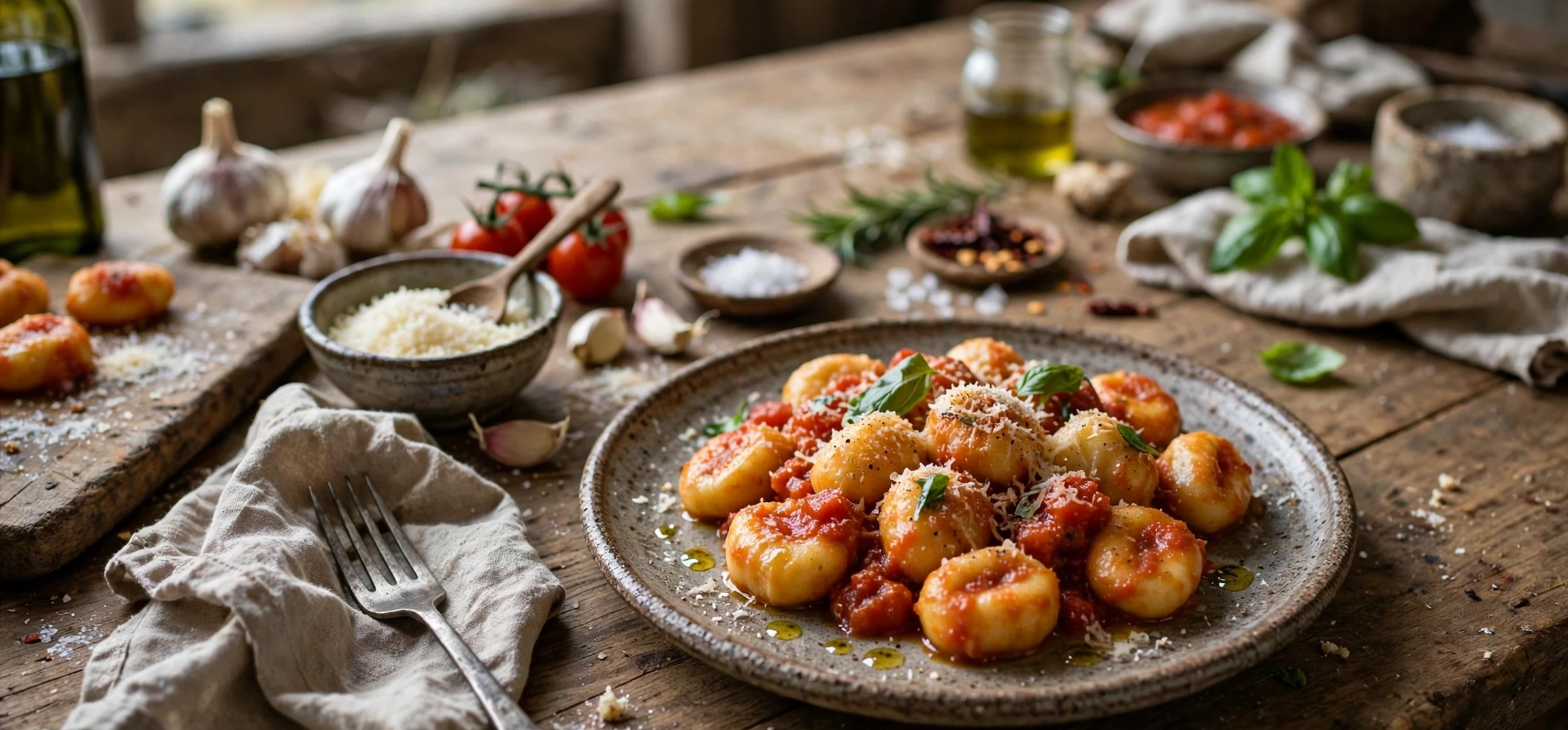
If you have ever eaten soft, pillowy dumplings made from potato and flour and wondered what they are called, the answer to the potato pasta name question is usually gnocchi. Gnocchi are the best-known potato pasta, a traditional Italian food made by combining mashed potato with flour and, in many recipes, egg, then shaping the dough into small dumplings and cooking them briefly in boiling water. This guide explains the potato pasta name in full, explores how gnocchi differ from other pastas, looks at regional varieties and similar potato dishes from around the world, and gives practical cooking guidance for making and serving potato pasta at home.
The potato pasta name question is common because gnocchi sit in an interesting place between pasta and dumplings. In Italian cooking, gnocchi are often grouped with pasta because they are served in similar ways: tossed with sauce, topped with cheese, or served as a first course. In other food traditions, similar foods are called dumplings, because they are shaped pieces of dough cooked in water or broth. Both descriptions are reasonable, and the name you use often depends on context. In a restaurant menu, you will usually see gnocchi listed with pasta; in a general cookbook, you may find them in a dumpling chapter. Understanding that overlap in the potato pasta name prevents confusion when you search for recipes.
Potato pasta is also a good example of how a simple ingredient can become many different foods. Potato, flour, and a little salt can become soft gnocchi, crisp pan-fried dumplings, hearty soups, or baked dishes, depending on shaping, cooking, and sauce. The sections below start with the classic answer, then explain ingredients, techniques, sauces, and variations, so you can recognise the potato pasta name on menus, cook it confidently, and enjoy it in several different styles.
Potato Pasta Name: What Is It Called?
The most widely used potato pasta name is gnocchi, pronounced NYOK-ee in Italian, with the singular form gnocco for a single piece. The word has a long history in Italian food, and it is used for several kinds of small dumplings, not only potato versions. Potato gnocchi, sometimes written as gnocchi di patate, are the version most people mean when they ask about potato pasta. They are soft, light when made well, and mild in flavour, which makes them an excellent carrier for sauces ranging from simple butter and sage to rich tomato, creamy cheese, or fresh pesto.
It helps to know that gnocchi are not the only potato dumplings in the world, and they are not the only food that could be described as potato pasta. Other cultures have their own potato dumplings, noodles, and dough dishes, and some of them are discussed later in this guide. When someone asks for the potato pasta name in general, however, gnocchi is the answer that will be understood in most restaurants, cookbooks, and food shops. If you want to be precise, say potato gnocchi, which makes clear that you mean the potato version rather than a version made with ricotta, semolina, or another base.
Another point of confusion is spelling. You may see gnocchi spelled with one c, or hear it pronounced in several ways in English-speaking countries. The standard Italian spelling is g-n-o-c-c-h-i, and that spelling is the one to use when searching for recipes or ordering in a restaurant. Using the correct spelling also helps when shopping: packets labelled gnocchi in a supermarket are usually the potato version, although it is always worth checking the ingredients list, which should show potato as a main ingredient.
Potato Pasta Name: Ingredients and Texture
Classic potato gnocchi use a short ingredient list: potatoes, flour, egg, and salt. The potatoes are usually baked or boiled until tender, then mashed while warm and combined with flour to form a soft dough. Egg helps bind the dough in many recipes, although some traditional and vegan versions omit egg and rely on careful flour balance instead. The goal for any potato pasta name recipe is a dough that holds its shape but remains tender, not tough or heavy. That balance is the secret of good gnocchi, and it is why recipes often warn against adding too much flour.
Texture is what separates excellent potato pasta from disappointing potato pasta. Well-made gnocchi feel pillowy and light, with a slight bite that holds sauce without falling apart. Heavy, dense gnocchi usually result from overworking the dough, using too much flour, or using watery potatoes. Choosing the right potato helps: floury potatoes, which mash dry and fluffy, are generally preferred over waxy potatoes, which can make dough sticky. Baking potatoes rather than boiling them can also reduce water content, giving you more control over the dough. These small choices make a noticeable difference, and they are worth learning even if you buy ready-made gnocchi most of the time.
Shaping is part of the tradition as well. Gnocchi are often rolled into ropes, cut into small pieces, and pressed lightly with a fork or a gnocchi board to create ridges. Those ridges are not merely decorative; they help sauce cling to each piece. Some cooks leave gnocchi smooth for a simpler style, and that is perfectly acceptable, especially for soups or baked dishes. The potato pasta name stays the same either way, because the name describes the food, not the exact ridge pattern.
How to Cook Potato Pasta Properly
Cooking potato pasta is quick, but it rewards attention. Bring a large pan of salted water to a gentle boil, add gnocchi in batches so the pan does not become crowded, and watch for them to float to the surface. Floating usually means they are nearly cooked, and a short additional time — often a minute or less — finishes them. Lift them out with a slotted spoon rather than tipping the whole pan into a colander, which can break delicate pieces. If you are tossing gnocchi with sauce, transfer them directly into the warm sauce pan and toss gently, so each piece is coated without being crushed.
Pan-frying is a popular second step. After boiling, gnocchi can be fried in butter or olive oil until golden and slightly crisp on the outside while remaining soft inside. This method works especially well with sage, garlic, and grated hard cheese, and it gives potato pasta a contrast of textures that many people love. Baked gnocchi are another excellent option: combine cooked gnocchi with tomato sauce and cheese in an oven dish, bake until bubbling, and serve as a comforting family meal. Each method starts from the same potato pasta name and the same basic food, but the eating experience is quite different — and the potato pasta name stays the same across all of them.
Ready-made gnocchi from a shop are convenient and can be very good, especially when made with a high proportion of potato. Check the packet for cooking time, because fresh, chilled, and dried versions differ. Fresh gnocchi cook fastest and are most delicate, while shelf-stable versions may need a little longer. In all cases, avoid overcooking, which makes gnocchi soft and gluey. A short cooking time, a gentle touch, and a well-seasoned sauce will produce a better result than a long boil, no matter which type you buy.
Potato Pasta Name Variations Around the World
While gnocchi are the classic potato pasta name, other countries have their own potato dumplings and noodles that are worth knowing. In Central and Eastern Europe, potato dumplings appear in many forms, often served with stews, roasted meats, or creamy sauces. In some traditions, grated raw potato is used; in others, mashed cooked potato forms the base, much like gnocchi. Names and shapes vary by region and language, but the idea is similar: potato dough shaped into small pieces and cooked until tender.
In parts of Asia, potato can appear in noodles and dumplings as well, although wheat, rice, and other starches are more common bases. Potato starch noodles, for example, are a different food from potato gnocchi, because they are made from starch rather than whole mashed potato, and they have a chewy, translucent texture. Keeping that distinction in mind helps when you explore world food: not every potato noodle is gnocchi, and not every dumpling with potato in it is potato pasta. The potato pasta name is most precise when it refers to gnocchi, while other names belong to their own traditions and should be respected as such.
Within Italy itself, there are regional variations of gnocchi. Some regions favour potato gnocchi, others favour ricotta gnocchi, and still others make gnocchi with pumpkin, spinach, or semolina. Sauces also vary by region: butter and sage in the north, tomato and basil in many central and southern kitchens, and cheese sauces in mountain areas. That regional variety is part of the pleasure of Italian food, and it means that ordering gnocchi in different places can give you different, equally authentic experiences. The potato pasta name remains a useful starting point, but the local version is what makes each meal memorable.
| Potato pasta or dumpling | Main base | Typical serving | Texture to expect |
|---|---|---|---|
| Potato gnocchi | Mashed potato and flour | Butter and sage, tomato, pesto, or cheese sauce | Soft, pillowy, light |
| Ricotta gnocchi | Ricotta cheese and flour | Light tomato or butter sauces | Very soft and delicate |
| Pan-fried gnocchi | Cooked potato gnocchi, then fried | Sage, garlic, and grated cheese | Crisp outside, soft inside |
| Baked gnocchi | Cooked potato gnocchi in sauce | Tomato sauce and melted cheese | Comforting, bubbling, hearty |
| Potato dumplings (general) | Potato dough, regional recipes | Stews, roasts, or creamy sauces | Hearty and tender, varies by region |
For more food and recipe reading on this site, see our recipe guides for home cooking, our healthy snack and recipe ideas, and our guide to Italian symbols and traditions, which gives cultural context for Italian food and design.
Potato Pasta: Sauces and Serving Ideas
Sauce choice can transform potato pasta, so it is worth thinking about balance. Because gnocchi are mild and soft, they pair well with sauces that are flavourful but not overpowering. Brown butter with fresh sage is a classic: melt butter until it turns golden and nutty, add sage leaves until crisp, toss with gnocchi, and finish with grated cheese and black pepper. Tomato sauce with garlic and basil is another classic, especially in summer when tomatoes are at their best. Creamy sauces with mushrooms, spinach, or cheese work well in colder months, when a richer meal feels comforting.
Pesto is also an excellent partner for potato pasta, because its fresh basil, garlic, and cheese flavours contrast nicely with soft gnocchi. Use pesto sparingly at first, toss gently, and add a little of the cooking water if the sauce needs loosening. For a lighter meal, serve gnocchi with roasted vegetables, a green salad, and a squeeze of lemon. For a heartier meal, add roasted mushrooms, wilted greens, or a simple bean stew. The potato pasta name may be Italian, but the serving ideas can be as varied as your kitchen and your tastes allow.
Portion guidance is simple: whatever potato pasta name you use, potato pasta is filling, so a moderate portion with vegetables and a salad often feels more satisfying than a very large plate of gnocchi alone. If you are cooking for children, smaller pieces and a mild sauce usually work best, while adults may enjoy bolder flavours such as chilli, garlic, or strong cheese. Leftovers should be cooled quickly, stored in the fridge, and reheated gently with a little sauce or water to restore softness. Avoid reheating gnocchi repeatedly, as they become soft and lose their pleasant texture.
Frequently Asked Questions About Potato Pasta
What is the potato pasta name?
The potato pasta name is gnocchi, and the potato version is often called potato gnocchi or gnocchi di patate. It is a traditional Italian dumpling made from potato and flour.
Is gnocchi pasta or a dumpling?
Both descriptions are used. Gnocchi are grouped with pasta in Italian cooking because they are served with sauces like pasta, but they are also dumplings because they are shaped pieces of dough cooked in water.
How do you pronounce gnocchi?
In Italian, gnocchi is pronounced NYOK-ee. English speakers use several pronunciations, but the Italian pronunciation is the standard to aim for.
Can I make potato pasta without egg?
Yes. Some recipes omit egg and rely on floury potatoes and careful flour balance. Egg helps bind the dough, so eggless versions need gentle handling and a little practice to get the texture right.
What sauce goes best with potato gnocchi?
Butter and sage, tomato and basil, pesto, and creamy cheese or mushroom sauces all work well. Choose a sauce that complements the soft, mild flavour of gnocchi rather than overwhelming it.
Conclusion
The potato pasta name you were looking for is gnocchi — specifically, potato gnocchi, soft dumplings made from mashed potato, flour, and usually egg, shaped into small pieces and cooked briefly until tender. They are called pasta in Italian cooking and dumplings in general food language, and both names capture something true about them. From classic butter and sage to tomato, pesto, and baked cheese versions, potato pasta is versatile, comforting, and surprisingly simple once you understand the importance of dry, floury potatoes and a light touch with flour. Whether you buy ready-made gnocchi or try making your own, you now know the name, the tradition behind it, and the techniques that make it taste its best.



