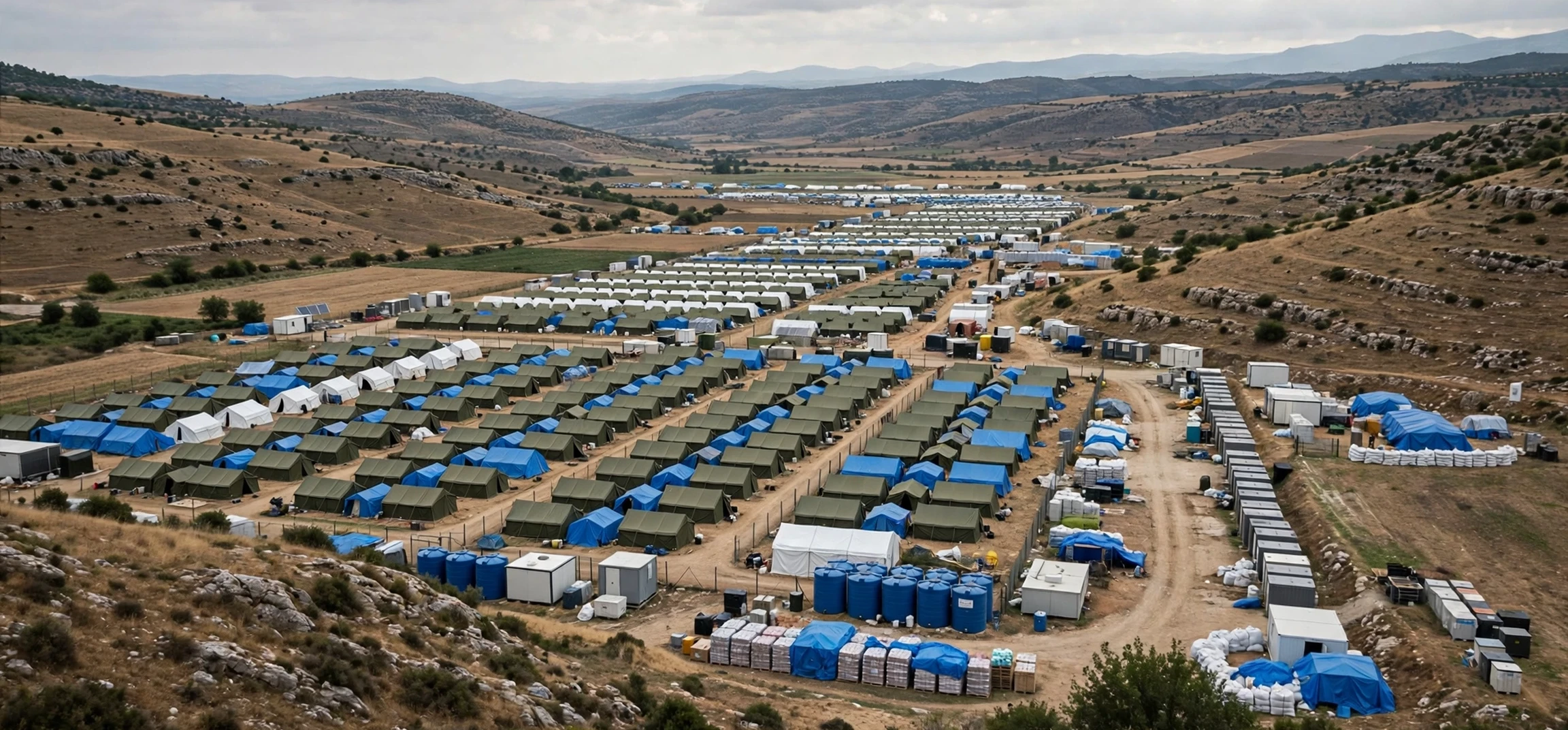
When people ask about the definition of refugee, they are usually asking for more than a dictionary entry. The definition of refugee is a legal and humanitarian concept that describes a person who has been forced to leave their home country because of a serious threat to their safety or freedom, and who cannot safely return. This guide explains the definition in clear terms, how it differs from related words such as asylum seeker and migrant, and why the precise wording matters.
The word refugee is used in everyday speech, in news reports, and in law, and those uses do not always match. In everyday speech, it may describe anyone who flees danger. In law, it has a narrower, specific meaning set out in international treaties. Understanding both uses, and knowing which one applies in a given context, helps readers follow news stories, policy debates, and humanitarian work with greater accuracy and fairness.
The Definition of Refugee in International Law
The most widely used legal definition comes from the 1951 Refugee Convention, a treaty adopted after the Second World War and later extended to apply worldwide. Under that convention, a refugee is a person who is outside their country of nationality, or their country of habitual residence if they have no nationality, and who is unable or unwilling to return because of a well-founded fear of being persecuted for reasons of race, religion, nationality, membership of a particular social group, or political opinion.
Each part of that definition matters. The person must be outside their home country, which is why people who flee danger but remain inside their own country are described differently, as internally displaced persons. The fear must be well-founded, meaning it is supported by evidence and circumstances rather than speculation alone. The fear must relate to one of the listed grounds, which is why not every person fleeing hardship qualifies under this particular legal definition, even when their situation is serious and deserving of sympathy.
Key Elements of the Legal Definition
Breaking the definition into elements makes it easier to understand. First, alienage: the person is outside their country. Second, inability or unwillingness to return: returning would expose them to the feared harm, or they cannot obtain protection from their own government. Third, persecution: the harm feared is serious, such as threats to life or freedom, and not merely difficult living conditions. Fourth, a causal link to a protected ground: the persecution is connected to race, religion, nationality, social group membership, or political opinion. Decision-makers examine each element when assessing a claim.
It is important to note that the convention definition is a minimum standard, and some regions have broader definitions. Certain regional agreements also cover people fleeing generalised violence, foreign aggression, or events seriously disturbing public order. These broader definitions reflect the reality that large-scale conflict can force people to flee even when individual targeting is hard to prove. The existence of broader regional rules does not change the core convention definition, but it shows how the concept has developed over time.
Refugee, Asylum Seeker, and Migrant: The Differences
Three words are often confused: refugee, asylum seeker, and migrant. An asylum seeker is a person who has applied for protection in another country and is waiting for a decision on whether they meet the refugee definition. A refugee, in the legal sense, is a person whose claim has been recognised, although the term is also used more broadly for people who clearly meet the definition even before a formal decision. A migrant is a broader term for a person who moves from one place to another, often for work, study, or family reasons, and it does not by itself imply forced flight or a need for protection.
The distinction matters because each status carries different rights and processes. An asylum seeker goes through an assessment procedure, during which their claim is examined and evidence is considered. A recognised refugee is granted a legal status that normally includes permission to remain, access to work, and protection from being returned to danger, a principle known as non-refoulement. A migrant moving voluntarily is governed by ordinary immigration rules rather than refugee protection law. Using the terms precisely avoids confusion in public debate.
| Term | Meaning | Status |
|---|---|---|
| Refugee | Person outside their country unable to return owing to a well-founded fear of persecution on a protected ground | Protection recognised under refugee law |
| Asylum seeker | Person who has applied for protection and awaits a decision | Claim under assessment |
| Internally displaced person | Person forced to flee home but remaining inside their own country | Not covered by the refugee definition, though often assisted |
| Migrant | Person who moves, often voluntarily, for work, study, or family | Governed by general immigration rules |
Why the Definition of Refugee Matters
The definition matters because it decides who receives international protection and what obligations states owe them. A person recognised as a refugee cannot lawfully be returned to a place where their life or freedom would be threatened, and host states take on responsibilities for their safety, basic rights, and integration. Without a shared definition, protection would depend entirely on each country’s discretion, and people in identical situations could face very different outcomes.
The definition also shapes humanitarian work. Aid agencies, governments, and charities use it to plan shelter, food, healthcare, and education for displaced populations. Statistics about refugees, which appear regularly in news reports, are based on this legal category, so understanding the definition helps readers interpret those figures correctly. A rise or fall in refugee numbers may reflect conflict, policy changes, or counting methods, and the definition is the anchor for all of those readings.
Common Misunderstandings About Refugees
One misunderstanding is that every person fleeing poverty or natural disaster automatically counts as a refugee under the convention definition. Poverty and disaster can cause terrible suffering and large movements of people, but the convention definition requires a link to persecution on a protected ground. People in those situations may still receive other forms of assistance or protection under different rules, but they are not refugees in the strict convention sense unless that link exists.
Another misunderstanding is that refugee status is a permanent label for a person’s identity. In law, it is a protection status tied to circumstances. If the situation in a home country changes fundamentally and safely, status may be reviewed, and some refugees eventually return home, settle permanently, or become citizens of a host country. The human experience of displacement is lasting, but the legal status is a tool for protection rather than a fixed identity. For related explanations of legal and general terms, see this guide to legally binding meanings and this explainer on meaning and definition in general use.
Frequently Asked Questions About the Definition of Refugee
What is the simplest version of the definition of refugee?
Simply put, a refugee is a person who has fled their home country because of a well-founded fear of persecution for reasons of race, religion, nationality, social group membership, or political opinion, and who cannot safely return.
How does the definition of refugee differ from an asylum seeker?
An asylum seeker has applied for protection and is waiting for a decision. A refugee is a person whose need for protection has been recognised, although the word is also used broadly for people who clearly meet the definition.
Does fleeing war automatically make someone a refugee?
Not automatically under the narrow convention definition, which requires a link to a protected ground. However, some regional definitions are broader and cover flight from generalised violence, and many people fleeing war are recognised under one of these frameworks.
What is non-refoulement?
Non-refoulement is the principle that a person must not be returned to a place where their life or freedom would be threatened. It is a cornerstone of refugee protection in international law.
The Definition of Refugee in Everyday Discussion
In news reports and everyday conversation, the definition of refugee is sometimes used loosely for anyone who flees danger, while the legal definition is narrower and more precise. Keeping that distinction in mind helps readers understand headlines: a story may describe people fleeing conflict in general terms, while a legal process applies the definition of refugee strictly, checking each element of the convention test. Both uses are understandable, but they answer different questions, one about human experience and one about legal status.
For students and general readers, the definition of refugee is best learned as a two-part idea. The human part is forced flight from serious danger. The legal part is the specific test of being outside the home country with a well-founded fear of persecution on a protected ground. When the definition of refugee is explained this way, the related terms fall into place too: asylum seekers await a decision under that test, internally displaced persons remain inside their country, and migrants move for other reasons. That clarity supports fairer, better-informed discussion of a difficult subject.
Why is the definition of refugee worded so precisely?
The definition of refugee is precise because it decides who receives legal protection. A loose definition of refugee would leave decisions to guesswork, while the definition of refugee in the convention gives states and decision-makers a shared test to apply fairly.
Conclusion
The definition of refugee combines a human story with a legal test. A refugee is a person outside their home country who cannot safely return because of a well-founded fear of persecution linked to race, religion, nationality, social group membership, or political opinion. That definition separates refugees from asylum seekers awaiting decisions, from internally displaced persons who remain inside their country, and from migrants moving voluntarily. Understanding these distinctions brings clarity to news, policy, and humanitarian discussion, and it reminds readers that behind every legal term is a person seeking safety. This guide is for general education only and does not constitute legal advice.



