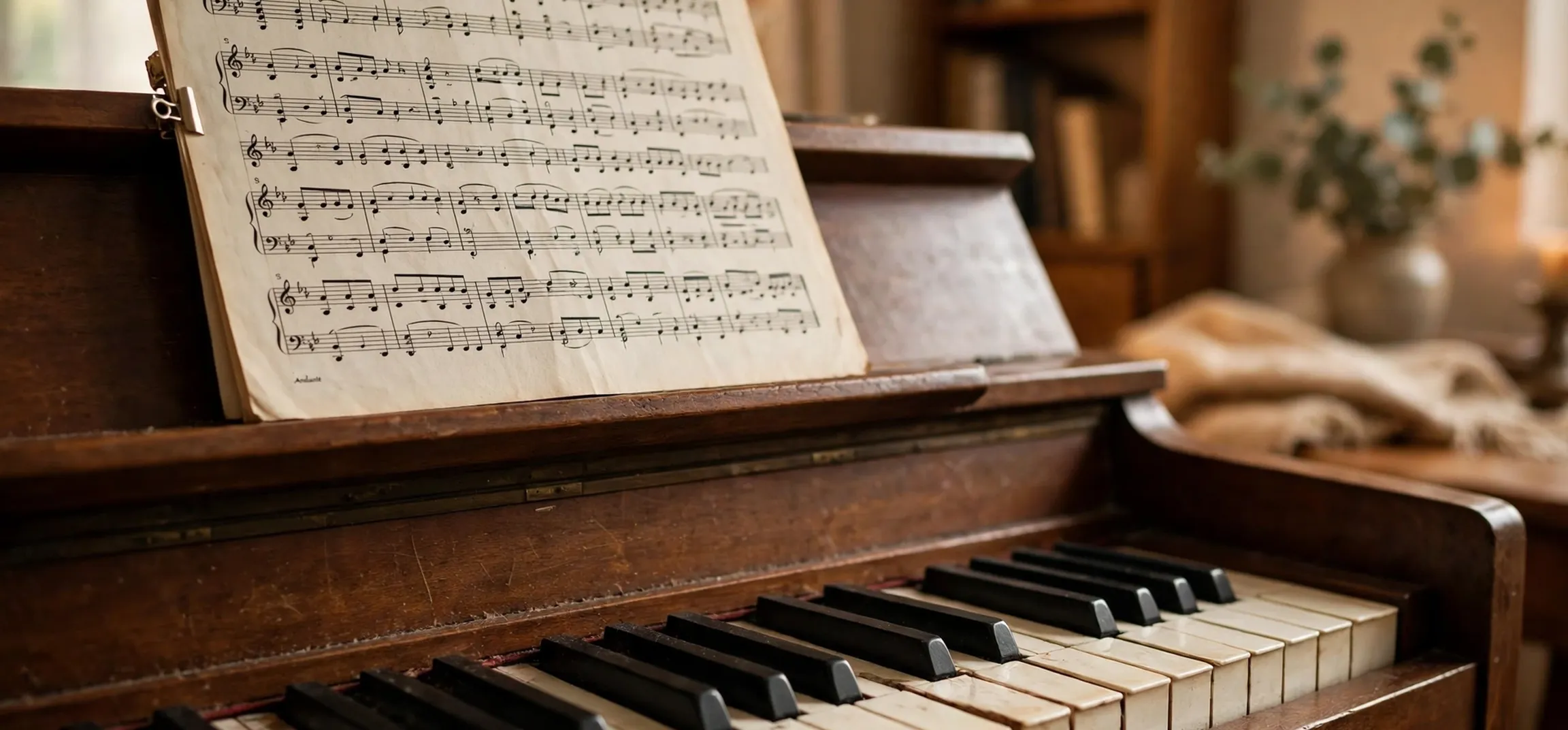
If you have ever listened to a pianist linger over a phrase, stretching one note and hurrying the next, you have heard rubato in action. A clear answer to define rubato is this: rubato is a musical technique in which the performer flexibly alters the tempo, borrowing time from some notes and giving it to others, while keeping the overall pulse intact. The Italian word literally means “robbed”, because time is stolen from one place and repaid in another.
In this guide, we define rubato fully, explore its history, explain the main types, show how performers use it, and give practical advice for listeners and players who want to recognise it.
Define Rubato: What Is Rubato?
Define rubato in one sentence: it is the expressive bending of tempo within a phrase, where the performer speeds up or slows down slightly for emotional effect, without losing the underlying beat. The key idea is flexibility with accountability. Time may be borrowed, but it must be repaid, so that the phrase as a whole stays in time.
Rubato is not the same as playing out of time, nor is it the same as a gradual tempo change across a whole section. A ritardando slows the music down and stays slower; an accelerando speeds it up and stays faster. Rubato, by contrast, is local and temporary: a phrase breathes, stretches, and settles back, like a speaker pausing for emphasis in the middle of a sentence.
The technique is most associated with Romantic music, particularly the piano works of Chopin, but it appears in many styles, from Baroque ornamentation to jazz phrasing to modern film scores. Wherever music aims to sound like natural speech or song, rubato is likely to be at work.
The History of Rubato
The term rubato comes from the Italian tempo rubato, meaning “robbed time”. It appears in musical writing from the eighteenth century onwards, though the practice is older. Baroque singers and instrumentalists were expected to shape phrases freely, and early writers described the technique as a way of making music speak more naturally.
In the Classical period, rubato was used with restraint. Composers such as Mozart expected performers to shape phrases elegantly, but within clear bounds. The Romantic period expanded the practice dramatically. Chopin, in particular, made rubato central to his style, and his contemporaries described his playing as having a free, singing right hand over a steady left hand, a combination that became the classic image of rubato.
Later writers debated how much freedom was appropriate. Some argued that rubato should be subtle and structural, shaping phrases without distorting the rhythm. Others celebrated a freer approach, where the performer’s feeling guided the tempo from moment to moment. That debate continues today, and it is part of what makes rubato interesting: it sits on the boundary between the composer’s instructions and the performer’s interpretation.
Types of Rubato
Musicians commonly distinguish two main types of rubato, though in practice they often blend:
| Type | What happens | Typical use |
|---|---|---|
| Melodic rubato | The melody flexes while the accompaniment keeps steady time | Chopin piano works, Romantic song |
| Structural rubato | The whole texture, melody and accompaniment together, breathes | Phrase endings, transitions, expressive peaks |
Melodic rubato is the more famous kind. The right hand, playing the melody, lingers and hurries, while the left hand, playing the accompaniment, keeps a steady pulse. The effect is like a singer who phrases freely over a steady accompaniment: the melody feels alive and personal, but the music never loses its footing.
Structural rubato affects everything at once. The whole ensemble, or the whole texture of a piano piece, eases and then recovers. This is common at phrase boundaries, where a slight broadening signals the end of one thought and the start of another, and at climaxes, where a momentary stretching heightens tension before release.
A third, looser use of the term covers any expressive tempo flexibility, including the shaping of individual notes within a beat. Purists may reserve “rubato” for the first two types, but in everyday musical conversation, any sensitive bending of tempo is likely to be called rubato.
Rubato in Practice: How Performers Use It
For performers, rubato is a tool of expression, not a licence to ignore rhythm. Good rubato serves the music’s structure and emotion. A performer might stretch the highest note of a phrase, giving it extra weight, and then recover the borrowed time over the next few notes. They might hurry through a passage of repeated notes, creating excitement, and then broaden at the phrase’s end, creating a sense of arrival.
The art lies in proportion. Too little rubato, and the performance sounds mechanical, like a metronome. Too much, and the music loses its shape, wandering without direction. The best performers use rubato the way good speakers use pauses: sparingly, purposefully, and in service of meaning.
Listeners can learn to hear rubato by comparing performances. Listen to the same Chopin nocturne played by several pianists, and notice how each shapes the opening phrase differently. One may linger on the first note, another may press forward. None is “wrong”; each is a different reading of the same music, made audible through rubato. This is why recordings of the same piece can sound so different, and why live performance remains irreplaceable.
For a related musical term, see our guide to subito in music, which explains another expressive marking that shapes how music is played.
Rubato and Other Tempo Markings
Rubato is often confused with other tempo instructions, but each has a distinct job:
- Ritardando (rit.): a gradual slowing down, usually sustained until a new tempo or a pause.
- Accelerando (accel.): a gradual speeding up, usually sustained.
- Rallentando (rall.): similar to ritardando, often with a sense of broadening as well as slowing.
- Rubato: local, temporary flexibility, with borrowed time repaid within the phrase.
- A tempo: a return to the original tempo after a change, often used after a rubato passage.
Composers sometimes write “rubato” directly in the score, signalling that the performer should shape the passage freely. More often, rubato is understood as part of the performer’s art, applied where the music invites it, even when it is not marked. Knowing the difference between marked and unmarked rubato helps listeners understand why performances vary: some flexibility is instructed, and some is interpreted.
Rubato in Different Musical Styles
While rubato is most famous in Romantic piano music, it appears across styles. In jazz, soloists phrase freely over a steady rhythm section, a practice closely related to melodic rubato. In folk singing, singers stretch and compress phrases to fit words naturally, often without thinking of it as a technique at all. In film music, rubato helps a score breathe with the action on screen, swelling and easing as scenes change.
Even in Baroque music, where modern performers sometimes aim for strict rhythm, historical evidence suggests that singers and soloists shaped phrases flexibly. The idea that early music was metronomic is a modern myth; musicians of every period have used tempo as an expressive resource. What varies is how much freedom is considered tasteful, and that varies by period, style, and individual taste.
This universality is part of rubato’s appeal. It reflects something fundamental about music: that it is shaped by human breath, speech, and feeling, and that a rigid, machine-like pulse, while useful for practice, is rarely the goal in performance. For more on how musical language works, see our article on what simultaneously means and the precision of musical and everyday vocabulary alike.
Define Rubato in Practice: Learning to Use It
For students learning an instrument, rubato is best approached after the notes and rhythm are secure. First, play the passage strictly in time, with a metronome if helpful, until the rhythm is solid. Then, experiment with small flexibilities: linger slightly on an expressive note, ease into a phrase ending, or press forward through a rising passage. Record yourself and listen back, checking whether the phrase still makes sense and whether the borrowed time is repaid.
A useful exercise is to sing the melody before playing it. Singers naturally shape phrases with breath and emphasis, and that natural shaping is a good model for rubato. If a stretch of tempo feels natural when sung, it will probably feel natural when played. If it feels forced or confusing, it is probably too much.
Teachers often warn against two extremes: playing with no rubato at all, which sounds stiff, and playing with rubato everywhere, which sounds shapeless. The goal is selective, meaningful flexibility, applied where the music’s emotion or structure calls for it, and withheld where steadiness serves the music better.
Frequently Asked Questions
What does rubato mean in simple terms?
Rubato means “robbed time” in Italian. It is a musical technique where the performer flexibly speeds up or slows down within a phrase, borrowing time from some notes and repaying it in others, so the overall pulse stays intact.
Is rubato the same as playing out of time?
No. Playing out of time means losing the pulse. Rubato means bending the pulse expressively while keeping it, so the phrase still makes rhythmic sense as a whole.
Which composer is most associated with rubato?
Frédéric Chopin is the composer most associated with rubato. His piano works, especially the nocturnes and mazurkas, are classic examples of melodic rubato, with a free melody over a steady accompaniment.
Can rubato be used in any style of music?
Yes. While it is most discussed in classical music, similar flexible phrasing appears in jazz, folk, popular song, and film music, wherever performers shape time for expressive effect.
Conclusion
To define rubato fully is to understand one of music’s most human qualities: the freedom to shape time for expression, balanced by the discipline to keep the pulse. From Chopin’s piano to jazz solos to folk songs, rubato lets performers make music breathe like speech, linger where feeling demands, and press forward where excitement builds. Listen for it in your favourite recordings, and you will start to hear not just the notes, but the living, breathing choices behind them.



