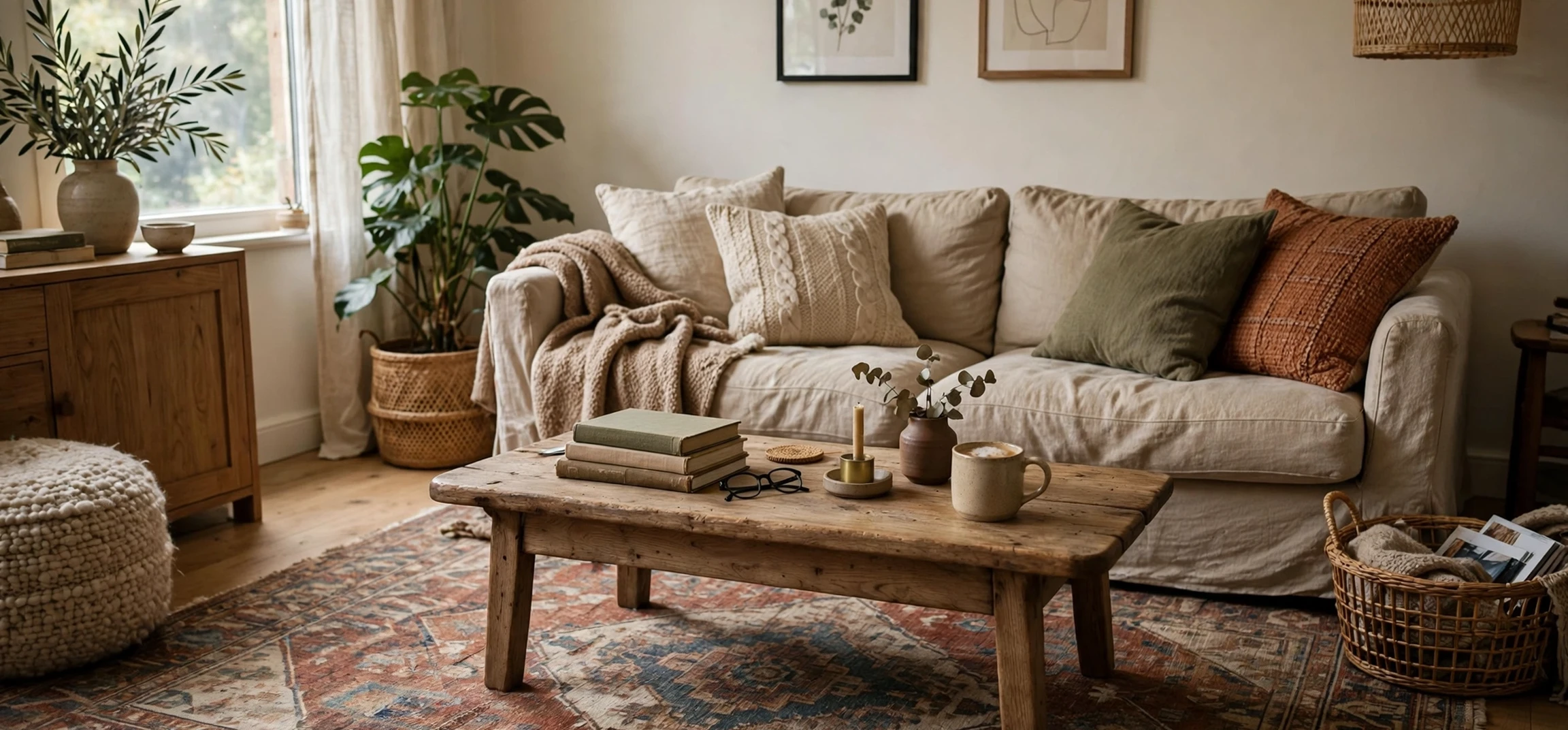
If you searched for size carpet living room, you are asking one of the most practical home questions there is: how big should the rug in your living room actually be. The phrase size carpet living room is a search-style way of asking for a rug size guide, and the honest answer is that the right size depends on your room, your sofa, and how you want the space to feel. A rug that is too small can make a room look scattered, while a rug that is too large can swallow the floor and hide beautiful wood or tile. This guide gives you clear standard sizes, simple measuring steps, and relaxed, chill styling ideas so you can choose with confidence.
The first rule is counterintuitive for many buyers: when in doubt, go one size up. Most living rooms look better with a larger rug than people first expect, because a generous rug anchors the furniture and makes the seating area feel like one intentional zone. A tiny rug floating in the middle of a room, with furniture legs barely touching it, usually looks like an afterthought. A larger rug that sits under the front legs of the sofa and chairs, and extends a little beyond them, looks planned, calm, and welcoming.
The second rule is to measure before you shop. Tape measures beat guesswork, and painter’s tape on the floor beats both. Mark out the rug size you are considering with tape, live with the outline for a day, and walk around it. You will quickly see whether the size leaves enough bare floor around the edges, whether doors can open freely, and whether the coffee table sits comfortably in the centre. That ten-minute test can save an expensive return.
Size Carpet Living Room: The Standard Sizes Explained
When people search for size carpet living room, they usually want a list of standard sizes they can compare. The most common living room rug sizes are 5 feet by 8 feet, 6 feet by 9 feet, 8 feet by 10 feet, 9 feet by 12 feet, and 10 feet by 14 feet. Smaller rugs such as 4 feet by 6 feet work in tiny nooks or under a single chair, but they rarely anchor a full sofa arrangement. Larger rugs suit open-plan rooms and sectionals, where the seating area itself is wide.
A 5 by 8 rug suits a small living room with a loveseat or a compact two-seater sofa and one chair. A 6 by 9 rug suits a small to medium room with a standard three-seater sofa. An 8 by 10 rug is the most popular all-round choice, because it fits most medium living rooms and allows the front legs of the sofa and chairs to sit on the rug. A 9 by 12 rug suits a larger room or a sectional, and a 10 by 14 rug suits a grand, open-plan space where the rug needs to define a whole lounge zone.
Size is not only about length and width. Pile height, colour, and pattern also affect how large a rug feels. A light, low-pile rug can make a room feel airy, while a dark, thick rug can make the same room feel cosy and grounded. For a chill vibe, many people choose soft, neutral tones, gentle textures, and simple patterns that do not compete with cushions, throws, and art. The rug should calm the room, not shout over it.
Size Carpet Living Room: Furniture Placement Rules
There are three classic placement styles, and the size carpet living room question is really a question about which style you prefer. In the all-legs-on style, every piece of seating furniture sits fully on the rug. This looks luxurious and unified, but it needs a large rug, usually 9 by 12 or bigger. In the front-legs-on style, the front legs of the sofa and chairs sit on the rug while the back legs sit on the bare floor. This is the most popular style, because it anchors the room without needing the largest rug. In the coffee-table-only style, only the coffee table sits on the rug. This works in small rooms, but it can look disconnected if the rug is too small.
For a relaxed living room, the front-legs-on style is usually the sweet spot. It creates a clear seating zone, keeps the rug size manageable, and still feels generous. Aim for at least six inches of rug beyond the sides of the sofa if you can, and leave the coffee table with enough rug around it that it does not look crowded. Chairs should have enough rug under their front legs that they do not wobble on the edge when someone sits down or stands up.
Leave bare floor around the rug as a frame. A border of about 18 inches between the rug edge and the wall works well in most rooms, and at least 12 inches in smaller rooms. That frame shows off your floor, makes cleaning easier, and stops the room from feeling carpeted wall to wall when you wanted a rug. In open-plan rooms, the rug itself becomes the border: it marks where the living zone ends and the dining or hallway zone begins.
Measuring Your Room in Five Simple Steps
First, measure the length and width of the whole room, and note doors, radiators, and walkways. Second, measure your sofa and chairs, including how far they sit from the wall. Third, decide which placement style you want: all legs on, front legs on, or coffee table only. Fourth, mark the rug outline on the floor with painter’s tape, using the standard size closest to your measurements. Fifth, walk the room, open doors, pull out chairs, and check that the outline feels comfortable from every angle. Adjust up or down one standard size if the outline feels tight or lost.
Do not forget the coffee table. A good rule is that the coffee table should be about two-thirds the length of the sofa, and the rug should be wide enough that the table sits centrally with room to spare on all sides. If the table nearly touches the rug edge, the rug is probably too small. If the table looks like a small island in a sea of rug, you may have gone too large, or the room may need a larger table to balance the space.
Sectionals, Small Rooms, and Awkward Layouts
Sectionals need special care. Measure the full footprint of the sectional, including the chaise or corner piece, and choose a rug that extends beyond the seating area on the open side. A rug that stops halfway under a sectional can look unfinished, because the eye follows the sofa shape and expects the rug to follow it too. In many cases, a 9 by 12 rug is the right starting point for a large sectional, while a compact L-shaped sofa may work well with an 8 by 10 rug.
Small rooms benefit from a rug that is as large as the room allows, within the border rule. A common mistake is choosing a tiny rug to make a small room feel bigger. In practice, a tiny rug chops the floor into pieces and makes the room feel smaller. A larger rug unifies the floor and makes the seating area feel intentional. Choose a light colour and a low pile to keep the room airy, and avoid heavy borders that visually shrink the rug.
Awkward layouts, such as rooms with a fireplace, a bay window, or an angled wall, need a flexible approach. Centre the rug on the main seating group, not necessarily on the room itself. If a fireplace is the focal point, the rug should relate to the seating that faces it. If a bay window holds a reading chair, a second small rug can define that corner without competing with the main rug. Two rugs can work together, provided their colours and textures harmonise and their sizes are clearly different: one main rug, one accent rug.
Styling a Rug for Chill, Relaxed Vibes
A chill living room is about texture, softness, and calm colour. Natural fibres such as wool, cotton, and jute feel warm underfoot and age gracefully. Low to medium pile is practical for everyday living, especially if you have pets or children, because it is easier to clean and less likely to trap crumbs. Plush, high-pile rugs feel luxurious, but they can show footprints and need more care. Choose the pile that matches your real life, not just your dream room.
Colour sets the mood. Warm neutrals such as cream, oatmeal, sand, and soft grey create a calm base that works with almost any sofa colour. Muted greens, dusty blues, and terracotta add warmth without overwhelming the room. If your sofa is bold, a quiet rug balances it. If your sofa is neutral, a rug with a subtle pattern can add interest without creating visual noise. Avoid very dark rugs in small, dim rooms, because they can make the space feel heavier than intended.
Layering adds cosiness. A large, flat jute or sisal rug with a smaller, softer rug on top creates depth and texture, and it lets you change the look seasonally by swapping only the top layer. Throws, cushions, and a soft blanket on the sofa complete the chill feeling. Keep the palette limited to three or four colours, and repeat one accent colour in a cushion, a vase, and a piece of art. That repetition makes the room feel designed rather than assembled at random.
Table: Rug Sizes Matched to Room and Sofa Types
| Room size | Sofa type | Suggested rug size | Placement style |
|---|---|---|---|
| Small, under 120 square feet | Loveseat or compact sofa | 5 by 8 feet | Front legs on |
| Medium, 120 to 200 square feet | Standard three-seater | 8 by 10 feet | Front legs on |
| Large, 200 to 300 square feet | Three-seater plus two chairs | 9 by 12 feet | Front legs or all legs on |
| Open plan, over 300 square feet | Sectional | 9 by 12 or 10 by 14 feet | All legs on |
| Reading nook or corner | Single armchair | 4 by 6 feet | Chair fully on rug |
Use this table as a starting point, then adjust with the tape test. Room shape matters as much as room size: a long, narrow room may suit a rectangular rug turned the right way, while a square room may suit a larger square or rectangular rug centred on the seating. If your room is between sizes, the larger standard size is usually the safer choice for a calm, anchored look.
Care Tips and Mistakes to Avoid
A rug pad is a small investment with a large payoff. It stops slipping, adds cushioning, protects the floor, and helps the rug last longer. Choose a pad slightly smaller than the rug, so it does not peek out at the edges. Vacuum regularly, rotate the rug every few months to even out wear and sunlight, and clean spills promptly by blotting rather than rubbing. Those simple habits keep a chill living room looking fresh for years.
Common mistakes include choosing a rug before measuring, buying a rug that matches the sofa colour exactly, and ignoring door clearance. A rug that matches the sofa too closely can make the room look flat. Instead, choose a rug that complements the sofa: a tone lighter or darker, or a pattern that picks up a cushion colour. Always check that doors can swing over the rug and pad, especially for thicker rugs near entrances.
Frequently Asked Questions
What is the most popular living room rug size?
The 8 by 10 rug is the most popular all-round choice for medium living rooms, because it fits a standard sofa and chairs in the front-legs-on style. If you searched for size carpet living room and your room is medium sized, 8 by 10 is a strong starting point to test with tape.
Should a rug go under the sofa?
Yes, in most cases at least the front legs of the sofa should sit on the rug. That placement anchors the seating area and stops the rug from looking like a separate island. All legs on looks more luxurious, but it needs a larger rug and a larger room.
How much bare floor should show around a rug?
Aim for about 18 inches of bare floor between the rug edge and the wall in a medium or large room, and at least 12 inches in a small room. That frame shows off the floor and keeps the room feeling balanced rather than fully carpeted.
Can I use a round rug in a living room?
Yes, round rugs work well under a round coffee table, in a reading corner, or in a square room with a curved seating arrangement. For a standard rectangular sofa arrangement, however, a rectangular rug usually anchors the space more effectively.
Shoppers who search for size carpet living room advice often make their decision in a shop, without their room measurements to hand. That is why the tape test matters so much. Before you search again for size carpet living room options, photograph your room, note the sofa width, and save the measurements on your phone. Then, when you compare size carpet living room choices in store, you can check each standard size against your real numbers instead of guessing. Good size carpet living room decisions come from measurements first and style second.
Budget also shapes the choice. A larger rug usually costs more, but a rug that is too small often ends up replaced, which costs more in the long run. If your ideal size carpet living room rug is slightly over budget, consider a simpler pattern or a lower pile in the right size, rather than a fancier rug in the wrong size. Size affects the look of the whole room every day, while pattern is a detail you notice less over time. Prioritise fit, then texture, then pattern.
Your size carpet living room checklist starts with measuring the sofa. The size carpet living room rule for most rooms is front legs on the rug. Check the size carpet living room border: leave about 18 inches of bare floor. Test the size carpet living room choice with painter’s tape before buying. For a sectional, the size carpet living room answer is usually 9 by 12. For a standard sofa, the size carpet living room answer is usually 8 by 10. For a small room, the size carpet living room answer is usually 5 by 8 or 6 by 9. Match the size carpet living room rug to the coffee table, not just the sofa. Recheck the size carpet living room door clearance after adding a rug pad. If in doubt, the size carpet living room advice is to go one size up. That size carpet living room checklist will save you a costly return.
Conclusion
Choosing the right size carpet living room rug comes down to measuring, testing with tape, and favouring a generous size that anchors your seating. Remember the front-legs-on rule, leave a frame of bare floor, and pick a colour and texture that support a calm, chill atmosphere. When the rug size is right, the whole room feels more intentional, more comfortable, and easier to live in. For more home and sizing guides, see a practical guide to choosing the right size for sports gear, a helpful size guide for swimwear, and a friendly house cleaning guide to keep your living space fresh.



