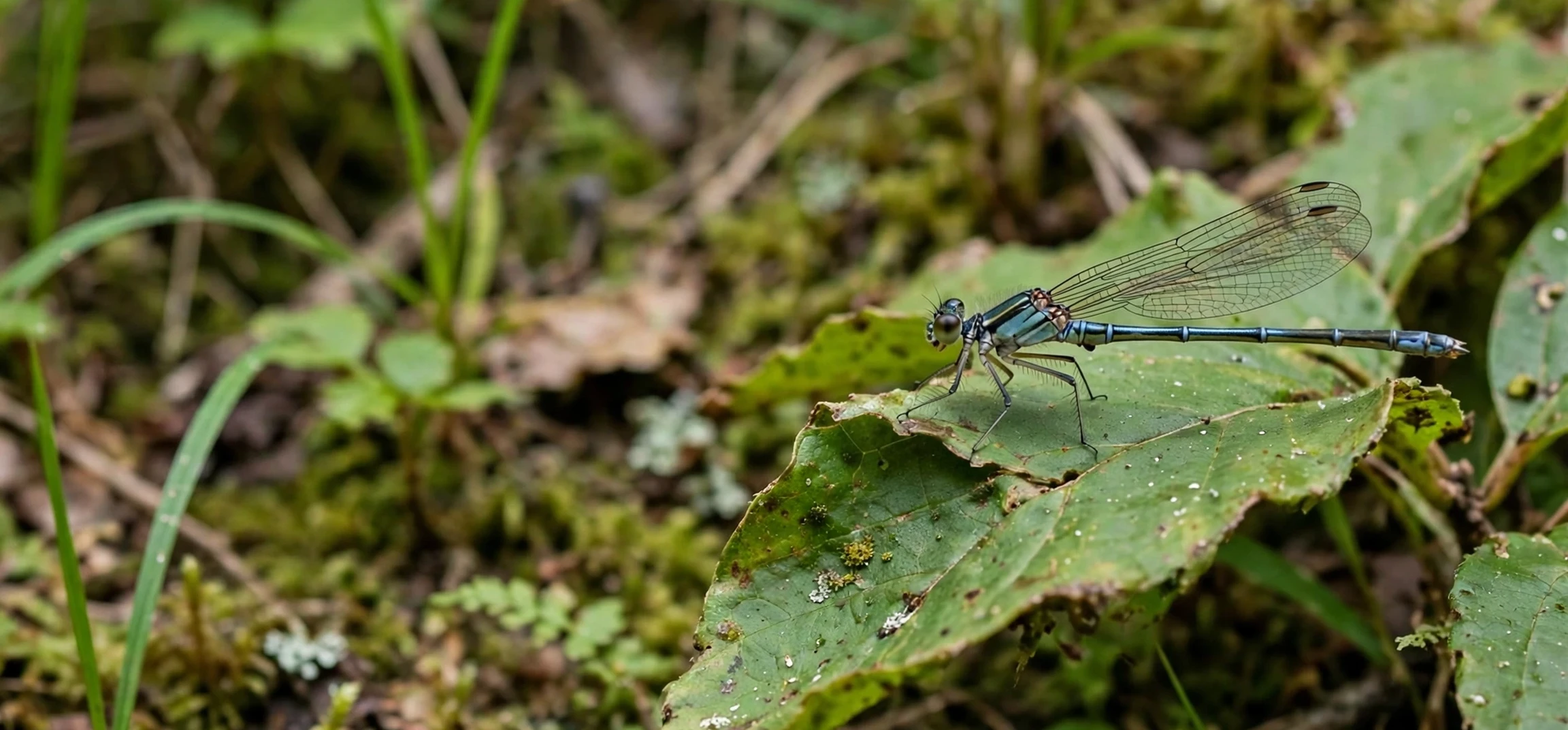
The scientific name for a dragonfly is not a single species name, because dragonfly is the common name for a whole group of insects in the order Odonata. The query “scientific name for a dragonfly” usually comes from students who expect one Latin name, like the name for a single animal, but dragonflies are an entire order containing thousands of species, each with its own scientific name. The correct scientific answer therefore starts at the order level: dragonflies belong to Odonata, and within that order they sit in the suborder Anisoptera.
The Scientific Name for a Dragonfly at Order Level
In biological classification, every living thing sits in a hierarchy: kingdom, phylum, class, order, family, genus, and species. Dragonflies belong to the kingdom Animalia, the phylum Arthropoda, the class Insecta, and the order Odonata, a name derived from the Greek word for tooth, referring to their serrated mouthparts. Within Odonata, true dragonflies form the suborder Anisoptera, while their slender relatives, the damselflies, form the suborder Zygoptera. That split is the first thing a student should learn, because it explains why two similar-looking insects can belong to different groups.
The distinction between dragonflies and damselflies is visible in the field. Dragonflies are generally larger and stouter, hold their wings outstretched when at rest, and have eyes that meet at the top of the head. Damselflies are slimmer, usually fold their wings along the body when resting, and have eyes set apart on either side of the head. Both groups are predators as adults and as aquatic nymphs, and both are ancient: Odonata has existed for hundreds of millions of years, with fossil relatives far larger than any living species.
Why There Is No Single Scientific Name for a Dragonfly
Asking for the scientific name for a dragonfly is a little like asking for the scientific name for a bird: the group is too large for one name. Instead, each species has a binomial name made of a genus and a species, such as Anax junius for the common green darner. The genus name is capitalised, the species name is lower case, and the whole name is italicised in formal writing. When a textbook or a website gives a single name for a dragonfly, it is almost always naming one particular species, not dragonflies in general.
This is why careful sources name the species they mean. A field guide might discuss the blue dasher, Pachydiplax longipennis, or the wandering glider, Pantala flavescens, and each of those names refers to one species only. If an exam question asks for the scientific name for a dragonfly, the expected answer is usually the order, Odonata, or the suborder, Anisoptera, depending on the level of the course. Checking the question’s wording is the best way to decide which level is wanted. Nature guides such as fault science meaning and AMA meaning in medicine follow the same careful approach to scientific terms.
Dragonfly Biology in Brief
Dragonflies are among the most skilled fliers in the insect world, able to hover, fly backwards, and change direction with remarkable precision. Their large compound eyes give them nearly panoramic vision, which helps them hunt other insects on the wing. As nymphs, they live in water for months or years, depending on the species, and they are voracious predators there too, feeding on tadpoles, small fish, and other aquatic invertebrates before emerging as winged adults.
Their life cycle also makes them useful indicators of environmental health. Because nymphs depend on clean water, a pond or stream with a diverse dragonfly population is often a sign of good water quality, while pollution and habitat loss reduce their numbers. Conservationists therefore watch dragonfly populations as one measure of wetland health, and gardeners who build wildlife ponds often find dragonflies arriving within a season or two, provided the water is clean and there are plants for perching and egg-laying.
Identifying Dragonflies in the Field: Scientific Name for a Dragonfly Practice
Beginners can start with size, colour, and wing position. Large, brightly coloured insects holding their wings flat are usually dragonflies, while small, delicate ones with folded wings are usually damselflies. Colour patterns on the abdomen and thorax help narrow down the species, and a good field guide or identification app can confirm a guess from a photograph. Patience helps: dragonflies often return to the same perch repeatedly, giving observers several chances to study them.
Recording observations adds to the value of watching. Noting the date, location, habitat, and behaviour turns a casual sighting into useful data, and many wildlife organisations welcome records from the public. Whether you are studying for an exam or simply curious, the key insight remains the same: dragonfly is a group name, Odonata is its order, Anisoptera is its suborder, and individual species each carry their own binomial name.
| Level | Name |
|---|---|
| Kingdom | Animalia |
| Phylum | Arthropoda |
| Class | Insecta |
| Order | Odonata |
| Suborder (true dragonflies) | Anisoptera |
| Example species | Anax junius (common green darner) |
Scientific Name for a Dragonfly: Field Identification Tips
Field identification starts with the features that separate dragonflies from damselflies, and the most reliable is wing position at rest. A true dragonfly holds its wings spread out to the sides, like an aeroplane, while a damselfly folds them back along its body. Size helps too: dragonflies are generally larger and more robust, with a thicker abdomen and a powerful flight that carries them far from water. With those two marks, a beginner can usually place an insect in the right suborder within seconds.
Colour and pattern narrow the identification further. Many male dragonflies develop bright blue, red, or green colouring as they mature, while females and young males are often browner or yellower, which can confuse beginners who expect one colour per species. A field guide that shows both sexes and immature forms is therefore invaluable, and photographs help enormously, since colour can be compared at leisure rather than in a fleeting glimpse. Noting the habitat also helps: some species prefer still ponds, others flowing streams, and a few patrol gardens far from water.
Nymphs, the aquatic young, are a different challenge and a different reward. Dragonfly nymphs live underwater for months or years, breathing through gills and hunting with a remarkable extendable lower lip that shoots out to grab prey. They can be found by gently searching pond vegetation, though they should be returned to the water promptly and handled as little as possible. Recognising nymphs connects the adult insects seen in summer with the hidden underwater life that precedes them, and it deepens any understanding of the order Odonata.
Recording what you see turns observation into knowledge. Note the date, location, weather, habitat, and behaviour, and photograph the insect from the side and above if possible, since those angles show the abdomen pattern and wing markings used in guides. Many wildlife organisations accept public records, and your sightings can contribute to distribution maps that track how species ranges change. Whether you are studying for an exam or simply enjoying a pond, careful field notes make the scientific names meaningful rather than abstract.
Scientific Name for a Dragonfly: Conservation Notes
Dragonflies face pressures familiar to many wildlife groups: wetland drainage, water pollution, and habitat fragmentation reduce the clean, varied water bodies they need for breeding. Because their nymphs live underwater for months or years, they are sensitive to changes in water quality that land animals never encounter, which makes them early indicators of environmental decline. Conservationists therefore monitor dragonfly populations as one measure of wetland health, and declines in sensitive species often signal problems affecting many other organisms.
Protecting dragonflies starts with protecting water. Garden ponds, restored wetlands, and buffer strips along streams all help, provided the water is clean and there are native plants for perching, egg-laying, and shelter. Avoiding pesticides near water matters too, since chemicals that harm other insects can harm dragonflies directly or remove their prey. Even small actions, such as leaving a wild corner near a pond or supporting a local wetland project, contribute to populations that can then be enjoyed and studied for years.
Frequently Asked Questions
What is the scientific name for a dragonfly?
There is no single species name. Dragonflies belong to the order Odonata and the suborder Anisoptera; individual species have their own binomial names.
Are damselflies dragonflies?
They are close relatives in the same order, Odonata, but damselflies form the suborder Zygoptera, while true dragonflies form Anisoptera.
What is an example of a dragonfly species name?
Anax junius, the common green darner, is a well-known example.
When is the best time to see dragonflies?
Late spring through summer, on warm, sunny days near ponds, lakes, and slow rivers, when adults are most active.
Are dragonflies dangerous to people?
No. Dragonflies do not sting or bite people in any harmful way; they are harmless predators of other insects.
Conclusion
The scientific name for a dragonfly is best answered at the group level: order Odonata, suborder Anisoptera, with each species carrying its own binomial name. Remember that distinction, and you will answer exam questions accurately and identify these remarkable insects with confidence. With wing position, colour, and habitat as guides, field identification turns the order Odonata from a textbook term into a living group you can recognise.



