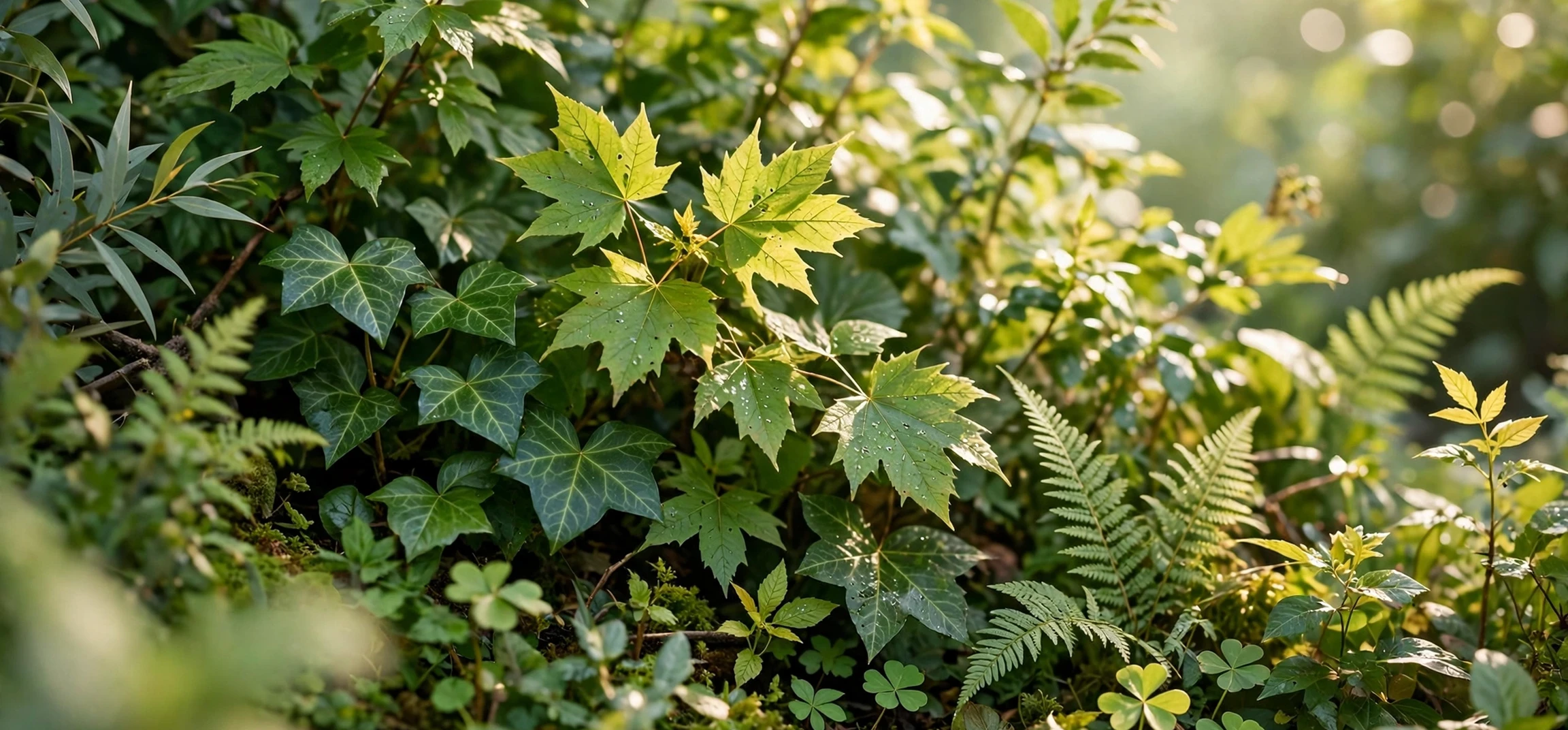
If you searched for different names for green colors, you probably already know that green is far more than a single shade. From the pale wash of a new spring leaf to the deep tone of a forest at dusk, green covers one of the widest ranges in the whole spectrum. Designers, painters, gardeners, writers, and decorators all need precise words for these tones, because calling everything simply green is like calling every meal simply food. This guide collects the most useful different names for green colors, explains where those names come from, and shows you how to pick the right one for your project, whether you are painting a room, choosing a brand palette, describing a landscape, or shopping for clothes.
Green sits between blue and yellow on the color wheel, which is exactly why it has so many names. Lean toward yellow and you get warm, sunny greens. Lean toward blue and you get cool, deep, almost oceanic greens. Add white and the color softens into pastels. Add black or grey and it turns moody, earthy, and serious. Every shift creates a new shade, and over centuries people have named those shifts after plants, stones, foods, places, and everyday objects. Learning these names is less about memorizing a list and more about understanding the families they belong to.
What “different names for green colors” Means
When people look up different names for green colors, they usually want one of three things. Some want a vocabulary list they can use in writing or design briefs. Some want to identify a specific shade they have seen, perhaps a paint swatch, a dress, or a website background. And some want to understand how greens relate to each other so they can combine them well. All three needs point to the same idea: green is a family, not a single color, and each family member has its own personality.
Color naming is part science and part culture. The science side uses values like hue, saturation, and lightness, and systems like hex codes give every shade an exact digital address. The culture side is where the poetry lives. A shade called sage feels calm and herbal because sage is a plant. A shade called emerald feels luxurious because emeralds are precious stones. A shade called olive feels grounded and Mediterranean because olives grow in warm, sunlit groves. Knowing both sides helps you choose names that communicate feeling, not just color.
The Main Families of “different names for green colors”
The easiest way to make sense of the dozens of green names is to sort them into families. Each family shares an undertone, a mood, and a set of typical uses. Once you know the families, you can place almost any green name you meet.
Yellow Greens: Warm, Fresh, and Full of Energy
Yellow greens lean toward sunlight. They feel young, fresh, and optimistic, which is why they show up in spring fashion, health brands, and kitchen design. Lime is the brightest and boldest of this group, a sharp, almost electric green named after the citrus fruit. Chartreuse is softer and more yellow, named after a French liqueur, and it has a quirky, vintage charm. Apple green is rounder and friendlier, the color of a Granny Smith apple, and it works beautifully in casual interiors. Spring green sits right in the middle, vivid but not harsh, like new grass after rain. Pistachio is the muted, creamy cousin of this family, gentle enough for bedrooms and wedding palettes. If you want a room or a design to feel awake and cheerful, start in this family.
Blue Greens: Cool, Calm, and Deep
Blue greens lean toward water and sky. They feel calm, trustworthy, and sophisticated, which is why they dominate bathrooms, spas, corporate branding, and coastal interiors. Teal is the most famous blue green, a rich blend that feels both elegant and modern. Aqua is lighter and clearer, like shallow tropical water, and it brings a breezy, vacation feeling. Turquoise sits close to aqua but with a slightly stronger blue pull and a hint of gemstone luxury. Seafoam is the palest member, a soft, frothy green with grey undertones that suits shabby chic rooms and relaxed branding. Jade is deeper and more precious, named after the stone, and it carries an air of quiet luxury. Mint is the freshest of the group, cool and clean, often used in packaging for freshness and in bedrooms for calm.
Deep Greens: Rich, Serious, and Timeless
Deep greens are the grown-ups of the family. They feel stable, expensive, and rooted, which is why they appear in libraries, traditional kitchens, luxury packaging, and formal clothing. Forest green is the classic, the color of dense woodland, and it pairs beautifully with wood, brass, and cream. Hunter green is darker and slightly more muted, named for hunting attire, and it reads as traditional and masculine. Emerald is the jewel of the group, vivid yet deep, and it instantly signals wealth and drama. Pine green is cooler and darker, like the needles of a pine tree in winter. Racing green, also called British racing green, is a very dark, almost black green with a heritage feel, long associated with classic cars. Moss green is softer and greyer, like moss on stone, and it brings an earthy, natural calm to any palette.
Pale and Grey Greens: Soft, Quiet, and Versatile
Pale greens are greens with plenty of white or grey mixed in. They are the easiest greens to live with, because they act almost like neutrals while still adding a touch of nature. Sage is the star here, a greyish green named after the herb, beloved in modern farmhouse kitchens and minimalist interiors. Celadon is a pale, slightly blue green named after a type of Chinese pottery glaze, and it feels refined and antique. Sea mist and sagebrush tones sit nearby, soft and dusty. Eucalyptus green is a muted, blue-grey green that feels spa-like and serene. These shades are perfect when you want the calming effect of green without a strong color statement, and they pair well with white, wood, linen, and stone.
A Quick Reference Table of Green Shade Names
The table below gathers the most useful green names, their general feel, and where each one works best. Use it as a cheat sheet when you are naming a color for a design, a product, or a piece of writing.
| Shade Name | Family | Feel | Best For |
|---|---|---|---|
| Lime | Yellow green | Bright, zesty, bold | Accents, sportswear, modern branding |
| Chartreuse | Yellow green | Quirky, vintage, vivid | Statement pieces, retro design |
| Apple green | Yellow green | Friendly, fresh, casual | Kitchens, casual fashion |
| Pistachio | Yellow green | Soft, creamy, gentle | Bedrooms, weddings, packaging |
| Teal | Blue green | Elegant, modern, deep | Bathrooms, branding, evening wear |
| Aqua | Blue green | Clear, breezy, light | Coastal rooms, summer fashion |
| Seafoam | Blue green | Soft, frothy, relaxed | Beach houses, relaxed branding |
| Jade | Blue green | Precious, calm, refined | Jewelry, luxury interiors |
| Mint | Blue green | Fresh, clean, cool | Bedrooms, fresh packaging |
| Forest green | Deep green | Natural, classic, grounded | Libraries, traditional rooms |
| Hunter green | Deep green | Traditional, muted, strong | Formal wear, heritage design |
| Emerald | Deep green | Luxurious, vivid, dramatic | Evening wear, statement walls |
| Moss green | Deep green | Earthy, soft, natural | Outdoor gear, rustic rooms |
| Sage | Pale green | Calm, herbal, modern | Kitchens, minimalist interiors |
| Celadon | Pale green | Refined, antique, gentle | Ceramics, elegant bedrooms |
| Eucalyptus | Pale green | Serene, spa-like, muted | Bathrooms, wellness branding |
How to Choose the Right Green Name
Choosing between green names is really about choosing a mood. Start by asking whether you want warmth or coolness. Warm greens with yellow undertones feel sunny, energetic, and welcoming. Cool greens with blue undertones feel calm, clean, and professional. Next, decide how strong the color should be. Bright greens demand attention and work best as accents. Muted greens recede gracefully and work well across large areas like walls or sofas. Finally, think about what the name itself suggests. A paint color called sage sounds different from one called lime, even before anyone sees the swatch, and that suggestion shapes expectations.
Context matters just as much as the shade. In writing, specific names make descriptions vivid. Saying a dress was seafoam tells a reader far more than saying it was light green. In design, names help teams agree on a direction before a single swatch is printed. In shopping, knowing names helps you search better. If you want a calm kitchen, searching for sage cabinets will give you far better results than searching for green cabinets. The name is a shortcut to the exact feeling you want.
Pairing Greens With Other Colors
Greens are generous team players. Deep greens pair beautifully with gold, brass, cream, and warm wood, which is why they feel so luxurious. Pale greens pair with white, linen, light wood, and soft grey for a clean, airy look. Bright greens pair with white and black for a crisp, modern contrast, and with coral or peach for a lively, playful palette. If you are combining two greens, keep one dominant and one as an accent, and make sure they differ clearly in lightness so they do not blur together. A deep forest green with a pale sage accent, for example, reads as intentional and layered, while two mid-tone greens can look muddy side by side.
Green Names in Nature, Food, and Gemstones
Many green names come directly from the natural world, which makes them easy to remember. Leaf, fern, moss, pine, and olive all describe plants, and each carries the feeling of that plant. Food names like lime, apple, pistachio, and avocado are warm and appetizing. Gemstone names like emerald and jade carry luxury and depth. Place names like racing green carry history. When you meet a new green name, asking what object it refers to usually tells you everything about its tone. This is also why new green names keep appearing. Every generation finds fresh objects, from matcha to seaweed, to describe the greens it loves.
Frequently Asked Questions About Green Color Names
What is the most popular green shade name?
Sage, emerald, and teal are among the most searched and most used green names today. Sage leads in home interiors, emerald leads in fashion and jewelry, and teal leads in branding and digital design. Their popularity comes from versatility. Each one is distinctive enough to be recognizable but flexible enough to suit many styles.
What is the difference between teal and turquoise?
Teal is darker and greener, with a balanced mix of blue and green and a slightly muted depth. Turquoise is brighter and bluer, closer to the gemstone, with a lighter, more tropical feel. If a shade looks like deep ocean water, it is probably teal. If it looks like a bright tropical lagoon, it is probably turquoise.
What green shade works best for a bedroom?
Pale and muted greens work best for bedrooms because they promote calm and rest. Sage, eucalyptus, seafoam, and pistachio are all strong choices. They add a hint of nature without stimulating the eye the way a bright lime or vivid emerald would. Pair them with white bedding and natural wood for a restful, cohesive room.
How many shades of green are there?
There is no single official count, because new shades are named all the time and digital color systems can generate millions of variations. Common design references list dozens of named greens, while paint companies each offer their own ranges. The useful answer is that the named greens fall into a handful of families, and learning those families matters more than counting every shade.
Why do green names matter for design?
Names carry associations that raw color values do not. A client who hears sage imagines calm and nature, while a client who hears lime imagines energy and youth. Using precise names helps designers, writers, and shoppers agree on a vision quickly, search more accurately, and avoid the confusion that comes from calling every green tone by the same word.
Conclusion
The world of green is wide, and its names are the map. From lime and chartreuse to teal and seafoam, from forest and emerald to sage and celadon, each name captures a different mood, a different light, and a different story. When you understand the families behind the names, you stop guessing and start choosing with confidence. Whether you are decorating a room, building a brand, writing a scene, or simply trying to describe the exact green you saw on a walk, the right name makes all the difference. Keep this guide handy, try the pairings, and let the greens do what they have always done best: bring a little of the outdoors into everything you make.
For more color guidance, see our guide to analogous colors and how they work together, try the green text generator ideas for playful styling, and explore color and background combinations for your next design.



