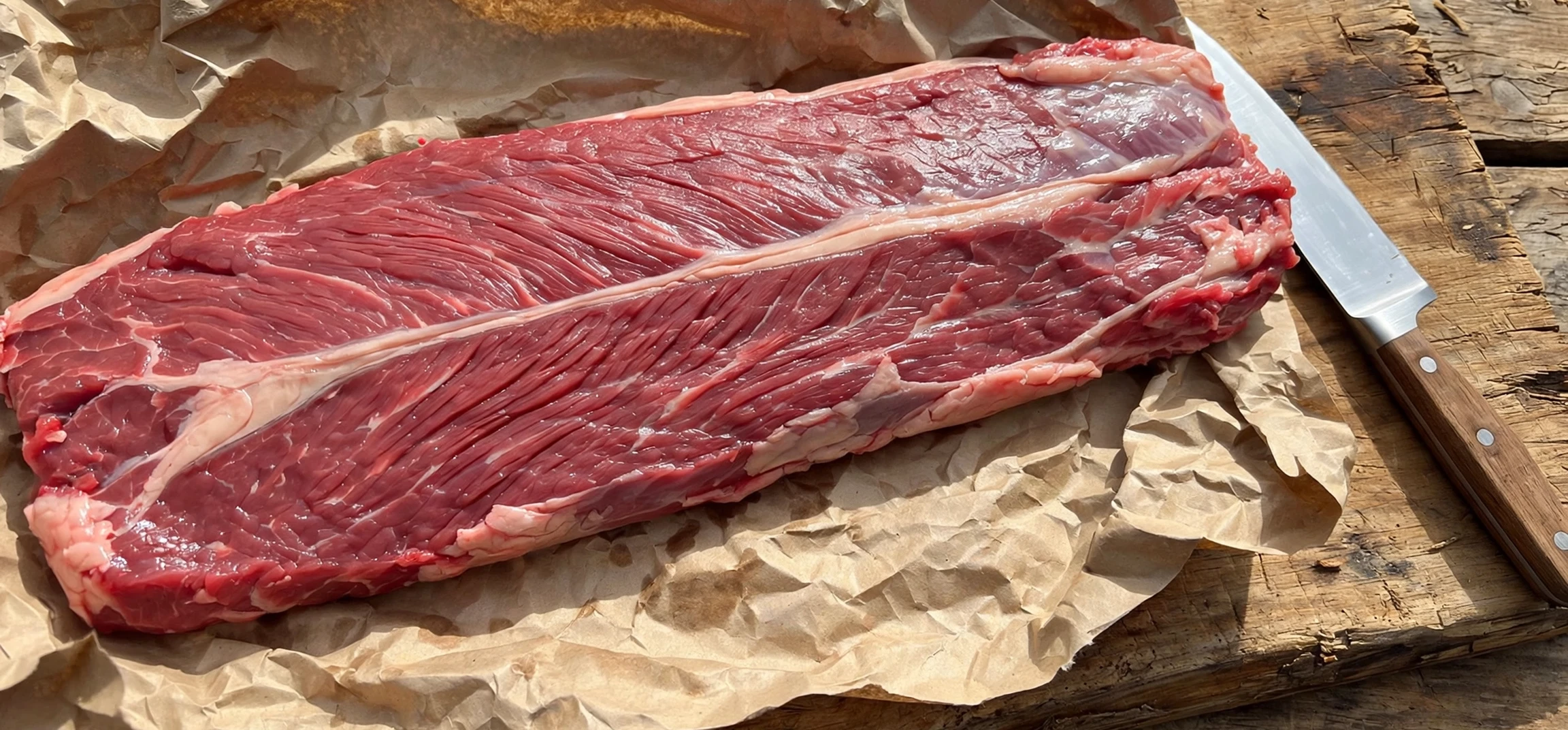
If you have ever stood at a butcher’s counter or read a recipe and wondered, are there other names for skirt steak? — the short answer is yes, and the longer answer is worth knowing before you buy. Are there other names for skirt steak in different countries, in different butcher traditions, and on different menus? Yes, several. The most important are outside skirt and inside skirt, which are two distinct cuts, plus fajita steak, arrachera, entraña and bavette, which are related names that are sometimes used for skirt steak and sometimes for neighbouring cuts. Learning which name means which cut will save you from buying the wrong steak, cooking it the wrong way, or paying a premium for a label that does not match what is in the packet.
Skirt steak itself is a long, thin, well-flavoured cut from the belly area of beef cattle, prized for its rich, beefy taste and its loose, open grain. It cooks quickly over high heat and is famously sliced thinly across the grain for fajitas, stir-fries and steak sandwiches. Because it is thin and flavourful rather than tender in the way a fillet is tender, it rewards fast cooking and careful slicing, and it punishes overcooking. Those qualities are the same whichever name is on the label, which is why cooks care so much about getting the naming right.
Are There Other Names for Skirt Steak? The Main Names
So, are there other names for skirt steak that you are likely to meet in a shop? The clearest answer starts with the two skirts themselves. Butchers distinguish between outside skirt and inside skirt. Outside skirt comes from the diaphragm muscle, the sheet of muscle that helps the animal breathe. It is thicker, more tender and more prized than inside skirt, and in many markets it is the cut that chefs mean when they simply say “skirt steak”. Inside skirt comes from the transverse abdominal muscle, further inside the belly wall. It is thinner, slightly tougher and often a little cheaper, although it is still full of flavour. Both are skirt steak, but they are not identical, and a good butcher will tell you which one you are buying.
Beyond those two, the most common alternative name in everyday cooking is fajita steak. In Tex-Mex cooking, skirt steak is the classic fajita cut, grilled over high heat, rested, sliced thinly and served in warm tortillas with peppers, onions and salsa. Because of that association, some shops and menus label skirt steak as “fajita meat” or “fajita steak”, even when it is sold unseasoned and uncut. That label is a clue to its best use, not a different animal or a different part of the carcass. If a packet says “fajita steak” and the meat is long, thin and coarsely grained, it is very likely skirt steak.
Two more names come from Spanish-speaking food traditions. Arrachera is the Mexican name for skirt steak, especially outside skirt, marinated and grilled for tacos and fajitas. Entraña is the Argentine and Uruguayan name for the same diaphragm cut, also grilled quickly over fierce heat and served simply, often with chimichurri. If you see either name on a menu in a Latin American restaurant, you are almost certainly looking at skirt steak, cooked in the style that suits it best: hot, fast and sliced thin.
Are There Other Names for Skirt Steak? Bavette, Flap and Nearby Cuts
Are there other names for skirt steak that are close, but not quite the same? Yes, and this is where confusion usually starts. Bavette is a French name that is often translated as skirt steak or flap steak, depending on the butcher and the region. In France, bavette can refer to several thin, flavourful cuts from the belly and flank area, including what English-speaking butchers would call skirt or flap. In the United Kingdom, “bavette steak” on a menu usually means a thin, loose-grained steak from a similar area, cooked and sliced in the same way as skirt. It is a cousin rather than a twin: the cooking method transfers perfectly, but the exact muscle may differ.
Flap meat, also called flap steak, is another neighbour. It comes from the bottom sirloin area, near the flank, and it shares skirt steak’s loose grain and strong beef flavour. In some American markets, flap is sold as a cheaper alternative to skirt for fajitas, and some cooks use the names interchangeably in recipes. Strictly, however, flap is a different cut. It is usually thicker and a little more uniform in shape than skirt, which makes it slightly easier to cook evenly. If a recipe calls for skirt and you can only find flap, the recipe will still work well, provided you slice across the grain and do not overcook it.
Flank steak is the other cut most often confused with skirt. Flank comes from the abdominal muscles further back, and it is also long, flat and flavourful. It is leaner, thicker and more uniform than skirt, with a very visible grain. Many recipes treat skirt and flank as interchangeable, and for marinades and slicing they are close enough that a substitution will not ruin a meal. But a careful cook will notice the difference: skirt has a more open, almost ragged grain and a richer, more mineral flavour, while flank is firmer and slightly less juicy. Knowing that distinction helps you adjust cooking time and slicing thickness.
| Name you may see | What it usually means | Relationship to skirt steak |
|---|---|---|
| Outside skirt | Diaphragm muscle, thicker and more tender | Skirt steak, the prized version |
| Inside skirt | Transverse abdominal muscle, thinner | Skirt steak, slightly tougher |
| Fajita steak / fajita meat | Skirt prepared for fajitas | Usually skirt steak, by use |
| Arrachera | Mexican name for skirt, often marinated | Skirt steak |
| Entraña | Argentine name for diaphragm cut | Skirt steak |
| Bavette | French thin belly / flank cut | Close cousin, sometimes skirt |
| Flap steak / flap meat | Bottom sirloin thin cut | Neighbouring cut, good substitute |
| Flank steak | Abdominal muscle, lean and flat | Different cut, common substitute |
Are There Other Names for Skirt Steak Around the World?
Are there other names for skirt steak in other countries beyond the Spanish and French terms? Butchery is intensely local, and names vary more than most shoppers expect. In the United Kingdom, butchers have traditionally used “skirt” for the diaphragm cut, and may distinguish “thin skirt” and “thick skirt” for the two muscles in that area. Thin skirt is closer to what American butchers call inside skirt, while thick skirt is closer to outside skirt, although the mapping is not exact and varies by butcher. If you are shopping in Britain, asking “is this thin or thick skirt?” is often more useful than asking for a single alternative name.
In Australia and New Zealand, skirt steak is sold under the same name, but it is less common in supermarkets than in butcher shops, and it may appear as part of a stir-fry or fajita pack rather than as a named steak. In parts of Europe, the diaphragm cut may be sold as “onglet” in France, although onglet strictly refers to the hanger steak, another diaphragm-area cut that is thicker and rounder than skirt. Hanger steak, sometimes called “butcher’s steak” because butchers were said to keep it for themselves, is a further neighbour worth knowing: it is superb grilled, but it has a central membrane that must be removed, and it is not the same as skirt.
The lesson for shoppers is simple: do not rely on the name alone. Look at the meat. Skirt steak is long, thin, uneven in width, and coarsely grained, with visible fibres running along its length. If the steak in front of you matches that description, the cooking advice for skirt will apply, whatever the label says. If it is thick, uniform and finely grained, it is probably a different cut, and it will need a different cooking time. A good butcher will welcome the question, and will usually tell you both the name they use and the muscle it comes from.
How to Cook Skirt Steak, Whatever Its Name
Whichever name is on the packet, the cooking principles for skirt steak stay the same, and they follow from its structure. Because the cut is thin, it cooks in minutes. Because it is well exercised, it is full of flavour but can become tough if overcooked. The classic method is high, direct heat: a very hot grill, griddle or cast-iron pan, lightly oiled meat, and two to three minutes per side for a medium-rare finish, depending on thickness. Inside skirt, being thinner, needs even less time. The goal is a deeply browned exterior and a juicy, pink interior, not a grey, well-done steak.
Resting is essential. Let the steak rest for five minutes under loose foil before slicing, so that the juices redistribute instead of running out onto the board. Slicing is equally important, and it is where many home cooks go wrong. Skirt steak must be sliced thinly across the grain, at a slight angle, so that the long muscle fibres are cut short. Sliced with the grain, even perfectly cooked skirt can feel chewy. Sliced across the grain, it becomes tender and easy to eat, which is why fajita and stir-fry recipes always stress this step.
Marinades suit skirt steak well, because its open grain absorbs flavour. A simple marinade of lime juice, garlic, cumin, chilli and oil, for thirty minutes to a few hours, works beautifully for fajitas and tacos. Avoid marinating for very long in highly acidic mixtures, as the surface can become mushy. Dry seasoning also works: coarse salt, cracked pepper and a little smoked paprika, applied just before cooking, let the beef flavour speak for itself. For more kitchen inspiration, see our healthy snack guide from From Hunger To Hope and our recipe guide from Home Hearted, both of which show how a simple, well-chosen recipe can make everyday cooking easier.
A Quick Shopping Checklist
When you buy skirt steak under any name, check four things. First, thickness: outside skirt is thicker and more forgiving than inside skirt. Second, colour: fresh beef should be a rich red, not grey or brown at the edges. Third, grain: look for the coarse, open fibres that mark skirt. Fourth, quantity: skirt shrinks and is often sold in long strips, so buy a little more than you think you need for a crowd, and slice it after cooking so that everyone gets tender pieces. If the label is unclear, ask the butcher which skirt it is, and how they would cook it. Their answer will usually confirm the cut faster than any label.
Are There Other Names for Skirt Steak? Frequently Asked Questions
Are there other names for skirt steak I should know at the butcher’s?
Yes. Ask for outside skirt or inside skirt first, and recognise fajita steak, arrachera and entraña as skirt steak under other names. Bavette and flap steak are close cousins that cook similarly but are not strictly the same cut.
Is skirt steak the same as flank steak?
No, although recipes often substitute one for the other. Flank is leaner, thicker and more uniform, while skirt is thinner, more open-grained and more richly flavoured. Both should be sliced thinly across the grain.
Is bavette the same as skirt steak?
Sometimes, depending on the country and the butcher. In French butchery, bavette covers several thin cuts from the same region, so it may be skirt, flap or a neighbouring cut. The cooking method is the same, but ask your butcher to confirm the exact cut.
What is the best name to ask for when making fajitas?
Ask for outside skirt if you can get it, or simply for skirt steak for fajitas. If the butcher offers flap or flank as a substitute, either will work well, provided you cook it quickly over high heat and slice it across the grain.
Are There Other Names for Skirt Steak When Ordering Online?
When you order online, the question are there other names for skirt steak becomes even more practical, because you cannot see or touch the meat before you buy. Search results for are there other names for skirt steak will show outside skirt, inside skirt, fajita steak, arrachera and bavette, and a good retailer will specify which cut is in the pack, its weight and its thickness. If a listing only says are there other names for skirt steak in its description without naming the exact cut, treat it with caution and check the product details, reviews and butcher notes. Look for the words outside or inside skirt, for a photograph showing the long, thin, coarse-grained strip, and for cooking advice that mentions high heat and slicing across the grain. Those details confirm that you are buying skirt steak, whatever headline name the retailer has used.
Are There Other Names for Skirt Steak on Menus?
On restaurant menus, are there other names for skirt steak that signal a particular dish rather than a cut? Yes. A menu that lists arrachera tacos, entraña with chimichurri, or bavette with chips is telling you both the cut family and the cooking style, and the question are there other names for skirt steak is answered by the dish itself. If you enjoy the flavour and texture of skirt in one of those dishes, you can ask the restaurant or butcher which cut was used, and then look for the same cut under its local name at home. That habit turns a menu discovery into a shopping skill, and it is the most enjoyable way to learn butchery names: taste first, name second, and cooking method always.
Are There Other Names for Skirt Steak? Conclusion
Are there other names for skirt steak? Yes, and now you know which ones to trust. Outside skirt and inside skirt are the two true skirts. Fajita steak, arrachera and entraña are skirt steak by another name, shaped by the dishes and cultures that made it famous. Bavette, flap and flank are neighbours, not twins, but they are good substitutes when skirt is unavailable. The name on the label matters less than the meat itself: long, thin, coarse-grained and full of flavour, cooked fast, rested well and sliced across the grain. Buy with that picture in mind, ask your butcher when you are unsure, and you will get the cut you wanted, whatever it is called in the shop you happen to be standing in.



