If you grew up watching Saturday morning television in the 1980s, the chances are that the Snorks cartoon still brings back a rush of colourful, bubbly nostalgia. Set in a cheerful underwater world, the Snorks cartoon followed a community of small, snorkel-topped creatures who lived, worked, played and got into scrapes beneath the waves. It was bright, gentle and funny, and it arrived at a time when undersea adventures felt fresh and full of possibility. For many viewers, the Snorks cartoon was not just another show on the schedule; it was a weekly visit to a friendlier world, complete with catchy music, memorable characters and stories that balanced humour with simple, warm-hearted lessons.
This guide looks back at the Snorks cartoon in full: where it came from, who the main characters were, what made its underwater setting work so well, and why it still has a loyal following decades later. Whether you are revisiting an old favourite or discovering it for the first time, you will find the background, the characters and the viewing context you need right here.
What Is the Snorks Cartoon?
At its heart, the Snorks cartoon is an animated adventure comedy about the Snorks, a race of small sea-dwelling creatures who wear snorkels on top of their heads. They live in the underwater city of Snorkland, a place filled with coral houses, seaweed gardens, schools, shops and all the everyday institutions of a small town, simply translated beneath the sea. The snorkels are not just decoration: in the world of the show, they help the Snorks move through the water with ease, and they double as a handy visual signature that makes every character instantly recognisable.
The Snorks cartoon was produced by Hanna-Barbera, the studio behind many of the best-loved animated series of the era, and it first reached television screens in the mid-1980s. It ran for four seasons, and during that time it built a sizeable cast, a consistent sense of place and a tone that appealed to younger children while still giving older viewers plenty to enjoy. Episodes typically combined a light adventure or mystery with a relatable problem, such as a misunderstanding between friends, a school project going wrong or a plan that sounded brilliant until it met reality.
Part of the charm of the Snorks cartoon lay in its optimism. Snorkland was a community where neighbours helped one another, where curiosity was rewarded and where even the villains were more mischievous than menacing. That warmth is one reason the show has aged gracefully: it never relied on cynicism or cruelty for laughs, so parents revisiting it today often find it just as suitable for their own children as it was for them.
The Snorks Cartoon Characters You Need to Know
No guide to the Snorks cartoon would be complete without its characters, and the show’s ensemble is one of its greatest strengths. Allstar Seaworthy is the enthusiastic, sporty hero of the group: brave, loyal and usually first to volunteer when adventure calls. His close friend Casey Kelp is clever, kind and practical, often the voice of reason when a plan starts to drift off course. Together, they anchor many of the show’s stories, and their friendship gives the series its emotional centre.
Around them sits a lively supporting cast. Dimmy Finster is the lovable, slightly clumsy friend whose good intentions sometimes outrun his coordination. Daffney Gillfin is stylish, confident and determined, while Tooter Shelby brings music and mischief wherever he goes. Junior Wetworth, the wealthy and often snobbish young Snork, provides much of the comic friction, usually convinced that his family’s status should settle every argument. His sidekick and the show’s recurring schemers keep Snorkland lively, even when their plans unravel in entertaining fashion.
What makes these characters work is that they feel like a genuine friendship group rather than a collection of catchphrases. They argue, apologise, compete and celebrate together, and the show takes their feelings seriously even when the situation is silly. For young viewers, that emotional honesty mattered: the Snorks cartoon showed that friends can disagree without falling out, and that saying sorry is a strength rather than a weakness.
Snorkland: The Underwater World of the Snorks Cartoon
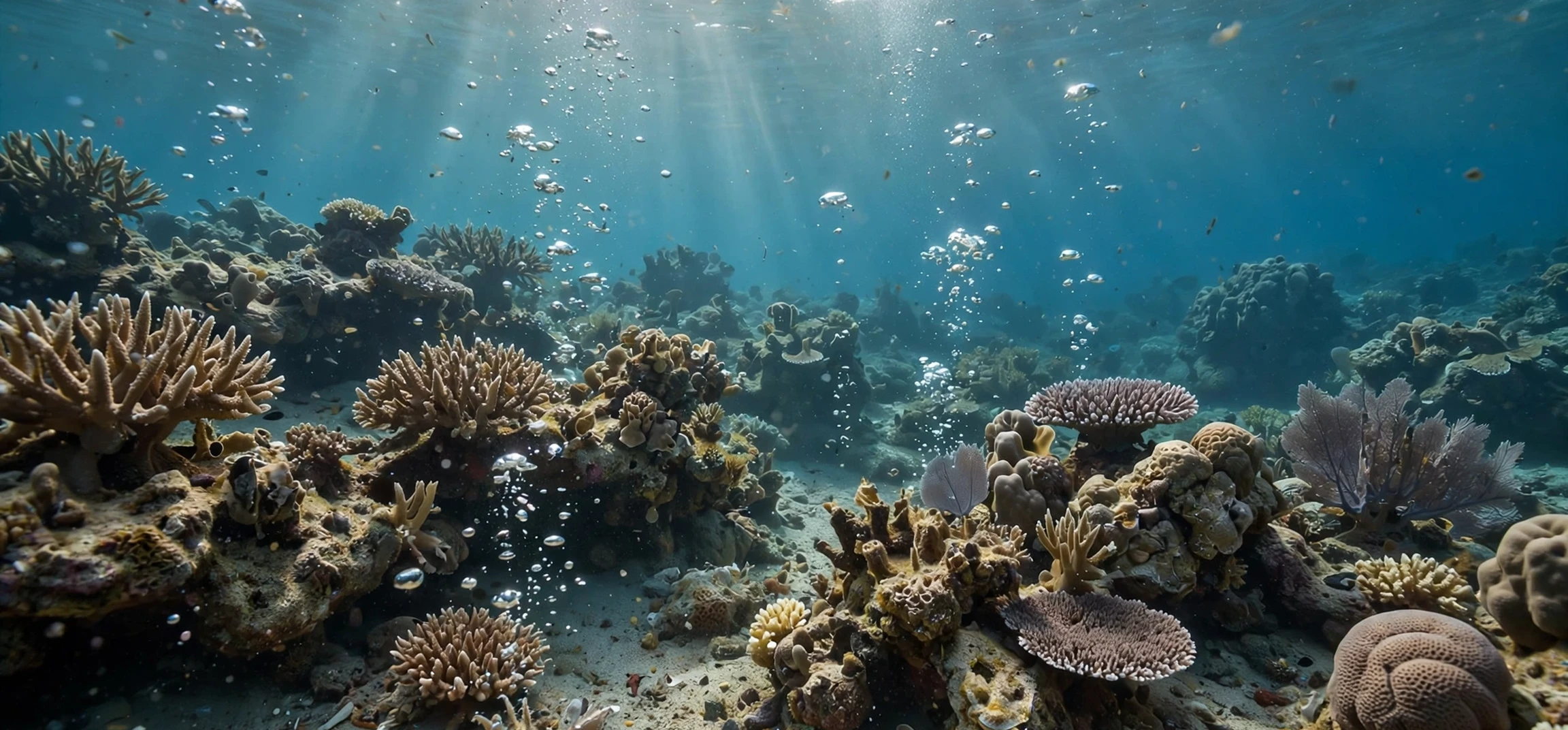
The setting of the Snorks cartoon deserves praise in its own right. Snorkland is drawn as a bright, busy undersea town, full of coral architecture, bubble transport and sea-creature neighbours. The animators clearly enjoyed imagining how everyday life would look underwater: school lessons, sports matches, inventions and celebrations all get a marine twist, and the result is a world that feels both fantastical and familiar.
This setting also gave the writers enormous freedom. One week the story might centre on a school talent show; the next, it might involve exploring a sunken ship, meeting a new sea creature or foiling a scheme hatched by one of Snorkland’s less scrupulous residents. The underwater theme kept the show visually distinct from other cartoons of the period, which tended to favour forests, cities or outer space. Under the sea, everything shimmered, and that shimmer became part of the show’s identity.
For fans of classic animation, the Snorks cartoon is also a reminder of how much personality hand-drawn animation could pack into a half-hour episode. The colours are vivid, the character designs are clean and expressive, and the underwater effects, from drifting bubbles to swaying seaweed, create a gentle, dreamlike atmosphere that modern computer animation rarely tries to reproduce.
Why the Snorks Cartoon Worked So Well
Several ingredients explain why the Snorks cartoon found its audience and kept it. First, the premise was easy to grasp in seconds: small snorkel-wearing creatures living under the sea. A child flipping channels could understand the show immediately, which mattered enormously in the crowded Saturday morning schedules of the 1980s. Second, the humour was broad without being lazy, mixing slapstick, wordplay and character comedy in a way that worked for different ages.
Third, the show understood pacing. Episodes moved briskly from setup to complication to resolution, with songs and visual gags breaking up the dialogue. Nothing dragged, and nothing felt rushed either; each story had room to breathe while still delivering a satisfying ending. Finally, the show respected its audience. It did not talk down to children, and its lessons about honesty, teamwork and kindness were woven into the plot rather than delivered as lectures.
It is also worth noting that the show arrived during a golden period for animated television, when studios were competing hard for young viewers. Standing out required a distinctive look and a memorable world, and Snorkland delivered both. If you enjoy other retro animated series, you may also like our guide to classic cartoon schedules on Boomerang cartoon programming, which explores how beloved older shows found new audiences.
Episodes and Themes in the Snorks Cartoon
Across its run, the show returned to a handful of reliable themes, each handled with warmth and humour. Friendship is the most important: many episodes test a friendship through jealousy, competition or a simple misunderstanding, then show the characters working their way back to each other. Teamwork runs a close second, with the Snorks often needing to combine very different talents to solve a problem that no single character could manage alone.
Curiosity and invention also feature heavily. The Snorks are tinkerers and explorers by nature, and episodes built around a new gadget, a scientific experiment or an expedition into unknown waters let the writers mix comedy with a gentle celebration of learning. Environmental care appears too, in stories about keeping Snorkland’s waters clean and respecting the creatures who share the sea. These themes were never heavy-handed; they emerged naturally from characters the audience already cared about.
Music played a supporting role throughout the show, with songs that reinforced the story rather than interrupting it. The opening theme, in particular, remains instantly recognisable to fans, and it does a fine job of setting the show’s tone in under a minute: cheerful, adventurous and just a little bit silly, exactly like Snorkland itself.
| Feature | Details for fans |
|---|---|
| Main setting | Snorkland, an underwater town beneath the sea |
| Lead characters | Allstar Seaworthy, Casey Kelp, Dimmy Finster and friends |
| Studio | Hanna-Barbera |
| First broadcast | Mid-1980s, running for four seasons |
| Tone | Warm, funny, family-friendly adventure comedy |
| Best for | Retro cartoon fans, families and nostalgia viewers |
The Legacy of the Snorks Cartoon
Although the show is not as widely discussed today as some of its contemporaries, its legacy is real. It remains a fond memory for a generation of viewers, it pops up regularly in nostalgia lists and retro cartoon retrospectives, and it introduced a generation of children to the idea that an animated world could be both funny and kind. Merchandise, comics and home releases over the years have helped keep Snorkland alive for collectors and curious newcomers alike.
The show also illustrates an important chapter in animation history. The mid-1980s were a transitional period, with studios experimenting with new formats, merchandising models and international co-productions. the show sits squarely in that moment: a polished, confident series made by an established studio that understood exactly what Saturday morning audiences wanted. Fans exploring that era further might enjoy our look at Cartoon Network games and shows for a sense of how children’s animation evolved in the decades that followed.
Perhaps the most telling sign of the show’s staying power is how easily fans still quote it, hum its theme and describe Snorkland in detail decades later. Shows that are merely watched are forgotten; shows that are loved become part of people’s childhood geography. For many viewers, Snorkland is exactly that kind of place: not a real location, but a remembered one, visited every time the theme tune plays.
Where to Start With the Snorks Cartoon
If you are new to the show, the best approach is simple: start at the beginning and let the world introduce itself. Early episodes establish Snorkland, its rules and its main friendships without assuming prior knowledge, so they make an ideal entry point. Pay attention to how the show balances its ensemble: even minor characters get moments to shine, and those moments often set up jokes or storylines that pay off later.
For returning fans, a rewatch offers fresh pleasures. Adult viewers often notice the craftsmanship that passed them by as children: the consistency of the world-building, the warmth of the writing and the sheer colour of the animation. Watching with children adds another layer, as a show you loved becomes a show you can share. If you are building a retro watchlist, our guide to classic cartoon characters is a useful companion for finding your next nostalgic favourite.
Frequently Asked Questions About the Snorks Cartoon
What is the show about?
the show follows the Snorks, small snorkel-wearing creatures who live in the underwater city of Snorkland. Episodes mix adventure, comedy and gentle life lessons as the friends explore, invent, compete and help their neighbours.
Who made the show?
the show was produced by Hanna-Barbera, one of the most prolific animation studios of the twentieth century, and it first aired in the mid-1980s.
How many seasons of the show were there?
the show ran for four seasons. Its consistent cast and setting helped it build a loyal audience over that run, and it remains a favourite among retro animation fans today.
Is the show suitable for children today?
Yes. the show is gentle, funny and free of the cynicism found in much modern comedy. Its themes of friendship, honesty and teamwork still land well, making it a good choice for family viewing.
Conclusion
the show endures because it did the simple things brilliantly: a vivid world, a likeable cast, brisk storytelling and a warm heart. Snorkland may be fictional, but the affection viewers feel for it is entirely real, and that affection has carried the show across decades, formats and generations. Whether you are returning to an old favourite or meeting the Snorks for the first time, there is plenty to enjoy beneath the waves. Dive in, stay for the songs and the silliness, and you may find that Snorkland feels like home faster than you expect.



