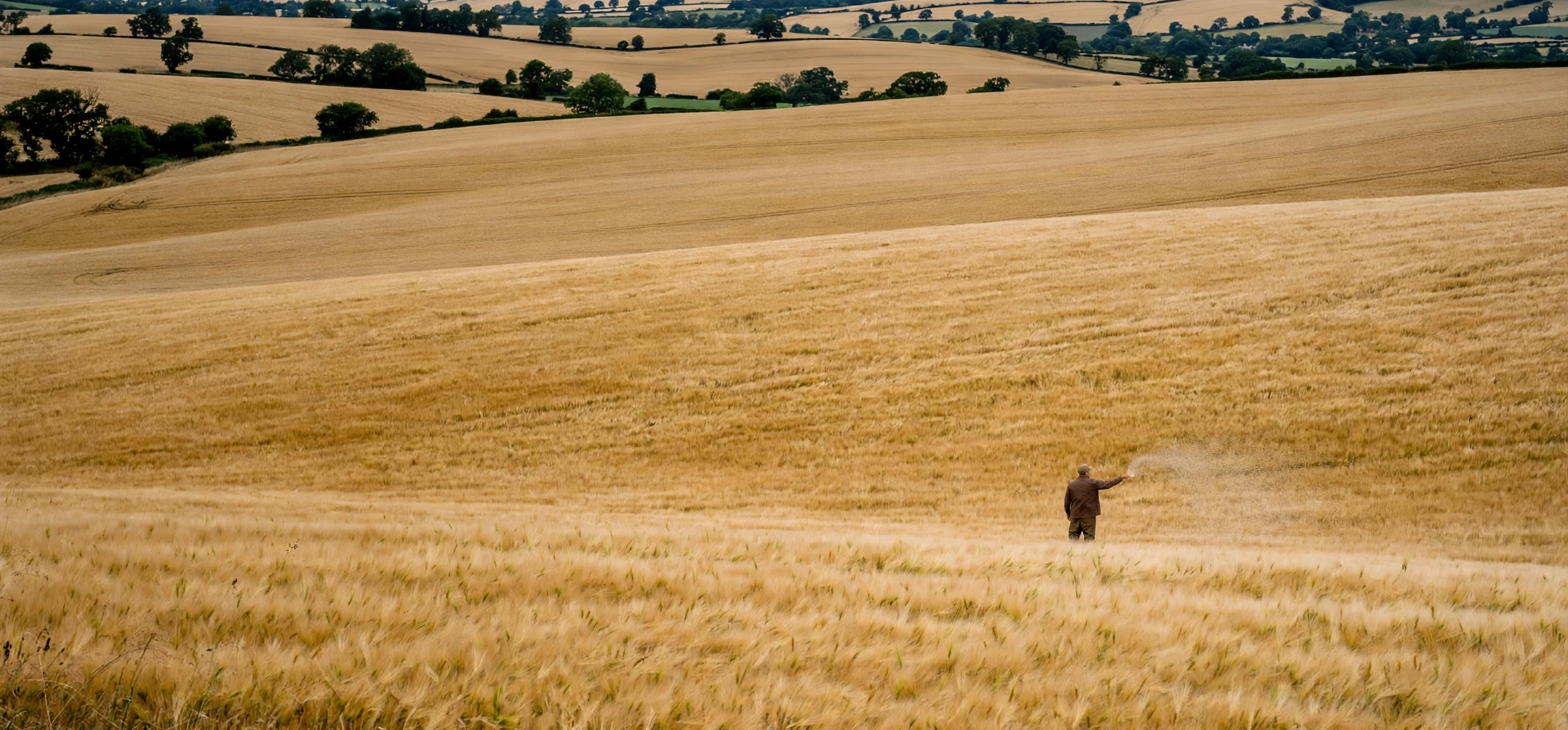
The phrase meaning sower points to a simple but powerful image: a sower is someone who sows seed, scattering it across a field in the hope that it will take root and grow. In its literal sense, “sower” describes a farm worker of an earlier age, walking the furrows with a bag of seed at the hip. In its figurative sense, which is how the word is most often used today, a sower is anyone who plants ideas, values, or influences that may grow long after the sowing is done. To understand the meaning of sower, then, is to understand both an old agricultural job and a lasting metaphor for how change begins.
This guide explains the meaning of sower in full: its literal agricultural roots, its famous appearances in scripture and literature, its use in modern speech, and the related words that surround it. Whether you met the word in a parable, a poem, a sermon, or a piece of writing about leadership and education, you will find here a clear account of what it means and why the image of sowing has lasted for thousands of years.
Meaning Sower: The Literal Sense
In farming, a sower was the person who scattered seed by hand across prepared soil. Before mechanical seed drills, this was skilled work: the sower had to judge the wind, the spacing, and the rhythm of the throw so that the seed fell evenly rather than in clumps or bare patches. The seed bag, often slung across the shoulder or around the waist, and the steady walking pace became iconic images of rural life, painted by artists from Millet to Van Gogh and described by writers from Virgil onwards.
The literal meaning of sower also carries a sense of patience and uncertainty. A sower cannot control the weather, the soil, or the birds that follow the plough. The work is done in hope rather than certainty: much of the seed may fail, but enough succeeds to make the effort worthwhile. That combination of labour, hope, and acceptance of risk is exactly why the image proved so durable as a metaphor, and why the meaning of sower extends far beyond the field.
Meaning Sower in Scripture
The most famous sower in Western culture appears in the Parable of the Sower, told in the Gospels of Matthew, Mark, and Luke. In the story, a sower scatters seed that falls on four kinds of ground: a path, where birds eat it; rocky ground, where it springs up quickly but withers; ground among thorns, where it is choked; and good soil, where it produces a plentiful harvest. The parable uses the sower to explore how the same message can meet very different receptions, depending on the hearer.
Because the parable is so well known, the word “sower” in religious and literary contexts often carries this specific resonance. A preacher described as a sower of the word is being compared to that figure: someone who broadcasts a message widely, knowing that not every hearer will respond, but trusting that some will. Even readers with no religious background usually recognise the image, because it has passed into general culture as a way of talking about teaching, persuasion, and influence.
Meaning Sower in Figurative Use
Beyond scripture, “sower” is used figuratively for anyone who introduces ideas or attitudes that later grow. A teacher may be called a sower of curiosity; a writer, a sower of doubt; a political agitator, a sower of discord. The phrase “sowing the seeds of” something is the most common modern form of this metaphor, and it works for both good and bad outcomes: one can sow the seeds of kindness, of rebellion, of suspicion, or of reform, and in each case the point is that a small initial act can grow into something much larger.
Notice how the metaphor preserves the agricultural logic. Seeds are small, the growth is slow, and the sower rarely controls the final harvest. That is why the image suits discussions of education, culture, and social change so well: it captures the long delay between an action and its result, and the humility of acting without knowing the outcome. When someone is called a sower, the compliment — or the accusation — is usually about influence over time, not about immediate power.
Sower in Art and Literature
Artists have returned to the sower again and again. Jean-François Millet’s “The Sower” of 1850 shows a peasant striding across a field at dusk, and became a symbol of honest labour and the dignity of rural life. Vincent van Gogh painted the subject repeatedly, seeing in the sower an image of the artist himself: someone who casts work out into the world without knowing what will grow from it. In literature, the sower appears in poems, hymns, and novels as a figure of hope, patience, and the cycles of the seasons.
These artistic uses matter because they show how the meaning of sower has been enriched over centuries. The word no longer refers only to a job; it refers to a whole attitude towards work and time. A sower works in the present for a future harvest, accepts that much effort will be wasted, and trusts the process anyway. That is a philosophy as much as a definition, and it explains why the image still feels fresh even in an age of mechanised farming.
Related Words: Sow, Sown, and Sowing
The word family around “sower” is worth knowing, because the different forms are easily confused. “Sow” is the verb, pronounced to rhyme with “go” when it means to plant seed — not to be confused with “sow” the noun for a female pig, pronounced to rhyme with “cow”. The past tense is “sowed”, and the past participle is “sown”: a field is sown with wheat, and the wheat that grows is described as sown. “Sowing” is the activity itself, and “sower” is the person who does it.
Other related terms include “seed”, “broadcast” — which originally meant scattering seed broadly by hand, before it came to mean radio and television transmission — and “harvest”, the gathering that completes the cycle the sower began. Together, these words form a small vocabulary of beginning, growth, and return that English has borrowed for countless figurative purposes, from “reaping what you sow” to “broadcasting” a message to a wide audience. Readers exploring word origins may also like our guides to name meanings and literary word meanings.
| Word | Form | Meaning |
|---|---|---|
| Sow | Verb | To plant seed by scattering it |
| Sower | Noun | One who sows seed, literally or figuratively |
| Sown | Past participle | Having been planted as seed |
| Sowing | Gerund / noun | The act of scattering seed |
| Broadcast | Verb / noun | Originally, to scatter seed widely; now, to transmit widely |
Sower in Proverbs and Everyday Speech
The image of the sower lives on in proverbs that most English speakers know even if they have never seen a field sown by hand. “You reap what you sow” is the best known: actions, like seeds, produce consequences of their own kind, and the harvest cannot be blamed on anyone but the sower. “Sow the wind and reap the whirlwind” warns that small reckless acts can grow into large disasters, just as a handful of seed scattered carelessly can produce a crop of thorns. Both sayings preserve the agricultural logic of the sower: causes are planted, effects grow, and time separates the two.
Modern speech keeps the metaphor alive in subtler ways. Teachers talk about sowing curiosity, managers about sowing team spirit, and campaigners about sowing awareness, each time borrowing the sower’s patience and uncertainty. The metaphor works because it is honest about control: a sower cannot force growth, only create the conditions for it. That honesty is why the image has survived mechanisation, urbanisation, and the decline of hand-sowing itself. The job has largely vanished, but the idea of the sower — someone who acts now for a harvest they may never see — remains one of the most durable pictures of human hope in the language.
Frequently Asked Questions
What does sower mean?
A sower is someone who sows seed. Literally, it means a farm worker who scatters seed by hand; figuratively, it means anyone who plants ideas or influences that may grow over time.
What is the Parable of the Sower about?
It is a story in the Gospels in which seed falls on four kinds of ground — a path, rocky ground, thorny ground, and good soil — illustrating how the same message can meet very different receptions.
Is sower the same as farmer?
Not exactly. A farmer does many jobs, while a sower performs the specific job of scattering seed. In figurative use, “sower” emphasises the act of planting and the hope of future growth, rather than farming in general.
Conclusion
The meaning of sower is both humble and profound: a person who scatters seed, and by extension, a person who plants anything that may grow. From the fields of the ancient world to the Parable of the Sower, from Millet’s paintings to modern phrases about sowing the seeds of change, the image has endured because it tells a truth about human effort. We act, we wait, and we cannot fully control what grows — but without the sower, there is no harvest at all.



