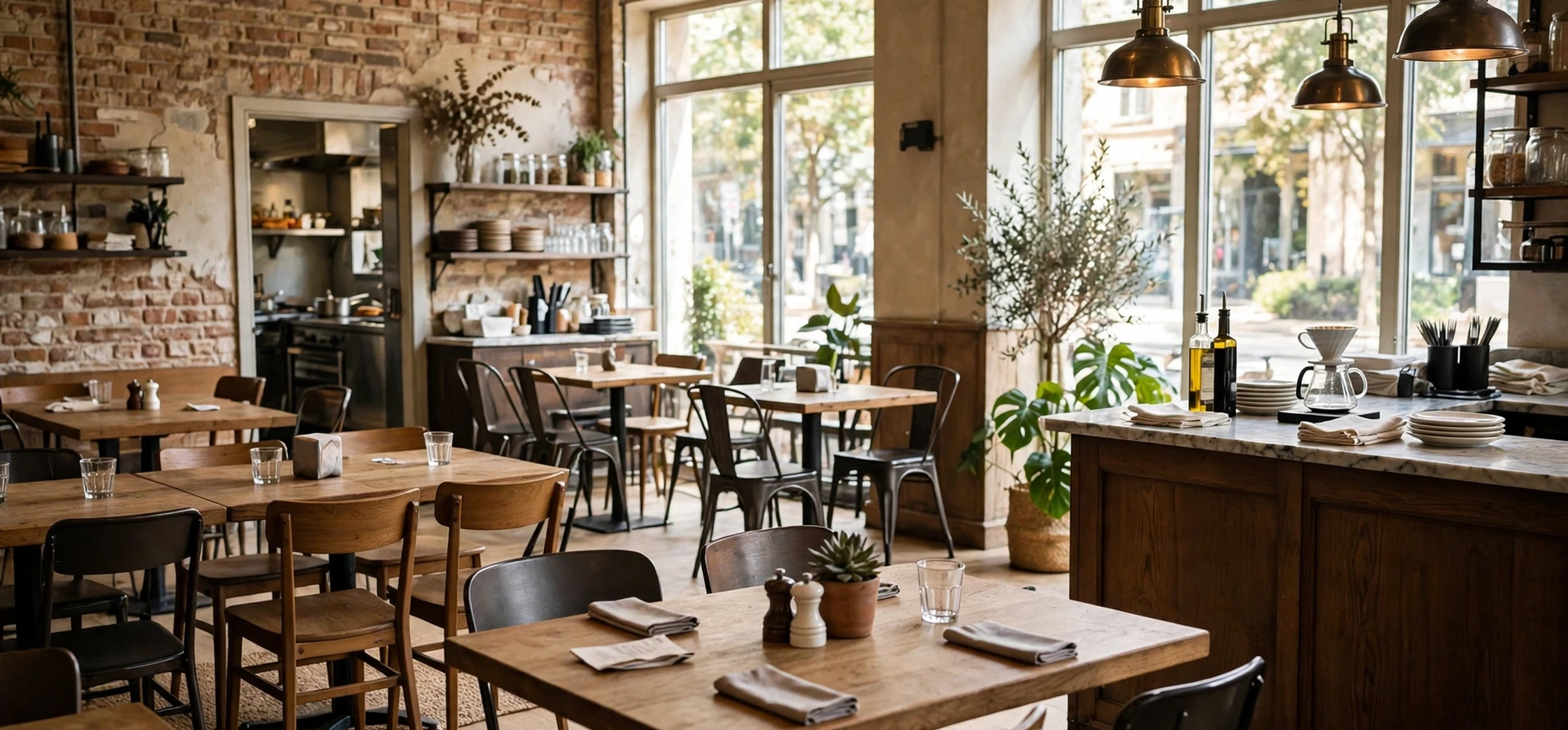
If you searched for “restaurant names in spanish”, you are probably looking for inspiration for a Spanish restaurant, a Spanish-themed eatery, or simply the right words to describe a place where people gather to eat. Spanish restaurant names carry warmth, rhythm, and appetite appeal, and the best ones tell a story in just two or three words. In this guide, you will find ideas grouped by style, the meanings behind popular Spanish food words, and practical tips for choosing a name that works on a sign, a menu, and a search result.
Why Spanish Restaurant Names Work So Well
Spanish is a language built for food. Words like casa, cocina, sabor, and mesa roll off the tongue and instantly suggest home cooking, flavour, and gathering. A name in Spanish can make a small neighbourhood restaurant feel like a destination, even before a guest tastes a single dish. That is why so many successful restaurants around the world borrow Spanish words, even when their owners are not Spanish speakers themselves.
The appeal is not just sound. Spanish restaurant names often describe exactly what the restaurant offers. La Cocina means the kitchen. El Sabor means the flavour. Casa Maria suggests a home-style table run by someone named Maria. Guests understand the promise before they walk in, which builds trust and curiosity at the same time.
Classic Spanish Restaurant Names and Their Meanings
Some Spanish restaurant names have become classics because they are simple, elegant, and easy to remember. La Casa means the house, and it works for any restaurant that wants to feel welcoming. El Rincon means the corner, a perfect name for a small, cosy spot tucked into a neighbourhood. La Mesa means the table, which suits family-style dining.
Other favourites include Casa del Mar, the house of the sea, ideal for a seafood restaurant, and Tierra y Mar, land and sea, which suits a menu that mixes meat and fish. If your restaurant serves tapas, consider La Taberna, the tavern, or Tapas y Vino, tapas and wine, which tells guests exactly what to expect.
Restaurant Names in Spanish by Theme
Choosing a theme first makes naming much easier. A coastal restaurant might use words like mar, playa, or brisa, meaning sea, beach, and breeze. A mountain or countryside restaurant might use sierra, campo, or huerta, meaning mountain range, countryside, and vegetable garden. A city restaurant might use plaza, calle, or mercado, meaning square, street, and market.
For a modern restaurant, short and punchy names work best. Sabor, Fuego, and Alma mean flavour, fire, and soul. Each is a single word, easy to pronounce, and strong on a logo. For a traditional restaurant, longer names with a sense of place work well, such as Cocina de la Abuela, grandmother’s kitchen, or El Meson de la Plaza, the inn on the square.
Spanish Food Words That Make Great Names
The Spanish language is full of food words that double as beautiful names. Paella, gazpacho, and churros are dishes that guests already know, and using them in a name sets expectations clearly. A churro stand called Churros y Chocolate needs no further explanation. A paella restaurant called La Paella Valenciana signals authenticity and regional pride.
Other useful words include horno, meaning oven, which suits a wood-fired restaurant; asador, meaning grill or roast house; and bodega, meaning wine cellar or grocery store. A wine bar might call itself La Bodega, while a grill house might choose El Asador. Each word carries a clear image, which is exactly what a restaurant name should do.
Tips for Choosing a Spanish Restaurant Name
First, say the name out loud. If guests cannot pronounce it, they will struggle to recommend it to friends or search for it later. Short names with clear sounds travel best. Second, check the meaning carefully. A word that sounds beautiful may have an unexpected meaning in another Spanish-speaking country, so verify it with a native speaker before committing.
Third, think about your menu. A name that promises seafood will disappoint guests if the menu is mostly steak. A name that promises home cooking should deliver generous, comforting portions. The name is a promise, and keeping that promise is what turns first-time guests into regulars.
Finally, make sure the name works online. A unique name is easier to find in search results than a generic one. Pairing a common word with a place or a family name, such as Casa Luna or El Sabor de Sevilla, creates a name that is both evocative and distinctive.
Spanish Restaurant Name Ideas at a Glance
| Name | Meaning | Best For |
|---|---|---|
| La Cocina | The kitchen | Home-style cooking |
| El Sabor | The flavour | Modern Spanish dining |
| Casa del Mar | House of the sea | Seafood restaurant |
| La Taberna | The tavern | Tapas bar |
| Fuego y Humo | Fire and smoke | Grill house |
| La Huerta | The vegetable garden | Farm-to-table dining |
Regional Spanish Restaurant Names Across Spain and Latin America
Spanish is spoken across more than twenty countries, and restaurant names reflect that variety. In Spain, names often reference regions: Catalan, Basque, Galician, and Andalusian words appear alongside Castilian Spanish. A restaurant in San Sebastian might use the Basque word txoko, meaning a gastronomic society, while a Galician restaurant might use marisqueria, a seafood restaurant, to signal its coastal roots. These regional touches tell guests that the cooking is rooted in a specific place, not just a generic idea of Spain.
In Mexico, restaurant names often use words like fonda, a small traditional eatery, or antojitos, meaning little cravings, the small dishes sold at street stalls and markets. In Argentina, a parrilla is a grill restaurant, and the word alone promises fire-cooked meat and a lively atmosphere. In Peru, a cevicheria specialises in ceviche, and the name tells seafood lovers they have found the right place. Each of these words carries a whole culinary tradition in a single term, which is why they make such effective names.
When borrowing a regional name, it is worth learning the tradition behind it. A fonda is expected to be affordable and homely, not formal. A parrilla is expected to cook over open flame. Matching the name to the real experience avoids disappointing guests and shows respect for the culture the name comes from. Diners increasingly notice when a restaurant’s name, menu, and atmosphere tell the same story, and they reward that consistency with loyalty and recommendations.
Branding and Marketing a Spanish Restaurant Name
Once you have chosen a name, the work of branding begins. A Spanish restaurant name should look as good as it sounds, so typography matters. Elegant serif fonts suit traditional names like La Casa de la Abuela, while bold, modern type suits single-word names like Fuego or Sabor. Colour matters too: warm reds, terracotta, and deep greens echo Spanish tiles, markets, and countryside, while black and gold suggest a more upscale dining room.
The name also needs to work on menus, signage, delivery apps, and social media. Test it at small sizes, because a long name that looks grand on a sign may be unreadable on a phone screen. Short names and names with a clear short form, such as Casa Luna shortened to Luna in a logo mark, adapt more easily. Check that the name is available as a web domain and on the social platforms you plan to use, and consider whether guests will spell it correctly when searching. A name that is beautiful but hard to spell can cost you online orders, so a simple spelling is a practical advantage as well as an aesthetic one.
What ‘restaurant names in spanish’ Means
Searching for the right Spanish name takes patience, because the perfect name must sound beautiful, mean something fitting, and work for your menu. Many searchers are restaurant owners comparing options, while others are students, writers, or trivia fans exploring the language. Whatever your reason, the ideas in this guide give you a strong starting point, and the meanings behind each word help you choose with confidence rather than guesswork.
Why ‘restaurant names in spanish’ Appears in Search Results
Search results for this term mix name lists, translation tools, and restaurant directories, which can make it hard to find practical advice. That is why this guide groups names by theme and explains each one, so you can move from browsing to deciding. Keep a shortlist, test each name aloud, and check that it fits your concept before committing to signage or a menu.
Frequently Asked Questions
What is a good Spanish name for a restaurant?
A good Spanish name is short, easy to pronounce, and matched to the menu. La Cocina, El Sabor, and Casa Luna are all strong choices because they are memorable and clearly connected to food and hospitality.
Should a non-Spanish restaurant use a Spanish name?
Yes, if the name reflects the food or atmosphere honestly. A Spanish name on a Mexican, Latin American, or Mediterranean restaurant feels natural, but the menu and decor should support the promise the name makes.
How do I check a Spanish restaurant name is not already taken?
Search the name online, check local business registries, and look for matching social media handles. A name that is free in your city may still be used elsewhere, so a distinctive combination is safer than a single common word.
Conclusion
Spanish restaurant names succeed because they combine sound, meaning, and appetite appeal in a handful of words. Whether you choose a classic like La Casa, a descriptive name like Casa del Mar, or a single powerful word like Sabor, the best name is one that matches your menu, is easy to say, and makes guests hungry before they even sit down. Take time to test your shortlist with friends, native speakers, and potential guests, and you will find a name that serves your restaurant as well as your food does. For more naming inspiration, see our guides to character name ideas and famous group names.



