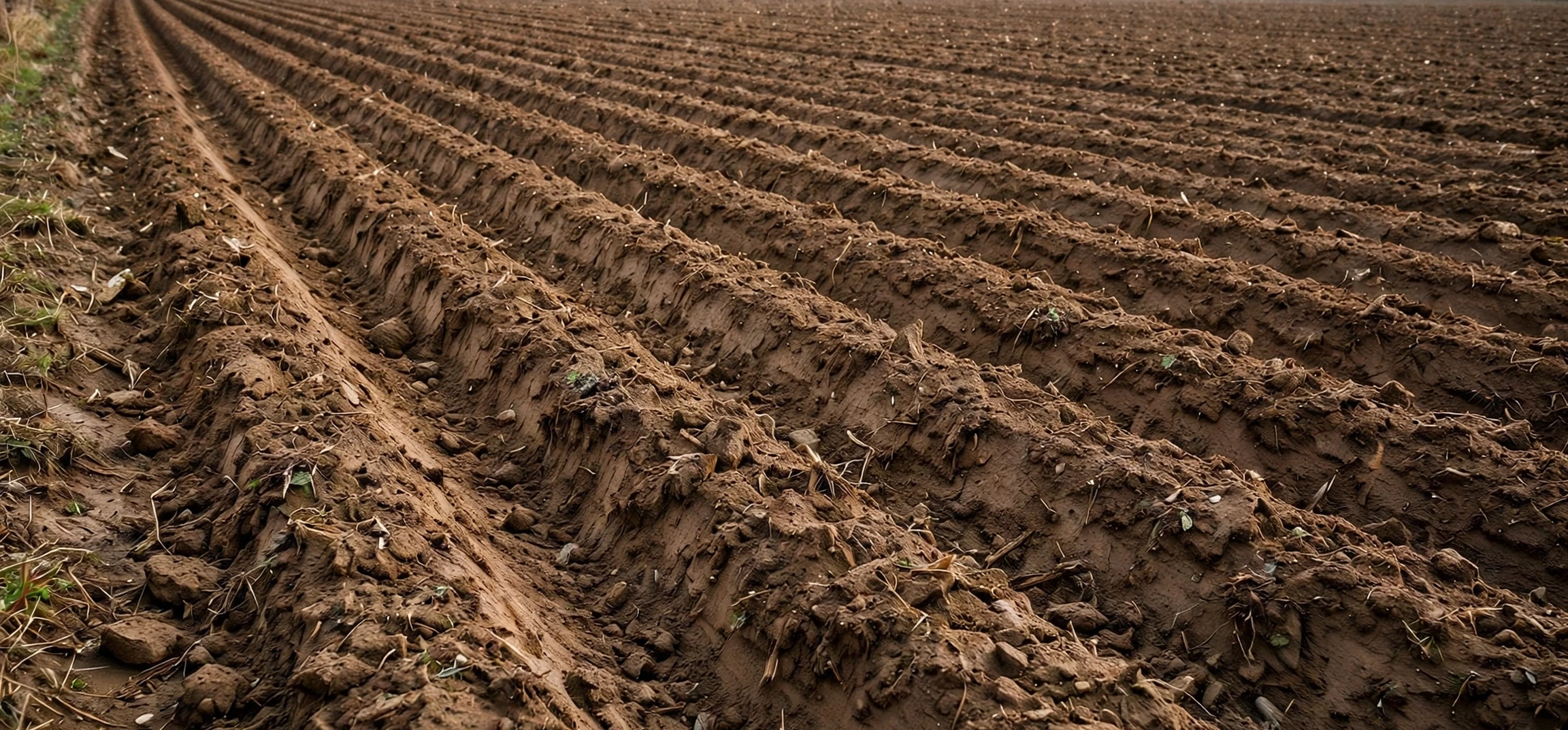
If you have searched what does tilth mean, you have met a farming word that sounds old-fashioned but describes something every gardener and farmer still deals with today: the physical condition of soil, especially how well it is prepared for planting. In simple terms, tilth is the state of soil when it is crumbly, workable, well-aerated, and able to hold moisture and nutrients while letting roots grow freely. Good tilth makes planting easier, helps seeds germinate, and supports healthy crops. Poor tilth, by contrast, means soil that is compacted, cloddy, waterlogged, or too dry and hard for roots to explore.
The word comes from an older farming vocabulary, related to tilling the land, and it has survived because no single modern word captures exactly the same idea. Soil texture describes the proportions of sand, silt, and clay. Soil structure describes how those particles clump together. Soil fertility describes nutrient levels. Tilth brings several of those ideas together into one practical judgement: is this soil in good condition to work, to plant, and to grow in? That practical focus is why the term still appears in gardening books, agricultural guides, and soil science discussions.
What Does Tilth Mean in Farming?
In farming, the answer to what does tilth mean is grounded in the field, not in a dictionary alone. A farmer walking a field in spring squeezes a handful of soil, breaks apart clods, looks at how it crumbles, checks whether it sticks together when wet or blows away when dry, and judges whether the seedbed is ready. Soil in good tilth breaks into small, stable crumbs rather than large hard lumps or fine dust. It holds its shape loosely, drains excess water without drying out too fast, and allows air to reach roots and soil organisms.
That judgement matters because seeds need consistent contact with moist soil to germinate, and young roots need pores to grow through. If soil is compacted by heavy machinery, livestock, or repeated foot traffic when wet, those pores collapse. Water pools on the surface instead of soaking in, roots stay shallow, and plants struggle even when nutrients are present. If soil is overworked into dust, it may crust over after rain, sealing the surface and blocking seedlings. Good tilth sits between those extremes: firm enough to support plants, loose enough to let them grow.
Texture, structure, and tilth compared
Texture is fixed by the mineral mix. Sandy soil feels gritty and drains fast. Clay soil feels smooth and sticky when wet and holds water longer. Silty soil feels soft and smooth. Loam, a mix of sand, silt, and clay with organic matter, is often prized because it balances drainage and water retention. A farmer cannot easily change texture, but can improve structure and tilth through management.
Structure is about aggregation, the way soil particles bind into crumbs or aggregates, helped by organic matter, roots, fungi, and soil animals such as earthworms. Good structure creates pores of different sizes: small pores hold water, larger pores let air and excess water move. Tilth is the practical result of texture plus structure plus moisture at the time of working. The same field can have good tilth when moisture is right and poor tilth when it is worked too wet or too dry, which is why timing matters so much in tillage and planting.
What Does Tilth Mean for Gardeners?
For gardeners, what does tilth mean in everyday practice is simpler to see in a raised bed or a vegetable patch. Dig a fork into soil in good tilth and it enters easily, lifts in crumbs, and smells earthy and fresh. Dig into compacted soil and the fork bounces, the soil comes up in slabs, and roots from last season look flattened or stunted. Dig into soil that is too dry and it may shatter into dust, while soil that is too wet may smear and stick to tools.
Gardeners improve tilth over seasons, not overnight. Adding compost, well-rotted manure where appropriate, leaf mould, and other organic matter feeds soil organisms and helps aggregates form. Mulching protects the surface from crusting, erosion, and drying. Avoiding walking on beds, using paths and boards, prevents compaction. Rotating crops, growing cover crops in bare periods, and leaving roots in place after harvest can also help, because roots create channels and feed soil life as they decay. Each of these steps is small on its own, but together they transform heavy or lifeless soil into a workable, living medium.
Signs of good tilth in a garden bed
Look for soil that crumbles when squeezed gently, that is darkened by organic matter, that drains after watering without puddling for long, and that is full of small signs of life, from earthworms to fine white root hairs. Seedlings should emerge evenly, and plants should root deeply rather than sitting in a shallow mat. If water runs off the surface instead of soaking in, if a crust forms after rain, or if tools struggle to penetrate, tilth probably needs attention. Those signs are more useful than any single test, because they show how soil behaves in real growing conditions.
It is also worth noting that different plants prefer slightly different conditions. Root vegetables often do best in deep, loose, stone-free soil. Heavy feeders such as squash and brassicas appreciate rich, moisture-retentive soil with plenty of organic matter. Mediterranean herbs often prefer sharper drainage and leaner soil. Good tilth is therefore not one universal recipe. It is soil in the right condition for the crop being grown, at the right moisture, with the structure that crop needs.
How Tilth Is Created and Lost
Tilth is created by a combination of biology, chemistry, and careful physical work. Soil organisms, from bacteria and fungi to earthworms and insects, build aggregates by binding particles with glues, threads, and casts. Plant roots push through soil, open pores, and release compounds that feed microbes. Organic matter acts as both food and building material, darkening soil and improving its ability to hold water and nutrients. Over time, a living soil develops a crumb structure that holds together when handled but breaks apart easily for planting.
Tilth is lost when those processes are disrupted. Working soil when it is too wet smears and compacts it, destroying pores. Working it too often or too aggressively can break aggregates into dust and damage soil life. Heavy machinery, repeated passes, and bare soil left exposed to rain and wind cause compaction, erosion, and crusting. Loss of organic matter, through erosion, burning, or long periods without plant cover, gradually leaves soil paler, harder, and less able to hold water. Recovery is possible, but it takes seasons of cover, organic inputs, and gentler handling, which is why experienced growers protect tilth rather than trying to rebuild it every year.
Tillage and tilth: a careful balance
Tillage, the mechanical preparation of soil, has a double edge. Light, well-timed tillage can break a crust, incorporate organic matter, prepare a seedbed, and control weeds. Heavy, repeated, or poorly timed tillage can destroy structure, bury organic matter too deeply, bring weed seeds to the surface, and leave soil vulnerable to erosion. Many modern growers therefore reduce tillage, use shallow or targeted cultivation, and rely more on mulches, cover crops, and rotation to maintain tilth. Others still till, but time it carefully when moisture is right and avoid overworking the seedbed.
There is no single correct approach for every soil, climate, and crop. A heavy clay soil in a wet climate faces different challenges from a sandy soil in a dry climate. The shared principle is to disturb soil as little as needed to achieve a good seedbed, to keep soil covered whenever possible, and to return organic matter regularly. Growers who follow that principle usually find that tilth improves year by year, even if progress is gradual. Readers exploring other word meanings can also enjoy our guide to acceded meaning and our explainer on aloft meaning, which take the same plain-language approach to uncommon terms.
| Soil condition | What it looks and feels like | What it means for planting |
|---|---|---|
| Good tilth | Crumbly, moist, earthy, easy to dig | Seeds germinate evenly, roots grow deep |
| Compacted soil | Hard slabs, poor drainage, shallow roots | Water pools, plants struggle, growth is stunted |
| Overworked, dusty soil | Fine powder, crusts after rain | Seedlings blocked, surface seals, erosion risk |
| Waterlogged soil | Soggy, sticky, sour smell, no air pores | Roots suffocate, seeds rot, work must wait |
| Sandy, low-organic soil | Gritty, loose, dries fast, pale colour | Drains too fast, needs compost and mulch |
| Clay soil in good tilth | Crumbs, not slabs, holds moisture well | Productive once structure and organic matter improve |
Tilth Through History and in Literature
The word tilth has deep roots in agricultural English. It is related to till, tilth, and the act of tilling, and it appears in older farming texts, poetry, and even in translations of ancient works where the cultivation of land stands for civilisation itself. In that older sense, tilth could mean tilled land, the act of tilling, or the condition produced by tilling. Modern soil science has narrowed the everyday use to soil condition, but the older resonance remains: good tilth represents land that has been cared for, worked at the right time, and prepared for growth.
That history explains why the word feels literary to many readers. It turns up in gardening writing, in descriptions of allotments and farms, and in discussions of sustainable agriculture, where soil health is a central theme. Writers use it because it conveys care and condition in one word, where a longer phrase would be needed otherwise. A field in good tilth is not just soil with the right chemistry. It is soil that has been managed well over time, and the word carries that sense of stewardship with it.
Modern soil health movements have given tilth renewed relevance. Concepts such as soil organic matter, soil biology, water infiltration, and aggregate stability all connect to the older idea of tilth, even when the word itself is not used. Farmers and gardeners who talk about building soil health, improving drainage, or creating a good seedbed are, in practical terms, talking about tilth. The vocabulary has expanded, but the goal has stayed the same: soil that supports life, holds water wisely, and yields healthy plants season after season.
Frequently Asked Questions About Tilth
Is tilth the same as fertility?
No. Fertility is mainly about nutrients available to plants. Tilth is mainly about physical condition: structure, workability, aeration, and moisture behaviour. A soil can be fertile but in poor tilth if it is compacted, and a soil in good tilth can still need nutrients. Both matter, and good growing usually needs both together.
Can tilth be measured?
Farmers and scientists use several indicators, including aggregate stability, bulk density, water infiltration rate, organic matter content, and earthworm counts. Home gardeners usually judge tilth by feel, appearance, drainage, and plant performance, which are practical and reliable for everyday growing. For another plain-language term guide, see our article on 888 tattoo meaning.
How long does it take to improve tilth?
Some improvement can be seen in a single season with compost, mulch, and careful handling, but deep transformation of heavy or degraded soil usually takes several seasons. Cover crops, rotation, reduced compaction, and regular organic matter are long-term investments, and patience is part of the process.
Does no-dig gardening improve tilth?
Many no-dig gardeners report improved tilth over time, because undisturbed soil life builds structure and mulches protect the surface. Results depend on starting soil, climate, and management, but the principle of minimising disturbance while adding organic matter on top is widely used to protect and build tilth.
What is the opposite of good tilth?
Poor tilth covers several problems: compaction, crusting, waterlogging, dustiness, and loss of structure. Each has different causes, from working wet soil to erosion and organic matter loss, so the remedy should match the specific problem rather than applying one fix to every field.
What Does Tilth Mean: A Quick Recap
If you want a one-paragraph answer to carry into the garden, here it is. The question what does tilth mean asks about the physical condition of soil for planting: soil in good tilth is crumbly, workable, aerated, and able to hold moisture without waterlogging, while soil in poor tilth is compacted, cloddy, dusty, or soggy. That answer covers the definition, but the practical value of asking what does tilth mean lies in what you do next, which is to look at your own soil, test how it crumbles, watch how water soaks in, and judge whether roots can grow freely through it.
Building tilth is a seasonal habit, not a single job. Add organic matter regularly, keep soil covered with mulch or cover crops, avoid working wet soil, stay off beds where possible, and give soil life time to build structure. Each season that you follow those habits, the question what does tilth mean becomes easier to answer from experience, because you will feel the difference in your fork, see it in seedling emergence, and notice it in deeper, healthier root growth. Poor seasons, by contrast, usually trace back to compaction, erosion, or loss of organic matter, all of which can be reversed with patience.
Finally, remember that the phrase what does tilth mean connects an old farming word to a modern soil-health idea. Texture cannot easily be changed, fertility can be adjusted with nutrients, but tilth is earned through management, and it is the bridge between the two. A gardener or farmer who protects tilth protects water, roots, and soil life at the same time, which is why the word has survived for centuries and why it still deserves a place in every grower’s vocabulary.
Conclusion
So, what does tilth mean in clear, practical terms? It means soil in good working condition: crumbly, aerated, moisture-retentive without being waterlogged, and ready for seeds and roots to thrive. It is the result of texture, structure, organic matter, soil life, and careful timing coming together, and it is both a sign of good management and a foundation for good harvests. Whether you farm acres or tend a small garden bed, learning to recognise tilth, protect it from compaction and erosion, and build it with compost, mulch, cover, and patience will repay you in healthier plants and easier work. The next time you pick up a handful of soil, squeeze it gently, watch how it crumbles, and you will know exactly what tilth means, not from a definition alone, but from the soil in your own hands.