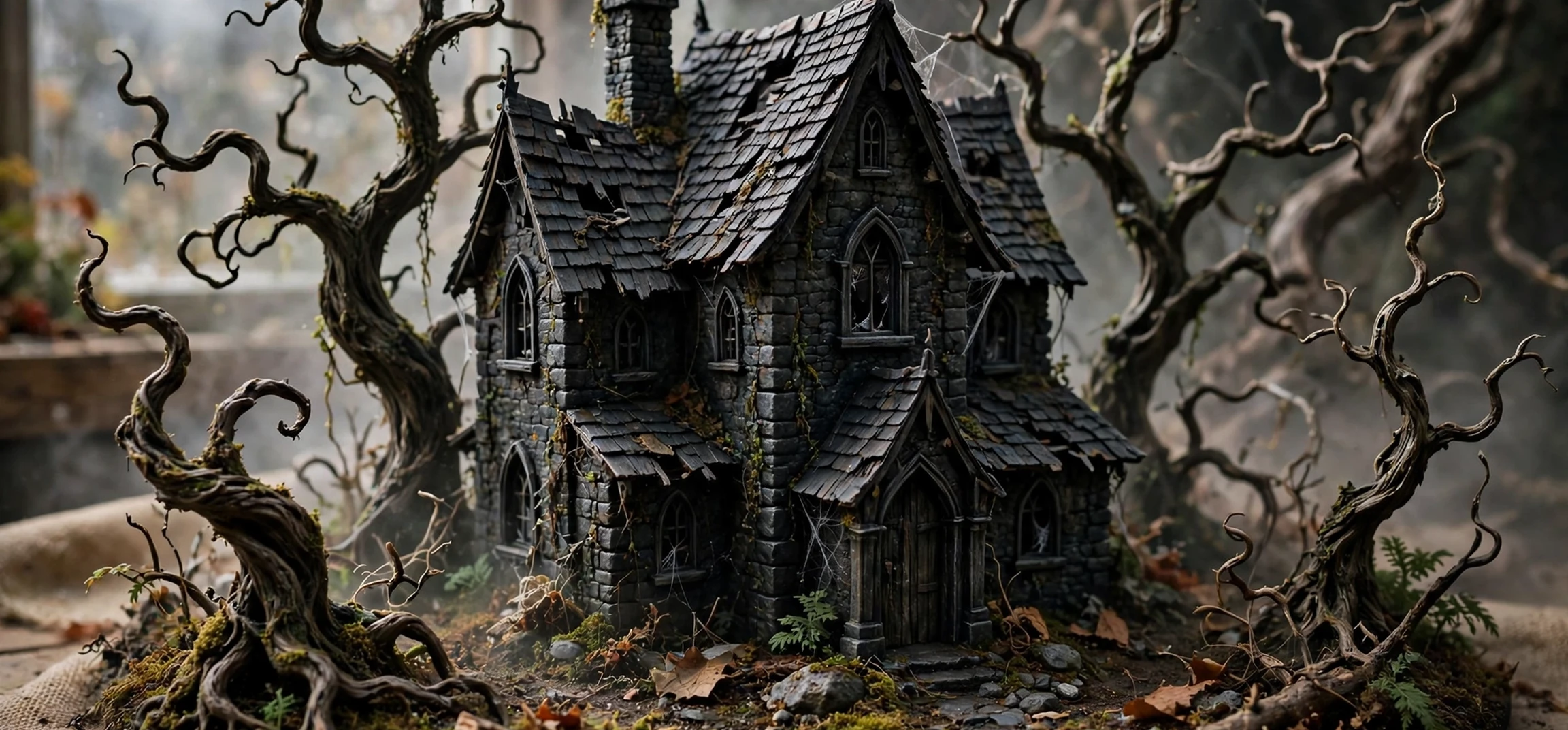
If you have typed tim burton anime into a search box, you are not alone, and the phrase itself deserves a clear explanation before anything else. Tim Burton anime is a search term, not a formal genre label and not the name of a real anime series. People use tim burton anime when they are looking for his animated films, the dark, hand-crafted stop-motion and animated worlds that made his name famous with audiences around the world. His animated films are American productions with a gothic, storybook style, rather than Japanese anime, but the search term captures exactly what fans picture: pale moonlight, striped socks, stitched-together heroes, and songs that stay in your head for days. This guide looks at his most-watched animated films, what makes them special, and why they continue to attract new viewers decades after their first release.
Tim Burton began his career as an animator, and that training never left his work. Even in his live-action films, you can see the animator’s eye for silhouette, shadow, and character design. When he turned to feature animation, he brought a worldview shaped by classic horror films, Halloween imagery, and suburban childhood memories. The result is a filmography that feels instantly recognisable, whether the puppets are made of foam and wire or the images are drawn frame by frame. For newcomers, the best starting point is his trio of best-known animated features, and this guide covers each of them in turn, along with the shorter works and collaborations that round out the picture.
Tim Burton Anime and The Nightmare Before Christmas
The Nightmare Before Christmas from 1993 remains the first film most people think of when they search for tim burton anime, even though Burton conceived and produced the story while Henry Selick directed it. The film follows Jack Skellington, the Pumpkin King of Halloween Town, who stumbles into Christmas Town and decides to take over the holiday himself, with gloriously chaotic results. Danny Elfman’s songs carry the story, and the stop-motion animation gives every character a handmade warmth that computer animation rarely matches. The film was a modest success on release and then grew, year after year, into a cultural fixture that returns every Halloween and every Christmas.
What keeps audiences coming back is the craft. Every frame was posed by hand, every set was built as a miniature world, and the lighting leans into deep shadows and cold moonlight. Jack’s long limbs and stitched suit, Sally’s patchwork dress, and the lurching figure of Oogie Boogie have become visual shorthand for Burton’s style. The film also works because its story is simple and sincere: a character who is brilliant at one thing discovers that borrowing someone else’s joy is not the same as finding his own. That emotional core is why parents who watched it as children now share it with their own families.
Why It Became a Classic
Several factors combined to turn a seasonal curiosity into a classic. The music gave the film a life beyond the screen, with songs performed at concerts and covered by countless artists. The merchandise and theme-park presence kept the characters visible all year round. Most importantly, the film refuses to talk down to its audience: it treats Halloween Town as a real community with jobs, routines, and pride, and it treats Christmas Town with equal respect. That balance of spooky and sweet is the signature of the best tim burton anime searches, and it explains why this film tops almost every most-watched list of his animated work.
Tim Burton Anime and Corpse Bride
Corpse Bride from 2005 is Burton’s most visually refined stop-motion feature, and it is the second essential stop for anyone exploring tim burton anime. Victor Van Dort, a shy young man about to enter an arranged marriage, practises his vows in a forest and accidentally marries Emily, a murdered bride waiting in the Land of the Dead. The film contrasts the grey, rigid world of the living with the colourful, musical world of the dead, a reversal that lets Burton celebrate misfits and mourn the way polite society crushes feeling. Johnny Depp voices Victor and Helena Bonham Carter voices Emily, and their performances give the fantasy a genuine emotional weight.
Technically, Corpse Bride was a leap forward. The puppets used more advanced armatures, and the animators could capture subtler facial expressions than in earlier work. The Land of the Dead bursts with jazz, dancing skeletons, and a warmth that makes the living world look cold by comparison. Yet the story never loses its tenderness: Emily’s final choice, to free Victor rather than hold him to a vow he never meant, is one of the most moving moments in Burton’s career. For viewers who like romance with their gothic fantasy, this is often the favourite of his animated films.
The Look of the Land of the Dead
Burton and co-director Mike Johnson built two worlds that mirror each other. The living world is drawn in muted greys and browns, with stiff costumes and stiff manners to match. The dead world glows blue and green, full of music, jokes, and characters who finally feel free. That contrast is the film’s argument in visual form: liveliness is not the same as being alive, and a community that welcomes difference is richer than one that polices it. It is a theme that runs through all the films people find when they search for tim burton anime.
Frankenweenie and Burton’s Short Films
Frankenweenie began as a live-action short in 1984 and returned in 2012 as a black-and-white stop-motion feature, and it is the most personal film in Burton’s animated career. A boy named Victor loses his beloved dog Sparky and, inspired by a science lesson, brings him back to life with a homemade experiment. The story is a tribute to the classic Frankenstein films Burton loved as a child, but it is also a story about grief, friendship, and a boy who refuses to accept that love has to end. Filmed in black and white, it looks like a love letter to old horror cinema, and its suburban setting recalls Burton’s own childhood in Burbank.
Before the features, Burton made short films that already showed his style. Vincent from 1982, narrated by Vincent Price, follows a boy who imagines himself as the horror actor he idolises. It is only a few minutes long, but it contains the whole Burton toolkit: rhymed narration, gothic imagery, and a lonely child hero. Watching these shorts alongside the features helps explain how consistent his vision has been. The same themes return again and again: outsiders who see the world differently, adults who misunderstand them, and strange families that turn out to be the most loving ones of all.
What Tim Burton Anime Is Not
It is worth being precise, because the search term tim burton anime can mislead newcomers. Burton has not directed a Japanese anime series or film, and his animated features are not anime in the industry sense of the word. They are American stop-motion and animated productions, made with studios in the United States and the United Kingdom. The confusion is understandable: his style shares anime’s willingness to take animation seriously for older viewers, and his films sit comfortably beside anime on recommendation lists. But calling them anime is a shorthand used by searchers, not a production credit, and this guide uses the phrase in that honest sense throughout.
That distinction matters for viewers choosing what to watch next. If you love Burton’s animated films and want more in the same spirit, you might enjoy stop-motion work by other studios, gothic animated features, and the darker corners of family animation. If you specifically want Japanese anime, you will find a different tradition with its own masters, styles, and history. Both are worth exploring, and neither needs the other to justify it. Burton’s films stand on their own as some of the most distinctive animated features ever made in Hollywood.
How to Watch His Animated Films
A sensible viewing order starts with The Nightmare Before Christmas, then Corpse Bride, then Frankenweenie, which moves from the most famous to the most personal. Families with younger children should note that all three contain spooky imagery, mild peril, and themes of death handled gently but directly. The Nightmare Before Christmas is the most broadly accessible, Corpse Bride adds a romantic storyline that older children and adults will appreciate most, and Frankenweenie deals most directly with grief, so it can prompt useful conversations about losing a pet. Checking the age guidance on your chosen service before pressing play is always wise.
Beyond the three features, completists can seek out Vincent, his early short, and his work as a producer on animated projects such as The Nightmare Before Christmas and James and the Giant Peach, where his visual influence is clear even when he did not direct. His live-action films, from Beetlejuice to Edward Scissorhands, share the same design DNA and make natural next steps. Together they form one of the most coherent bodies of work in modern popular cinema: strange, sincere, and immediately recognisable from a single frame.
Tim Burton Animated Films at a Glance
| Film | Year | Style | Why viewers love it |
|---|---|---|---|
| The Nightmare Before Christmas | 1993 | Stop motion | Iconic songs and Halloween Town world-building |
| Corpse Bride | 2005 | Stop motion | Romantic gothic fantasy and a vivid Land of the Dead |
| Frankenweenie | 2012 | Stop motion, black and white | Personal tribute to classic horror and childhood grief |
| Vincent | 1982 | Stop motion short | Burton’s earliest statement of his style |
For more viewing ideas, see our guide to classic cartoon schedules and our round-up of new movie releases.
Tim Burton Anime: Why the Search Term Endures
The staying power of tim burton anime as a search phrase says a lot about how audiences discover films today. Viewers rarely search by studio or technique; they search by feeling, and tim burton anime captures a feeling better than any formal label could. When someone types tim burton anime, they are usually picturing a specific mood: moonlit streets, gentle monsters, and heroes who do not quite fit in. That mood is why tim burton anime keeps appearing in recommendation lists, watch-party plans, and seasonal viewing guides year after year.
For new viewers, the practical advice is simple. Treat tim burton anime as a doorway rather than a definition: step through it to the three features covered above, then follow the directors, composers, and animators you discover there. The search term will keep evolving as new audiences find these films, but the films themselves remain the same handcrafted, heartfelt works that earned the attention in the first place.
Frequently Asked Questions
Is Tim Burton anime actually anime?
No. Tim burton anime is a search term used by fans looking for his animated films. His features are American stop-motion productions, not Japanese anime, although they share a serious approach to animation for older viewers.
Which Tim Burton animated film should I watch first?
Start with The Nightmare Before Christmas. It is his most famous animated feature, it introduces his visual world in a single story, and its songs make it easy to enjoy on a first viewing.
Did Tim Burton direct The Nightmare Before Christmas?
He conceived the story, characters, and visual world and produced the film, while Henry Selick directed it. Burton’s creative fingerprints are on every frame, which is why it is always grouped with his work.
Is Frankenweenie suitable for children?
It is a family film with spooky imagery and a story about losing a pet. Many families enjoy it together, but younger or sensitive children may benefit from watching with an adult who can talk through the sadder scenes.
Conclusion
The phrase tim burton anime points to something real and wonderful, even if it is not technically anime: a small group of animated films that look like nothing else in Hollywood and feel like they were made by someone who never stopped loving monsters, misfits, and moonlight. Start with the famous trio, notice the handmade craft in every frame, and you will understand why these films keep finding new audiences. Burton’s animated work proves that animation can be gothic and gentle at the same time, and that the strangest stories are often the most sincere.



