To define trepanning in simple terms is to describe an ancient practice in which a hole was made in the skull, a practice known in history and anthropology as trepanation. People who look up how to define trepanning are usually asking for a clear, non-sensational explanation: what the practice was, why some ancient cultures performed it, what evidence survives, and how it differs completely from modern medicine. This guide offers that explanation as general historical and medical education only, in non-graphic terms, and it is not medical advice: anyone with a head injury or worrying head symptoms should seek prompt care from a qualified clinician.
Define trepanning: the basic meaning
When historians define trepanning, they mean the ancient surgical practice of creating an opening in the skull. The word trepanning comes from a Greek root relating to a boring instrument, and the related noun trepanation describes the same practice. Surviving skulls from many parts of the world show rounded openings that healed during life, which tells researchers that some people survived the procedure, while other examples show no healing, suggesting the person died soon afterwards. The practice is therefore studied mainly through archaeology, anthropology, and medical history, rather than through modern clinical practice.
It is important to distinguish trepanation from modern neurosurgery. Modern brain and skull surgery is performed in hospitals by highly trained surgeons, with anaesthesia, sterile technique, imaging, and intensive aftercare, and only when there is a clear medical reason. Ancient trepanation had none of those safeguards, and it was performed in a world without modern understanding of infection, anatomy, or anaesthesia. The two should not be confused: one is a historical practice studied for what it reveals about past beliefs and skills, and the other is a modern medical discipline governed by strict safety standards.
Define trepanning in historical context
Evidence for trepanation comes from prehistoric and ancient sites on several continents, spanning thousands of years, and the practice appears to have continued in some cultures into much later periods. Researchers study the shape, position, and healing of openings in ancient skulls, together with burial context and any surviving tools or written accounts, to understand how widespread the practice was. The evidence suggests that skilled practitioners in some societies could perform the procedure with a surprising degree of care for their time, even though the risks, by modern standards, were very high. That combination of skill and risk is one reason the topic continues to interest historians of medicine.
Why ancient people performed trepanation is less certain, and historians are careful to distinguish evidence from speculation. In some cases, the opening may have been made to treat a head injury, such as a fracture or a swelling after a blow, in the hope of relieving pressure. In other cases, cultural or spiritual beliefs may have played a role, with illness or distress understood in terms of spirits or forces that needed release. In many cases, the true reason for an individual case cannot be known from the skull alone, and responsible histories say so rather than inventing a single explanation for every example.
| Aspect | Historical trepanation | Modern neurosurgery |
|---|---|---|
| Setting | Ancient community, without modern hospitals | Hospital, with specialist teams |
| Knowledge base | Traditional skill and belief | Anatomy, imaging, and evidence-based medicine |
| Safety measures | None by modern standards | Anaesthesia, sterility, monitoring, aftercare |
| Purpose today | Studied as history and anthropology | Performed only for clear medical reasons |
What the surviving evidence can and cannot tell us
Healed openings in ancient skulls are powerful evidence that some individuals lived for months or years after the procedure, because bone healing takes time. That finding challenges any simple assumption that the practice was always fatal, and it suggests that practitioners in some societies had developed techniques and aftercare that, for their time, were effective in some cases. At the same time, the evidence cannot tell us how the person felt, what they believed about the procedure, or whether they consented in any modern sense. Historians therefore present trepanation as a complex human practice, shaped by the medical knowledge and cultural beliefs of its time, rather than as a single simple story.
Define trepanning from a modern medical viewpoint
From a modern viewpoint, to define trepanning is to name a historical procedure that has no place in self-treatment or in any non-medical setting. Modern medicine treats head injuries and skull conditions with imaging, careful diagnosis, and hospital-based care, and any decision about surgery is made by qualified clinicians after proper assessment. No part of the history of trepanation should be taken as a suggestion to attempt anything similar, and any head injury, severe headache, confusion, vomiting after a blow to the head, or other worrying symptom should prompt urgent professional care. General education about history is useful; it is never a substitute for clinical advice.
Students and general readers who want to define trepanning accurately should also note the spelling variation: trepanning and trepanation are closely related forms, with trephining sometimes used in older medical writing for a similar historical procedure. Dictionaries and medical history sources explain these variants, and using the form that matches your source helps avoid confusion. The core meaning, however, remains the same across these spellings: an opening made in the skull in a historical context, studied today for what it reveals about past medicine and culture. For related medical term guides, see our guide on AMA meaning in medical terms and our guide on what unremarkable means in medical terms, plus our guide on medical term unremarkable mean.
Frequently asked questions to define trepanning
How do you define trepanning in one sentence?
To define trepanning in one sentence: it is the ancient practice of making an opening in the skull, studied today through archaeology and medical history.
Did people survive trepanation?
Some did, as shown by healed openings in ancient skulls, while others did not. Survival depended on many factors that cannot be fully reconstructed from the surviving evidence alone.
Is trepanation still practised in medicine today?
No, not as a historical practice. Modern skull and brain surgery is a different, hospital-based discipline with its own techniques, safety standards, and medical indications, and it should not be confused with ancient trepanation.
How to define trepanning when you meet it in museums and books
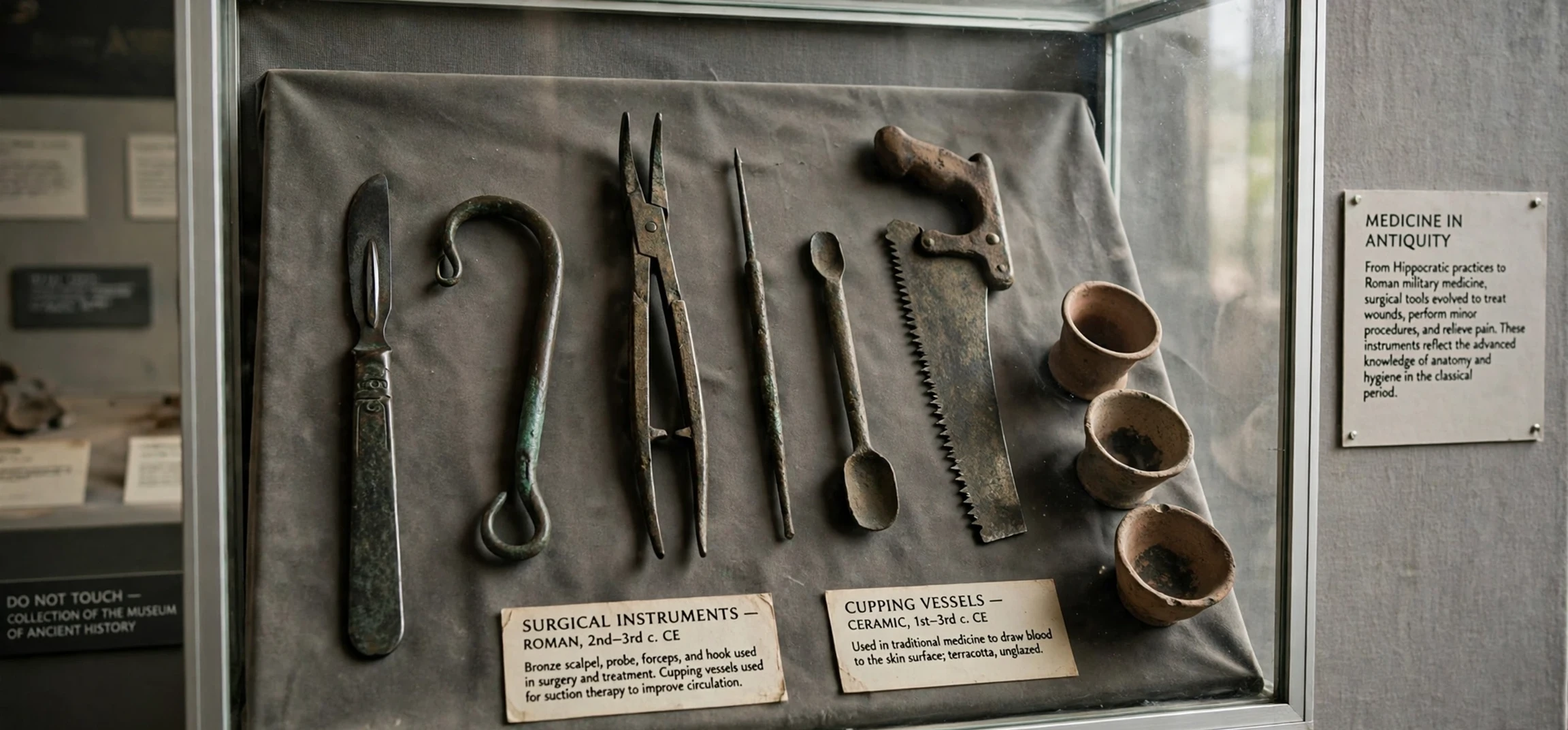
Museum displays and popular history books often introduce trepanation with a single ancient skull, and visitors naturally ask what they are looking at. A helpful way to define trepanning in that setting is to start with the object itself: an ancient skull bearing a carefully shaped opening, often with signs of healing. From there, the display usually explains the historical debate about purpose, the limits of what bone evidence can prove, and the contrast with modern medicine. That structure, object first, interpretation second, and caution third, is a good model for anyone explaining the topic to others.
Books on medical history take a longer view, placing trepanation within a wider story of how societies understood illness before modern science. In that wider story, trepanation sits alongside herbal remedies, bone setting, and other traditional practices, some of which were helpful, some harmful, and many of which mixed practical skill with spiritual belief. Understanding that mixture helps modern readers avoid two opposite errors: romanticising ancient practice as wiser than modern medicine, or dismissing it as mere superstition. The truth is more interesting, because it shows skilled people working with the knowledge they had, in a world without the tools that modern clinicians take for granted.
Teaching points when you define trepanning
For students, the topic offers several clear teaching points. First, evidence matters: a healed opening is evidence of survival, while an unhealed opening is not evidence of a particular motive. Second, language matters: to define trepanning precisely is to describe a historical practice, not to recommend it. Third, comparison matters: placing ancient practice beside modern hospital care shows how far medical safety has advanced, and why modern standards exist. Keeping those three points in mind turns a striking historical curiosity into a genuinely educational topic, suitable for classroom discussion without sensational detail.
Finally, anyone writing about the subject should keep the tone measured and non-graphic, focusing on history, evidence, and meaning rather than on vivid description. That restraint respects both the people whose remains are studied and the readers who are learning about them for the first time. A clear definition, an honest account of what is known and unknown, and a firm distinction from modern medicine together give readers everything they need to understand trepanation without being misled by it.
A measured summary to define trepanning
When you define trepanning for a general reader, keep the summary short, factual, and free of sensational detail. State that it was an ancient practice involving an opening in the skull, note that evidence comes mainly from surviving skulls and historical accounts, acknowledge that reasons varied and are often uncertain for individual cases, and stress the complete separation from modern hospital surgery. That four-part summary, definition, evidence, uncertainty, and modern distinction, covers the topic responsibly and gives readers a clear picture without overstating what historians can know.
Conclusion
To define trepanning clearly is to describe an ancient, historically important, and by modern standards very risky practice: an opening made in the skull, performed in societies without modern medicine, and studied today for what it reveals about past beliefs, skills, and understandings of illness. It belongs in history books and museums, not in any modern self-treatment, and any concern about a head condition belongs with a qualified clinician. Understanding that distinction is the most useful outcome of learning about trepanation.



