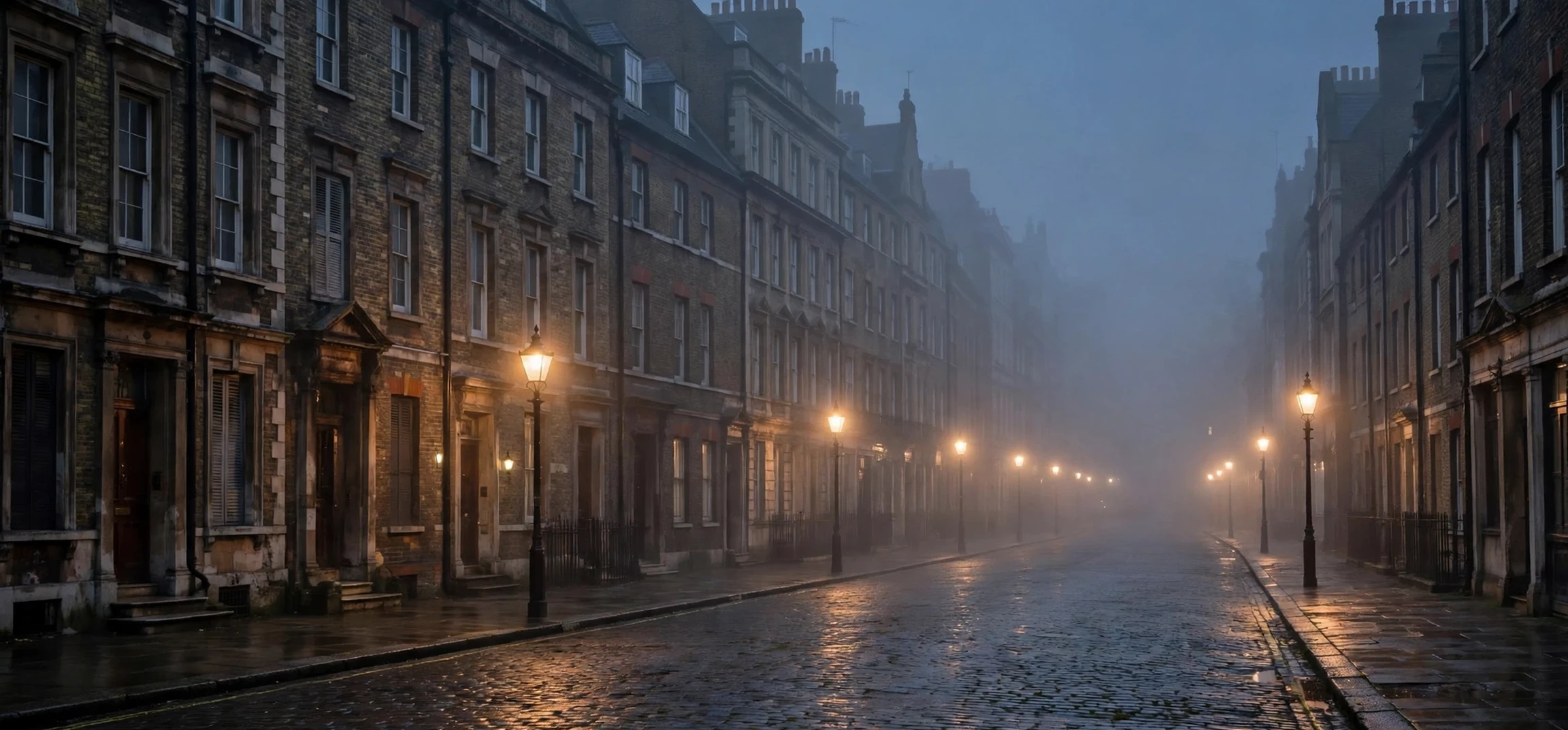
The phrase tv show jekyll and hyde covers a surprisingly long history, because Robert Louis Stevenson’s 1886 novella has been adapted for television again and again, in forms ranging from faithful period drama to modern reinvention. This guide explains the story’s core, surveys the major television versions, and helps you choose which adaptation to watch first, while keeping the focus on what is actually known about each production rather than rumour.
The Original Story in Brief
Stevenson’s Strange Case of Dr Jekyll and Mr Hyde tells of a respectable London doctor who develops a potion that separates his good and evil natures, unleashing the violent Edward Hyde. The novella is short, atmospheric, and deliberately ambiguous: Stevenson never fully explains the science, and the horror comes from the moral question at its centre, namely what happens when a person tries to enjoy wickedness without consequence.
That ambiguity is why the story adapts so well. Each generation can pour its own anxieties into Jekyll and Hyde: Victorian respectability, modern psychology, addiction, or the divided self of public life. Television adaptations have exploited that flexibility more freely than film, because a series has room to develop both halves of the character over hours rather than minutes.
Major Jekyll and Hyde TV Adaptations
Among the best-known television versions is the BBC’s Jekyll (2007), written by Steven Moffat, which transplanted the story to modern London. In this version, a present-day man named Jackman discovers he has a violent alter ego, Hyde, and the series blends thriller, dark comedy, and science-fiction elements. It was praised for its wit and energy, although its ending divided viewers, a fate common to ambitious one-series shows.
Earlier television treatments tended to be closer to the novella, presenting the story as a Gothic period piece with the emphasis on atmosphere and moral dread. Later versions have experimented further, including series that focus on descendants of Jekyll, on Hyde as a separate character in his own right, or on the story’s female characters, who are marginal in Stevenson’s original. Each approach reveals something different about why the tale endures.
Animated and children’s adaptations also exist, usually softening the horror into adventure or comedy. These versions keep the transformation idea while removing the violence, which makes the story accessible to younger audiences but naturally loses much of its original darkness.
Why the Story Keeps Returning to Television
Television suits Jekyll and Hyde for a structural reason: the story is about a secret double life, and serial television is built on secrets revealed gradually. A series can spend episodes establishing Jekyll’s respectable world before Hyde disrupts it, and can then explore the consequences week by week. Film, by contrast, must compress that arc into two hours.
The story is also cheap to evoke and expensive to ruin. A foggy street, a laboratory, and a strong central performance can carry the premise, while the dual-role acting challenge attracts ambitious performers. Casting a single actor as both Jekyll and Hyde remains one of the great showcases in screen acting, and television gives that performance room to develop.
Jekyll and Hyde Themes Explained
| Theme | What It Means | How TV Versions Use It |
|---|---|---|
| Duality | Good and evil in one person | Split performances, mirrored scenes |
| Respectability | The mask of social standing | Period detail, professional reputations |
| Addiction | Dependence on the potion | Modern versions frame Hyde as a compulsion |
| Secrecy | A hidden life and its cost | Serial cliffhangers and revelations |
These themes explain why adaptations rarely feel like mere remakes. A version that emphasises addiction tells a different story from one that emphasises Victorian hypocrisy, even when both follow the same plot outline. Viewers who watch two adaptations back to back will notice how much the framing changes the meaning.
TV Show Jekyll and Hyde: Adaptations Ranked by Approach
Ranking Jekyll and Hyde adaptations is less useful than sorting them by approach, because they aim at different things. Faithful period versions aim at atmosphere and moral dread, and they succeed when the fog, the pacing, and the central performance create unease without explicit horror. Modern reinventions aim at energy and surprise, and they succeed when the updating feels purposeful rather than gimmicky. Descendant-focused versions aim at expanding the world, and they succeed when the new characters earn their place rather than merely borrowing the name.
Viewers can use that sorting to choose. If you value fidelity to Stevenson, prioritise period versions and read the novella alongside them. If you value invention, prioritise modern versions and judge them as new stories that borrow a premise. If you value world-building, prioritise series that develop supporting characters and settings over multiple episodes. Each approach has produced both successes and failures, and the failures usually come from mixing approaches without committing to any of them.
TV Show Jekyll and Hyde: Which Adaptation to Watch First
If you want the closest experience to Stevenson’s novella, start with a faithful period adaptation, which preserves the fog, the moral ambiguity, and the slow reveal. If you prefer modern energy and dark humour, the BBC’s Jekyll is the most distinctive television version, even though it departs substantially from the book. If you are watching with younger viewers, look for an animated version and treat it as an introduction rather than a substitute for the original.
Availability changes by region and over time, so check current official listings rather than relying on older guides that may name services which no longer carry a given version. Libraries and public broadcasters’ archives are also worth checking for older adaptations that streaming services have dropped.
Frequently Asked Questions
Is Jekyll and Hyde based on a true story?
No. It is a work of fiction by Robert Louis Stevenson, although Stevenson drew on contemporary ideas about the divided self and on real Edinburgh figures for inspiration.
What is the best Jekyll and Hyde TV show?
There is no consensus winner. The BBC’s Jekyll is the most talked-about modern version, while faithful period adaptations are preferred by purists. Your taste for modern versus period settings should decide.
Are Jekyll and Hyde the same person?
Yes, in Stevenson’s story they are two sides of one man, separated by a potion. Adaptations sometimes change this, but the original premise is a single divided self.
Is the novella in the public domain?
Yes. Stevenson’s novella is out of copyright, which is one reason it has been adapted so often and so freely.
Jekyll and Hyde in Modern Culture
Beyond television, Jekyll and Hyde has become a shorthand in everyday language. People describe a “Jekyll and Hyde personality” to mean someone who behaves very differently in different situations, and the phrase is understood even by people who have never read Stevenson. That linguistic afterlife is a measure of the story’s power: it gave the language a compact way to describe duality, and the phrase has outlived most of the adaptations that carried it.
The story has also influenced genres far from Gothic horror. Superhero comics, with their secret identities and dual lives, owe an obvious debt to Jekyll and Hyde, and the “good twin, evil twin” trope in soap operas and sitcoms is a domesticated version of the same idea. Even corporate language borrows it: a company described as having a “Jekyll and Hyde” culture is one whose public face and internal reality do not match.
Psychology has used the story too, sometimes loosely and sometimes carefully. The idea of a divided self appears in discussions of dissociative conditions, although clinicians are quick to stress that real dissociative disorders are nothing like Stevenson’s potion-driven transformation. The story’s value for psychology is metaphorical: it dramatises the uncomfortable truth that respectable people can harbour impulses they would rather not acknowledge.
Stage adaptations deserve a mention as well. The musical Jekyll and Hyde, with its memorable score, brought the story to audiences who might never watch a Gothic television drama, and stage versions continue to be performed by amateur and professional companies worldwide. Each medium finds something different in the material, which is why the story refuses to settle into a single definitive version.
For readers who want to go further, the novella itself is short, freely available, and still startling. Reading it after watching an adaptation is a revealing experience: the original is more ambiguous, more economical, and in some ways more disturbing than any screen version, because it leaves the most important questions unanswered.
One further reason the story endures is its adaptability to new media. Podcast dramas, audio adaptations, and interactive retellings have all taken up Jekyll and Hyde in recent years, each finding that the premise translates well to a format built on voice and imagination. Without visual effects to rely on, an audio Jekyll and Hyde must convey transformation through performance alone, and the best versions do so with remarkable power.
Conclusion
The TV show Jekyll and Hyde tradition shows how a short Victorian novella can keep generating new television for well over a century. Each adaptation finds a fresh angle on duality, respectability, and secrecy, and the best of them use the serial format to let those themes unfold gradually. Start with the version that matches your taste, then compare it with another: the differences are where the real interest lies. For more television guides, see our pieces on animated series, drama casts, and viewing guides.



