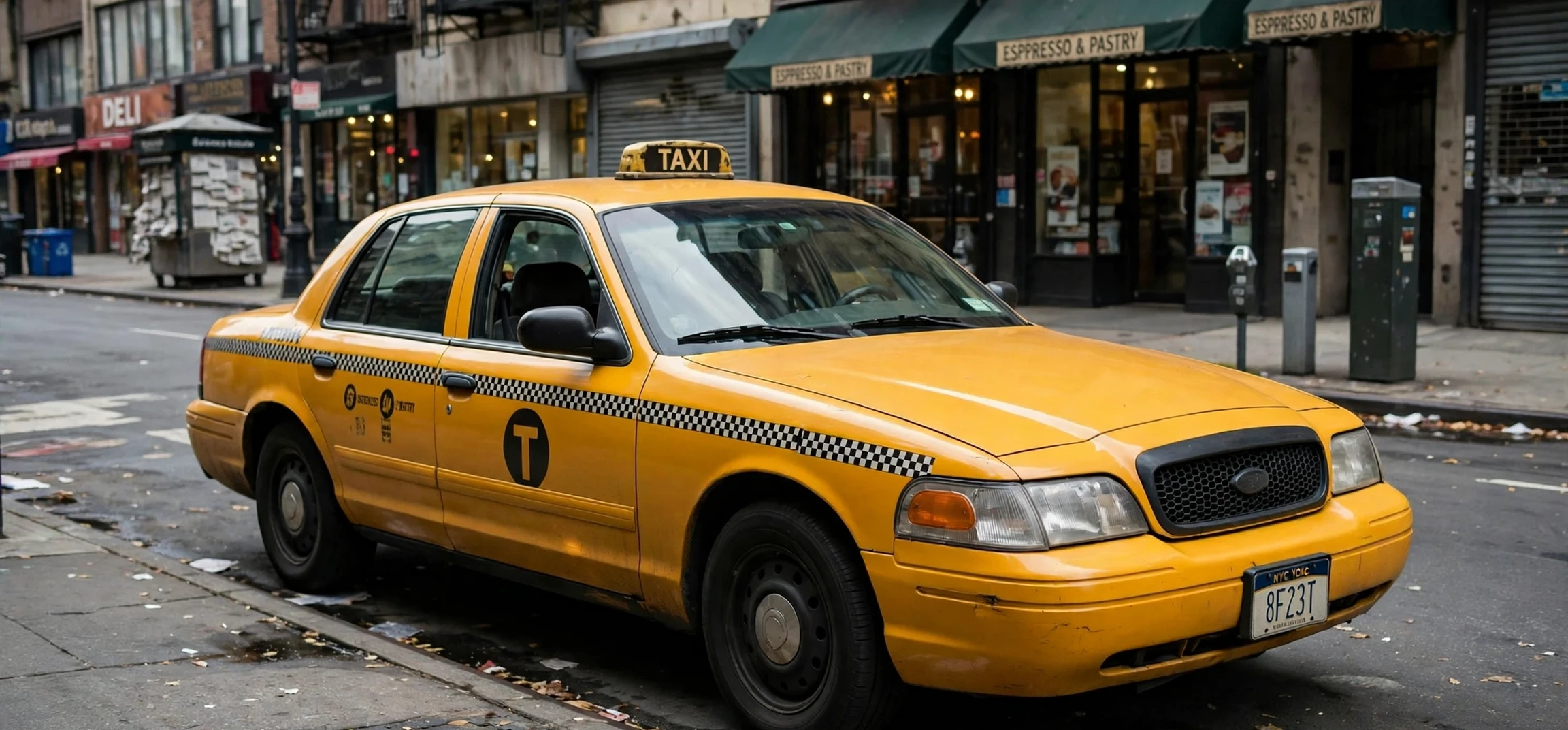
The cast tv show taxi remains one of the most celebrated ensembles in television history, and for good reason. Taxi ran on ABC and then NBC from 1978 to 1983, following the drivers and dispatchers of the fictional Sunshine Cab Company in New York City, and its cast combined sharp writing with performances that turned a dingy garage into one of the warmest rooms on television. This guide introduces every major member of the cast, explains what made each character work, and traces where the actors went next, from sitcom stardom to film careers, stage work, and later television success.
What set Taxi apart was balance. The show never relied on a single star. Judd Hirsch anchored the group as the patient, principled Alex Rieger, while Danny DeVito stole scenes as the scheming dispatcher Louie De Palma, and around them a rotating bench of dreamers, drifters, and would-be stars gave every episode a different emotional centre. The result won eighteen Emmy Awards and created a template for the workplace ensemble comedy that later shows would follow for decades. If you are revisiting the series or discovering it for the first time, knowing the cast is the fastest way into its humour.
The Main Cast of the TV Show Taxi
When people search for the cast tv show taxi, they usually want the core names first, so here they are: Judd Hirsch as Alex Rieger, Danny DeVito as Louie De Palma, Marilu Henner as Elaine Nardo, Tony Danza as Tony Banta, Jeff Conaway as Bobby Wheeler, Andy Kaufman as Latka Gravas, and Christopher Lloyd as Reverend Jim Ignatowski. Carol Kane joined later as Latka’s wife Simka, and Randall Carver played John Burns in the first season. Each actor brought a distinct comic rhythm, and the writers learned to write to those rhythms, which is why the characters feel so lived-in even in the earliest episodes.
Alex Rieger was the emotional centre: a veteran driver who had once dreamed of more and had settled, not bitterly but thoughtfully, into a life of driving a cab while watching younger colleagues chase their own dreams. Louie De Palma was his opposite, a small man with a huge appetite for power, money, and petty revenge, whose cruelty was always undercut by DeVito’s comic timing. Elaine Nardo, a divorced mother of two working as a driver while pursuing art, gave the show its grounded, working-parent perspective, and Tony Banta, a boxer whose career never quite took off, supplied warmth and physical comedy in equal measure.
Judd Hirsch as Alex Rieger
Judd Hirsch won two Emmy Awards for playing Alex, and it is easy to see why. Alex was the rare sitcom lead who listened more than he joked, and Hirsch made that listening active and funny: a raised eyebrow, a weary sigh, a perfectly timed pause before delivering the line that punctured someone else’s fantasy. Before Taxi, Hirsch was already a respected stage and television actor, and after the show he built one of the longest careers of any cast member, with leading roles in Dear John, the film Ordinary People, Independence Day, and later television dramas. His post-Taxi work proved that the quiet centre of an ensemble can also carry a show on his own.
Alex’s storylines often dealt with dignity at work, ageing, and the gap between youthful ambition and adult reality. Episodes in which Alex confronted his ex-wife, mentored a younger driver, or quietly accepted another disappointment are still cited as examples of sitcom writing at its most humane. Hirsch’s performance kept those stories from turning sentimental: Alex was kind, but he was never a saint, and his flashes of anger or stubbornness made his kindness feel earned.
Danny DeVito as Louie De Palma
Danny DeVito’s Louie De Palma is one of the great sitcom villains, a dispatcher who ran the garage like a tiny kingdom and treated the drivers as subjects to be taxed, teased, and tormented. DeVito, who had broken out in One Flew Over the Cuckoo’s Nest, played Louie with gleeful menace, and the show rewarded him with an Emmy and a place in television history. Louie was greedy, cowardly, and often cruel, yet DeVito found the insecurity underneath, especially in episodes where Louie tried, and failed, to be loved.
After Taxi, DeVito became a major film star and director, with roles in Terms of Endearment, Romancing the Stone, Batman Returns, and Get Shorty, and directing credits including Throw Momma from the Train and Matilda. He later returned to television triumphantly in It’s Always Sunny in Philadelphia, playing another gloriously selfish character, Frank Reynolds, and proving that his comic gift had not dimmed in thirty years. For many viewers, Louie remains the definitive DeVito performance, the role that announced a screen presence nobody could ignore.
The Supporting Stars of the Cast TV Show Taxi
The supporting players in the cast tv show taxi were not supporting in the usual sense: each one could carry an episode, and the writers knew it. Marilu Henner’s Elaine balanced toughness and tenderness, and Henner went on to a long career in film, television, and Broadway, as well as becoming known for her highly superior autobiographical memory, a subject she has discussed publicly for years. Tony Danza’s Tony Banta, a good-hearted boxer with more heart than luck, launched Danza into his own starring vehicles, Who’s the Boss? and the later series Hudson Street, and he remains a familiar television presence.
Jeff Conaway’s Bobby Wheeler, an actor who drove a cab between auditions, gave the show its running joke about the gap between show-business dreams and rent-day reality, and Conaway later found a new audience as Zack Allan on Babylon 5. Andy Kaufman’s Latka Gravas, a gentle immigrant mechanic whose English and behaviour shifted with his moods, was unlike anything else on television, and Kaufman’s boundary-pushing comedy remains the subject of documentaries and debate to this day. Christopher Lloyd’s Reverend Jim Ignatowski, a former minister whose mind had been altered by the nineteen-sixties, won Lloyd two Emmys and led directly to his film career, including the Back to the Future trilogy.
| Actor | Character | Best-known later work |
|---|---|---|
| Judd Hirsch | Alex Rieger | Dear John, Ordinary People, Independence Day |
| Danny DeVito | Louie De Palma | Matilda, Batman Returns, It’s Always Sunny in Philadelphia |
| Marilu Henner | Elaine Nardo | Stage, film, and television career |
| Tony Danza | Tony Banta | Who’s the Boss? |
| Christopher Lloyd | Reverend Jim Ignatowski | Back to the Future trilogy |
| Andy Kaufman | Latka Gravas | Legendary stand-up and performance art |
| Jeff Conaway | Bobby Wheeler | Babylon 5 |
| Carol Kane | Simka Gravas | Two Emmys for Taxi, long stage and screen career |
Carol Kane as Simka Gravas
Carol Kane joined the cast as Simka, Latka’s wife from his home country, and she won two Emmy Awards for the role, a rare achievement for a recurring character. Simka matched Latka’s strangeness with her own logic, and Kane played her with complete seriousness, which made the character far funnier than a broad caricature would have been. Kane’s career before Taxi already included an Oscar nomination for Hester Street, and after the show she worked steadily in film and television, including memorable turns in The Princess Bride, Scrooged, and later television comedies. Her Taxi work remains a masterclass in committing fully to an absurd premise.
The Latka and Simka episodes also gave Taxi some of its most inventive storytelling, including the famous episode in which Latka’s multiple personalities were revealed and the wedding episodes that treated an immigrant marriage with surprising tenderness. Kaufman and Kane played those stories straight, trusting the audience to find the humour in the situation rather than in mockery of the characters. That trust is a large part of why the show still holds up: it laughs with its characters far more often than it laughs at them.
Why This Cast Still Matters
The Taxi cast endures because the show treated work as a real subject, not just a backdrop. These characters drove cabs because they needed money, and their dreams, of acting, boxing, painting, or simply a better life, collided daily with the practical business of paying rent. That tension produced comedy that was funny without being cruel and moving without being sentimental, and it gave every cast member material worthy of their talent. Later workplace comedies, from Cheers to The Office, owe Taxi a visible debt, and many of them borrowed its ensemble structure directly.
If you enjoy tracing sitcom ensembles, you may also like our guides to the According to Jim cast and the Bewitched cast, which follow the same approach of matching each actor to the character that made them famous and the work that followed. For a later ensemble with a similar gift for blending comedy and character, see our Chuck cast guide. Each of those shows, like Taxi, works because the cast feels like a group of people who actually know each other, and that feeling starts with casting as careful as this one.
Frequently Asked Questions
How many seasons did Taxi run?
Taxi ran for five seasons and 114 episodes, from 1978 to 1983, first on ABC and then on NBC for its final season.
Who won Emmys for Taxi?
Judd Hirsch won twice as lead actor, Danny DeVito won once as supporting actor, Christopher Lloyd won twice as supporting actor, and Carol Kane won twice as supporting actress, among the show’s eighteen Emmy wins.
Is Taxi based on a real cab company?
The Sunshine Cab Company was fictional, but the show’s creators drew on real New York cab-driving life, including magazine reporting about drivers, and that research gave the garage its authentic, lived-in detail.
Why the Cast TV Show Taxi Still Tops Every Ensemble Ranking
Ask any television historian about the cast tv show taxi and the same praise comes back: this was an ensemble with no weak link, where even a character who appeared in only a handful of scenes could steal an episode. The cast tv show taxi worked because the writers trusted the actors, and the actors trusted the material, so a scene between Alex and Louie could swing from comedy to quiet sadness in a single exchange without ever feeling forced. Fans searching for the cast tv show taxi today are usually looking for exactly that balance, and for the later careers that prove the talent on display was real rather than a trick of good writing alone.
Another reason the cast tv show taxi endures is how completely its members reinvented themselves afterwards. The cast tv show taxi sent DeVito to film stardom and directing, Lloyd to one of the most beloved film trilogies ever made, Danza to his own hit sitcoms, and Hirsch to a career that is still going strong decades later. When viewers revisit the cast tv show taxi, they are not just watching a period comedy about cab drivers; they are watching the early work of performers who would shape American film and television for the next forty years. That retrospective pleasure is a large part of why the show keeps finding new audiences on streaming services.
If you are new to the series, the best way to appreciate the cast tv show taxi is to watch a run of episodes in order rather than cherry-picking famous moments. The cast tv show taxi rewards familiarity: jokes set up in one episode pay off episodes later, and characters grow in small, believable ways that only become visible across a season. Start with the first season to meet the garage, stay for the second and third seasons when the ensemble hits its peak, and finish with the later episodes to see how gracefully the show handles change. The cast tv show taxi is, in the end, a show about people who keep showing up for work and for each other, and that is a premise that never dates.
One last tip for fans: when you search cast tv show taxi, you will find cast lists that disagree about minor characters and guest stars, because the cast tv show taxi changed slightly across five seasons. Trust the core eight names in this guide as the heart of the cast tv show taxi, and treat guest appearances, however memorable, as a bonus rather than the main ensemble. That approach keeps the cast tv show taxi clear in your mind and makes rewatching far more enjoyable.
Conclusion
The cast tv show taxi is a reminder that a great sitcom is a group achievement. Hirsch’s steadiness, DeVito’s mischief, Henner’s warmth, Danza’s heart, Conaway’s charm, Kaufman’s strangeness, Lloyd’s inspired chaos, and Kane’s deadpan brilliance combined into something larger than any single performance. Start with the early episodes to meet the garage at its best, then follow each actor into the careers Taxi made possible, and you will understand why, more than forty years later, audiences still climb into that cab.



