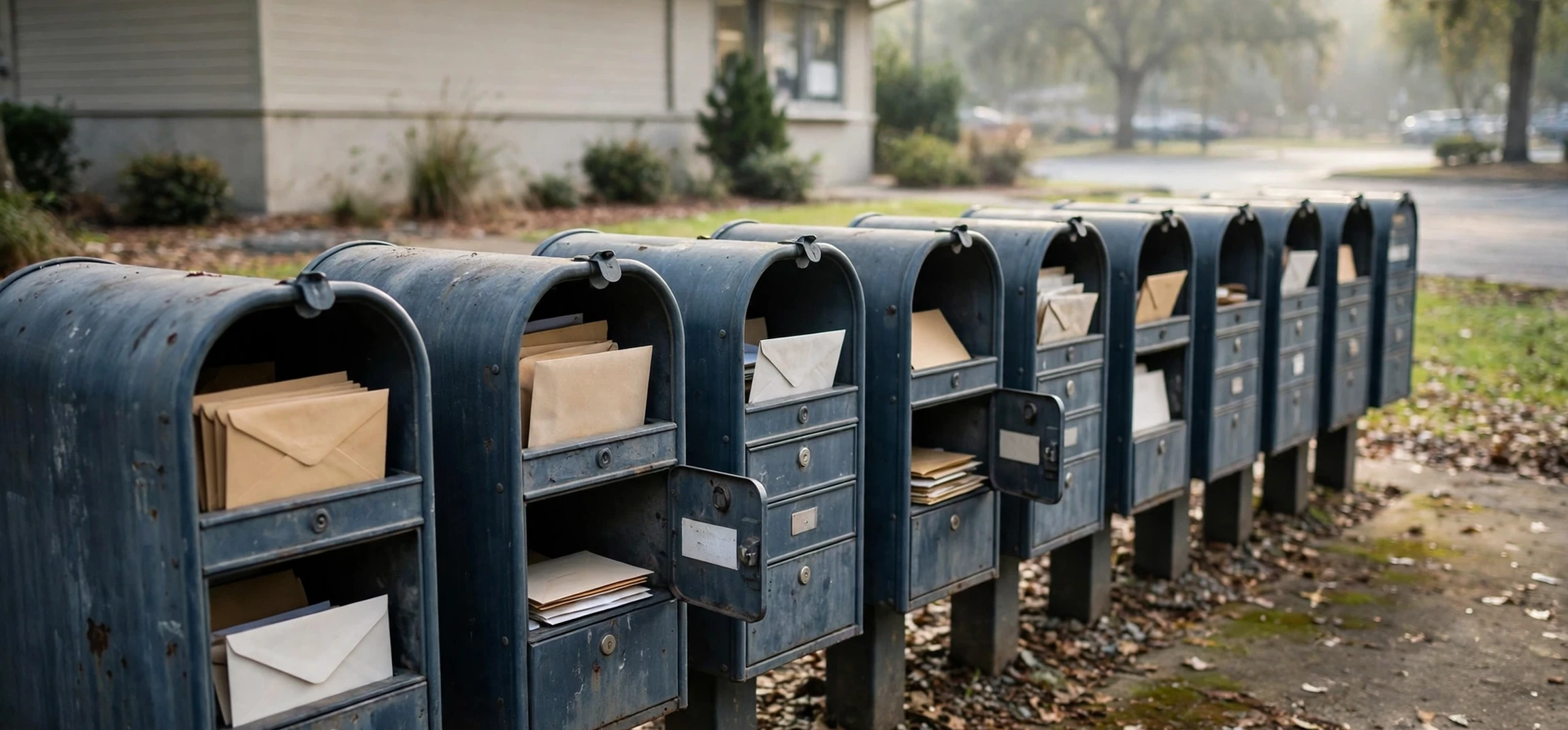
If you want to verify an address with the post office, you are asking a practical question with a straightforward answer: in the United States, the United States Postal Service provides official tools and standards that let you check whether a postal address is recognised, correctly formatted and deliverable. This guide explains how those tools work in general, what a standardised address means, why an address sometimes fails to verify, and what steps you can take when that happens. It covers official channels only, and it does not ask you to share personal details or anyone else’s address in order to understand the process.
Address verification matters more than it might first appear. A correctly formatted address helps mail and parcels reach the right place without delay, reduces returned items, and prevents problems with deliveries, registrations and official correspondence. Businesses use verification to keep their mailing lists clean, while individuals use it when moving house, ordering goods, or filling in forms that require a postal address. Understanding how the system works saves time and avoids the frustration of a parcel or letter going astray.
Verify an Address With the Post Office: The Basics
To verify an address with the post office means to check it against the Postal Service’s own addressing standards and delivery records. The Postal Service maintains detailed information about delivery points across the country, including street names, numbering, ZIP Codes and the correct formatting for each address. When you enter an address into an official verification tool, the system compares what you typed with that reference data and either confirms it, suggests a corrected version, or tells you that it cannot find a match.
It is important to understand what verification does and does not prove. A verified address means the Postal Service recognises the address as a deliverable location in its records, formatted according to its standards. It does not prove who lives or works at that address, and it does not confirm anything about the occupant. Verification is about the address itself: its structure, its components and its place in the delivery network. Keeping that distinction clear helps you use the tools correctly and protects other people’s privacy at the same time.
Most people encounter address verification in one of two ways. The first is through an official look-up tool provided by the Postal Service, where you enter an address and receive a standardised version in return. The second is through a website or checkout form that checks addresses automatically in the background, often using licensed postal data. Both routes rely on the same underlying standards, but the official tool is the best place to start if you want a direct answer without involving a third party.
What Is a Standardised Address?
A standardised address is an address that has been reformatted to match the Postal Service’s official style. Standardisation covers several details that are easy to get wrong by hand. Street suffixes are abbreviated in a consistent way, directional words such as North or South are placed correctly, apartment or suite numbers appear in the expected position, and the ZIP Code is shown in its full form where applicable. The result may look slightly different from the version you typed, even when both versions refer to the same place.
Consider a typical example in general terms. A person might write a street name in full, leave out an apartment number, or use a variant spelling of a suffix. The standardised version tidies all of that into the form the Postal Service’s sorting equipment and carriers recognise most reliably. That tidiness is not cosmetic. Mail sorting is largely automated, and addresses that follow the standard format are read more accurately and routed more quickly than addresses with inconsistent spelling, missing parts or unusual punctuation.
Standardisation also resolves ambiguity. Some street names repeat across a city, and some buildings have several entrances or units that need to be distinguished. A standardised address pins down the exact delivery point, which reduces the chance that an item is delivered to a similarly named street or a neighbouring building. If a verification tool returns a corrected version of your address, it is usually worth using that version for future mail, since it reflects how the Postal Service itself records the location.
The Parts of a Postal Address
A complete United States postal address generally includes the recipient name, a street address or post office box, an apartment, suite or unit designator where relevant, and the city, state and ZIP Code. Each part has a job to do. The street address identifies the building, the unit designator identifies the specific delivery point within it, and the city, state and ZIP Code route the item to the right area and delivery route. Leaving out any part, or placing it in the wrong order, can slow delivery or cause an item to be returned.
The ZIP Code deserves special attention because it does more than identify a town. ZIP Codes can cover a neighbourhood, a single large building, or a specific delivery route, depending on the area. Adding the extra four digits, where the Postal Service provides them, narrows the destination further and helps automated sorting. You do not need to memorise these codes: official tools will supply the correct ZIP Code for a verified address, and using the version they return is the safest approach.
How to Verify an Address, Step by Step
The verification process itself is simple, and it works best if you prepare the address carefully before you begin. Start by writing the address exactly as you believe it should appear, including any apartment or suite number. Check the spelling of the street name, and make sure you have the right city and state. Small errors at this stage are the most common cause of a failed check, so a careful first attempt saves a second one.
Next, use the Postal Service’s official address look-up tool, which you can find through the Postal Service’s own website. Enter the address in the fields provided, submit it, and read the result. If the address verifies, the tool will show the standardised version. Compare it with what you entered: the differences, if any, are corrections you should adopt. If you are filling in a form elsewhere, copy the standardised version across, including the ZIP Code exactly as shown.
If you are verifying an address on behalf of a business, the same principles apply at a larger scale. Mailing lists should be checked against postal standards before a bulk mailing, because undeliverable addresses waste postage and damage delivery rates. Many businesses use licensed verification services that apply the same standards automatically, but the official tool remains a useful spot check for individual addresses that cause problems. Whatever route you use, the goal is the same: an address that matches the Postal Service’s records as closely as possible.
When an Address Does Not Verify
A failed verification does not always mean the address is wrong. New buildings, recently renamed streets, rural routes and newly built developments can take time to appear in postal records. An address in a new housing estate, for example, may be perfectly real but not yet fully recorded as a delivery point. Similarly, a building that has been converted into flats may have unit numbers that are not yet reflected in the system. In these cases, the address may still receive mail, but the verification tool cannot yet confirm it.
Typos are the other common cause. A single wrong digit in a house number, a transposed pair of letters in a street name, or a ZIP Code borrowed from a neighbouring area can all produce a “not found” result. Before concluding that an address does not exist, re-check each component separately. Confirm the street spelling, the house or building number, the unit designator and the ZIP Code, and try the address again with the corrected detail. In many cases, one small fix resolves the problem.
There are also cases where an address genuinely is not deliverable by post. Some locations use a post office box rather than a street address for mail, and some rural properties receive mail through a route box or a general delivery arrangement rather than a street delivery. If you suspect this is the case, the best step is to ask the intended recipient how they normally receive mail, or to contact the Postal Service through its official channels for guidance about that location. Do not guess a substitute address: a guessed address is more likely to delay mail than to speed it up.
What to Do Next if Verification Fails
First, double-check your input for spelling and numbering errors, and try again. Second, check whether the address includes a unit, suite or apartment number that you may have omitted. Third, consider whether the building is new or recently changed, and whether the recipient can confirm the exact form of address they use for mail. Fourth, if the address still does not verify and mail to it is important, seek guidance through the Postal Service’s official customer channels rather than relying on an unofficial look-up site. Official guidance is the reliable route when a delivery matters.
It is also worth checking that you are using the right kind of address for the purpose. A physical location used for visits is not always the same as a mailing address, particularly for businesses that collect mail at a separate office or post office box. If a form asks for a mailing address, use the address where mail is actually received, not simply the address where a person or business is physically located. That distinction resolves a surprising number of verification failures.
Verify an Address With the Post Office for Businesses
For businesses, address verification is partly about customer experience and partly about cost. Every item returned as undeliverable costs postage, handling time and a potential lost sale, and repeated failures can harm a company’s reputation. Verifying addresses at the point of entry, for example when a customer types an address into an online checkout, catches errors while the customer is still present to correct them. That is far cheaper and friendlier than discovering the error after a parcel has already been shipped.
Businesses should also re-verify mailing lists periodically, because addresses change. People move, streets are renamed, buildings are redeveloped, and ZIP Code boundaries are occasionally adjusted. A list that was accurate a year ago may contain a noticeable share of outdated addresses today. Regular checks keep the list current, improve delivery rates, and reduce waste. As with individual checks, the official postal standards are the reference point, whether the check is done through an official tool or a licensed service built on the same data.
Privacy matters here too. Address verification should only ever be used for addresses you have a legitimate reason to check, such as a customer’s own delivery address or your own business address. There is no need to look up other people’s addresses out of curiosity, and verification tools are not a way to find out who lives at an address. Using the tools responsibly protects customers and keeps your business on the right side of privacy expectations.
Common Mistakes to Avoid
The most common mistake is omitting the apartment, suite or unit number. In a multi-unit building, the street address alone does not identify the delivery point, and mail without a unit number may be delayed or returned. Another frequent error is using an old ZIP Code after a move within the same city, or copying a ZIP Code from a nearby business. A third is abbreviating a street name in a non-standard way, which can confuse automated sorting even when a human reader would understand it.
People also sometimes enter a “vanity” or informal version of an address, such as a building name instead of its street address, or a neighbourhood name instead of the official city name used for mail. Postal records use official designations, and informal names may not verify even when they are locally well known. When in doubt, use the standardised version returned by an official tool, and use it consistently across forms, orders and correspondence.
If you are looking for broader address guidance, our guide on how to write out an address covers formatting in more detail, and our article on changing your address with the United States Postal Service explains what to do when you move. For readers dealing with addresses outside the United States, our Canada address look-up guide offers a useful comparison.
Address Verification Checklist
| Check | Why it matters |
|---|---|
| Street name spelling | A misspelt street name is the most common cause of a failed check |
| House or building number | One wrong digit points to a different delivery point or none at all |
| Apartment, suite or unit number | Identifies the exact delivery point inside a multi-unit building |
| City and state | Routes the item to the correct delivery area |
| ZIP Code | Narrows the destination and helps automated sorting |
| Standardised format | Matches the form the Postal Service records and sorts by |
Frequently Asked Questions
Is address verification free through official channels?
The Postal Service provides an official address look-up tool for individual addresses, and checking a single address through it is a straightforward process. Businesses that verify large lists may use licensed services, which can carry a charge, but for a one-off personal check the official tool is the natural first step. Check the Postal Service’s own website for current details about its tools.
What if my new home does not verify?
New addresses can take time to enter postal records fully. Re-check your input for errors, confirm the exact address format with the builder or local authority if applicable, and ask the recipient or resident how mail is currently addressed to the property. If the problem persists, contact the Postal Service through its official channels for guidance about the specific location.
Does verification show who lives at an address?
No. Verification confirms whether an address is recognised and correctly formatted as a delivery point. It does not reveal the identity of occupants, and it should not be used to try to find out personal information about other people.
Should I use the corrected version a tool returns?
Yes, in most cases. If an official tool returns a standardised version of your address, that version reflects how the Postal Service records the location, and using it improves the chance of prompt, accurate delivery. Copy it exactly, including the ZIP Code as shown.
Conclusion
To verify an address with the post office is to check it against the official standards that the United States Postal Service uses to sort and deliver mail. The process is simple: enter the address carefully into an official tool, adopt the standardised version it returns, and investigate calmly if no match is found, starting with spelling, numbering and unit details. Most failures turn out to be small errors or new addresses that are not yet fully recorded, and both have straightforward remedies.
Done properly, verification saves time, money and frustration. It keeps parcels moving, prevents returned mail, and gives both senders and recipients confidence that an item will arrive. Whether you are checking your own new address, tidying a business mailing list, or filling in an important form, the habit of verifying first and using the standardised format afterwards is a small step that makes the whole postal system work more smoothly.



