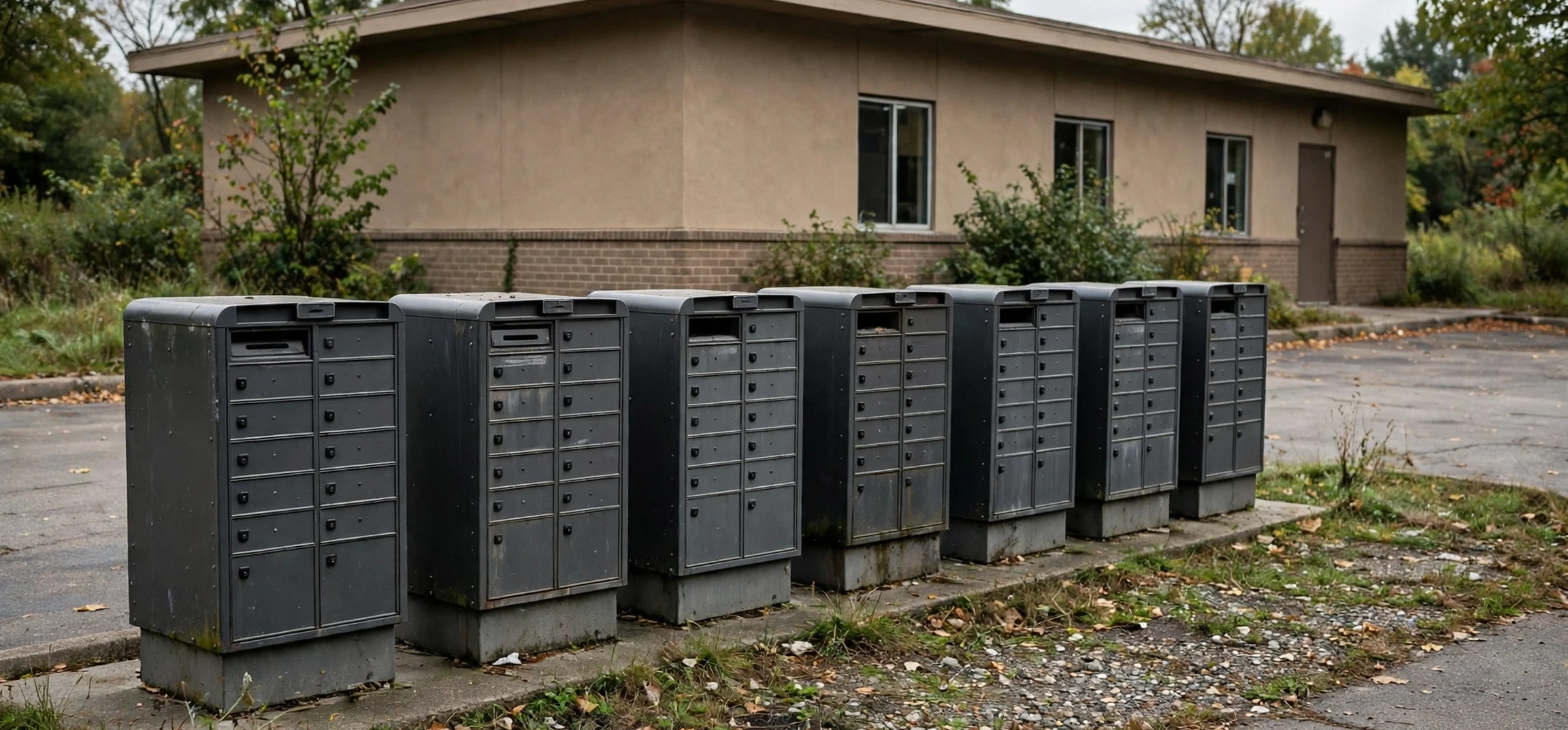
If you searched for us postal service change of address confirmation, you are most likely in the middle of a move and want to know that your mail will follow you. In simple terms, us postal service change of address confirmation is the process by which the United States Postal Service confirms that your change-of-address request has been received and processed, and tells you what to expect next. This guide explains how that confirmation works through official channels, what forms it takes, how long it can take, and what to do if it does not arrive, so you can move with confidence and without sharing personal details with anyone other than the official service itself.
Moving house is stressful enough without worrying about lost post. Bills, bank correspondence, official notices, and personal letters all depend on your address being correct, and a missed item can cause real inconvenience. The confirmation step exists precisely to give you reassurance: it is the Postal Service’s way of saying that your request is in its system and that mail forwarding has been set up. Understanding what that confirmation looks like, and what it does not look like, also protects you, because it helps you recognise genuine communications and ignore imitations.
US Postal Service Change of Address Confirmation: How It Works
US postal service change of address confirmation begins when you submit a change-of-address request through an official channel. The usual routes are the official Postal Service website and a paper form available at a post office. When you submit online, the system typically asks you to verify your identity as part of the process, and it then records the old address, the new address, and the date from which forwarding should begin. When you submit a paper form in person, the form is processed by postal staff and entered into the same forwarding system. In both cases, the confirmation is tied to that recorded request, not to any separate registration.
Once the request is processed, the Postal Service sends confirmation communications to help you check that the details are correct. Traditionally, this has included a confirmation letter sent to your old address and information sent to your new address, so that you can spot any error whichever address you are currently at. You may also receive a welcome pack at the new address containing useful information about postal services and, in some cases, offers from third parties. The exact contents and timing of these mailings can vary, so the official Postal Service website is the best place to check the current description of the process before you rely on any single detail in this guide.
It is important to understand what confirmation does and does not do. Confirmation shows that your forwarding request has been recorded. It does not guarantee that every sender will update their own records, and it does not replace the job of telling banks, employers, subscription services, and government agencies your new address directly. Mail forwarding is a safety net with a limited duration, designed to catch post sent to your old address while you notify senders. Treating confirmation as the start of that process, rather than the end of it, will save you trouble later.
US Postal Service Change of Address Confirmation: What to Expect and When
US postal service change of address confirmation does not always arrive instantly, and the timing depends on the channel you used and on postal delivery times. Online submissions are generally recorded quickly, but the physical confirmation letters still travel through the post, so they take days to reach you. Paper forms submitted in person need to be processed before forwarding begins, which can add further time. If you submitted your request shortly before your move, it is wise to allow a margin and to check that forwarding is working by watching for expected post at the new address.
Several factors can affect timing. A request submitted with an error, such as a misspelled street name or an incorrect postcode, may need correction before it can be processed cleanly. A move involving a temporary forwarding period rather than a permanent move is handled differently, and the confirmation should reflect the type of move you requested. Seasonal peaks in house moves can also slow processing slightly. None of this means something has gone wrong, but it does mean that a short wait is normal and that patience in the first days after a move is reasonable.
When the confirmation arrives, read it carefully. Check that the old address, the new address, and the start date all match what you submitted. If anything is wrong, contact the Postal Service through its official channels promptly, because an error in the forwarding record can send your post to the wrong place. Keep the confirmation somewhere safe until you are confident that forwarding is working and that your important senders have your new address. A confirmation letter is a useful reference if you later need to discuss your request with postal staff.
Typical Stages of a Change of Address
| Stage | What happens | What you should do |
|---|---|---|
| Submission | Your request is recorded through the official website or a paper form | Note the date and the details you submitted |
| Processing | The request is entered into the forwarding system | Allow time for processing before expecting forwarded post |
| Confirmation | Confirmation communications are sent to your addresses | Check every detail for accuracy when they arrive |
| Forwarding | Post sent to the old address is redirected to the new address | Notify senders directly so they update their records |
| End of forwarding | The forwarding period comes to an end | Confirm that important senders now use the new address |
This sequence is a general outline, not a promise about exact dates, because processing times and mailing times vary. The official Postal Service website carries the current guidance, and that guidance should take precedence over any general article if the two differ.
If Your Confirmation Does Not Arrive
If your confirmation has not arrived after a reasonable wait, start by checking the basics. Did you submit the request through an official channel, or through a third-party site that may have handled it differently? Did you enter the addresses exactly as they appear in official records, including any apartment or unit details? Did you choose the correct type of move, permanent or temporary, and the correct start date? A simple error in any of these details is the most common cause of a delayed or missing confirmation, and it is usually straightforward to correct once spotted.
Next, use the official Postal Service channels to check the status of your request. The official website provides tools and contact routes for change-of-address queries, and visiting a post office in person is another official route, particularly if you submitted a paper form. When you make contact, have your old address, your new address, and the approximate date of submission ready, so staff can locate your request. Avoid sharing those details with any unofficial website or caller, and be wary of any message that asks you to pay an unexpected fee or to confirm personal details through a link. Genuine postal communications will not ask you to do that in an unsolicited message.
If forwarding itself does not seem to be working, even though you believe the request was submitted, the same advice applies: check the record through official channels first. It is also worth checking with individual senders, because a sender using an outdated address list, or a piece of post that was already in transit before forwarding began, can look like a forwarding failure when it is not. Keep a short list of the important senders you have notified, and work through it methodically after a move. That list, more than any single confirmation letter, is what ensures your post reaches you in the long term.
Staying Safe Around Change-of-Address Messages
Moves are a known opportunity for scams, because people expect official-looking post and messages at exactly that time. A genuine confirmation will relate to a request you actually made, and it will not ask you to reveal sensitive information through an unexpected link or message. If you receive a message about a change of address that you did not request, treat it with caution and check through official channels rather than replying to the message itself. If you receive a message that claims to be a confirmation but asks for payment details or passwords, do not respond to it, and report it through the official routes provided by the Postal Service.
There are also practical steps that reduce risk during a move. Tell important senders your new address directly, rather than relying only on forwarding. If you use a mail-holding service while you are between addresses, arrange it through official channels. If you are moving temporarily, make sure the forwarding type matches your situation, so that post is not permanently redirected when you intend to return. Small administrative steps like these, done early, prevent most of the problems that people blame on the confirmation process itself. For related official-process guidance, see our article on whether the Postal Service charges for a change of address, and for the form itself, see the post office change-of-address form.
Frequently Asked Questions
What is a USPS change of address confirmation?
It is the Postal Service’s confirmation that your change-of-address request has been received and processed, usually communicated by letter to your old and new addresses, so you can verify that the details are correct.
How long does confirmation take?
Timing varies with the submission channel and postal delivery times. Online requests are generally recorded quickly, but physical confirmation letters still travel through the post, so allow several days and check the official guidance for current expectations.
What if my confirmation does not arrive?
Check the details you submitted for errors, then check the status of your request through official Postal Service channels, either online or in person at a post office, and correct any mistake promptly.
Is confirmation enough, or must I notify senders myself?
Confirmation alone is not enough. Mail forwarding is a temporary safety net, so you should still notify banks, employers, agencies, and other important senders of your new address directly.
Conclusion
US postal service change of address confirmation is a straightforward but important part of moving house. It confirms that your forwarding request is in the system, gives you a chance to check the details, and marks the start of the forwarding period during which you should notify your senders directly. Allow reasonable time for confirmation to arrive, read it carefully when it does, and use official channels if anything is missing or incorrect. By combining the official confirmation with your own list of senders to notify, you give your post the best chance of following you smoothly to your new home. For help with writing addresses correctly on your own correspondence, see our guide to how to write out an address.



