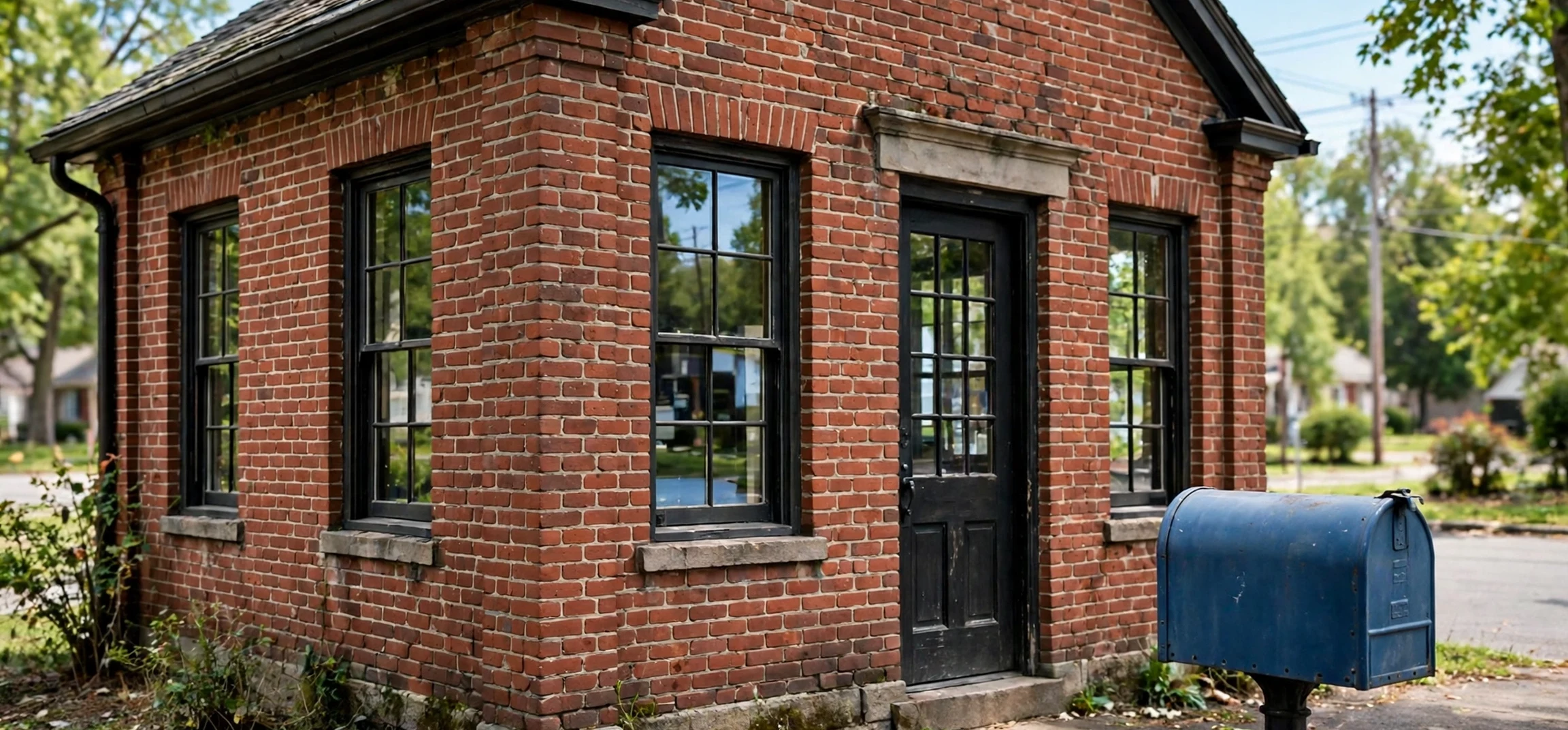
Introduction: Moving House and Updating Your Postal Address
Moving to a new home involves many tasks, and updating your postal address is one of the most important, because so much of daily life still arrives by post: bank statements, government letters, medical appointments, bills, parcels, and greetings from family and friends. The United States Postal Service, commonly known as USPS, provides an official process for telling the postal system that you have moved, so mail addressed to your old address can be forwarded to your new address for a period of time. This full-length guide explains that process in plain language, step by step, without personal data and without shortcuts that could put your mail at risk.
This guide is general official-process guidance only. It explains what the change-of-address process is for, who can use it, what information you will generally need to provide through official channels, how forwarding works, what it does not cover, and how to avoid common mistakes and scams. It does not ask you to share your address here, and you should never post your full new address, your old address, or personal identification details in a public comment, forum, or social media post while researching a move. Use only the official postal service channels described here, and keep personal details within those secure official forms.
Whether you are moving across town or across the country, moving permanently or temporarily, or helping a family member with a move, the principles are the same: start early, use the official process, tell important senders directly as well, and check that forwarding is working during the first weeks at your new address. A careful approach now prevents lost mail, missed deadlines, and weeks of chasing letters that went to the wrong house.
What a Change of Address Does and Does Not Do
A change of address tells the postal service to redirect mail addressed to your old address to your new address. It is a forwarding instruction, not a permanent update of every record in the world. The postal service forwards eligible mail for a set period, which gives you time to notify banks, employers, government agencies, subscription services, and other regular senders directly. After the forwarding period ends, mail sent to your old address will generally no longer be forwarded, so direct notification is essential and cannot be replaced by forwarding alone.
Forwarding also has limits. Some types of mail, such as certain parcels, periodicals, and items marked with specific delivery instructions, may be handled differently from standard letters. Mail that requires a signature, mail from certain senders, and mail addressed in a way that does not match the forwarding record may also be treated differently. That is why you should not rely on forwarding as your only plan. Treat it as a safety net while you update your address directly with everyone who sends you important mail. If you expect a particularly important item, such as a government document or a medical letter, contact that sender directly to confirm they have your new address.
Permanent Moves Versus Temporary Moves
A permanent move means you are leaving your old address and do not plan to return to it as your home. A temporary move means you will be away for a period and then return, for example for seasonal work, study, or a short-term stay. The postal service generally distinguishes between these situations, because the forwarding arrangement and duration can differ. When you submit a change, choose the option that matches your real situation, and enter the correct start date. Choosing the wrong type or the wrong date is a common cause of mail arriving too early, too late, or not at all.
Individual, Family, and Business Moves
Change-of-address requests can cover different situations. An individual request covers one person. A family request covers people who share the same last name and are moving from the same old address to the same new address. A business request covers a business move. These distinctions matter, because a family request may not cover family members with different last names, and a business request follows a different process from a personal move. If your household includes people with different last names, check the official guidance carefully and submit separate requests where needed, so no one’s mail is missed.
Before You Start: Information to Have Ready
Before you begin the official process, gather the general information you will need, and keep it private and secure. You will generally need your old address and your new address in full, the date the move takes effect, and the type of move you are making. You may also need to confirm your identity through the official verification method used by the postal service. Do not prepare this information in a public document or share it in a chat or comment while you research. Write it down privately, double-check spelling, apartment or unit numbers, and postal codes, and make sure the new address matches how it appears on official records for that property, such as a lease, a utility bill, or a property record.
Check the new address carefully. A missing apartment number, a wrong postal code, or a misspelled street name can cause forwarding and delivery problems that are frustrating to fix after the fact. If you are moving into a new building or a newly developed area, confirm that the address is recognised for mail delivery, and ask the property manager, landlord, or local postal guidance if you are unsure. Small details matter in postal addressing, and a few minutes of checking now can save weeks of misdirected mail later.
Timing Your Request Well
Submit your change of address in good time before moving day, but with the correct start date, so forwarding begins when you actually move rather than too early. Many people submit a week or two ahead, which allows processing time while keeping the start date accurate. If you submit too late, mail may already have been delivered to your old address before forwarding begins. If you submit with a start date that is too early, mail may be forwarded before you can receive it at the new address. Plan around your moving date, your access to the new mailbox, and any overlap period when you can still check the old address safely.
Avoiding Change-of-Address Scams
Be cautious about unofficial websites that claim to file a change of address for a large fee or ask for unnecessary personal information. The official postal service process is the safe route. Use only the official postal service website or visit a postal location in person if you prefer. Be wary of search results, advertisements, or messages that imitate the official service, charge inflated fees, or promise faster processing for extra payment. If a site asks for details that seem unrelated to forwarding mail, or if its address and branding do not match the official service, stop and verify through the official channel before proceeding.
Step-by-Step: How to Submit a Change of Address
The official online process generally follows a clear sequence. First, you visit the official postal service change-of-address service and select whether your move is permanent or temporary, and whether it is for an individual, a family, or a business. Second, you enter your old address and your new address exactly, and choose the date forwarding should start. Third, you review the details carefully for spelling and unit numbers. Fourth, you complete the official identity verification step as prompted. Finally, you confirm and keep a copy of the confirmation for your records, including any reference information the official system provides. Keep that confirmation private, just as you would keep any official receipt.
If you prefer not to use the online process, you can usually complete the process in person at a postal location, where staff can guide you through the official form. Bring identification as required by official guidance, and allow extra time for the visit. Whichever route you choose, the core steps are the same: identify the move type, enter both addresses accurately, set the correct start date, verify your identity through the official method, and keep your confirmation. Do not use a third-party form or an unofficial app that claims to do the same job, because you would be sharing sensitive address and identity information with an unnecessary intermediary.
After You Submit: What to Check
After submission, watch for official confirmation through the channel the postal service uses, and keep it safe. During the first week or two at your new address, check whether expected mail is arriving, and note anything that is missing or delayed. If mail you expected does not arrive, first check whether the sender used your old address, whether the forwarding start date had passed, and whether the item type is eligible for forwarding. If a problem persists, contact the postal service through its official help channels with your confirmation details ready, but do not share those details publicly. Early checking gives you time to correct a problem while forwarding is still active.
Updating Senders Directly: The Essential Second Step
Forwarding is temporary, so direct updates are essential. Make a list of everyone who sends you important mail: banks and card providers, employers, tax and government agencies, health providers and insurers, schools, subscription services, and regular personal correspondents. Update each one through its own official channel, starting with the most important, such as financial and government contacts. Keep a checklist and tick off each sender as you update it. This list is also useful if you move again in the future, because you can reuse it as a starting point.
Special Situations and Common Questions
Several situations need extra care. If you are moving and also changing your name, update your postal forwarding and your name records in the correct order according to official guidance, and tell important senders about both changes. If you are helping an elderly relative, a person with limited mobility, or someone who cannot easily use online forms, check the official options for authorised assistance, and do not share their personal details beyond what the official process requires. If you are moving overseas, a domestic change of address may not cover international forwarding in the same way, so check official international guidance separately and consider direct sender updates even more carefully.
Renters, homeowners, students, and military families may also face different practical issues. Renters should coordinate mailbox access and forwarding dates with their landlord and their move-out date. Students moving between term-time and home addresses should think carefully about which address should receive mail during each period. People in shared housing should ensure that individual forwarding requests cover each person correctly, especially when last names differ. In every case, the safest approach is to follow official guidance for your specific situation and to confirm details directly with senders of important mail.
Mailbox, Delivery, and Access Basics
At your new address, make sure your mailbox is accessible, clearly labelled with your name where appropriate, and large enough for the mail you expect. If you move into an apartment building with a central mail area, confirm how mail is sorted and collected, and whether you need to register with building management. If you will be away from your new home for a period soon after moving, consider official mail-holding options or ask a trusted person to collect mail regularly, rather than letting it accumulate. An overflowing mailbox can signal absence and can also cause delivery problems.
| Task | When to do it | Why it matters |
|---|---|---|
| Confirm new address details | Before submitting | Prevents misdirected forwarding |
| Submit official change of address | One to two weeks before moving | Allows processing with correct start date |
| Update banks and government senders | Around moving week | Protects financial and legal mail |
| Update subscriptions and other senders | Within first month | Ensures continuity before forwarding ends |
| Check forwarded mail arrival | First two weeks at new address | Catches errors while correction is possible |
| Confirm forwarding end date | Before forwarding expires | Avoids surprise loss of redirected mail |
Frequently Asked Questions
How long does postal forwarding last?
Forwarding lasts for a set period defined by official postal service rules, which can vary by mail type and move type. Treat forwarding as temporary, update senders directly as soon as possible, and check the official guidance for the period that applies to your situation so you are not caught out when it ends.
Can I submit a change of address online or in person?
Yes, the official service generally offers both an online process and an in-person option at a postal location. Choose the route that suits you, follow the official verification steps, and keep your confirmation safe. Avoid unofficial third-party sites that charge extra fees.
Does one family request cover everyone in my household?
Not always. A family request generally covers people with the same last name moving from the same old address to the same new address. Household members with different last names may need separate requests, so check official guidance and submit additional requests where needed.
Are parcels forwarded in the same way as letters?
Not necessarily. Different mail and parcel types can be handled differently, and some items may require direct sender updates or separate arrangements. If you expect an important parcel around moving time, contact the sender directly to confirm the delivery address.
What should I do if expected mail does not arrive after moving?
Check your forwarding start date, confirm the sender used your correct old address, and allow reasonable delivery time. Then check with the sender directly to confirm they have your new address, and contact the postal service through official help channels if the problem continues.
Conclusion
Updating your address with the United States Postal Service is a straightforward process when you approach it in order: understand what forwarding does and does not do, choose the correct move type, enter both addresses accurately, set the right start date, complete official verification, and then update senders directly before forwarding ends. The extra care you take with spelling, unit numbers, timing, and direct sender updates is what turns a simple form into a reliable move, with no important letter lost in the transition.
Start early, use only official channels, watch out for imitation sites and inflated fees, and keep your confirmation and personal details private and secure. With forwarding as your safety net and direct updates as your long-term plan, your mail will follow you smoothly to your new home. For more practical how-to guides, see how to build a curated business address list safely, how to identify the company behind a website feature, and how high bitrate affects live television quality.



