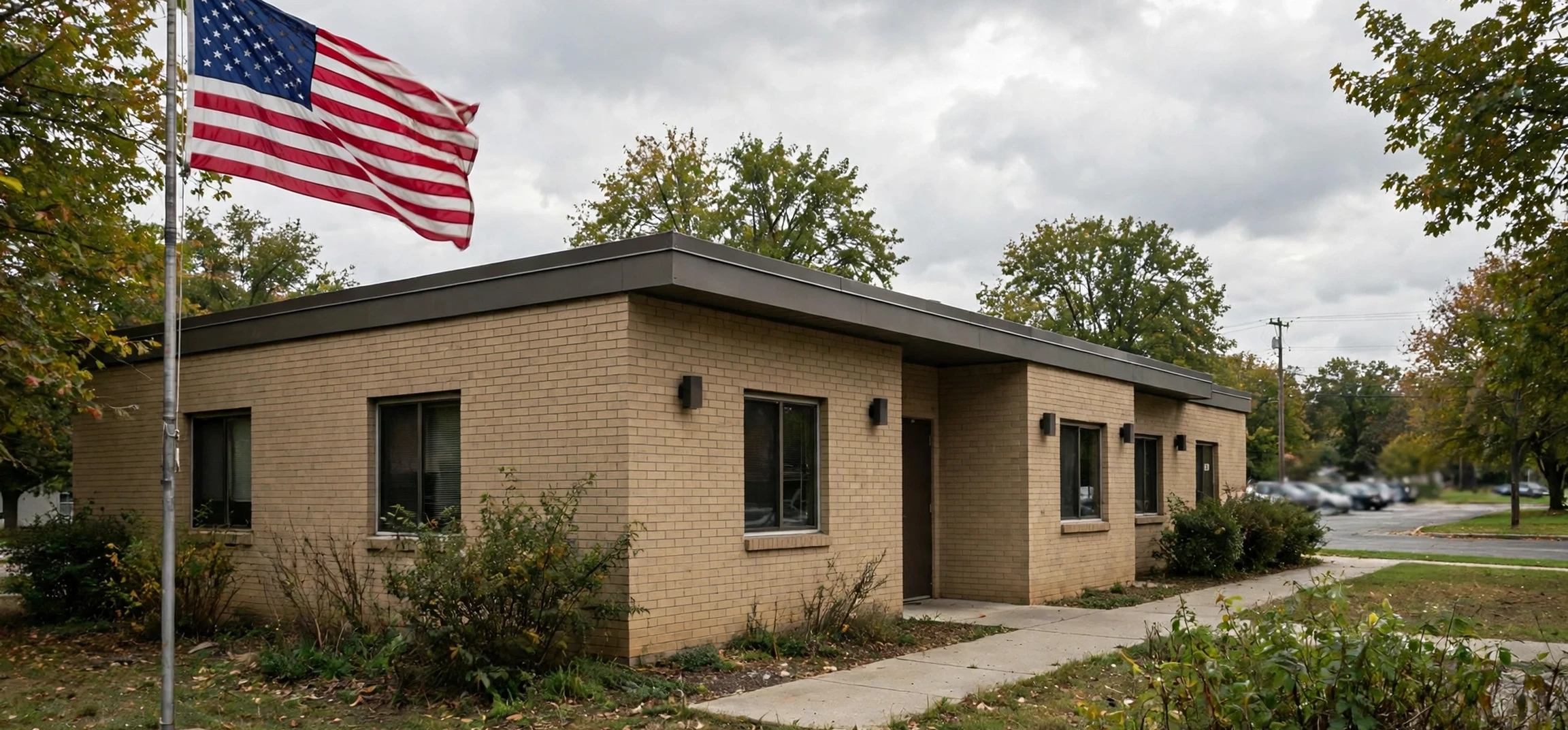
Assistance USA can feel overwhelming to navigate, because help in the United States comes from many different places: federal agencies, state governments, local councils, charities and community organisations. This general guide to assistance USA explains the main types of official assistance programmes, how to find trustworthy information, what documents you may need, and how to avoid scams. It does not collect personal data and it does not replace advice from an official agency; instead, it points you towards official sources where you can check eligibility for your own situation.
The first principle is simple: start with official sources. Government websites, local government offices and well-known non-profit organisations are the safest places to learn about programmes. Be cautious about websites, messages or callers that ask for payment to access a government programme, request sensitive details by text or email, or promise guaranteed approval. Genuine assistance USA programmes have published eligibility rules, application steps and contact channels, and they do not charge a fee simply to apply.
Assistance USA: Main Types of Programmes
Assistance programmes in the United States generally fall into several broad categories. Food assistance helps households buy groceries and, in some areas, provides meals through schools and community kitchens. Housing assistance may include rental help, support for people at risk of homelessness, and advice services that explain tenants’ rights and options. Healthcare assistance can include public health coverage programmes and community clinics that offer care on a sliding scale based on income.
Other important categories include cash assistance for families in financial hardship, unemployment support for people who have lost work, disability-related support, energy assistance to help with heating and cooling bills, and education support such as grants and childcare help. Each category has its own rules, and eligibility often depends on household size, income, location and specific circumstances. A programme that helps in one state may have different rules, or a different name, in another state, which is why checking your state and local sources matters so much.
Veterans, older adults, students, parents, people with disabilities and people affected by a natural disaster may also have access to targeted programmes. If you belong to one of these groups, look for both general programmes and group-specific ones, since targeted help is sometimes easier to miss in a general search. Community organisations and libraries often keep lists of local options and can point you in the right direction.
Assistance USA: How to Find Official Programmes
The most reliable way to find assistance USA programmes is to use official government portals and directories. Federal government websites list major programmes by topic, such as food, housing, health and money, and they link onwards to the agencies that run each programme. State government websites then explain how the programme works locally, including where to apply and what to bring.
Local help is often the most practical. City and county offices, public libraries, community centres and faith-based organisations frequently know which programmes are currently open, which have waiting lists, and which local charities can help quickly. A librarian or community worker can often help you search, print forms, or understand a letter you have received, without charging a fee.
When searching online, look for web addresses ending in .gov for government agencies, and check that a charity is registered and reputable before sharing any details. Avoid clicking links in unsolicited messages that claim you have been selected for a grant or benefit. Instead, go directly to the official website by typing its address yourself or using a search engine to find the agency’s official page. For general guide-reading habits, see our home guides collection and educational guide.
Questions to Ask Before Applying
Before you apply for any programme, it helps to gather answers to a few questions: what is the programme’s official name and which agency runs it, who is eligible, what is the application deadline if any, what documents are needed, how long does a decision usually take, and how will you be contacted about the outcome? Writing these down for each programme prevents confusion when you apply for more than one.
Documents You May Need
Commonly requested documents include proof of identity, proof of address, proof of income, household details, and, for some programmes, medical or employment information. Requirements vary widely, so treat this as a general checklist rather than a definitive list. Keep copies of everything you submit, note the date you applied, and keep any reference number you are given. Never send original identity documents by post unless an official agency explicitly asks you to, and never share passwords or full bank login details with anyone claiming to process an application.
Assistance USA: Applying Step by Step
A calm, step-by-step approach makes applications easier. First, identify one or two programmes that best match your need, rather than applying for everything at once. Second, read the eligibility guidance on the official page carefully, including income limits and residency rules. Third, gather your documents and check that names, addresses and dates match across them. Fourth, complete the application exactly as instructed, whether online, by post or in person, and keep a copy.
After applying, note any next steps: an interview, a request for extra documents, or a waiting period. If an agency contacts you, verify that the contact is genuine before responding, especially if you are asked for sensitive information. Official agencies will explain why they need a document and how it will be used. If something feels wrong — pressure to act immediately, a request for payment, or a threat — pause and contact the agency through a number or address you found independently.
If an application is refused, read the decision letter carefully. It should explain the reason and whether you can appeal, reapply, or provide additional information. Many people succeed on a second attempt after correcting a missing document or a misunderstanding about household details. Advice organisations and legal aid services in your area can sometimes help you understand a refusal and prepare an appeal, often free of charge.
| Need | Where to Start | Tip |
|---|---|---|
| Food | Official food assistance pages and local food banks | Check school meal options for children too |
| Housing | Local housing authority and council offices | Ask about waiting lists early |
| Healthcare | Official health coverage marketplace and clinics | Compare coverage and costs carefully |
| Energy bills | State energy assistance programme | Apply before winter where possible |
| Employment | State unemployment and job centres | Keep records of job searches |
| Emergencies | Local emergency services and charities | Ask libraries about rapid local help |
Assistance USA: Avoiding Scams
Unfortunately, assistance programmes attract scammers who exploit people in difficult moments. Common warning signs include demands for upfront fees, requests for payment by gift card or wire transfer, promises of guaranteed grants, and messages claiming you must act within hours or lose a benefit. Genuine agencies do not operate this way, and no legitimate programme requires payment to release a grant.
Protect yourself by keeping sensitive details private, verifying contacts independently, and reporting suspicious messages to the relevant authorities. If you have shared sensitive information with a suspected scammer, contact your bank and the appropriate reporting channels promptly, and keep records of what happened. Community organisations and consumer protection agencies publish plain-language scam warnings that are worth reading before you share details anywhere.
Another safeguard is to be wary of unofficial websites that copy the look of government pages. Check the web address carefully, look for official contact details, and prefer .gov addresses for government services. When in doubt, call or visit a local office in person rather than trusting a link you received unexpectedly.
Assistance USA: Local and Community Help
Beyond government programmes, community help often fills urgent gaps. Food banks, community kitchens, clothing banks, shelters and advice centres operate in most areas, and many do not require a lengthy application. Faith groups, neighbourhood associations and mutual aid groups may also offer practical help, from transport to a listening ear, and they often know about small local funds that larger directories miss.
Libraries deserve special mention. Public libraries offer free internet access, printing, and staff who can help you search for programmes and complete online forms. Some libraries host advice sessions with housing, benefits or legal specialists. If you lack internet access at home, the library is an excellent first stop for any assistance USA search.
Employers, schools and healthcare providers can also be sources of help. Some workplaces offer employee assistance schemes, schools can connect families with meal and uniform support, and clinics can refer patients to social support services. Asking one trusted professional where to start often leads to several useful contacts, and you do not need to explain your whole situation to every organisation you approach. You may also find our practical how-to guide useful for handling official correspondence.
It is also worth remembering that assistance USA is not a single programme with one application form, but a network of federal, state and local options that work best when approached one step at a time. Many people find the assistance USA landscape easier to navigate once they have identified their most urgent need, found the official agency for that need, and made a first enquiry. From there, assistance USA advisers, librarians and community workers can often suggest further assistance USA options that fit the same household, so a single good conversation can open several doors at once.
Assistance USA: Frequently Asked Questions
Does it cost money to apply for government assistance?
No. Genuine government assistance programmes do not charge a fee to apply. Anyone asking for payment to access a programme should be treated with suspicion and verified through official channels.
How do I know if I am eligible?
Eligibility depends on the programme, your household, your income and your location. The official programme page for your state is the authoritative source, and local advice services can help you interpret the rules.
Can I apply for more than one programme?
Yes. Many households receive help from several programmes at once, such as food and housing support. Each programme has its own application, so keep separate records for each.
What if my application is refused?
Read the decision letter, check whether you can appeal or reapply, and seek free advice locally if the reason is unclear. Missing documents are a common and fixable cause of refusal.
Conclusion
Navigating assistance USA programmes takes patience, but the help is real and the official routes are clear once you know where to look. Start with government sources, check your state and local options, gather your documents carefully, and stay alert to scams. Libraries, community organisations and advice services can support you along the way, and a refusal is not always the end of the road. Use this guide as a starting point, verify every detail with the official agency for your area, and take the next step with confidence.



