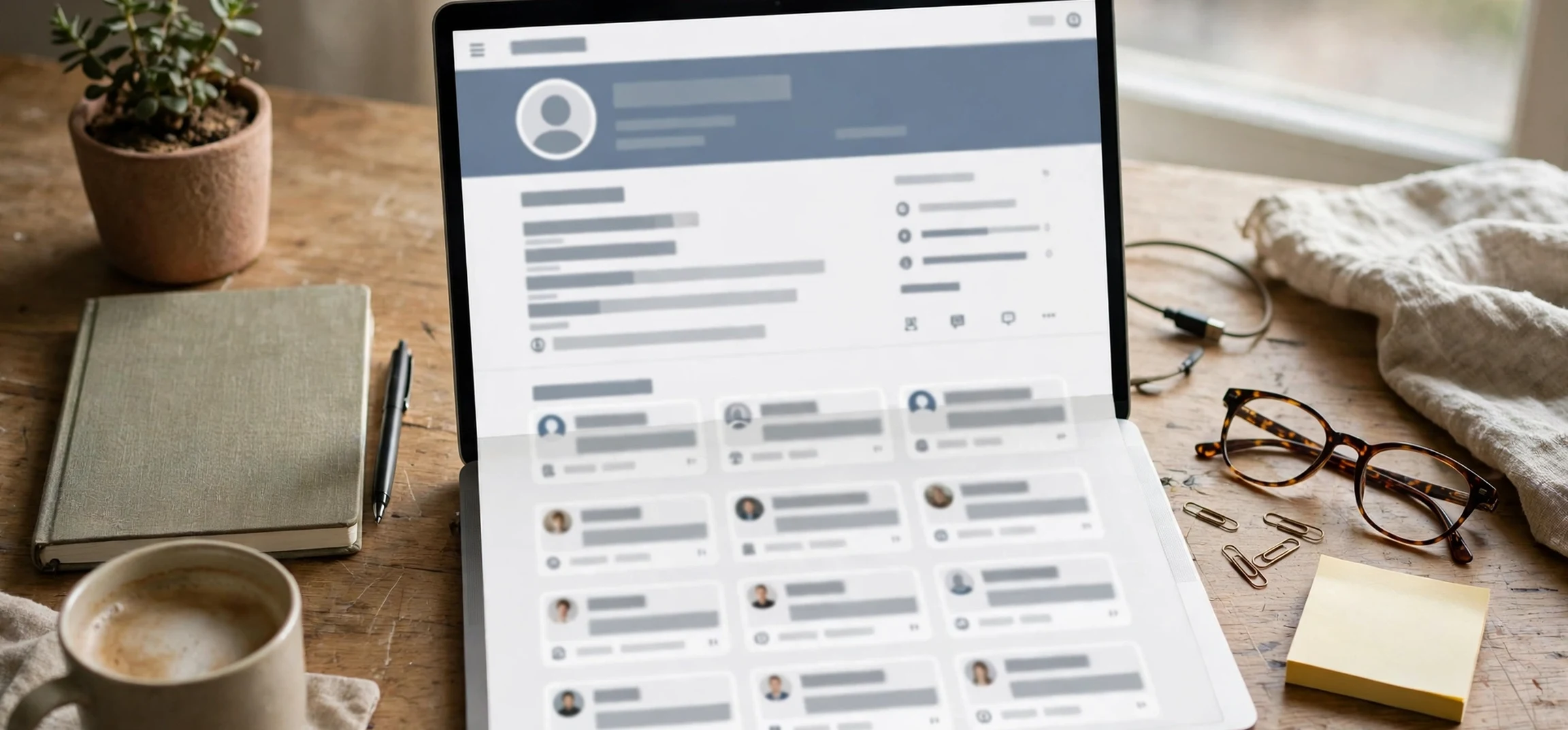
If you have spent any time scrolling through LinkedIn, you have probably noticed small labels next to people’s names. One of the most common is 2nd, and it often leaves new users wondering what it really means. In simple terms, the 2nd label on LinkedIn shows how closely connected you are to another person on the platform. It is not a ranking, a score, or a badge for popularity. It is a connection degree, and understanding it can help you use LinkedIn more confidently, send better connection requests, and grow a professional network that actually works for you.
LinkedIn uses degrees to describe distance in your network. A 1st-degree connection is someone you are directly connected to, much like a friend or contact you have already accepted. A 2nd-degree connection is someone who is connected to one of your 1st-degree connections, but not directly to you yet. In other words, there is one person between you and them. A 3rd-degree connection is further away, connected to your 2nd-degree connections. Once you understand this simple chain, the whole system starts to make sense, and the 2nd label becomes a useful clue rather than a mystery.
This guide explains what 2nd means on LinkedIn in plain language, why it appears, what you can and cannot do with 2nd-degree connections, how it affects messaging and visibility, and how to turn those second-degree contacts into meaningful professional relationships. Whether you are job hunting, building a business, learning a new skill, or simply curious about the platform, this article will give you a clear and practical understanding.
What 2nd Means On LinkedIn
The 2nd label stands for a second-degree connection. It means that you and that person share at least one mutual connection, but you have not yet connected directly with each other. For example, if you are connected to Sarah, and Sarah is connected to David, then David will appear as a 2nd-degree connection to you, assuming you are not already connected to David yourself. LinkedIn shows this label on profiles, in search results, and in comments so you can quickly judge how close someone is to your existing network.
This system is designed to help you navigate a large professional network without feeling lost. Instead of seeing millions of strangers, you see people grouped by distance. First-degree connections are your inner circle. Second-degree connections are your extended circle, people who are one introduction away. Third-degree connections are further out, and people beyond that may simply show no degree label or appear as a LinkedIn member with limited profile details, depending on their privacy settings.
It is important to note that 2nd does not mean second best, second choice, or second place. It has nothing to do with how good someone is at their job, how popular they are, or how much LinkedIn values them. It is purely a measure of network distance at that moment. The moment you connect with a 2nd-degree person and they accept, they become a 1st-degree connection, and the label changes instantly.
How LinkedIn Connection Degrees Work
LinkedIn connection degrees work like a chain of introductions. Think of your network as a map. You sit in the centre, your direct connections surround you, and their connections form the next ring outwards. That second ring is your 2nd-degree network, and it is usually much larger than your first-degree network. Even a modest network of two hundred direct connections can lead to tens of thousands of second-degree connections, because each of those people has their own network.
First-Degree Connections Explained
First-degree connections are people you have connected with directly. You sent a request and they accepted, or they sent a request and you accepted. You can usually message them for free, see more of their profile, and see their posts in your feed more often. These are your closest LinkedIn relationships, though closeness here means platform connection, not necessarily personal friendship. Many first-degree connections are colleagues, classmates, clients, or people you met at an event.
Second-Degree Connections Explained
Second-degree connections are connected to your first-degree connections. LinkedIn will often show you which mutual connections you share, which is extremely helpful. If you see that you share five mutual connections with someone, and those connections are people you trust, that gives you useful context before you reach out. You can also ask a mutual connection for an introduction, which is often more effective than a cold request.
Third-Degree Connections And Beyond
Third-degree connections are connected to your second-degree connections, making them two steps away from you. Their profiles may show less information, and messaging options may be more limited. Beyond the third degree, LinkedIn may show profiles with restricted details. This layered system protects privacy while still letting you discover new people through trusted paths.
What You Can Do With 2nd-Degree Connections
Seeing the 2nd label does not mean you are stuck. In fact, second-degree connections are often the most valuable part of LinkedIn, because they represent growth opportunities. You can view their public profile information, see shared connections, follow them without connecting, send a connection request with a personal note, and in some cases message them if you share a group or have a premium feature. You can also engage with their public posts by liking and commenting, which is a natural way to get noticed before sending a request.
One of the smartest ways to use second-degree connections is to look at mutual connections first. If a mutual connection is a close colleague, you can ask them to introduce you or mention you in a message. A warm introduction is usually far more effective than a generic request. Even without an introduction, a short, specific, and polite note explaining why you want to connect can make a big difference. Mention a shared interest, a post they wrote, or a mutual connection by name, and keep it brief.
Following is another useful option. When you follow someone, you see their public posts without becoming a connection. This lets you learn about their work, understand their interests, and engage thoughtfully over time. Later, when you do send a connection request, it will not feel random, because they may already recognise your name from comments or likes.
Messaging, Visibility, And Privacy For 2nd Connections
Messaging rules on LinkedIn depend on connection degree and account type. First-degree connections can usually be messaged for free. Second-degree connections may not be directly messageable unless you share a group, they have open profile settings, or you use a paid messaging feature. This is why connection requests matter: once accepted, messaging becomes straightforward.
Visibility also changes with degree. You may see more of a first-degree connection’s activity and profile details than you would for a second-degree connection. Second-degree profiles still show useful public information such as headline, current role, location, and shared connections, but some sections may be limited based on that person’s privacy choices. This is normal and respects each user’s settings.
If you want more people to discover you as a second-degree connection, keep your profile complete and public where appropriate. A clear photo, a descriptive headline, a summary of what you do, and a list of experience and skills help others decide whether to connect. People are far more likely to accept requests from profiles that look real, complete, and relevant.
Why 2nd-Degree Connections Matter For Jobs And Business
Second-degree connections matter because most opportunities come through extended networks, not just close contacts. A job opening, a freelance project, a partnership, or a learning opportunity often comes from someone you do not know yet, but who is connected to someone you do know. That is exactly what the 2nd label represents: a bridge to new opportunities through people you already trust.
For job seekers, second-degree connections can be hiring managers, recruiters, or employees at companies you admire. Reaching out respectfully, or asking a mutual connection for an introduction, can open doors that a cold application cannot. For business owners and freelancers, second-degree connections can become clients, collaborators, or referral partners. For students and career changers, they can become mentors or sources of honest advice about an industry.
The key is to approach second-degree connections with genuine interest rather than a sales pitch. Read their profile, understand their work, and explain clearly why connecting would be useful for both sides. People respond to relevance and respect, not to generic messages sent in bulk.
How To Turn A 2nd Connection Into A 1st Connection
Turning a second-degree connection into a first-degree connection is simple, but doing it well takes a little thought. Start by checking mutual connections and recent activity. Then decide whether a direct request, a follow first, or an introduction through a mutual connection makes the most sense. If you send a request, always add a personal note when possible.
A good note is short, specific, and friendly. For example, you might mention that you enjoyed their post on a topic, that you share a mutual connection, or that you work in a related field and would value staying in touch. Avoid long pitches, requests for favours in the first message, or copied templates that could apply to anyone. Personalisation shows that you actually looked at their profile.
After they accept, do not disappear. A brief thank-you message, a comment on their next post, or sharing something useful keeps the connection alive. Over time, that new first-degree connection expands your second-degree network even further, creating a healthy cycle of growth.
Common Mistakes To Avoid
Common mistakes include sending blank requests to dozens of strangers, writing overly long first messages, asking for a job in the first note, or connecting only to immediately pitch a product. Another mistake is ignoring mutual connections: if you share many connections with someone, mentioning one by name builds trust. Finally, do not be discouraged by unanswered requests. People are busy, and a lack of response is not personal. Focus on quality over quantity.
Connection Degrees At A Glance
The table below summarises the main LinkedIn connection degrees in plain language, so you can compare them at a glance.
| Degree | Meaning | Typical Access |
|---|---|---|
| 1st | Directly connected to you | Full messaging and broader profile access |
| 2nd | Connected to your 1st-degree connections | Shared connections visible, request or follow options |
| 3rd | Connected to your 2nd-degree connections | More limited profile and messaging options |
| Beyond 3rd | No close shared path shown | Restricted profile details in many cases |
Frequently Asked Questions
Does 2nd mean someone viewed my profile?
No. The 2nd label only describes network distance. It does not mean someone viewed your profile, followed you, or interacted with you. Profile views are shown separately in LinkedIn’s viewer section, where available.
How does someone stop being a 2nd connection?
When you connect and they accept, they become a 1st-degree connection. If you or they remove the connection later, the degree may change again based on remaining shared connections.
Can I message a 2nd-degree connection for free?
Usually not directly, unless you share a group, they allow open messages, or another feature applies. Sending a connection request with a note is the most common free route.
Why do people binge-watch LinkedIn explainers?
Many users learn LinkedIn in short bursts, watching several explainers in one sitting to understand labels, settings, and networking tips quickly. Short, clear guides like this one help because they answer one question at a time without jargon.
Conclusion
On LinkedIn, 2nd simply means a second-degree connection: someone connected to your direct connections, but not yet directly to you. It is a sign of opportunity, not a limitation. By checking mutual connections, following interesting people, sending thoughtful requests, and engaging genuinely, you can turn second-degree contacts into valuable first-degree relationships and steadily grow a network that supports your career and business goals. For more helpful explainers, explore Ploomes Org, Technewstop Org, and Chain Guide Comedy Fun on Dooekpo.



