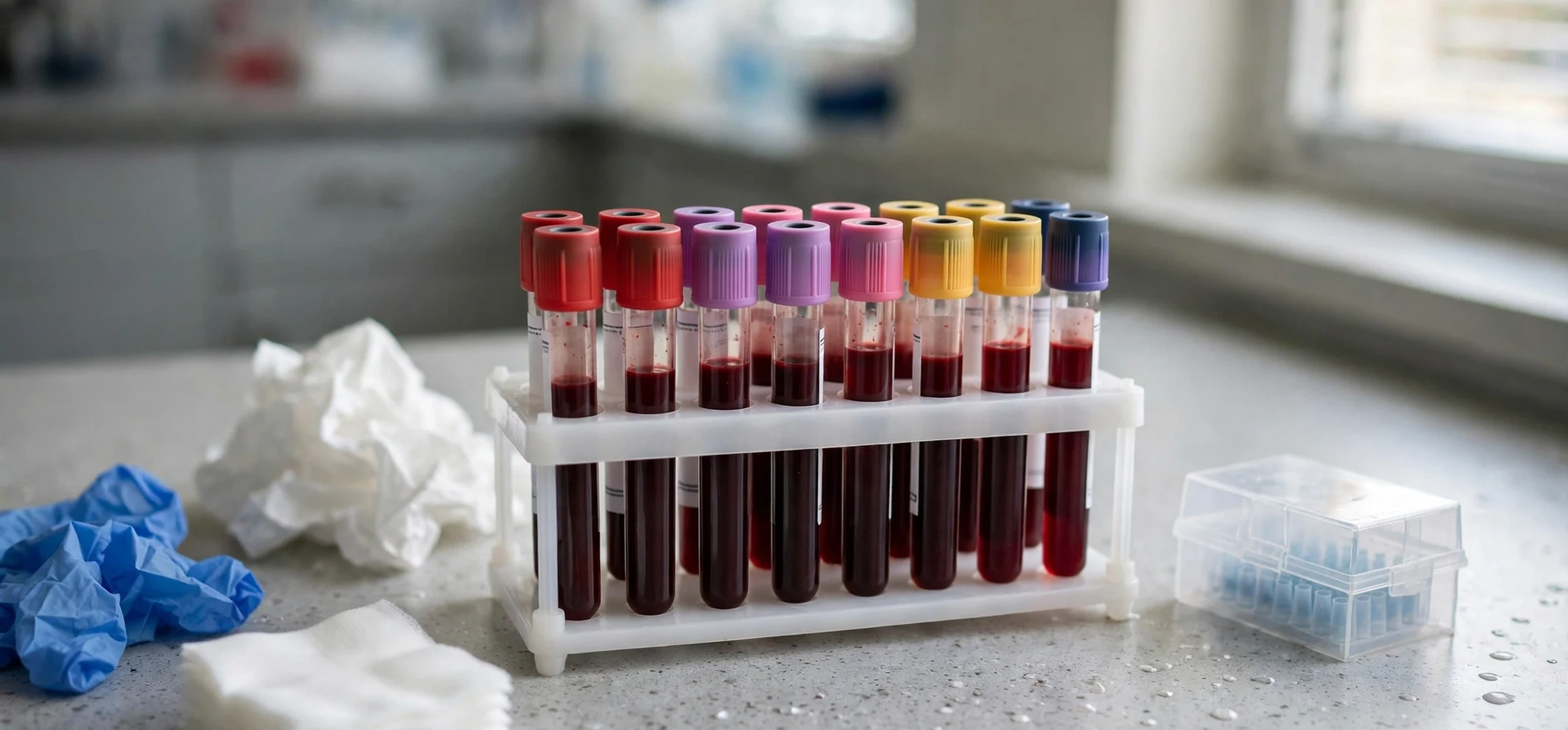
If you have ever looked at a lab report and wondered what bun means in blood test results, you are not alone. The letters BUN stand for blood urea nitrogen, a measurement that tells your clinician how much urea nitrogen is circulating in your blood. Urea is a waste product made when your body breaks down protein, and your kidneys are responsible for filtering it out. When you understand what bun means in blood test reports, the number on the page stops being a mystery and becomes one useful piece of a much bigger health picture.
This guide explains what bun means in blood test panels in plain language: what the test measures, what typical reference ranges look like, what can push the number up or down, and why doctors almost never interpret BUN on its own. It is general education only. It is not a diagnosis, and it does not replace advice from your own clinician, who knows your history, your medicines, and your other results.
What BUN Means in Blood Test Results
To answer the question of what bun means in blood test reports directly: BUN is the amount of nitrogen in the blood that comes from urea. When you eat protein, your liver converts the nitrogen left over from protein breakdown into urea. That urea travels through the bloodstream to the kidneys, which filter it out and send it into the urine. A BUN test measures how much urea nitrogen remains in the blood at the time the sample is drawn.
Think of it as a balance check. If the kidneys are filtering well, urea leaves the body at a steady rate and the blood level stays within a typical range. If filtration slows, or if the body is producing more urea than usual, the blood level rises. That is why clinicians order BUN as part of a basic metabolic panel or a comprehensive metabolic panel, alongside creatinine, electrolytes, and glucose. Each value adds context to the others.
BUN is usually reported in milligrams per deciliter (mg/dL). Reference ranges vary a little between laboratories, and they also shift with age: older adults often run slightly higher, and children often run lower. A typical adult reference range is roughly 7 to 20 mg/dL, but the range printed on your own report is the one that matters, because it reflects the specific laboratory method used for your sample.
Why Doctors Order a BUN Test
Clinicians order a BUN test for several common reasons. It may be part of a routine checkup panel, a pre-surgery workup, or a follow-up when a patient is taking a medicine that can affect the kidneys. It is also used when someone has symptoms that could point to kidney trouble, dehydration, or a problem with protein metabolism, such as unusual fatigue, swelling, changes in urination, or nausea that has no clear cause.
BUN is also useful for tracking change over time. A single slightly high or low value is often less informative than a trend: a level that climbs steadily across several visits tells a different story from a one-off reading after a large protein-heavy meal or a bout of dehydration. That is one reason clinicians repeat labs rather than acting on a single number.
Another common use is monitoring people with known kidney disease, diabetes, or high blood pressure, since these conditions can affect kidney function over time. In hospital settings, BUN is watched closely in patients receiving intravenous fluids, certain antibiotics, or diuretics, because all of these can shift the balance between urea production and kidney filtration.
What BUN Means in Blood Test Panels: The BUN to Creatinine Ratio
One of the most important things to understand about what bun means in blood test panels is that BUN is rarely read alone. Clinicians pair it with creatinine, another waste product filtered by the kidneys, and calculate the BUN-to-creatinine ratio. This ratio helps them sort out why a BUN value might be high.
A high ratio, often above 20 to 1, can suggest that the kidneys are not the main problem. Instead, something is increasing urea production or reducing blood flow to the kidneys, such as dehydration, a high-protein diet, or bleeding in the digestive tract. A ratio in the typical range alongside a high BUN, on the other hand, points more toward reduced kidney filtration itself. The ratio is a clue, not a conclusion, and it is always weighed against symptoms, medicines, and other test results.
This pairing is also why two people can have the same BUN number and receive very different follow-up. One person’s high BUN may resolve with fluids and a repeat test, while another person’s may prompt imaging, a urine test, or a referral to a kidney specialist. Context is everything in lab interpretation.
Common Causes of a High BUN Level
A high BUN level has many possible causes, and most of them are not kidney failure. Dehydration is one of the most common: when the body is short on fluid, the kidneys reabsorb more urea along with water, and the blood level rises. This can happen after vomiting, diarrhea, heavy sweating, or simply not drinking enough fluids during illness or hot weather.
A high-protein diet or a recent large protein intake can also raise BUN temporarily, because more protein breakdown means more urea production. Certain medicines, including some diuretics and high-dose corticosteroids, can raise BUN as well. Other causes include reduced blood flow to the kidneys from heart failure or shock, urinary blockages that prevent urine from leaving the body, and gastrointestinal bleeding, which adds protein to the digestive tract for the body to break down.
Kidney disease itself is also on the list, particularly when BUN rises together with creatinine and stays elevated over time. But a high BUN alone does not diagnose kidney disease, and it certainly does not tell you how severe any kidney problem might be. That determination requires more testing and a clinician’s judgment.
Common Causes of a Low BUN Level
Low BUN levels are less common and usually less concerning than high ones, but they still have explanations worth knowing. A low-protein diet, including some vegetarian eating patterns, can lower urea production and therefore lower BUN. Overhydration, where the body holds excess fluid, can dilute the blood and lower the measured value.
Liver problems can also lower BUN, because the liver is where urea is made; if the liver is not producing urea normally, less of it reaches the blood. Pregnancy can lower BUN too, as blood volume expands and kidney filtration increases. As with high values, a low BUN is interpreted alongside everything else on the panel, and an isolated low reading in an otherwise healthy person often needs no action at all.
How the BUN Test Is Done
The BUN test is a simple blood draw, usually from a vein in the arm. No special preparation is usually required, though your clinician may ask you to fast or to avoid certain medicines beforehand, depending on what else is being tested at the same time. The sample is sent to a laboratory, and results typically come back within a day.
There is nothing you need to do to prepare your body for the test itself, but it helps to tell your clinician about your medicines, supplements, and recent diet, since all of these can influence the result. If you were dehydrated, ill, or recovering from an injury when the sample was taken, mention that too, because it gives the result important context.
| Situation | Typical effect on BUN | Why it happens |
|---|---|---|
| Dehydration | Often higher | Kidneys reabsorb more urea with water |
| High-protein diet | Often higher | More protein breakdown means more urea |
| Low-protein diet | Often lower | Less urea is produced |
| Certain diuretics | Often higher | Fluid shifts change kidney handling of urea |
| Liver disease | Often lower | Less urea is made in the liver |
| Urinary blockage | Often higher | Urea backs up instead of leaving the body |
BUN and Kidney Health: What the Number Cannot Tell You
It is tempting to treat a lab number as a verdict, but BUN is a screening and monitoring tool, not a diagnosis machine. It cannot tell you whether you have kidney disease, how advanced it might be, or what caused it. It also cannot distinguish between a temporary shift, like dehydration, and a lasting change in kidney function. That is why clinicians look at trends, the creatinine level, urine tests, blood pressure, and your medical history together.
If your BUN comes back outside the reference range, the most useful next step is a conversation with your clinician, not an internet search spiral. Ask what the rest of your panel showed, whether the test should be repeated, and whether anything in your diet, fluids, or medicines might explain the result. In many cases the answer is reassuring: a repeat test after rehydration comes back normal.
People with chronic conditions that affect the kidneys often learn to track their BUN over time as one of several numbers they watch. If that is you, keeping your own simple log of results, dates, and any illness or medicine changes can make those conversations more productive.
Related Lab Terms Worth Knowing
BUN sits in a family of related tests, and knowing the neighbors helps the whole panel make sense. Creatinine is the closest companion, as described above. The estimated glomerular filtration rate, or eGFR, is a calculation based on creatinine, age, and sex that estimates how well the kidneys are filtering. Electrolytes such as sodium, potassium, and bicarbonate describe the body’s fluid and acid-base balance. Albumin, a protein made by the liver, can hint at nutrition and kidney protein loss when it appears in urine tests.
Other blood tests you may see on the same report include glucose, calcium, and liver enzymes, each answering a different question. If you want to keep building your lab literacy, our guide to blood test TSH meaning explains another commonly confusing abbreviation, and our explainer on what CO2 means in a blood test covers a value that often sits right next to BUN on the same panel. For a look at a red blood cell measurement, see our article on low MCHC in blood tests.
Frequently Asked Questions
Is a high BUN always a sign of kidney disease?
No. Dehydration, a high-protein diet, certain medicines, and reduced blood flow to the kidneys can all raise BUN without any kidney disease being present. This is a key part of what bun means in blood test interpretation: a single flagged value is a prompt for context, not a diagnosis. Kidney disease is one possible cause, but it is diagnosed with a combination of tests and clinical evaluation, not a single BUN value.
Can drinking water lower BUN?
If dehydration was the reason for a high BUN, rehydrating can bring the level back toward normal, and a repeat test often confirms it. But fluids are not a treatment for every cause of high BUN, and you should not try to manipulate a lab result without talking to your clinician first.
Does fasting affect BUN?
Fasting itself usually has a small effect, but a large protein meal before the test can raise BUN temporarily. Follow any preparation instructions your clinician gives you, and mention recent meals or illness when you discuss the result.
What should I ask my doctor about my BUN result?
Good questions include: What were my creatinine and eGFR? Is this value new or part of a trend? Should the test be repeated, and when? Could any of my medicines or my diet explain it? Those four questions cover most of what bun means in blood test reports, and they turn a confusing number into a productive conversation with your clinician.
What BUN Means in Blood Test Follow-Up Visits
One question that comes up often is what bun means in blood test follow-up visits, when a clinician repeats the panel weeks or months later. In that setting, what bun means in blood test follow-up is mostly about direction: is the number stable, rising, or falling compared with the last result? A stable value in a person who feels well is usually reassuring, while a rising trend prompts a closer look at hydration, medicines, diet, and kidney function. What bun means in blood test follow-up also depends on what changed between visits. A new medicine, a recent illness, or a change in eating habits can all move the number, and your clinician will ask about those changes before drawing conclusions.
Another follow-up scenario is monitoring during treatment. If you are taking a medicine that can affect the kidneys, your clinician may check BUN regularly to catch problems early. Here, what bun means in blood test monitoring is an early warning signal rather than a verdict: a gradual climb may lead to a dose adjustment or a switch to a different medicine long before any symptoms appear. Patients sometimes worry when they see a flagged value on a patient portal before their clinician has reviewed it. Remember that what bun means in blood test results is something your clinician interprets with the full panel in hand, and a flagged number alone rarely tells the whole story. If you are concerned, the fastest route to clarity is a message or call to your clinician’s office, not a change to your medicines or diet on your own.
Conclusion
Understanding what bun means in blood test results comes down to one idea: BUN measures urea nitrogen in the blood, and it reflects the balance between protein breakdown and kidney filtration. It is a useful, widely used test, but it is one piece of a panel, not a diagnosis on its own. High values often trace back to dehydration, diet, or medicines; low values often reflect diet, fluid balance, or liver function; and lasting changes are judged by trends and companion tests like creatinine.
If your result is outside the range, the right move is simple: bring the report to your clinician, ask about the full panel, and find out whether a repeat test is needed. With that context, what bun means in blood test reports becomes a practical tool for understanding your health rather than a source of worry.