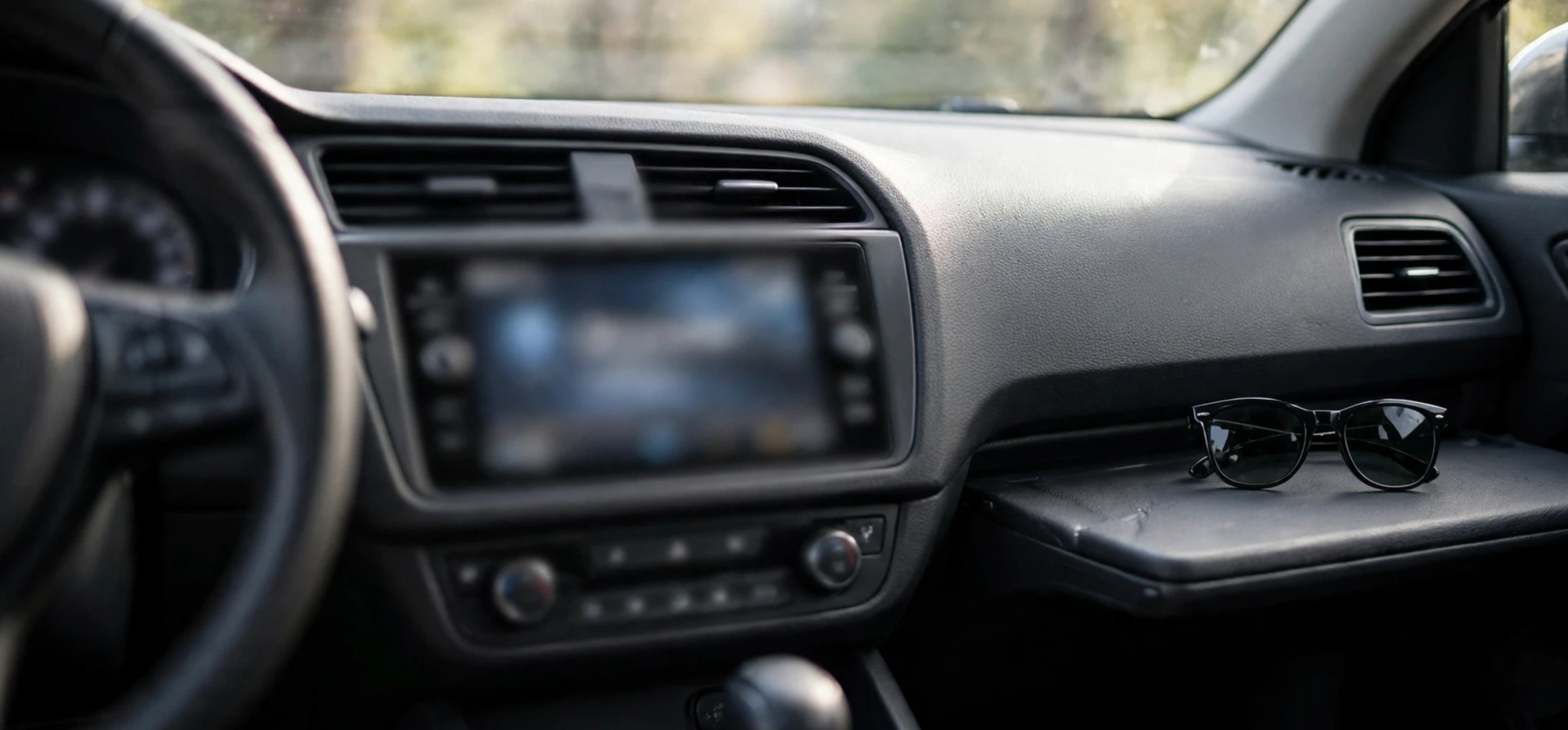
Drivers often notice a small green leaf or the letters ECO on the dashboard and wonder exactly what eco means in cars. In short, ECO stands for economy, and ECO mode is a driving setting designed to reduce fuel use and, in many cars, to lower exhaust emissions. When you switch it on, the car adjusts how it responds to the accelerator, how the gearbox changes gear, and sometimes how the air conditioning works, all in favour of efficiency rather than sharp performance. This guide explains what eco means in cars, how the mode works in petrol, diesel, hybrid, and electric vehicles, when it helps, and when you are better off switching it off.
ECO mode is not a single standard feature, so its behaviour varies by manufacturer and model. In some cars it is a button on the centre console, in others it is a drive-mode dial alongside Sport and Normal, and in some it switches on automatically in gentle driving. The underlying idea is always the same, though: soften the car’s responses, keep the engine in its most efficient range, and waste less energy on heating, cooling, or aggressive acceleration. Understanding that idea helps you judge whether the mode suits a particular journey. Understanding what eco means in cars helps you decide when the mode is worth using.
What Eco Means in Cars and How Eco Mode Works
To understand what eco means in cars, start with the throttle. In normal driving, a small press of the accelerator can produce a brisk surge of power. In ECO mode, the car remaps that response, so the same press delivers power more gradually. You still have full power available if you press firmly, but gentle inputs stay gentle. This discourages the sharp bursts of acceleration that burn the most fuel, and it rewards a smooth driving style without forcing you to think about every press.
The gearbox plays a similar role. An automatic car in ECO mode tends to change up earlier and hold higher gears longer, keeping engine revs lower. Lower revs usually mean lower fuel consumption at a steady speed, especially on motorways and open roads. In some cars, ECO mode also reduces the power drawn by air conditioning or heated seats, or it adjusts the climate system to maintain a comfortable temperature with less energy. The changes are modest individually, but together they can make a noticeable difference over a long journey. Understanding what eco means in cars helps you decide when the mode is worth using.
ECO Mode in Petrol and Diesel Cars
In a conventional petrol or diesel car, ECO mode mainly targets the engine and gearbox. Earlier gear changes, softer throttle response, and sometimes a start-stop system that switches the engine off at traffic lights all contribute to savings. The effect is largest in town driving, where stop-start traffic and frequent acceleration otherwise waste fuel. On a steady motorway cruise, the saving is smaller, because the car is already running efficiently, but the mode can still help by keeping revs low and discouraging unnecessary speed changes.
ECO Mode in Hybrids and Electric Cars
Hybrid and electric cars use ECO mode in a slightly different way. A hybrid may favour electric-only driving for longer at low speeds, drawing less on the petrol engine around town. An electric car may limit acceleration and top speed, reduce climate power, and increase regenerative braking, which recovers energy when you slow down. For electric drivers, ECO mode can extend range on a long trip, which matters when the next charging point is some distance away. As with petrol cars, the saving depends on driving style: a calm driver gains more than an aggressive one, whatever the mode. Understanding what eco means in cars helps you decide when the mode is worth using.
What Eco Means in Cars for Fuel Economy
The honest answer to what eco means in cars for your wallet is that savings are real but modest, and they depend heavily on how and where you drive. Manufacturers rarely promise a fixed percentage, because traffic, weather, load, and driving style all matter. Many drivers report savings of a few percent in mixed driving, with larger gains in gentle urban use and smaller gains on fast motorways. If you already drive smoothly, ECO mode may add only a little, because you are already doing much of what it encourages.
It also helps to think about ECO mode as a coach rather than a magic switch. The softened throttle makes it easier to accelerate gently, and the earlier gear changes remind you that high revs are rarely necessary in town. Over time, those habits can carry over even when the mode is off. Drivers who combine ECO mode with good habits, such as anticipating traffic, keeping tyres at the correct pressure, and removing unnecessary weight from the boot, will see the best results. No mode can overcome very aggressive driving, a heavily loaded car, or constant high speeds. Understanding what eco means in cars helps you decide when the mode is worth using.
When ECO Mode Helps and When It Does Not
ECO mode helps most in steady, predictable driving: town traffic, suburban roads, and relaxed motorway cruising. It is also useful when fuel is low and you need to stretch the remaining range to the next filling station, or when you want a calmer, less jerky ride in heavy traffic. Many drivers leave it on for the daily commute and switch it off only for specific situations, which is a sensible compromise.
There are times when ECO mode is unhelpful or even frustrating. Joining a fast motorway, overtaking on a single carriageway, towing a heavy trailer, or climbing a steep hill all demand prompt power, and a softened throttle can feel sluggish at exactly the wrong moment. In those cases, switching to Normal or Sport mode is safer, because a confident burst of acceleration matters more than a tiny fuel saving. ECO mode should never make you hesitate when merging or overtaking; if it does, turn it off for that manoeuvre and switch it back on afterwards. Understanding what eco means in cars helps you decide when the mode is worth using.
| Situation | ECO Mode On | Better Choice |
|---|---|---|
| Town traffic and commuting | Good: saves fuel, smoother ride | ECO |
| Steady motorway cruising | Good: low revs, steady speed | ECO |
| Joining a fast motorway | Can feel sluggish | Normal or Sport |
| Overtaking on a single carriageway | Slower response | Normal or Sport |
| Towing or steep hills | May struggle for power | Normal or tow mode |
| Low fuel or low battery range | Excellent: stretches range | ECO |
ECO Indicators and ECO Driving Tips
Some cars show an ECO light or a leaf symbol even when there is no separate ECO mode button. In those cars, the light simply tells you that you are currently driving efficiently, usually because you are accelerating gently and cruising at a steady speed. It is a feedback tool rather than a setting: drive smoothly and the light stays on, accelerate hard and it goes out. Other cars combine both ideas, with a mode button and an indicator that shows when efficient driving is being achieved.
Whatever your car offers, the same driving habits save fuel. Accelerate gradually, look far ahead so you can lift off early rather than braking late, and keep a steady speed instead of surging and slowing. Check tyre pressures monthly, because under-inflated tyres increase rolling resistance and fuel use. Remove roof boxes and unnecessary loads when you do not need them, and avoid idling for long periods. These habits, combined with ECO mode where it suits, will do more for your fuel bill than any single button. Understanding what eco means in cars helps you decide when the mode is worth using.
Does ECO Mode Harm the Engine?
ECO mode is designed by the manufacturer and does not harm a healthy engine when used normally. It keeps the engine within its ordinary operating range, just at lower revs and gentler loads. If your car feels rough, hesitant, or unusually noisy in ECO mode, that may point to a separate maintenance issue, such as a dirty air filter or worn spark plugs, rather than a fault with the mode itself. A regular service, following the manufacturer’s schedule, keeps both normal and ECO driving smooth.
ECO Mode and Air Conditioning
In some cars, ECO mode reduces air conditioning power, which can make the cabin cool down more slowly on a very hot day. If passengers are uncomfortable, it is perfectly reasonable to switch the mode off or adjust the climate settings separately. Comfort and safety, including a clear windscreen and an alert driver, always come before a small fuel saving. Most cars let you override the climate setting without leaving ECO mode entirely, so check your manual for the options your model offers. Understanding what eco means in cars helps you decide when the mode is worth using.
For more car-related explainers, read our guide to what refinancing a car means, our look at car insurance deductibles, and our overview of car emblems and names.
Frequently Asked Questions
Should I drive in ECO mode all the time?
You can, and many drivers do for commuting and town driving. Switch it off when you need prompt power, such as joining a motorway, overtaking, towing, or climbing a steep hill. Understanding what eco means in cars helps you decide when the mode is worth using.
Does ECO mode save a lot of fuel?
Savings are usually modest, often a few percent, and largest in gentle urban driving. Smooth driving habits matter at least as much as the mode itself.
Why does my car feel slower in ECO mode?
ECO mode softens throttle response and changes gear earlier, so acceleration feels more gradual. Full power is still available with a firmer press, but the car deliberately discourages sharp bursts. Understanding what eco means in cars helps you decide when the mode is worth using.
What is the ECO light on my dashboard?
On cars without a mode button, the ECO light is feedback showing that you are currently driving efficiently. On cars with a button, it may also confirm that ECO mode is switched on.
Conclusion
So, what eco means in cars comes down to one word: economy. ECO mode trades a little sharpness for better efficiency, softening the throttle, shifting earlier, and trimming energy use where it can. It shines in town traffic, commuting, and relaxed cruising, and it can stretch range when fuel or battery is low. It is not the right choice for every moment, though, and prompt power matters more than economy when merging, overtaking, or towing. Use ECO mode as a helpful default for everyday driving, switch it off when the road demands more, and pair it with smooth driving habits for the best result. Understanding what eco means in cars helps you decide when the mode is worth using.