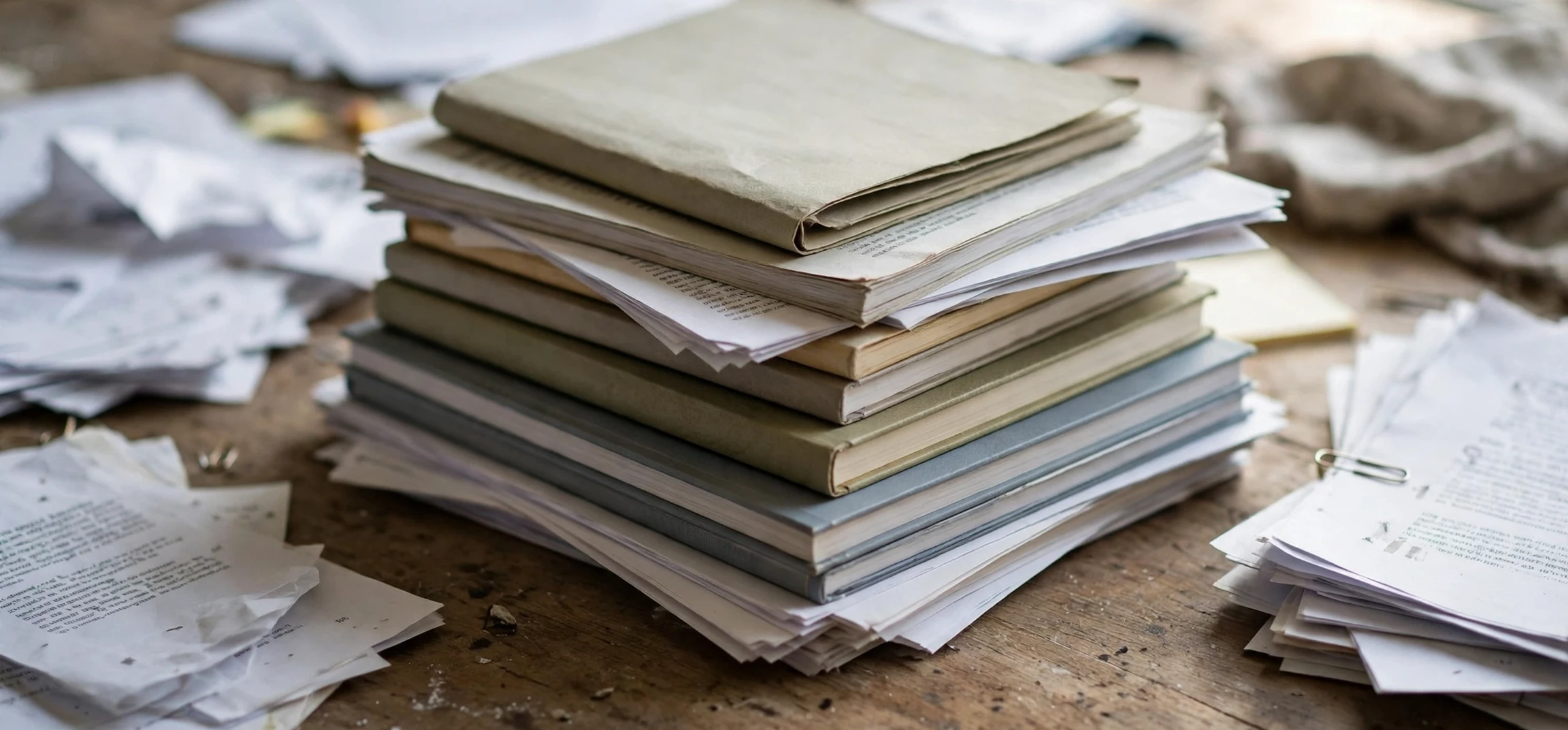
So, what does a peer reviewed article mean? In simple terms, a peer reviewed article is a piece of research that has been checked by other experts in the same field before it is published. When researchers finish a study, they submit it to an academic journal. The journal’s editors then send it, usually without the authors’ names attached, to independent specialists who examine the methods, the evidence, and the conclusions. Only if those reviewers find the work sound does the article move toward publication. That checking process is called peer review, and it is one of the main reasons academic publishing is trusted more than an ordinary blog post or social media claim.
Peer review matters because research shapes real decisions. Doctors, engineers, teachers, and policymakers all rely on published studies, so mistakes in research can have serious consequences. Peer review does not guarantee that a study is perfect, but it acts as a quality filter. It catches weak methods, unsupported claims, missing data, and unclear reasoning before the work reaches a wider audience. Understanding what does a peer reviewed article mean helps you judge whether a claim you read online rests on solid evidence or on opinion dressed up as science.
What Does a Peer Reviewed Article Mean in Practice?
When people ask what does a peer reviewed article mean, they are usually asking how to tell a trustworthy study from an unverified claim. A peer reviewed article has passed through a formal review process at a recognised academic journal. The reviewers are not the authors’ friends or colleagues in the same lab. They are independent experts who understand the subject well enough to spot errors. They read the paper closely, question its assumptions, and recommend that the journal accept it, ask for revisions, or reject it.
The process typically works in stages. First, the author submits a manuscript to a journal. An editor checks whether the topic fits the journal and whether the paper meets basic standards. If it passes that first screen, the editor sends it to two or more reviewers. Those reviewers write detailed reports. They may point out flaws in the study design, ask for extra analysis, or challenge the interpretation of the results. The author then revises the paper in response, and the revised version may go back to the reviewers for another look. This cycle can take months, and sometimes more than a year, which is why peer reviewed research moves more slowly than news or social media.
It is important to understand what peer review does not do. It does not mean that every expert agrees with the findings, and it does not mean the results will never be challenged. Science advances through disagreement and replication, and later studies sometimes overturn earlier ones. Peer review simply means that, at the time of publication, qualified experts found the work methodologically sound and worthy of entering the scholarly conversation.
How Peer Review Works Step by Step
The peer review journey begins long before submission. Researchers design a study, collect data, analyse the results, and write up their findings following the conventions of their field. They describe their methods in enough detail that another researcher could repeat the work. That transparency is essential, because reviewers cannot judge a study they cannot understand or reproduce in principle.
Once submitted, the paper enters the editorial system. Many journals use double-blind review, where neither the authors nor the reviewers know each other’s identities. This reduces bias based on reputation or institution. Other journals use single-blind review, where reviewers know who the authors are but the authors do not know the reviewers. Some newer journals practise open review, where identities and reports are published alongside the article. Each model has strengths and weaknesses, but all share the same goal: independent, expert scrutiny.
Reviewers evaluate several things. They check whether the research question is clear and original. They examine whether the methods suit the question and whether the sample, measurements, and analysis are appropriate. They look at whether the conclusions follow from the evidence or stretch beyond it. They also check whether the paper engages honestly with earlier research, including studies that disagree with the authors. A paper that ignores inconvenient evidence will draw criticism from reviewers.
Possible Outcomes of Review
After review, the editor makes a decision. An outright acceptance with no changes is rare. More commonly, the editor asks for minor or major revisions, giving the authors a chance to fix problems and strengthen the paper. Sometimes the paper is rejected, either because the methods are too weak or because the work does not fit the journal. Rejection is a normal part of academic life, and authors often revise and submit elsewhere. The key point is that publication in a peer reviewed journal means the work survived this gauntlet, not that it sailed through untouched.
Why Peer Review Matters for Everyday Readers
You do not need to be an academic to benefit from understanding peer review. Every day, news stories cite studies about health, diet, technology, and the environment. Some of those stories rest on peer reviewed research, and some rest on preliminary findings, company press releases, or single anecdotes. Knowing the difference helps you decide how much weight to give a claim before you act on it.
Consider a headline claiming that a new food dramatically improves memory. If the claim comes from a peer reviewed trial with a reasonable sample size and a control group, it deserves more attention than the same claim in an advertisement. If the study has not been peer reviewed, it may still be interesting, but it should be treated as preliminary. Journalists who report responsibly will usually say whether a study was peer reviewed, and careful readers can check the original source.
Peer review also protects the public from the flood of low-quality material that the internet makes possible. Anyone can publish a website or a video claiming scientific authority. Journals, for all their flaws, impose a barrier. That barrier is imperfect, but it filters out a great deal of sloppy work, and it gives readers a starting point for judging credibility.
Peer Reviewed Articles Versus Other Sources
Not every useful source is peer reviewed, and not every peer reviewed source is equally strong. Textbooks summarise established knowledge but may lag behind new research. Government reports often combine peer reviewed evidence with expert judgement. News articles translate research for a general audience but can oversimplify. Preprints, which are papers posted online before peer review, let research circulate quickly, but they carry a warning that they have not yet been checked. During fast-moving events, preprints can be valuable, but they should be read with extra caution.
Within peer reviewed publishing, quality also varies. Some journals have rigorous standards and high rejection rates, while others, sometimes called predatory journals, charge fees and publish almost anything with minimal review. A paper in a well-known journal from a reputable publisher carries more weight than a paper in an obscure journal with no clear editorial board. Checking the journal’s reputation, the publisher, and whether the journal is indexed in major academic databases is a practical way to judge a source.
Students are often taught to prefer peer reviewed sources for essays and assignments, and for good reason. A university assignment that cites peer reviewed articles shows that the writer has engaged with work that experts have examined. But students should also learn to read critically. A peer reviewed paper can still have limitations, and a good essay discusses those limitations rather than treating every published finding as final truth.
How to Tell If an Article Is Peer Reviewed
Identifying a peer reviewed article is easier than many people expect. First, look at where it was published. Articles in academic journals are usually peer reviewed, while articles in popular magazines, newspapers, and blogs usually are not. Second, check the journal’s website, which normally states its peer review policy. Third, use academic databases, which often include a filter for peer reviewed or refereed sources. University library guides are an excellent resource for this, and many are freely available online.
The article itself also gives clues. Peer reviewed papers usually follow a recognisable structure: an abstract summarising the study, an introduction reviewing earlier work, a methods section describing exactly what was done, results, a discussion of what the findings mean, and a list of references. They are written in formal, precise language and they cite other research extensively. If an article has no methods section, no references, and no sign of review, it is probably not a peer reviewed research paper, even if it uses scientific language.
Be careful with the phrase “published research”. A study can be published on a website without being peer reviewed. Always check the venue. If you cannot find the journal or any description of its review process, treat the claim with caution and look for corroboration from better-established sources.
Limitations and Criticisms of Peer Review
Peer review is the best system academic publishing has, but it is not flawless. Reviewers are busy volunteers, and they can miss errors. Studies have shown that peer review sometimes fails to catch fabricated data or serious statistical mistakes. Review can also be slow, delaying important findings, and it can be conservative, favouring established ideas over bold new ones. There are also concerns about bias, since reviewers may judge work more harshly when it challenges their own views.
These problems have led to reforms. Some journals now publish reviewer reports alongside articles, increasing transparency. Others experiment with post-publication review, where the wider research community comments on a paper after it appears. Replication studies, in which independent teams repeat an experiment, provide another check that goes beyond the original review. None of these reforms replaces peer review, but together they strengthen the system.
For readers, the lesson is balance. Peer review is a strong signal of quality, but it is not a guarantee of truth. The healthiest approach is to treat a peer reviewed article as a solid starting point, look for agreement across several studies, and stay open to new evidence. Science is a process, not a collection of final answers, and peer review is one important stage in that process.
Frequently Asked Questions: What Does a Peer Reviewed Article Mean
What does a peer reviewed article mean in one sentence?
It means the article was examined by independent experts in the same field before publication, and those experts judged its methods and conclusions sound enough to publish.
Does peer reviewed mean always true?
No. Peer review means the work met quality standards at publication, but later research can refine or overturn findings. Trust grows when multiple independent studies reach similar conclusions.
Is a preprint the same as a peer reviewed article?
No. A preprint is shared publicly before peer review, so it has not yet passed expert checking. Preprints can be useful for speed, but they should be read as preliminary.
Where can I find peer reviewed articles?
University libraries, academic databases, and journal websites are the main sources. Many libraries offer guides that explain how to filter search results to peer reviewed sources only.
Peer Reviewed Sources Compared
| Source type | Peer reviewed? | How much to trust it |
|---|---|---|
| Academic journal article | Yes, usually | High, but read critically |
| Preprint | Not yet | Preliminary, treat with caution |
| Textbook | Reviewed by editors, not classic peer review | Good for established knowledge |
| News article about a study | No, it reports on research | Check the original study |
| Blog or social media post | No | Low unless it cites strong sources |
Conclusion
Understanding what does a peer reviewed article mean gives you a practical tool for navigating a world full of claims. A peer reviewed article has been read, questioned, and tested by independent experts before publication, which makes it a far stronger foundation for decisions than an unchecked post or advertisement. At the same time, peer review is a human process with limits, so the wisest readers combine it with critical thinking, look for agreement across studies, and check original sources whenever a claim matters. If you found this guide useful, you may also like our explainer on what another common term means and our guide to citing sources correctly.



