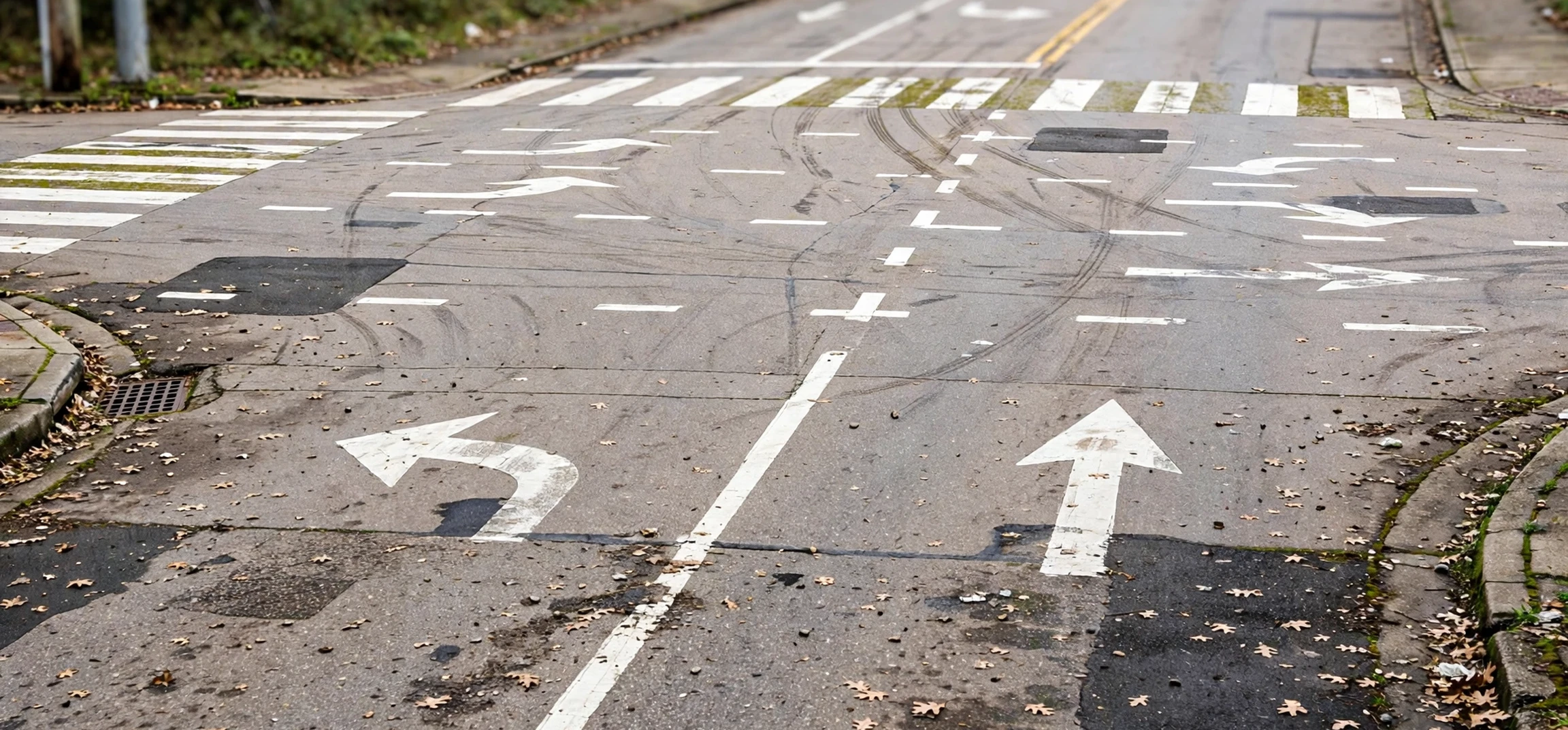
If you searched for is it rights of way or right of ways, you are asking two questions at once: what does right of way actually mean on the road, and which plural form is correct. The short answer is that the correct singular form is “right of way,” and the correct plural is “rights of way.” The phrase “right of ways” is a common search phrasing, but it is not the standard form used in road rules, legal writing, or driving manuals. Understanding is it rights of way or right of ways matters because the term itself describes something practical and important: who is allowed to go first, and who should wait, when two road users arrive at the same place at the same time.
Right of way is not a prize for being faster, louder, or more confident. It is a shared set of expectations that keeps traffic moving in an orderly and predictable way. When everyone follows the same expectations, drivers, cyclists, and pedestrians can anticipate what others will do. When people guess, hesitate in different ways, or assume they always have priority, confusion follows, and confusion is where many collisions begin. This guide explains the idea in plain language, covers the most common road and pedestrian situations, and returns to the grammar question throughout so that you leave with both the rule and the wording clear in your mind.
It is worth saying at the outset that road rules vary by country, state, and local area. The principles in this article are general education about how right of way usually works. They are not a substitute for your local driving manual or traffic law. If you are learning to drive, preparing for a test, or unsure about a specific junction near you, check the official guidance for your area and follow it. The goal here is to build understanding, so the official rules feel logical rather than arbitrary when you read them.
What Right of Way Means in Everyday Driving
Right of way means the legal or customary priority to proceed before another road user in a particular situation. If you have the right of way, other road users are expected to yield to you. If you do not have it, you are expected to wait, slow down, or give way until it is safe to proceed. Importantly, having the right of way does not mean you should force your way through regardless of danger. Defensive driving teaches that you should still watch for others who may not yield, may not see you, or may misunderstand the situation. Priority is a rule for ordering movement, not a guarantee that everyone else will obey it.
The concept also appears outside driving. A right of way can describe a legal right to pass across land, such as a footpath through private property that the public is allowed to use. In everyday conversation, people use the phrase more loosely to mean whose turn it is. In this article, the focus is mainly on roads and pedestrian crossings, because that is where most readers meet the term in daily life, whether they are driving, cycling, walking, or learning the rules for the first time.
One helpful way to think about it is as a turn-taking system. Traffic lights, stop signs, roundabouts, zebra crossings, and pedestrian signals are all tools that make turn-taking explicit. Where there is no signal or sign, the general rules fill the gap: yield to traffic already in the intersection, yield to pedestrians crossing at a marked crossing, and proceed with caution when the order is unclear. The system works best when everyone uses the same turn-taking logic, which is why learning the standard patterns matters so much for new drivers.
Is It Rights of Way or Right of Ways? The Correct Plural Explained
So, is it rights of way or right of ways? The standard plural is “rights of way.” The reason is grammatical: in the phrase “right of way,” the main noun is “right,” so the plural is formed on that word, giving “rights.” The same pattern appears in similar phrases, such as “mothers-in-law” rather than “mother-in-laws” in formal usage, and “passers-by” rather than “passer-bys.” Once you see the pattern, the correct form feels natural, even if the other version is what you typed into a search engine first.
Why do so many people search for is it rights of way or right of ways? Because spoken English often adds a plural ending to the final word of a phrase, and “ways” sounds natural at the end of the sentence. Search engines are used to this. They understand the intent behind the phrasing and return results about the correct form, even when the query itself uses the nonstandard version. There is no need to feel embarrassed about searching with the informal phrasing. Language learners, new drivers, and native speakers alike mix these forms up, and the search itself shows you are trying to get it right.
In formal writing, such as a driving test answer, a legal document, or a council notice, use “right of way” for one instance and “rights of way” for more than one. In casual conversation, people will understand you either way, but using the standard form makes your writing look polished and precise. If you are writing an essay, a report, or an exam answer, the standard plural is the safe choice. If you are simply chatting with friends, clarity matters more than strict correctness, and either version will be understood in context.
A simple memory trick helps: ask yourself which word is being counted. You are counting rights, not ways. One right of way, two rights of way, several rights of way. The “way” stays singular because it describes the path or passage involved, while the “right” is the thing that can be held by more than one person or in more than one place. Keep that image in mind, and the question of is it rights of way or right of ways becomes much easier to answer confidently in the future.
Right of Way at Intersections and Junctions
Intersections are where right of way rules matter most, because they are where paths cross. At a traffic light, the signal decides: green means proceed when safe, red means stop, and amber means prepare to stop unless it is unsafe to do so. At a stop sign, you must come to a complete stop and give way to traffic on the road you are joining, as well as to pedestrians crossing. At a give-way sign, you must slow down and yield to traffic on the main road, stopping if necessary. These signs exist precisely to remove doubt about who goes first.
At an uncontrolled intersection with no signs or signals, the general rule in many places is to give way to traffic approaching from a particular side, often the right, but this varies by country, so always confirm the local rule. Equally important is the rule that traffic already in the intersection, or already turning, should be allowed to clear before new traffic enters. Entering a junction you cannot clear blocks the intersection for everyone and creates a dangerous tangle. Patience at a busy junction is not wasted time; it is part of safe driving.
Turning traffic usually yields to traffic going straight ahead. If you are turning across oncoming traffic, you wait for a safe gap. If you are turning left or right at a junction, check for pedestrians crossing the road you are turning into, since they may have priority on a crossing or at the junction itself. Cyclists also need attention here: a cyclist going straight ahead beside you may be hidden in your blind spot when you turn. A quick mirror and shoulder check before turning is a small habit that prevents serious harm.
Roundabouts have their own clear pattern. In most systems, traffic already circulating in the roundabout has priority, and entering traffic gives way. Approach slowly, choose the correct lane for your exit, signal your intentions, and watch for pedestrians and cyclists near the entries and exits. Roundabouts work well because they slow traffic and make the order of movement predictable, but only when drivers yield correctly on entry instead of forcing their way into a gap that is too small.
Pedestrians, Crossings, and Shared Spaces
Pedestrians are the most vulnerable road users, so many right of way rules give them special protection. At a marked zebra crossing, drivers are generally expected to stop and let pedestrians cross. At a signal-controlled crossing, pedestrians cross when their signal allows, and drivers wait. At an unmarked crossing point, the rules vary, but the safe and courteous approach is always the same: slow down, make eye contact where possible, and give people on foot time and space to cross safely.
Children, older people, and people with disabilities may move more slowly or less predictably than other pedestrians, and drivers should allow extra time for them. A child may run back for a dropped item, an older person may need longer to cross a wide road, and a person using a wheelchair or mobility aid may need a dropped kerb and a clear path. Right of way rules protect these road users in theory, but human kindness and patience protect them in practice. When in doubt, waiting a few extra seconds costs nothing and can prevent a tragedy.
Shared spaces, such as residential streets, car parks, and areas where pedestrians and vehicles mix, require extra care from everyone. In these places, formal priority may be less clear, so speed should be low and attention high. Drivers should expect pedestrians to step out from between parked cars, cyclists should expect car doors to open, and pedestrians should still look before stepping into a vehicle’s path. Shared responsibility is the real rule in shared spaces, even when a technical priority exists on paper.
For more plain-language explanations of everyday terms, readers often find it helpful to browse related guides, such as a guide to a similar everyday word meaning and another clear meaning explainer. Building vocabulary alongside road knowledge makes driving manuals, test questions, and official notices much easier to understand.
Common Mistakes People Make About Right of Way
The most common mistake is treating right of way as an absolute right. A driver who has priority but drives into a clearly dangerous situation, such as a pedestrian already in the road or a vehicle blocking the junction, is not driving safely simply because a rule was on their side. The law in most places expects all road users to take reasonable care to avoid collisions, regardless of who had priority. Priority tells you the expected order; it does not excuse careless driving.
Another mistake is assuming that a green light means it is safe to go without looking. A green light gives permission to proceed, but it does not remove the need to check for emergency vehicles, red-light runners, pedestrians finishing their crossing, or cyclists in the intersection. A brief look left and right before moving off from a green light is a habit that experienced drivers use automatically, and it is one of the easiest safe habits for new drivers to adopt.
A third mistake is confusing politeness with priority. Waving another driver through when you have priority can feel kind, but it can also confuse other road users who are expecting you to proceed. If a pedestrian or cyclist cannot see the waved-through driver, or if traffic behind you does not expect you to stop, a well-meaning wave can create danger. The safest courtesy is usually to follow the predictable rule, move steadily, and let the other person proceed when their turn genuinely arrives. Predictability is itself a form of courtesy on the road.
Finally, many people misunderstand the plural question itself, which brings us back to the search phrase. If you ever wonder again, is it rights of way or right of ways, remember the counting trick: you are counting rights, so the plural is rights of way. Getting the grammar right also helps when you search for official guidance, because government and driving authority pages use the standard form, and searching with that form will surface the most authoritative results.
Is It Rights of Way or Right of Ways? A Quick Recap
| Situation | Who usually has priority | What you should do |
|---|---|---|
| Traffic light on green | Traffic with the green signal, when the way is clear | Proceed only when the junction is clear |
| Stop sign | Traffic already on the main road and pedestrians crossing | Stop fully, then proceed when safe |
| Marked pedestrian crossing | Pedestrians on or waiting to use the crossing | Stop and wait until they have crossed |
| Roundabout entry | Traffic already circulating in the roundabout | Give way and enter only when there is a safe gap |
| Turning across oncoming traffic | Oncoming traffic going straight ahead | Wait for a safe gap before turning |
This table is a general summary only. Local rules may differ in detail, especially for uncontrolled intersections and pedestrian priority, so always confirm the rules that apply where you drive.
Frequently Asked Questions
Is the correct plural “rights of way” or “right of ways”?
The standard plural is “rights of way.” The singular is “right of way.” The form “right of ways” is a common informal phrasing and a frequent search term, but formal writing, driving manuals, and legal documents use “rights of way.”
Does having the right of way mean I can ignore danger?
No. All road users should still take reasonable care to avoid a collision. If another person is already in your path, slow down or stop, even if the rules gave you priority. Safety comes before asserting priority.
Who has priority at a pedestrian crossing?
At a marked crossing, pedestrians using the crossing generally have priority, and drivers should stop and wait. At a signal-controlled crossing, follow the signals, and always allow pedestrians who are already crossing time to finish.
What should I do when I am unsure who has priority?
Slow down, make eye contact where possible, and proceed cautiously only when the way is clear. If another road user proceeds first, let them go rather than competing for the same space. Caution is always the safer choice in an unclear situation.
Do right of way rules differ between countries?
Yes, details differ, including which side has priority at uncontrolled junctions and how pedestrian crossings are marked. The broad principle is the same everywhere: an orderly, predictable system for deciding who goes first. Always check local rules before driving in a new area.
Remembering the Phrase When You Need It
It helps to practise the correct form in ordinary sentences. You might say, “The council maintains several rights of way across the common,” or, “This junction has two separate rights of way meeting at one point.” Each time you use the plural correctly, the pattern becomes more automatic. If you catch yourself writing the informal version, simply correct it to the standard plural and move on. Readers will not judge a corrected draft, but they will notice consistent, correct usage.
Students preparing for a driving theory test can also benefit from rehearsing the question itself. Ask yourself, is it rights of way or right of ways, and answer aloud: “rights of way.” Pairing the question with its answer turns a moment of doubt into a small revision routine. Over time, you will no longer need to pause over the phrase, because the correct plural will come to mind first. That confidence is useful in tests, where hesitation can distract you from the road rule being examined.
Finally, remember that the grammar question and the road rule reinforce each other. The question is it rights of way or right of ways is really a question about precision, and precision is exactly what safe driving requires: precise observation, precise signalling, and precise judgement about whose turn it is. Getting the words right is a small step towards getting the driving right.
More Questions About Is It Rights of Way or Right of Ways
Readers often ask whether the informal phrasing matters in a driving test. In a written test, use the standard form, because examiners and official manuals use it. In a spoken conversation with an instructor, either phrasing will be understood, but the standard plural shows you have learned the terminology properly. If you are ever unsure, the question itself is a useful revision prompt: is it rights of way or right of ways — and the answer, rights of way, is worth memorising alongside the road rules themselves.
Another common question is whether the plural appears often in real road guidance. It does, whenever guidance covers more than one path, crossing, or access route, such as a list of public paths in an area. In those documents, you will see “rights of way” used consistently. Searching with the standard plural therefore returns the most authoritative guidance, while searching with the informal phrasing still works because search engines understand the intent behind is it rights of way or right of ways.
Conclusion
Right of way is a simple idea with a big job: keeping everyone moving safely when paths cross. It tells drivers, cyclists, and pedestrians whose turn it is, and it works best when everyone follows the same predictable pattern and still stays alert for the unexpected. It is not a licence to push ahead regardless of danger, and it is not a contest to be won. It is a shared agreement that makes roads calmer and safer for everyone.
And to close the grammar question that opened this guide: if you ever ask again, is it rights of way or right of ways, the answer is “rights of way.” One right of way, two rights of way. Remember that you are counting rights, not ways, and the correct form will stick. For further reading on everyday language, see a practical writing guide that can help you use terms like this confidently in your own writing.