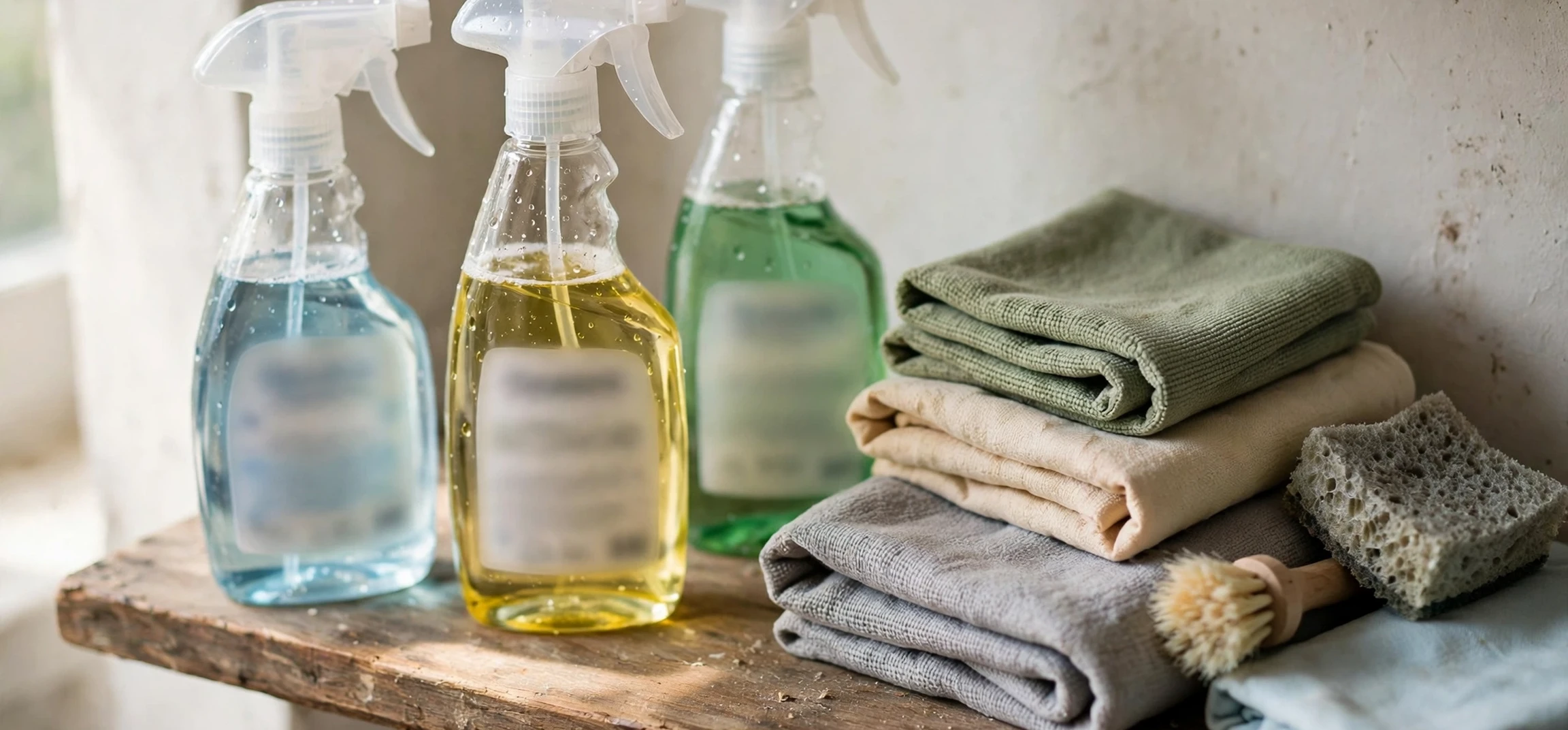
The phrase spot clean means to clean one small, marked area of a surface, rather than washing or cleaning the whole item. If a shirt has a single food stain, a carpet has one muddy mark, or a sofa cushion has a small spill, spot cleaning treats just that spot. It is the targeted, minimal version of cleaning: deal with the mark where it is, leave the rest of the item alone, and avoid the time, water, and wear of a full wash.
Spot cleaning appears on care labels, in cleaning guides, and in product instructions for a good reason. Many items, from upholstered furniture to delicate garments to rugs, cannot be put through a full wash without damage. Spot cleaning offers a safer middle path: remove or reduce the mark while protecting the material around it. Done well, it can save an item from a stain that would otherwise spread, set, or force a costly professional clean.
This guide explains what spot clean means, when it is the right choice, when it is not, and how to spot clean safely on common surfaces. It covers general household guidance only. Always check the care label on the specific item first, and test any cleaning product on a hidden area before using it on a visible mark.
Spot Clean Meaning Explained
Spot clean is both a verb and an instruction. As a verb, to spot clean is to clean a stain or dirty patch locally. As a care-label instruction, spot clean only means the item should not be fully washed, and that only local cleaning is recommended. The instruction is common on items such as upholstered furniture, cushions, curtains, rugs, hats, bags, shoes, and garments made from materials that shrink, fade, or lose shape in water.
The logic is simple. A full wash exposes the entire item to water, detergent, agitation, and heat. A spot clean exposes only the stained fibres to a small amount of cleaning solution, with minimal moisture and gentle action. That reduces the risk of shrinkage, colour loss, watermarks, and damage to padding, glue, or structure that full washing might cause. It also means the item dries faster and can often be used again the same day.
Spot cleaning is not the same as stain removal in general. Stain removal is the broader goal, which may involve soaking, pre-treating, or machine washing. Spot cleaning is one method within that broader goal, defined by its local, limited scope. If a spot clean does not remove a mark, the next step may be a professional clean or a different method, not simply repeating the same treatment more aggressively, which can damage the material.
When to Spot Clean and When Not To
Spot cleaning is the right first step when a mark is small, fresh, and localised, and when the item is large, delicate, or labelled spot clean only. It is also the sensible choice when a full wash would be wasteful, for example a single mark on an otherwise clean jacket that would otherwise need a full trip through the machine. Acting quickly helps, because fresh spills are usually easier to lift than stains that have dried, heated, or set.
Spot cleaning is not the right choice when the whole item is dirty, smells, or needs sanitising, or when the care label allows and recommends a full wash. It is also not suitable for marks that may indicate a deeper problem, such as mould, pest damage, or a leak, where the underlying cause needs attention rather than surface cleaning. In those cases, cleaning the visible mark alone may hide a problem that needs a different kind of help.
Some materials need extra caution. Silk, wool, leather, suede, and antique textiles can react badly to water or to common household cleaners. If an item is valuable, antique, or sentimentally important, or if the care label is missing, professional advice is safer than experimenting. The cost of a professional clean is usually far less than the cost of replacing a damaged item.
Spot Clean vs Dry Clean vs Full Wash
| Method | What it does | Best for |
|---|---|---|
| Spot clean | Cleans one small area only | Fresh local marks on items that cannot be fully washed |
| Full wash | Cleans the whole item in water and detergent | Everyday washable clothing and linens |
| Dry clean | Cleans with solvents rather than water | Delicate or structured garments labelled dry clean only |
| Professional clean | Specialist treatment for large or delicate items | Rugs, upholstery, antiques, and stubborn stains |
How to Spot Clean Safely: A General Method
Although every material is different, most spot cleaning follows the same careful sequence. First, remove any loose material without rubbing, by lifting solids with a blunt edge and blotting liquids with a clean, dry cloth. Rubbing spreads a stain and pushes it deeper into fibres, while blotting lifts it upward. Work from the outside of the mark inward, so the stain does not spread into clean material.
Second, check the care label and test your chosen cleaner on a hidden area, such as an inside seam or the back of a cushion. Apply a small amount, wait a few minutes, and check for colour change, stiffness, or damage. If the test area reacts badly, stop and seek another method or professional help. Never mix cleaning products, and never use bleach on a coloured item unless the label explicitly allows it, because bleach can cause permanent colour loss.
Third, apply a small amount of a suitable mild cleaner to a clean cloth, not directly in a flood onto the item, and dab gently at the mark. Rinse by dabbing with a cloth dampened with clean water, then blot dry. Repeat gently if needed, but avoid soaking the area. Finally, allow the item to air dry fully, away from direct heat, and check the result in good light before deciding whether further treatment is needed.
Spot Clean Guidance by Surface
For washable clothing, a mild detergent solution and cool water are often enough for a fresh mark, followed by a normal wash if the label allows it. For upholstery, use as little moisture as possible, because padding underneath can stay damp and develop odour. For carpets, blot first, then work gently with a carpet-appropriate cleaner, and avoid over-wetting, which can damage the backing. For hard surfaces such as tables or tiles, spot cleaning is simply wiping the marked area with a suitable cleaner and drying it, with far less risk than for textiles.
For shoes and bags, the material matters most. Smooth leather can usually be wiped with a damp cloth and treated with a leather-appropriate product, while suede needs a dedicated suede brush and cleaner and should not be soaked. For electronics-adjacent items such as a bag that holds a laptop, keep moisture away from zips, seams, and any electronic parts. When in doubt, use less liquid rather than more, and let the item dry before use.
Household routines benefit from the same targeted thinking. The guide to house cleaning covers whole-home routines, and a second house cleaning guide looks behind the scenes at how those routines are organised, while spot cleaning is the small-scale skill within that routine: the quick, local fix that prevents a small mark from becoming a permanent stain or a full cleaning job.
Common Spot Cleaning Mistakes
The most common mistake is rubbing instead of blotting, which spreads the stain and damages fibres. The second is using too much water or cleaner, which can leave watermarks, especially on upholstery and natural fibres. The third is applying heat, such as a hair dryer on high or an iron, before the stain is removed, because heat can set many stains permanently. Always remove as much of the mark as possible before applying heat.
Another frequent error is reaching for the strongest product first. A harsh cleaner may remove the stain but damage the colour or texture around it, leaving a clean patch that stands out just as much as the original mark. Start mild, test hidden, and only step up to a stronger product if the material allows it and the mild approach has failed. Similarly, coloured cloths can transfer dye onto a light item, so use a white or light-coloured clean cloth for blotting and dabbing.
Finally, people sometimes spot clean a mark repeatedly over days without letting the item dry fully between attempts. Damp fibres, padding, and backing can develop musty odours if they never dry. Give each attempt time to dry, assess the result, and only then decide whether another gentle pass is worthwhile or whether professional help is the better route.
What Products Are Used for Spot Cleaning
Most everyday spot cleaning needs only a few basics: clean white cloths, cool water, and a mild detergent. Specialist products exist for particular materials, such as upholstery cleaners, carpet spot removers, leather cleaners, and suede erasers. These are formulated for their material and are usually safer than general-purpose products on that surface, provided the label instructions are followed.
Home remedies circulate widely online, but they deserve caution. A remedy that works on one fabric may damage another, and acidic or abrasive substances can harm delicate fibres, finishes, and colours. The safest approach is to follow the item’s care label, use a product made for that material, and test first. If a remedy is suggested for a valuable item, verify it against the manufacturer’s guidance before trying it.
Storage and safety matter too. Keep cleaning products out of reach of children and pets, follow the safety instructions on each product, and never transfer a cleaner into an unlabelled container. Ventilate the room while cleaning, and wash hands after handling cleaning solutions.
Frequently Asked Questions
What does spot clean only mean on a label?
It means the item should not be fully washed in water or machine washed. Only the marked area should be cleaned locally, using a method suitable for the material, or the item should be taken to a professional cleaner.
Should I rub or blot a stain when spot cleaning?
Blot. Press a clean cloth onto the mark to lift it, working from the outside inward. Rubbing spreads the stain and can damage fibres.
Can I spot clean with just water?
For a fresh, water-based mark, blotting with cool water alone is often a good first step. For greasy or dried marks, a mild detergent solution or a material-appropriate cleaner is usually needed.
How long does a spot cleaned area take to dry?
A lightly dampened textile area usually air dries within a few hours, depending on ventilation, temperature, and material thickness. Upholstery padding and thick carpets take longer, so avoid over-wetting them.
Conclusion
To spot clean is to clean with restraint: treat the mark, protect the material around it, and stop before a small job becomes a larger problem. The method is simple, blotting not rubbing, testing before treating, using as little moisture as needed, and allowing full drying, but it rewards patience and care. Whether the mark is on a shirt, a sofa, a carpet, or a bag, a calm, targeted spot clean is often all that is needed to keep an item looking its best, and knowing when to hand the job to a professional is part of the skill. That judgement, more than any single product, is what spot cleaning really means.



