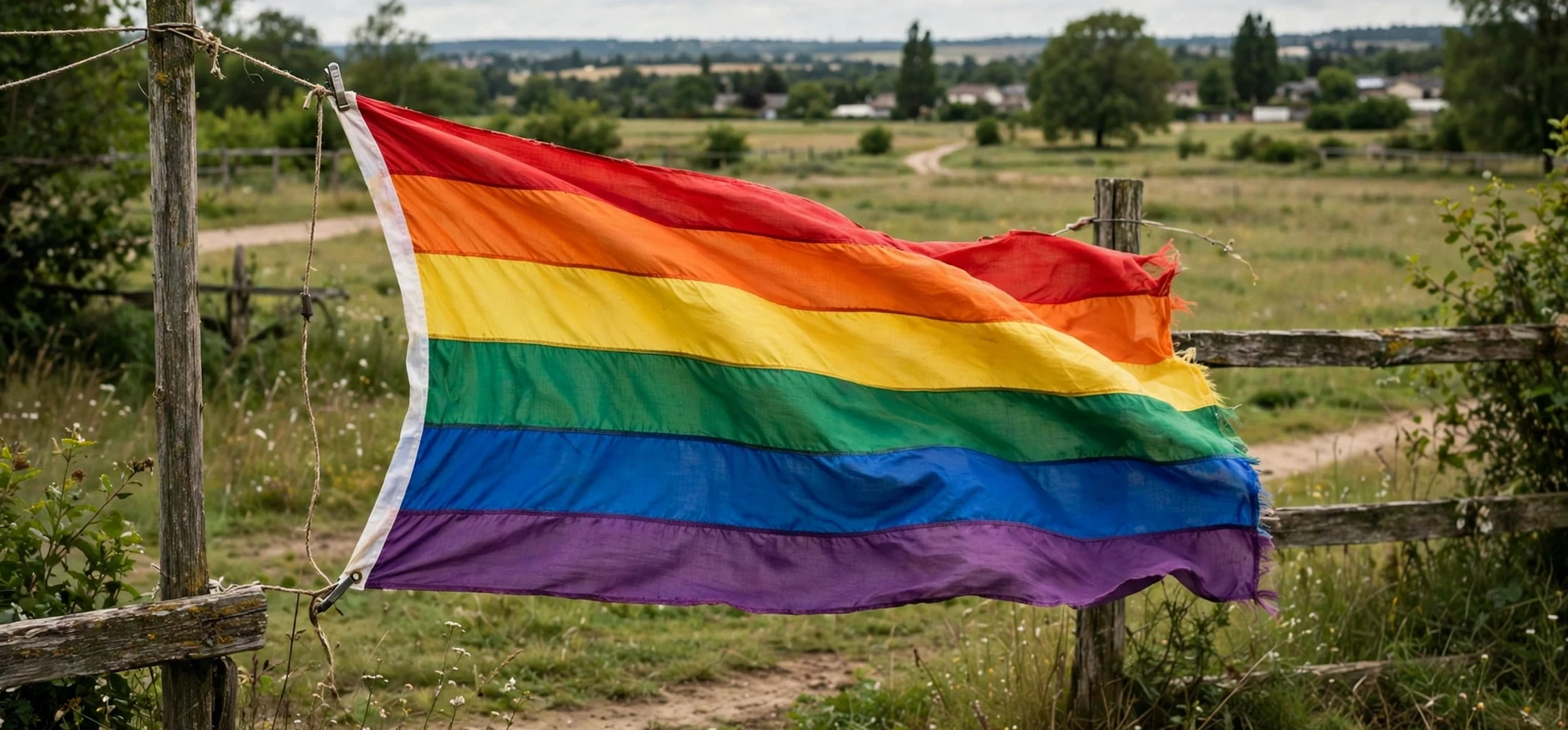
If you searched for “define non-binary”, you are asking what non-binary means. Non-binary is a term for gender identities that are not exclusively male or female. A non-binary person may identify as neither, as both, as a mix, or as a gender outside the traditional two categories. This guide explains the term respectfully and plainly, covering what it means, how it relates to other terms, and how to use language inclusively.
Define Non-Binary: The Basic Meaning
To define non-binary, start with the binary it refers to. Traditional Western culture has often treated gender as a binary: male or female, with nothing in between. Non-binary describes identities that do not fit neatly into that binary. It is an umbrella term, meaning it covers a range of identities rather than a single one, and people who use it may describe their experience in different ways.
Some non-binary people identify as genderfluid, meaning their gender identity shifts over time. Others identify as agender, meaning they do not identify with any gender. Others use terms such as bigender, demigender, or genderqueer. The umbrella is deliberately broad, because the point is to make room for experiences that the binary leaves out, not to impose a new single category.
Gender Identity Versus Gender Expression
Gender identity is a person’s internal sense of their own gender. Gender expression is how a person presents themselves through clothing, voice, mannerisms, and other outward signals. The two are related but distinct: a non-binary person may present in ways that look traditionally masculine, feminine, androgynous, or a mix, and presentation does not determine identity.
This distinction matters because it prevents assumptions. You cannot reliably tell someone’s gender identity from their appearance, and the respectful approach is to listen to how people describe themselves rather than guessing from how they look. That principle applies to everyone, not only to non-binary people.
Pronouns and Respectful Language
Many non-binary people use pronouns other than he or she, most commonly they and them in the singular sense, though some use he, she, neopronouns such as xe or ze, or a mix. Using the pronouns someone asks for is a basic courtesy, similar to using their correct name. Singular they has a long history in English for people of unknown or unspecified gender, so it is not a new invention, even though its use for known individuals has become more visible recently.
If you are unsure of someone’s pronouns, the simplest approach is to use their name, or to ask politely when appropriate. Mistakes happen, and the gracious response is a brief correction and moving on, rather than lengthy apologies that centre your discomfort. Workplaces and institutions increasingly include pronouns in introductions and email signatures, which normalises the practice for everyone.
Singular They in Practice
Singular they is straightforward in use: “Alex is non-binary; they work in design, and their latest project won an award.” The verbs stay plural in form, they are, they work, which follows the same pattern as singular you. Most readers adapt quickly, and style guides from major publications now accept singular they as standard.
| Term | Meaning |
|---|---|
| Non-binary | Gender identity outside the male-female binary |
| Genderfluid | Gender identity that shifts over time |
| Agender | No gender identity |
| Genderqueer | Gender identity that queers or challenges norms |
| Cisgender | Gender identity matching sex assigned at birth |
| Transgender | Gender identity differing from sex assigned at birth |
Define Non-Binary: History and Visibility
Non-binary identities are not new, even though the English term is relatively recent. Many cultures have long recognised genders beyond male and female, including Two-Spirit people in some Indigenous North American cultures, hijra communities in South Asia, and fa’afafine in Samoa, among others. The modern non-binary movement in English-speaking countries grew from LGBTQ+ activism and from online communities where people could describe experiences that existing labels did not capture.
Visibility has increased through media representation, legal recognition in some jurisdictions, and the availability of non-binary gender markers on some identity documents. These changes remain uneven across countries, and non-binary people still face misunderstanding and discrimination in many settings, which is why respectful language and accurate information matter.
Being a Good Ally
Allyship for non-binary people is mostly a matter of everyday respect. Use correct names and pronouns, avoid assumptions about gender based on appearance, and challenge dismissive remarks when you can do so safely. In professional settings, support inclusive policies such as gender-neutral facilities and forms that offer options beyond male and female.
Education helps too. Reading first-person accounts by non-binary writers gives a richer understanding than definitions alone, because lived experience conveys what abstract terms cannot. Approach such reading with openness rather than debate, since the goal is understanding, not winning an argument about someone else’s identity.
For more plain-language definitions, see our guide to how identity terms are defined and our explainer on social and cultural terms.
Frequently Asked Questions
What does non-binary mean?
It means a gender identity that is not exclusively male or female, covering a range of experiences outside the traditional binary.
What pronouns do non-binary people use?
Many use singular they and them, while others use he, she, neopronouns, or a mix. Ask or listen to individual preference.
Is non-binary the same as transgender?
Not exactly. Some non-binary people also identify as transgender, while others do not. The terms overlap but are not identical.
Legal Recognition Around the World
Legal recognition of non-binary identities varies greatly by country and region. Some jurisdictions allow a non-binary or X marker on passports and identity documents, while others offer only male and female options. Some have anti-discrimination protections that explicitly cover gender identity, while others lack them entirely. This patchwork means that a non-binary person’s legal experience depends heavily on where they live and travel.
For organisations operating internationally, this variation creates practical questions about forms, records, and facilities. Inclusive design, such as offering a range of gender options or a prefer-not-to-say choice, helps, but it must be backed by policies that respect the answers given. Collecting gender information only when necessary is itself good practice, reducing both administrative burden and privacy risk.
Media Representation
Media representation of non-binary people has grown, with characters in television, film, and literature, and public figures who speak openly about their identities. Good representation shows non-binary people as full characters with lives beyond their gender, while poor representation reduces them to a single trait or a punchline. Audiences increasingly expect the former, and creators who deliver it are rewarded with loyal followings.
For journalists, accurate reporting means using correct names and pronouns, avoiding sensational framing, and letting non-binary people speak for themselves rather than being spoken about. Style guides from major news organisations now include guidance on these points, reflecting a professional consensus that accuracy includes respect.
Support and Community
Community support matters greatly for non-binary people, particularly young people exploring their identity. LGBTQ+ organisations, online communities, and supportive friends and families provide spaces where people can discuss their experiences without judgement. For someone questioning their gender, knowing that others share the experience can be profoundly reassuring.
Support does not require expertise. Listening without argument, using requested language, and offering practical help are more valuable than theoretical knowledge. If someone confides in you about their gender identity, the most supportive response is simple: thank them for trusting you, ask how you can help, and follow their lead.
Workplace Inclusion in Practice
Workplace inclusion for non-binary employees involves concrete practices. Forms should offer inclusive gender options, email systems should allow pronoun display, dress codes should be gender-neutral where possible, and facilities planning should consider all-gender options alongside existing ones. None of these steps is expensive, and together they signal that an organisation takes inclusion seriously rather than treating it as a slogan.
Training helps when it focuses on behaviour rather than theory. Staff need to know how to use correct pronouns, how to correct mistakes gracefully, and how to respond when a colleague comes out. Role-playing these situations in training builds confidence far better than lectures about terminology, because it prepares people for real conversations rather than abstract concepts.
Families and Friends
For families, a loved one coming out as non-binary can raise questions, and the best responses combine honesty with support. It is normal to need time to adjust to new pronouns or a new name, and non-binary people generally understand that adjustment takes practice. What matters is visible effort: trying, correcting yourself, and continuing to show up, rather than perfection from day one.
Friends play a similar role. Using correct language in group settings, challenging dismissive jokes, and simply treating the person as the same friend they always were are powerful forms of support. Small, consistent actions outweigh grand gestures, and they build the trust that sustains relationships through change.
Finally, remember that definitions are starting points, not finish lines. Non-binary people, like everyone, are individuals first, and the best understanding comes from listening to them directly. A definition can open the door, but only conversation and respect walk through it, and both are available to anyone willing to offer them.
Conclusion
Non-binary is an umbrella term for gender identities outside the male-female binary. Understanding it means recognising that gender identity is personal, that presentation does not determine identity, and that respectful language, especially correct names and pronouns, is a simple but meaningful form of inclusion.



