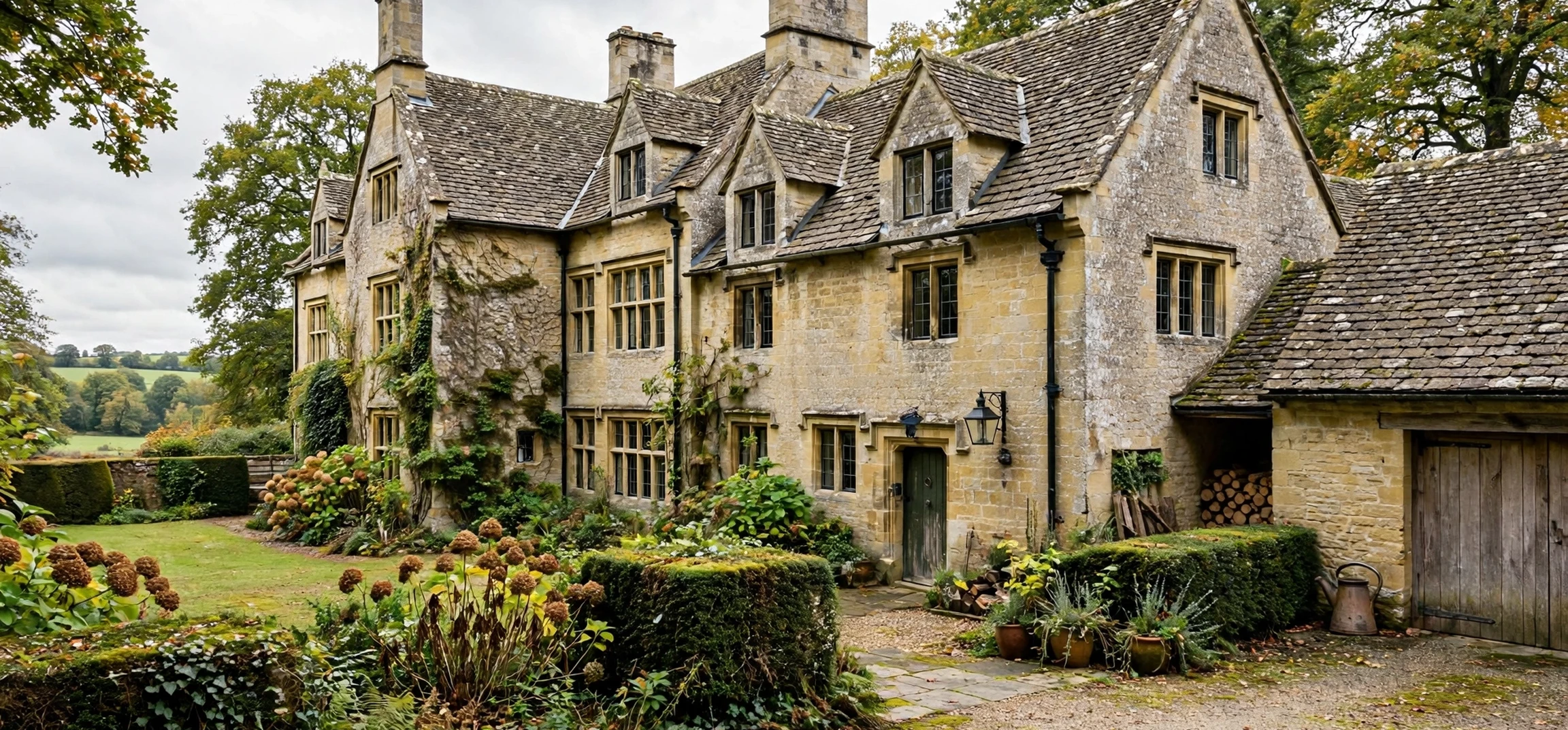
If you searched for “what is downtown abbey”, you almost certainly mean Downton Abbey, the hugely popular British television drama. “Downtown Abbey” is a common misspelling of the show’s real title, Downton Abbey, and the confusion is understandable: the word “downtown” is familiar, while “Downton” is the name of a fictional place. Once that spelling point is clear, the real question is simple and interesting: what is this show actually about, and why did it become a worldwide hit? The short answer is that Downton Abbey is a period drama about an aristocratic family and their servants living in a great English country house in the early twentieth century, and it follows both groups through love, loss, war, and social change.
The show was created by Julian Fellowes and first aired in the United Kingdom in 2010. It ran for six television series and later continued with feature films. Its success crossed borders quickly, finding large audiences in the United States and many other countries. Part of the appeal is the setting itself: a grand house, beautiful costumes, and a vanished way of life presented in rich detail. But the deeper appeal is the storytelling. Downton Abbey treats its upstairs family and its downstairs staff with equal seriousness, and the drama comes from the collision between tradition and change in a world that is slowly disappearing.
If You Searched for “what is downtown abbey”, Here Is the Short Answer
To answer what is downtown abbey in plain terms: it is Downton Abbey, a British period drama set between 1912 and the mid-1920s. The action centers on Downton Abbey itself, a fictional stately home in Yorkshire, and on the Crawley family who own it. Robert Crawley, the Earl of Grantham, lives there with his wife Cora and their three daughters, Mary, Edith, and Sybil. Below stairs, a staff of servants led by the butler, Mr Carson, and the housekeeper, Mrs Hughes, keeps the house running. The show moves between these two worlds, showing how the same events look very different depending on whether you are giving the orders or carrying them out.
The series begins with a crisis. The heir to the estate dies aboard the Titanic in 1912, and the question of who will inherit Downton becomes urgent, because the estate is tied to a male heir. A distant cousin, Matthew Crawley, arrives as the new heir, and his modern, middle-class outlook clashes with the traditions of the house. That clash sets the pattern for the whole series: old certainties are challenged by new ideas, new people, and new times. Each series moves the clock forward through real historical events, including the First World War, the Spanish flu pandemic, Irish independence debates, and the rise of new technology and new social freedoms.
The Upstairs and Downstairs Worlds
The upstairs-downstairs structure is the engine of the show. Upstairs, the Crawleys worry about inheritance, marriage, reputation, and money. Their daughters face very different fates: Mary is sharp and proud, Edith struggles for recognition, and Sybil is drawn to progressive causes. Downstairs, the servants have their own hierarchy, romances, rivalries, and ambitions. Characters such as Anna the lady’s maid, Bates the valet, Daisy the kitchen maid, and Thomas the footman became audience favorites in their own right. The show’s great strength is that it never treats the servants as background. Their stories matter as much as the family’s, and sometimes more.
What Is Downtown Abbey: The Story Across the Series
Anyone asking what is downtown abbey will want to know how the story unfolds, and the honest answer is that it unfolds like a long family saga. The first series establishes the house, the inheritance crisis, and the key relationships. The second series takes the characters into the First World War, with Downton itself turned into a convalescent home for wounded officers, and the war changes everyone it touches. Later series deal with the aftermath of war, the changing role of women, the decline of the great country house as a way of life, and the arrival of telephones, radios, cars, and new fashions that quietly revolutionize daily life.
Romance is central throughout. Mary and Matthew’s slow, obstacle-filled love story became one of the show’s most beloved threads, while other romances, including Edith’s search for happiness and work, and Anna and Bates’s troubled marriage, kept viewers invested across years. The show also has a sharp comic edge, much of it delivered by the Dowager Countess, played by Maggie Smith, whose witty put-downs became famous far beyond the show’s fan base. That blend of drama, romance, humor, and history is why Downton Abbey appealed to such a wide audience, from period drama lovers to viewers who had never watched a costume drama before.
The Characters Viewers Remember Most
A show like this lives or dies by its characters, and Downton Abbey built a cast that audiences came to know intimately. Upstairs, Robert and Cora anchor the family with a marriage that is tested by money, war, and changing times. Mary grows from a proud young woman into the practical heart of the estate. Edith, long treated as the overlooked sister, finds purpose as a writer and publisher. Downstairs, Carson and Hughes provide steadiness and a slow-burning romance of their own, while Thomas evolves from a scheming footman into one of the show’s most complex and sympathetic figures. These long character arcs, built patiently over many episodes, are a major reason viewers stayed loyal.
Why Did Downton Abbey Become So Popular?
Several things came together to make Downton Abbey a phenomenon. First, the production values were superb: real stately homes, detailed costumes, and careful attention to manners, meals, and daily routines made the world feel believable. Second, the writing balanced soap-opera twists with genuine historical texture, so the show felt both entertaining and substantial. Third, the timing was right. Audiences were ready for a beautifully made ensemble drama that the whole family could watch and discuss, and the show’s weekly episodes became a shared talking point in many households.
The show also traveled unusually well. Its themes are universal: family duty versus personal freedom, tradition versus progress, and the question of what a home is worth when the world around it changes. Viewers in different countries saw their own histories reflected in Downton’s story of a society in transition. The series won awards, drew record audiences for a British drama in the United States, and built a fan culture of tours, merchandise, and online discussion that continues today. Its feature films extended the story for audiences who were not ready to say goodbye to the house and its people.
The House as a Character
In many ways, Downton Abbey itself is the show’s main character. The house represents continuity, duty, and a whole social order, and every threat to the house feels like a threat to everyone inside it. Scenes of servants preparing for dinner, of family gatherings in the drawing room, and of quiet moments in the servants’ hall all reinforce the idea that the house is a small world with its own rules. As the series progresses and that world changes, the house changes too, adapting to new uses and new people. That is the show’s central image: a grand old house learning, reluctantly and sometimes gracefully, to live in a new century.
Where Should a New Viewer Start?
New viewers should start at the very beginning, with the first episode of the first series. The show rewards watching in order, because relationships and storylines build gradually and pay off over time. The first series is short by modern standards, and it establishes everything a viewer needs: the house, the family, the staff, and the inheritance problem. From there, the story moves forward naturally, and each series brings new characters and new historical pressures. Viewers who enjoy costume drama, family sagas, and character-driven storytelling will find a great deal to enjoy, and even viewers who usually prefer modern settings often find themselves drawn in by the writing and the performances.
It is worth noting that this article provides no streaming links and no viewing instructions tied to a particular service, because availability changes by country and over time. The best approach is to check the listings or catalogues available in your own region. What matters most is the show itself: a carefully made, warmly acted drama about a family, a household, and a society in transition. Fans of other television dramas may also enjoy our guides to ABC Family television series and the cast and best moments of According to Jim.
| Element | What it is | Why it matters |
|---|---|---|
| Setting | A fictional Yorkshire country house, 1912 to the mid-1920s | Grounds the drama in a real historical transition |
| Upstairs family | The Crawleys, led by the Earl and Countess of Grantham | Carries the inheritance and marriage storylines |
| Downstairs staff | Butler, housekeeper, maids, valets, cooks, and footmen | Shows the same events from the servants’ viewpoint |
| Creator | Julian Fellowes | Shaped the show’s tone, dialogue, and historical detail |
| Later life | Six television series plus feature films | Let audiences follow the characters for over a decade |
What Is Downtown Abbey: Clearing Up the Spelling for Good
Search engines see the phrase what is downtown abbey every day, and that tells us something useful: many people hear the title spoken before they ever see it written down. When you hear “Downton” aloud, it is easy to assume the word is “downtown,” because that is the familiar word. So if you typed what is downtown abbey into a search box, you are in good company, and the search engine will almost always understand that you mean Downton Abbey. The important thing is that the show behind the search phrase what is downtown abbey is the same beloved drama described in this article, with the Crawley family, the servants, and the great house at its center.
Remembering the correct spelling is simple once you know the trick: the house is called Downton, not downtown, because Downton is a place name, not a description of a city center. The next time someone asks what is downtown abbey, you can answer with confidence: it is Downton Abbey, the British period drama about a family and their household in a time of great change. And if you ever search for what is downtown abbey again, you will know exactly which show you are looking for and why its title is spelled the way it is.
There is one more reason the phrase what is downtown abbey is so common: people often discover the show through conversation, not through a written title. A friend recommends it, you hear the name, and you type what is downtown abbey into a search box from memory. The search engine handles the rest, because what is downtown abbey is close enough to the real title for the right show to appear. So if you arrived here by typing what is downtown abbey, you found the right place, and you now know the show, its characters, and its story far better than a spelling question alone could ever convey. That is why what is downtown abbey remains such a popular search: people who type what is downtown abbey are usually one click away from discovering Downton Abbey itself.
Frequently Asked Questions
Is it Downtown Abbey or Downton Abbey?
The correct title is Downton Abbey. “Downtown Abbey” is a common misspelling, because “downtown” is a familiar word and “Downton” is not. If you search for either spelling, you will generally find the same show, but the official title uses Downton.
Is Downton Abbey a real place?
No. Downton Abbey is fictional, although the television scenes were filmed in real historic houses. The story, the family, and the servants are invented, even though the historical events around them, such as the First World War, are real.
Is Downton Abbey based on a true story?
It is not a true story, but it is grounded in real history. The writer drew on the real experiences of great country houses in the early twentieth century, when war, taxes, and social change forced many estates to adapt or decline.
Should I watch the films before the series?
No. Watch the television series first, in order, and then the films. The films continue the story and assume you already know the characters and their history.
Conclusion
So, what is downtown abbey? It is Downton Abbey, misspelled, and it is one of the most successful television dramas of recent decades. It is the story of a great English house, the aristocratic family who live upstairs, and the servants who keep the house running below stairs, all caught in a period of extraordinary change. With strong characters, beautiful production, humor, romance, and real historical texture, it earned its worldwide audience honestly. If you came here wondering about the spelling, you now know the show itself, and that is a good place to start watching.



