If you have ever searched for “what’s chicken stock recap series” you may have noticed that the phrase can mean more than one thing. For some people, chicken stock is a kitchen staple. For others, a recap series is a way to catch up on a story, a show, or a set of lessons in short, easy summaries. Put together, this guide explains both sides clearly: what chicken stock is, how it is used, and what a recap series is and how it can help you learn, review, or enjoy content more efficiently.
This article is written in plain language for beginners. You do not need cooking experience or media knowledge to follow it. We cover the basics of chicken stock, how it differs from similar kitchen ingredients, simple ways to use it, and how recap series work in cooking shows, dramas, study guides, and online content. By the end, you will know how to use chicken stock with confidence and how to get the most from any recap series you follow.
For more easy guides in the same style, you may also like our posts on Ploomes Org and TechNewsTop Org.
What Is Chicken Stock?
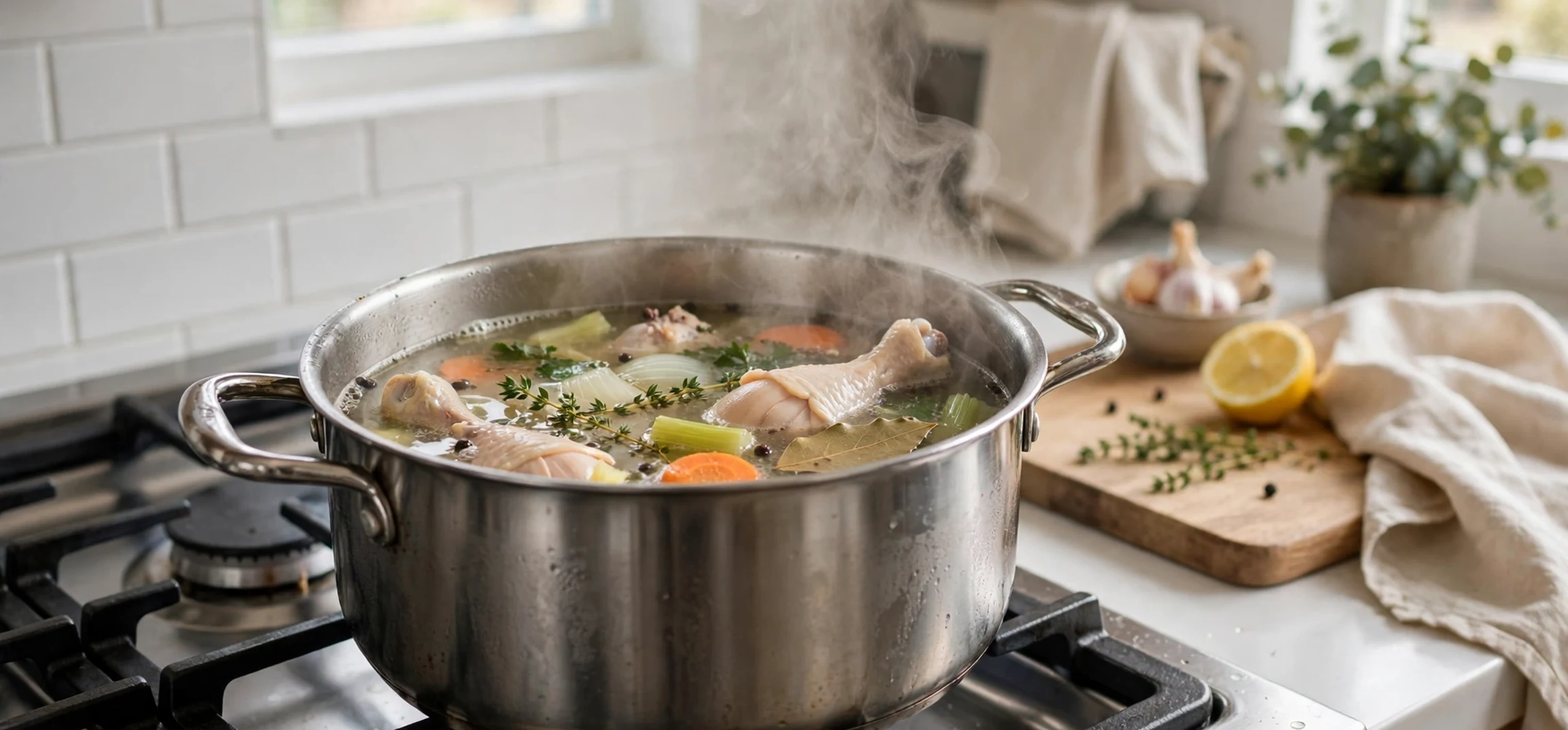
Chicken stock is a flavoured liquid made by simmering chicken bones, meat, vegetables, and water together. As the mixture cooks slowly, it picks up flavour from the ingredients and becomes a useful base for soups, sauces, rice dishes, and many other recipes. It is valued because it adds depth and savoury taste without overpowering the main ingredients.
Home cooks and professional chefs both use chicken stock. At home, it can turn a simple soup into a richer meal. In restaurants, it is often the quiet foundation behind sauces and stews that taste layered and complete. Even a small amount can make a noticeable difference.
Chicken Stock vs Chicken Broth
People often use the words stock and broth as if they mean the same thing, but there is a useful difference. Stock is usually made mainly from bones and simmered for a longer time, which gives it a fuller body. Broth is usually made mainly from meat and simmered for a shorter time, which gives it a lighter, clearer taste.
In everyday cooking, the two can often be used in place of each other, especially in soups and rice dishes. If a recipe calls for stock and you only have broth, your dish will still work, though it may taste slightly lighter. The reverse is also true. The key point is not to worry too much about the label, but to taste and adjust seasoning as you cook.
Why Cooks Value Stock So Much
Stock adds flavour in a way that plain water cannot. Water dilutes a dish, while stock builds it up. It also helps ingredients blend together. Vegetables, grains, and proteins cooked in stock tend to taste more connected, as if they belong in the same dish, rather than tasting separate.
Stock is also flexible. It can be seasoned lightly for a delicate soup or reduced further for a stronger sauce base. Once you understand that flexibility, you can adapt many recipes without needing a long list of special ingredients.
How Chicken Stock Is Made
Making chicken stock at home is simpler than many people expect. It mainly requires time, not skill. The basic method stays the same even if you change the exact vegetables or quantities.
Basic Ingredients
A simple chicken stock starts with chicken bones or a whole chicken carcass, water to cover, and aromatic vegetables such as onion, carrot, and celery. Many cooks also add herbs like parsley, thyme, or bay leaves, and a small amount of peppercorns. Salt is usually added later, when the stock is used in a final dish, so the cook can control seasoning.
You do not need exact measurements to make a useful stock. The goal is a balanced, savoury liquid, not a precise formula. If you prefer a lighter stock, use more water and a shorter simmer. If you prefer a richer stock, use more bones and a longer, gentle simmer.
A Simple Step-by-Step Method
First, place the bones and vegetables in a large pot and cover them with cold water. Bring the pot slowly to a gentle simmer, not a hard boil. Skim off any foam that rises to the surface in the early stage. Then reduce the heat, cover partly, and simmer gently for two to four hours. Finally, strain the liquid through a fine sieve, let it cool, and store it in containers.
Cooling matters because it lets you remove excess fat easily once it sets on the surface. It also makes storage safer. Refrigerated stock usually keeps for several days, while frozen stock can last much longer. Label frozen containers with the date so you can use the oldest stock first.
Store-Bought Options
If you do not have time to make stock from scratch, store-bought stock, cartons, pastes, and cubes are practical alternatives. They vary in salt level and strength, so taste before adding extra salt. Low-sodium versions give you more control, which is helpful when a recipe will reduce and concentrate flavours as it cooks.
When choosing a store-bought product, read the ingredient list if you can. A shorter list with recognisable ingredients is often a good sign. Avoid relying only on marketing words on the front of the pack, and instead check salt content and serving guidance.
Ways to Use Chicken Stock in Everyday Cooking
Chicken stock is not only for soup. It can improve many everyday dishes with very little extra effort.
- Soups and stews: use stock as the base instead of water for deeper flavour.
- Rice and grains: cook rice, barley, or couscous in stock for a savoury result.
- Sauces and gravies: start a simple pan sauce with stock and reduce it gently.
- Vegetables: braise carrots, greens, or potatoes in a little stock until tender.
- Noodles and dumplings: use stock as a light broth for a quick, comforting bowl.
One helpful habit is to keep a small amount of stock in the freezer in ice-cube trays or small containers. That way, you can add flavour to a single pan or a small side dish without opening a large carton.
| Dish Type | How Stock Helps | Tip |
|---|---|---|
| Soup | Adds body and savoury depth | Season at the end, after tasting |
| Rice | Replaces plain water with flavour | Use the same liquid ratio as usual |
| Sauce | Creates a smooth, rich base | Reduce slowly for stronger taste |
| Steamed vegetables | Adds gentle savouriness | Use a small amount, not a flood |
| Noodle bowl | Makes a quick, satisfying broth | Add fresh herbs at serving time |
What Is a Recap Series?
A recap series is a set of short summaries that revisit earlier content in order. It could recap episodes of a television show, chapters of a book, lessons in a course, or steps in a cooking series. Each recap focuses on the most important points, so a reader or viewer can refresh their memory quickly without rewatching or rereading everything.
Recap series are popular because they save time. They help new viewers catch up, help returning viewers remember what happened, and help students review before a test or a new lesson. A good recap does not just list events. It explains why they matter and how they connect to what comes next.
Types of Recap Series
Episode recaps summarise one episode at a time and often end with questions or predictions for the next episode. Season recaps cover a whole season in one longer summary. Study recaps break a topic into short lessons with key points at the end of each part. Cooking recap series revisit techniques, ingredients, and recipes so learners can build skills step by step.
For a chicken stock recap series, for example, one part might cover ingredients, the next might cover simmering and straining, and a later part might show five dishes that use the finished stock. Each part stands alone, but together they form a complete guide.
What Makes a Good Recap
A good recap is short, clear, and focused. It highlights names, decisions, and turning points, but leaves out minor details that do not affect understanding. It uses plain headings, short paragraphs, and a clear order. It also avoids spoilers when the audience has not yet seen the original content, or it warns clearly before sharing them.
The best recap series also add value. They explain context, point out patterns, and connect earlier details to later outcomes. That extra explanation is what separates a useful recap from a simple list of events.
How to Follow a Recap Series Well
If you are following a recap series for a show, a course, or a cooking topic, a few habits will help you get more from it. First, read or watch recaps in order, even if you can dip in and out. Order matters because later recaps often assume you know earlier points. Second, take short notes on the points that surprise you or that you want to remember. Third, use recaps as a starting point, not a replacement, when you need full detail.
If you are creating your own recap series, keep each entry consistent. Use the same structure, similar length, and clear titles. Readers return when they know what to expect. End each recap with a short summary and a preview of the next part, so the series feels like a journey rather than a set of disconnected posts.
Another useful idea is to link recaps together. For light entertainment and discovery, see our guide on Chain Guide Comedy Fun for an example of how themed guides can be explored in sequence.
Frequently Asked Questions
Can I freeze chicken stock?
Yes. Cool it fully, store it in freezer-safe containers, leave a little space for expansion, and label it with the date. Thaw it in the refrigerator before use.
Should I use stock or water for rice?
Stock gives more flavour, while water gives a plainer result. Use stock when you want a savoury dish, and water when the rice will be served with a strongly flavoured sauce.
What is a recap series for?
It is for catching up quickly, reviewing key points, and understanding how earlier content connects to later content, without repeating the full original.
How long should a recap be?
Long enough to cover the key points clearly, but short enough to read or watch in a few minutes. Most good recaps focus on essentials and leave out minor detail.
Conclusion
Chicken stock is a simple, flexible kitchen base that adds depth to soups, rice, sauces, and many everyday dishes, whether you make it at home or buy a good store version. A recap series, meanwhile, is a practical way to revisit important ideas in order, save time, and stay connected to a story, a course, or a skill you are learning. Together, the two ideas show how small foundations matter: a good stock supports a whole meal, and a good recap supports a whole understanding. Start with one simple stock recipe and one recap at a time, and you will soon see how both become easy habits rather than extra work.



