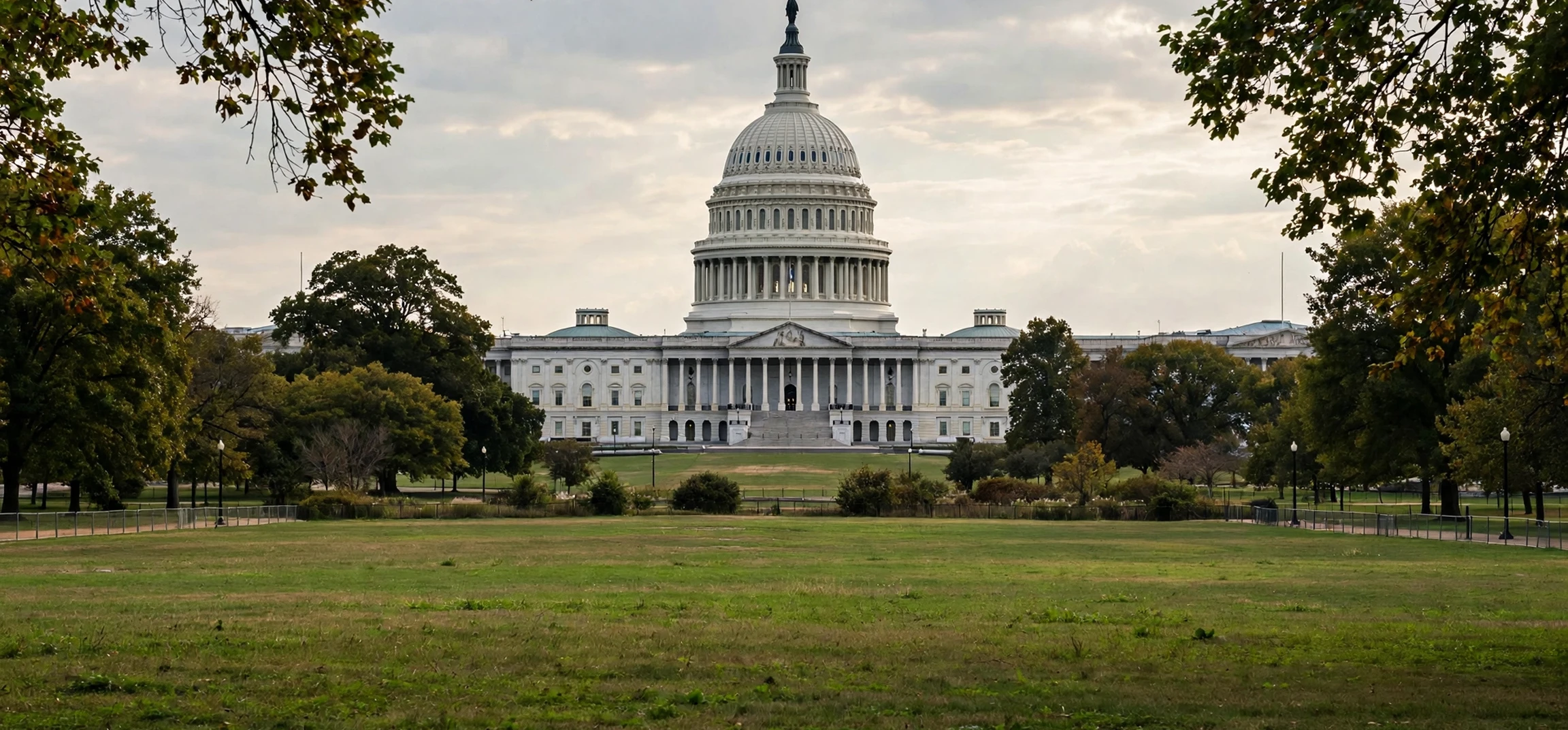
If you have ever wondered why washington dc is called district of columbia, you are asking about two names at once, not one. Washington is the name of the city. District of Columbia is the name of the federal district in which the city sits. Together they tell a story about the founding of the United States, about honouring its first president, and about a poetic name for America that was fashionable in the late eighteenth century. This guide explains that story in clear, factual terms, without folklore dressed up as history.
The short answer is that the city was named for George Washington, the first president, and the district was named Columbia, a poetic name for America derived from Christopher Columbus, the explorer whose voyages became a symbol of the new continent in the imagination of the time. The word district was added because the capital was not a state, a county, or an ordinary city. It was a special federal district, created by the Constitution and governed by Congress. Unpacking each part of that answer shows how deliberately the capital was planned.
The Answer to why washington dc is called district of columbia
To understand why washington dc is called district of columbia, start with the letters DC. They stand for District of Columbia, and they are part of the citys formal name, not an abbreviation added for postal convenience. The full formal name is Washington, District of Columbia. In everyday speech, people say Washington DC to distinguish the capital from Washington State, on the opposite side of the country, which was named much later and for the same first president.
The two halves of the name were chosen for different reasons. Washington honours a person: George Washington, commander of the Continental Army during the Revolutionary War and the first president of the United States. Columbia honours an idea: America itself, personified as a female figure called Columbia, a name that was widely used in songs, poems, and political writing in the late 1700s. Putting them together gave the new capital a name that was both personal and patriotic.
It is worth being precise about Columbia. The district was not named directly after Christopher Columbus as a person in the way a street might be named after a mayor. Rather, Columbia was the poetic name for the American continent, and that poetic name itself derived from Columbus. Eighteenth-century Americans used Columbia in much the same way later generations used Uncle Sam or Lady Liberty: as a symbol of the nation. When the capital needed a name for its district, Columbia was the natural, fashionable choice.
why washington dc is called district of columbia: The Founding Decision
The story begins with the United States Constitution, which gave Congress the power to create a district, not exceeding ten miles square, as the seat of government. The founders did not want the national capital to sit inside any single state, where that state might claim special influence over the federal government. A neutral district, governed by Congress itself, was meant to solve that problem.
In 1790, Congress passed the Residence Act, which authorised the president to choose a site on the Potomac River for the permanent capital. George Washington selected a location that included land contributed by Maryland and Virginia, on both banks of the Potomac. The district was laid out as a square, ten miles on each side, giving it an area of one hundred square miles. The city within it was planned on a grand scale, with wide avenues, public squares, and prominent sites for the Capitol and the presidents house.
The city was named Washington in honour of the president who had chosen its site, and the district was named the Territory of Columbia, later the District of Columbia. The federal government moved to the new capital in 1800, while building work was still under way. Early visitors often remarked on the contrast between the ambitious plan and the muddy, half-finished reality, but the names stuck from the start, and they have never been changed.
Why a District, and Not a State
The word district in the name is doing important work. A district is an area defined for a particular purpose, in this case for housing the federal government. Unlike a state, the District of Columbia was not admitted to the Union as an equal member, and its residents did not, at first, have voting representation in Congress. That arrangement was deliberate: the founders wanted the capital to be under federal control, free from the authority of any state government.
Over time, that arrangement has been debated and partly reformed. District residents gained the right to vote for president in 1961, through the Twenty-third Amendment to the Constitution, and they gained a locally elected mayor and council in the 1970s, under a system known as home rule. They still elect only a non-voting delegate to the House of Representatives, and they have no senators. Whether the district should become a state, or gain fuller representation in some other form, remains a live political debate, and it is one of the reasons the name District of Columbia still matters: it describes a constitutional status, not just a place.
The shape of the district has also changed. The portion originally contributed by Virginia, on the western bank of the Potomac, including the city of Alexandria, was returned to Virginia in the 1840s, in a process known as retrocession. That is why the modern district is smaller than the original square, and why it now lies entirely on the eastern bank of the river, on land that came from Maryland. The name, however, stayed the same.
| Part of the name | What it refers to | Why it was chosen |
|---|---|---|
| Washington | The city, and its first president | To honour George Washington |
| District | A federal area, not a state | To keep the capital under Congress, not any state |
| Columbia | A poetic name for America | A fashionable patriotic symbol, derived from Columbus |
| DC | Short form of District of Columbia | To distinguish the capital from Washington State |
Columbia as a Symbol of America
To a modern reader, Columbia may sound like an unusual name, but in the late eighteenth century it was everywhere. Poems addressed Columbia, songs praised Columbia, and political cartoons drew Columbia as a woman in classical dress, representing the new republic. The name appeared in the titles of institutions, in the names of ships, and later in the names of places across the country, including the university now known as Columbia University, which was renamed in 1784 to reflect the new nations identity.
This fashion explains why washington dc is called district of columbia rather than, say, the District of Washington or the Federal District. The founders wanted a name that sounded dignified and classical, and Columbia fitted the spirit of the age, when Roman and Greek imagery was used to give the young republic a sense of permanence. The same spirit shaped the capitals architecture, with its domes, columns, and marble, all designed to look timeless.
Over the centuries, Columbia faded as an everyday symbol for America, replaced in popular culture by Uncle Sam, Lady Liberty, and the flag itself. The district name is therefore a kind of time capsule: it preserves a word that was once central to American identity but is now mostly heard in this one place, and in the names of institutions that adopted it long ago. When people ask why washington dc is called district of columbia today, they are really asking about a word that history has left behind everywhere else.
Washington the City, Planned From Scratch
Unlike older American cities that grew organically around a port or a trading post, Washington was planned from scratch. The French-born engineer Pierre Charles L’Enfant drew up a plan with a grid of streets cut by broad diagonal avenues, with the Capitol and the presidents house as the two great focal points. The plan was ambitious, and it was only partly carried out in L’Enfant’s lifetime, but its bones survive in the citys layout today.
Naming the city for Washington was not controversial at the time. He was the most revered figure in the new nation, and he had personally chosen the site. Later, Washington State, admitted to the Union in 1889, was also named for him, which created the confusion that the DC suffix now resolves. In speech, Americans often say DC on its own to mean the capital, or the District to mean its government, and they say Washington State in full when they mean the state in the Pacific Northwest.
Readers interested in how American names and history are recorded may also enjoy guides to other parts of the story, such as a guide to the presidents on Mount Rushmore, a guide to the text of the Thirteenth Amendment, and a guide to the history of a famous surname. Each shows, in a different way, how names carry the history of the people and places they describe.
More Questions About why washington dc is called district of columbia
When visitors ask why washington dc is called district of columbia, guides usually start with Washington and Columbia separately, because the two halves answer different questions. Asking why washington dc is called district of columbia as a single question can hide that split, so it helps to ask it in two parts: who was Washington, and what did Columbia mean?
The Washington half is straightforward. Anyone asking why washington dc is called district of columbia will find the same answer in every history: the city honours George Washington. The Columbia half takes a little more explaining, because asking why washington dc is called district of columbia in modern times means explaining a poetic word that has fallen out of everyday use.
Teachers often use the question why washington dc is called district of columbia to open a lesson on the Constitution, because the word district leads directly to the founders decision to keep the capital outside any state. Students who ask why washington dc is called district of columbia a second time, after learning that history, usually ask a sharper question: why has the name never been changed, even though Columbia is no longer a common symbol?
The answer is that names, once established in law, maps, and daily use, are hard to change, and there has been no strong reason to change this one. People who ask why washington dc is called district of columbia today are often really asking whether the district should become a state, which is a political question, not a naming question. Whatever answer that debate reaches, the history behind why washington dc is called district of columbia will remain the same: a president, a federal district, and a poetic name for America.
Frequently Asked Questions
What does DC stand for?
DC stands for District of Columbia, the formal name of the federal district that contains the city of Washington. That short answer is also the short answer to why washington dc is called district of columbia: the letters are not a postal code, they are the districts name itself, which is why why washington dc is called district of columbia is best answered by explaining the district, not just the city.
Is Washington DC a state?
No. It is a federal district, governed under the authority of Congress, with a locally elected mayor and council under home rule. Its residents vote for president but do not have voting representation in Congress.
Was the district named after Christopher Columbus?
Indirectly, yes. Columbia was a poetic name for America, and that poetic name derived from Columbus. The district was named Columbia in that symbolic sense, rather than as a direct personal tribute.
Why is there also a Washington State?
Washington State, in the Pacific Northwest, was also named for George Washington, but it was admitted to the Union almost a century after the capital was founded. The DC suffix distinguishes the capital from the state.
Conclusion
The question why washington dc is called district of columbia has a satisfying answer because each word earns its place. Anyone still puzzling over why washington dc is called district of columbia can remember it as three clues in one name, and anyone explaining why washington dc is called district of columbia to a friend can start with those same three clues. Washington honours the first president, who chose the site and led the nation through its founding war. District describes a special federal area, created so that no single state would control the seat of government. Columbia preserves a poetic name for America, fashionable in the 1790s and derived from the explorer whose name became a symbol for the continent.
Knowing that story makes the name more than an address. It is a reminder of how the capital was imagined: as a neutral ground, a planned city, and a symbol of a new republic that wanted to look both classical and enduring. The next time you write Washington DC, you will know that you are writing a small piece of American history, one that begins with a president, a river, a square of land, and a poem about a nation called Columbia.