When people ask what is unimproved land mean, they are usually asking a straightforward property question in slightly compressed search language: what does the term unimproved land actually mean, and how is it different from other kinds of land? In general usage, unimproved land means land that has not been developed with buildings, utilities, roads, grading, or other significant improvements. It is raw or vacant land in its natural or near-natural state, without a house, a commercial building, a paved driveway, a sewer connection, or other structures that would make it ready for immediate occupation or intensive use. This article gives general education only. It is not legal advice, tax advice, or investment advice, and property rules, zoning, and tax treatment vary by state, county, and country, so any specific decision about a parcel should be checked with a qualified local professional who can review that parcel records and rules.
The phrase what is unimproved land mean is worth unpacking because the word unimproved can be misleading. It does not mean worthless, useless, or unusable, and it does not mean the land has never been touched at all. A parcel can have a fence, a dirt track, or some clearing and still be described as unimproved if it lacks the substantial improvements that would change its classification. Conversely, a parcel with a small shed or a well may be treated differently depending on local rules, which is why the same parcel can be described one way by a seller, another way by a tax assessor, and another way by a lender. The context in which the term is used matters as much as the dictionary definition.
What Is Unimproved Land Mean: The Core Definition
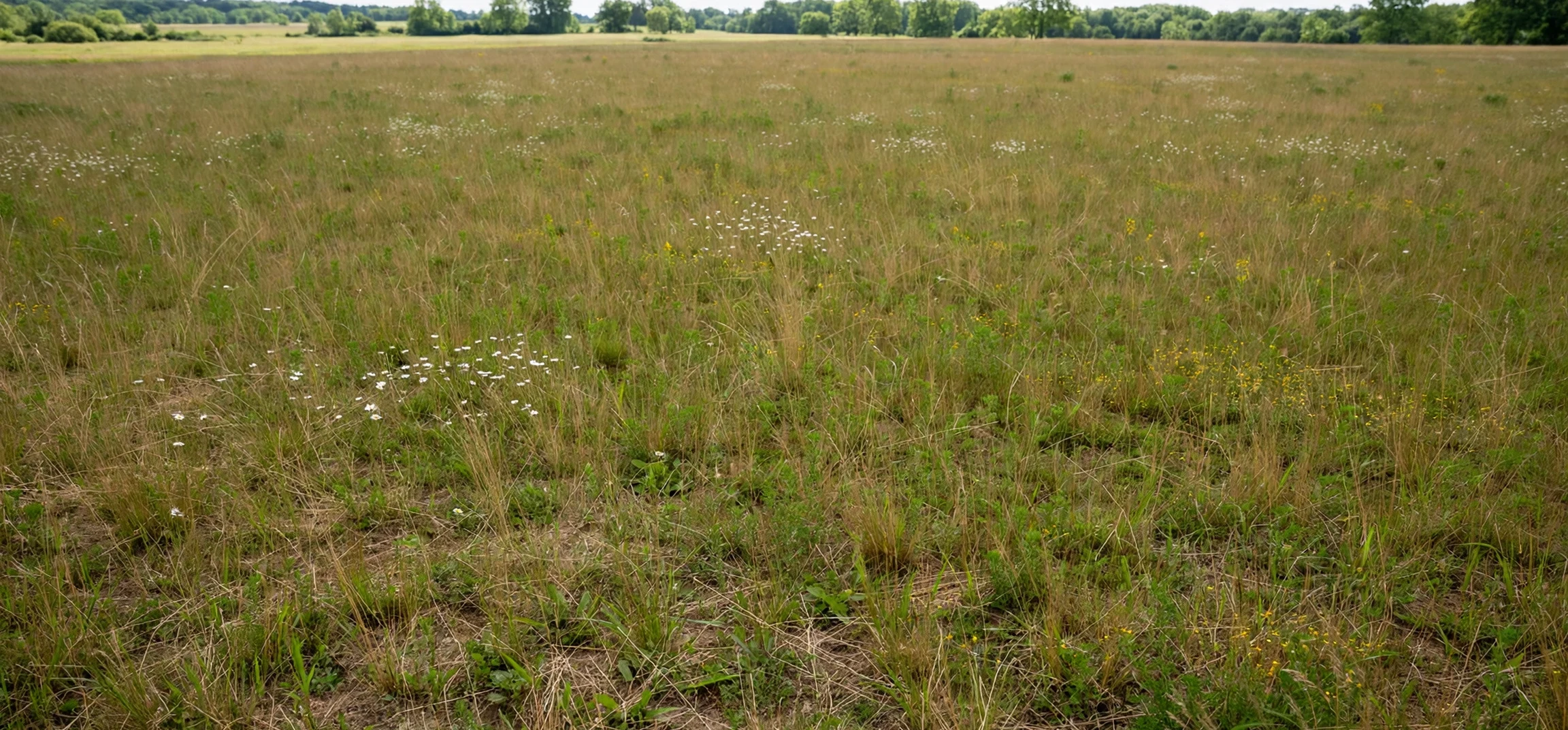
At its core, what is unimproved land mean comes down to absence of development. Improved land has something built on it or connected to it that adds utility: a dwelling, a commercial structure, a road system, water and sewer services, electricity, drainage, or landscaping that is part of a development. Unimproved land lacks those things in any substantial form. It may be farmland that has not been built on, woodland, desert, a vacant lot in a town that has never been developed, or a larger rural parcel held for future use. The land itself may have natural value, agricultural value, recreational value, or future development value, but in its current state it is not improved.
Assessors, lenders, and planners use the term because the distinction affects how land is valued, taxed, financed, and permitted. An improved parcel can often be valued by comparing it with similar built properties, while an unimproved parcel is more often valued by comparing it with similar vacant parcels, by its size and location, and by what it could potentially be used for under current zoning. That potential use is important: two unimproved parcels of the same size can have very different values if one is zoned for housing and close to services, while the other is remote, steep, flood-prone, or restricted by conservation rules. The term describes the current state, not the future potential, and buyers who confuse the two can overpay or underestimate the cost of making the land usable.
It also helps to distinguish unimproved land from related terms. Vacant land is a close synonym, but vacant can sometimes mean a lot that once had a building that has been removed, while unimproved more specifically emphasises the lack of improvements. Raw land is another synonym, often used for larger rural parcels. Undeveloped land is similar, although undeveloped can sometimes include land that has basic access but no buildings. In everyday listings, these terms are often used interchangeably, but in legal, tax, or lending documents, the precise definition used by that authority is the one that counts, and it should be read in that document rather than assumed.
What Is Unimproved Land Mean in Everyday Examples
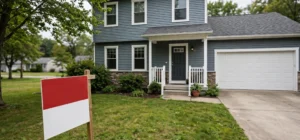
Consider a vacant residential lot on the edge of a town. It has no house, no driveway, and no utility connections, although a road runs past it and neighbouring lots are built on. That lot is a classic example of unimproved land in a residential context: it is ready in location terms, but not improved in physical terms, and a buyer would still need to pay for connections, permits, grading, and construction before it could be lived on. Now consider a ten-acre wooded parcel in a rural area with no road access beyond a dirt track, no water or electricity, and no structures. That is also unimproved land, but of a very different kind, with different costs, risks, and possibilities. Both are unimproved, yet the work needed to make them usable differs enormously.
Agricultural land provides another example. A field used for grazing or crops, with no farmhouse or barn on that particular parcel, may be described as unimproved even though it is actively used and productive. The use does not make it improved; the buildings and infrastructure do. Similarly, a parcel held as an investment, with no current use at all, is unimproved in the same sense, even if its owner hopes it will gain value as a nearby town expands. The term is neutral about intent: it describes what is there now, not what the owner plans.
Partial improvements create the grey area that causes most confusion. A parcel with a well but no house, a septic system but no building, a graded pad but no structure, or a fence and a gate but nothing else may be described as partially improved, or it may still be classed as unimproved depending on local rules and on how substantial the improvement is. If you are buying, selling, or valuing such a parcel, do not rely on a listing description alone. Check the assessor record, the planning record, and any survey or title documents, and ask a local professional how that jurisdiction treats the specific improvements present. For related property concepts, see our guides to property financing terms and property eligibility checks, which explain why a parcel classification can affect financing and eligibility in ways that are not obvious from a listing.
Buying, Valuing, and Developing Unimproved Land
Buying unimproved land requires different checks from buying a house. Access is first: is there a legal, year-round road access, or only a seasonal track, or access across a neighbour parcel that depends on an easement? Utilities are second: how far away are water, sewer or septic suitability, electricity, and internet, and what will connection cost? Zoning and permitted use are third: what can legally be built or done on the parcel, what setbacks, height limits, and environmental restrictions apply, and whether the parcel is in a flood zone, a conservation area, or an area with soil or slope constraints? Surveys, title, and boundaries are fourth: are the boundaries clearly marked and surveyed, are there easements, liens, or disputes, and does the parcel have a clear title? Each of these can turn an apparently cheap parcel into an expensive project, or an apparently remote parcel into a sound purchase.
Valuation follows a similar logic. Comparable sales of similar vacant parcels in the same area are the most useful guide, adjusted for size, location, access, utilities, zoning, and topography. Asking prices for improved properties nearby are not a good guide, because they include the value of buildings and infrastructure that the unimproved parcel lacks. Development cost is the other side of the calculation: grading, roads, utilities, permits, and construction can easily exceed the purchase price of the land itself, especially on steep, remote, or poorly served parcels. A careful buyer estimates those costs before purchase, not after, and includes a contingency for surprises such as poor soil, rock, drainage problems, or permit delays.
Financing is also different. Lenders often treat unimproved land as higher risk than a house, because there is no building to secure the loan in the same way and because resale can be slower. That can mean larger deposits, shorter terms, higher interest, or a requirement for a detailed plan and appraisal. Some buyers pay cash for that reason, while others use a land loan or a construction loan that converts once building begins. The exact options depend on the lender, the parcel, and the borrower circumstances, and they should be discussed with a lender or adviser before making an offer, rather than assumed from a general article.
Tax, Zoning, and Planning Considerations
Tax treatment of unimproved land varies widely. Some jurisdictions tax vacant land at a different rate from improved land, some offer agricultural or conservation classifications that reduce tax if the land is used or preserved in a qualifying way, and some impose higher taxes on vacant lots in urban areas to encourage development. None of these rules is universal, and a classification that applies in one county may not apply in the next. If tax is a factor in your decision, check the current assessor and tax authority guidance for that specific parcel, and take professional advice rather than relying on a general description.
Planning and environmental rules deserve equal attention. A parcel may look buildable but be subject to wetlands protection, habitat rules, heritage listing, mining or flood overlays, or a future road or infrastructure plan. Some of these restrictions are visible on planning maps, while others require a specific search or a professional report. A pre-purchase planning check, a soil test, and a flood search are modest costs compared with buying a parcel that cannot be used as intended. This is general information to help you ask the right questions, not a substitute for those checks.
| Feature | Unimproved land | Improved land |
|---|---|---|
| Buildings | None of substance | House or commercial structure present |
| Utilities | Usually not connected | Water, sewer, electricity connected |
| Access | May be basic or absent | Formed road and driveway usually present |
| Valuation basis | Comparable vacant parcels and potential use | Comparable built properties |
| Financing | Often stricter terms | Standard mortgage options more common |
What Is Unimproved Land Mean: Frequently Asked Questions
Does unimproved mean the land has no value?
No. Unimproved land can have substantial value from location, size, agricultural use, recreation, or future development potential. Unimproved describes its current physical state, not its worth.
Can unimproved land be built on?
Sometimes, subject to zoning, planning permission, access, utilities, environmental rules, and building codes. Buildability must be checked parcel by parcel; the term unimproved does not guarantee that building is permitted.
Is a vacant lot always unimproved land?
Usually, if it has no substantial buildings or services. A lot with a demolished building but remaining services may be treated differently depending on local rules and on what remains on site.
Does a fence or a dirt track make land improved?
Generally not on its own, because those are minor improvements. Local definitions vary, so check how the relevant authority treats the specific features present on a parcel.
Should I buy unimproved land as an investment?
That is a personal financial decision that depends on location, costs, risks, and your time horizon. This article gives general education only; take independent financial and legal advice before committing funds.
Searching for What Is Unimproved Land Mean: What to Ask Next
People who search for what is unimproved land mean usually want more than a definition, and what is unimproved land mean becomes practical only when it is tied to a specific parcel. A search for what is unimproved land mean should therefore lead to questions about access, utilities, and zoning, because what is unimproved land mean in a listing does not tell you whether that parcel can be built on. When you read a page about what is unimproved land mean, check whether it distinguishes raw, vacant, and partially improved land, since what is unimproved land mean in one jurisdiction may be classed differently in another. In short, what is unimproved land mean is a starting definition, and what is unimproved land mean for your parcel is answered by local records, not by a general article. Keep what is unimproved land mean as your search phrase, but let the parcel record, the planning map, and a local professional answer what is unimproved land mean in practice for that land.
Conclusion
To answer what is unimproved land mean in one sentence: it is land without substantial buildings, utilities, roads, or other development improvements, in its natural or near-natural state, whatever its future potential may be. That simple definition has practical consequences for buying, valuing, financing, taxing, and developing a parcel, and those consequences vary by jurisdiction and by the specific features of the land. Check access, utilities, zoning, title, and environmental constraints parcel by parcel, estimate development costs before you buy, and take local professional advice for any specific decision. Used carefully, the term helps you see a listing clearly for what it is: not a promise of easy development, but a starting point for proper due diligence on unimproved land.