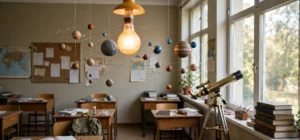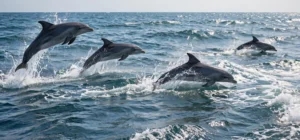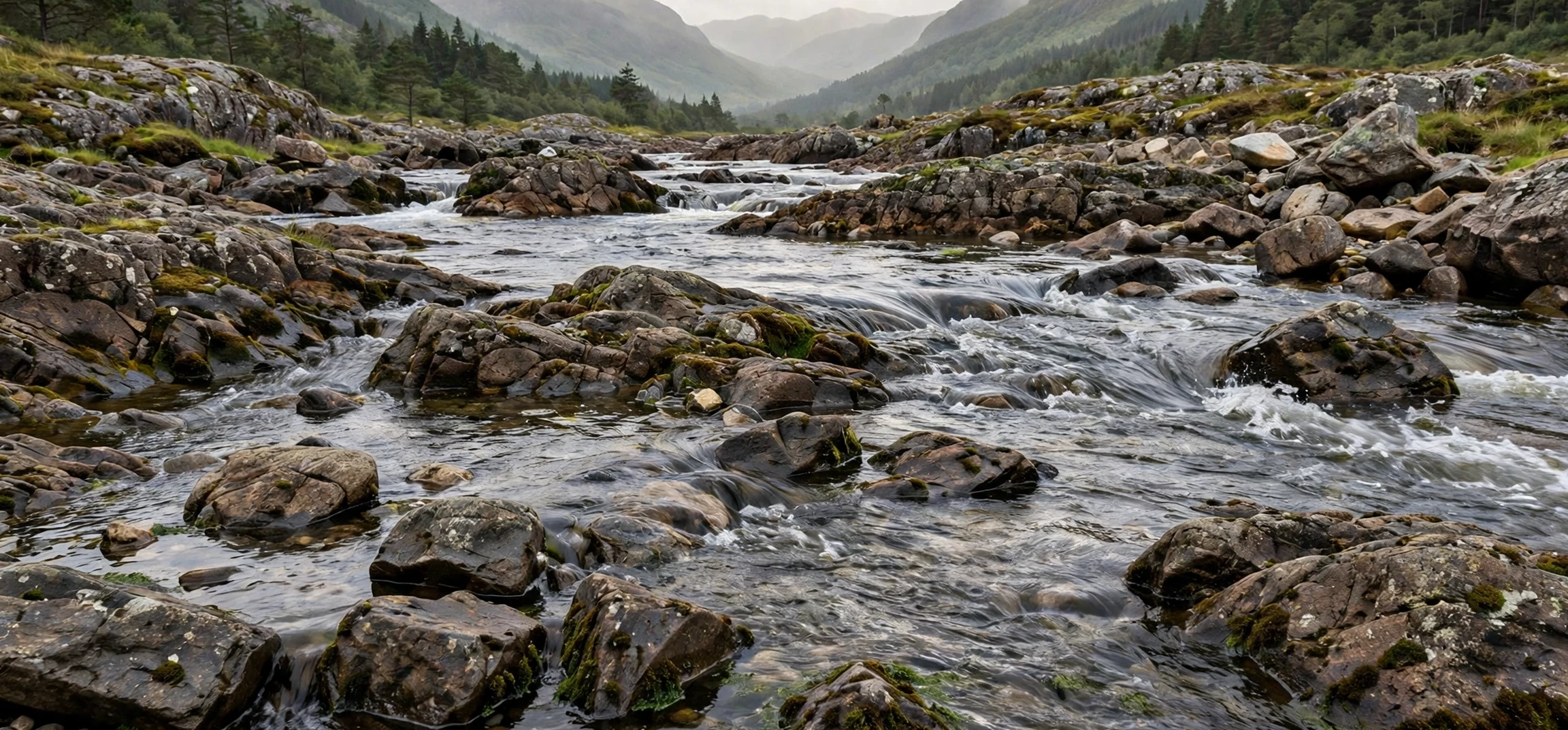
If you searched for pictures of abiotic components, you probably want a clear visual sense of the non-living parts of an ecosystem, and this guide is written to give you exactly that understanding in words. To be plain about it: this article is a written guide and shows no pictures of specimens, so instead of photographs, it describes each component so vividly that you can recognise it in a textbook illustration, a classroom display, or the world outside your window. Pictures of abiotic components are a popular search because science lessons often ask students to sort a scene into living and non-living parts, and the non-living parts are easy to overlook precisely because they do not move, grow, or make a sound.
Abiotic components are the non-living chemical and physical parts of an environment that shape where living things can survive. They include sunlight, air, water, soil, minerals, temperature, and the shape of the land itself. Biotic components, by contrast, are the living things: plants, animals, fungi, and micro-organisms. The two groups work together constantly. A plant needs sunlight and water, both abiotic, to grow; an animal needs air to breathe and a temperature range it can tolerate. When students study pictures of abiotic components, they are really learning to see the stage on which life happens, not just the actors upon it. Good pictures of abiotic components therefore reward slow looking, because the most important details are often the quiet ones.
Pictures of Abiotic Components: Sunlight and Air
Sunlight is often the first abiotic component students spot, because it is shown in pictures as bright rays, a glowing sun, or light falling across a landscape. In science terms, sunlight provides energy. Plants capture light energy and use it to make food, and that food energy then passes through the food chain to animals. In a picture, look for shadows, bright patches on water or leaves, and the direction of light, since these clues show that sunlight is acting on the scene, even though light itself has no solid form. Without sunlight, most ecosystems on Earth would lose their main energy source, which is why sunlight sits at the centre of so many ecosystem diagrams.
Air is harder to picture, because it is invisible, yet pictures of abiotic components often hint at it through clouds, wind-bent trees, or ripples on water. Air is a mixture of gases, including the oxygen animals breathe and the carbon dioxide plants use. In a classroom picture, clouds are the most obvious sign of air and weather at work, while a flag blowing or grass leaning in one direction suggests wind. Teachers often ask students to name air as an abiotic component even when it cannot be seen directly, because its effects are visible everywhere. That is a useful lesson in science: not everything important can be photographed directly, and sometimes you must infer a component from its effects.
Temperature is another invisible abiotic factor that pictures suggest through clues. Snow suggests cold, a desert scene suggests heat, and clothing worn by people in a photograph can hint at the temperature range. Temperature affects how fast chemical processes happen, which animals can live in a place, and when plants grow or rest. A picture of a frozen lake and a picture of a sun-baked rock may both show water and minerals, but the temperature clue changes the whole ecosystem story. When you study pictures of abiotic components, always ask what the temperature clues are telling you, even if no thermometer appears in the image. The best pictures of abiotic components reward that kind of questioning, because they hide information in plain sight.
Pictures of Abiotic Components: Water, Soil and Minerals
Water is one of the easiest abiotic components to recognise in pictures, because it appears as rivers, lakes, seas, rain, puddles, or ice. Water is essential for life: it carries nutrients, helps regulate temperature, and provides a habitat for aquatic life. In pictures, notice whether water is flowing or still, fresh or salty, clear or cloudy, since each detail tells you something about the ecosystem. A fast-flowing stream supports different life from a still pond, and a salty seashore supports different life from a freshwater lake, even though water is the abiotic component in both cases.
Soil is equally important and often underrated in pictures of abiotic components. Soil is not just dirt: it is a mixture of mineral particles, organic matter, air, and water, and it provides nutrients and anchorage for plants. In a picture, soil may appear as a brown layer beneath grass, as a cross-section showing different layers, or as sandy, clay-rich, or rocky ground. The colour and texture matter. Dark, rich soil usually holds more organic matter, while pale, sandy soil drains quickly and holds fewer nutrients. A student who can read soil in a picture is already thinking like an ecologist, because soil type often decides which plants can grow in a place, and plants in turn decide which animals can live there.
Minerals and rocks are the solid abiotic components that give landscapes their shape and chemistry. In pictures, look for cliffs, pebbles, sand, and rocky shores, and for the way rocks break down into smaller particles that become part of soil. Minerals dissolved in water also matter: they provide nutrients that plants and animals need in small amounts. A picture of a rocky coastline, for example, shows minerals in several forms at once, as solid cliffs, as pebbles on the shore, and as dissolved substances in the sea. Recognising all three forms is a step beyond simply naming “rocks” and shows a deeper understanding of abiotic components.
Pictures of Abiotic Components: How to Read a Scene
Reading a scene for abiotic components is a skill you can practise with any landscape picture, whether it is a textbook illustration or a photograph you take yourself. Start by listing everything non-living that you can see or infer: sunlight, air, clouds, water, soil, rocks, and the shape of the land. Then ask how each one affects the living things in the scene. Would the plants grow here without this soil? Would the animals survive without this water? Would the temperature allow this plant to grow at all? This habit turns a simple picture into a working ecosystem model, and it is exactly what exam questions and classroom tasks are usually testing.
It also helps to compare scenes. A desert picture and a forest picture may both contain sunlight, air, soil, and rocks, but in very different amounts and forms. The desert has intense sunlight, little water, and sandy soil, while the forest has filtered sunlight, plentiful water, and rich soil. The living things differ because the abiotic components differ, and that cause-and-effect link is the heart of ecology. When you compare pictures of abiotic components across habitats, you are not just memorising lists; you are learning why life looks different in different places on Earth.
| Abiotic component | What to look for in a picture | Why it matters for life |
|---|---|---|
| Sunlight | Rays, brightness, shadows, light on water | Main energy source for most ecosystems |
| Air and wind | Clouds, bent trees, ripples, blowing dust | Provides gases for breathing and growth |
| Water | Rivers, lakes, rain, ice, puddles | Essential for drinking, habitat, and transport |
| Soil | Ground layers, colour, texture, sand or clay | Anchors plants and supplies nutrients |
| Rocks and minerals | Cliffs, pebbles, sand, rocky shores | Shape land and supply mineral nutrients |
| Temperature | Snow, ice, desert heat, clothing clues | Sets limits on where life can survive |
Use the table as a checklist when you study a picture. Tick off each component you can find, note the clues that told you it was there, and write one sentence about how it affects the living things in the scene. That short exercise, repeated with a few different pictures, builds the skill faster than memorising definitions alone. For related science reading, see our guide to the meaning of matter, our explanation of fault science, and our article on how planet Earth got its name.
Pictures of Abiotic Components: Classroom and Homework Tips
For homework, students are often asked to label pictures of abiotic components or to draw their own ecosystem diagram. A strong answer names the component, points to the clue in the picture, and explains its role in one clear sentence. For example, instead of writing only “water”, write “water, shown as a river, provides a habitat and drinking source for the animals in the scene”. That extra explanation shows understanding, not just recognition, and it is what earns higher marks. If you are drawing your own diagram, include at least one clue for each abiotic component, such as sun rays for sunlight, clouds for air, and a soil layer beneath the plants, so that a reader can identify each component without a label alone.
A common mistake is to list living things as abiotic, or to miss invisible components such as air and temperature. Another is to name only the obvious water and rocks, and to forget sunlight and soil. A checklist helps here: sunlight, air, water, soil, rocks and minerals, temperature, and land shape. Run through that list for every picture, and you will rarely miss a component. Remember, too, that this article is general science education only, presented in non-graphic terms, and it shows no pictures of specimens, so it is suitable as a reading companion to your textbook illustrations rather than a replacement for them.
Pictures of Abiotic Components: Frequently Asked Questions
What are abiotic components?
Abiotic components are the non-living parts of an ecosystem, including sunlight, air, water, soil, minerals, temperature, and land shape, which together shape where living things can survive.
Are pictures of abiotic components included in this article?
No. This article is a written guide and shows no pictures of specimens. It describes each component and its visual clues in words, so you can recognise them in textbook pictures and in real landscapes.
Is soil abiotic or biotic?
Soil itself is usually classed as abiotic, even though it contains living micro-organisms and organic matter, because its main structure comes from mineral particles, air, and water.
Is sunlight an abiotic component?
Yes. Sunlight is a classic abiotic component and the main energy source for most ecosystems, even though it is energy rather than a solid object.
Conclusion
Pictures of abiotic components become much easier to read once you know what to look for: sunlight in brightness and shadows, air in clouds and wind effects, water in rivers and rain, soil in ground colour and texture, rocks in cliffs and pebbles, and temperature in snow, heat, and seasonal clues. Returning to pictures of abiotic components with that checklist in mind is the quickest way to build confidence. Together, these non-living components create the conditions for life, and learning to spot them turns any landscape picture into an ecosystem story. Use the checklist in this guide, practise with a few different scenes, and you will soon be able to sort the living from the non-living with confidence, whether the picture is in a textbook, on a classroom wall, or outside your own window.