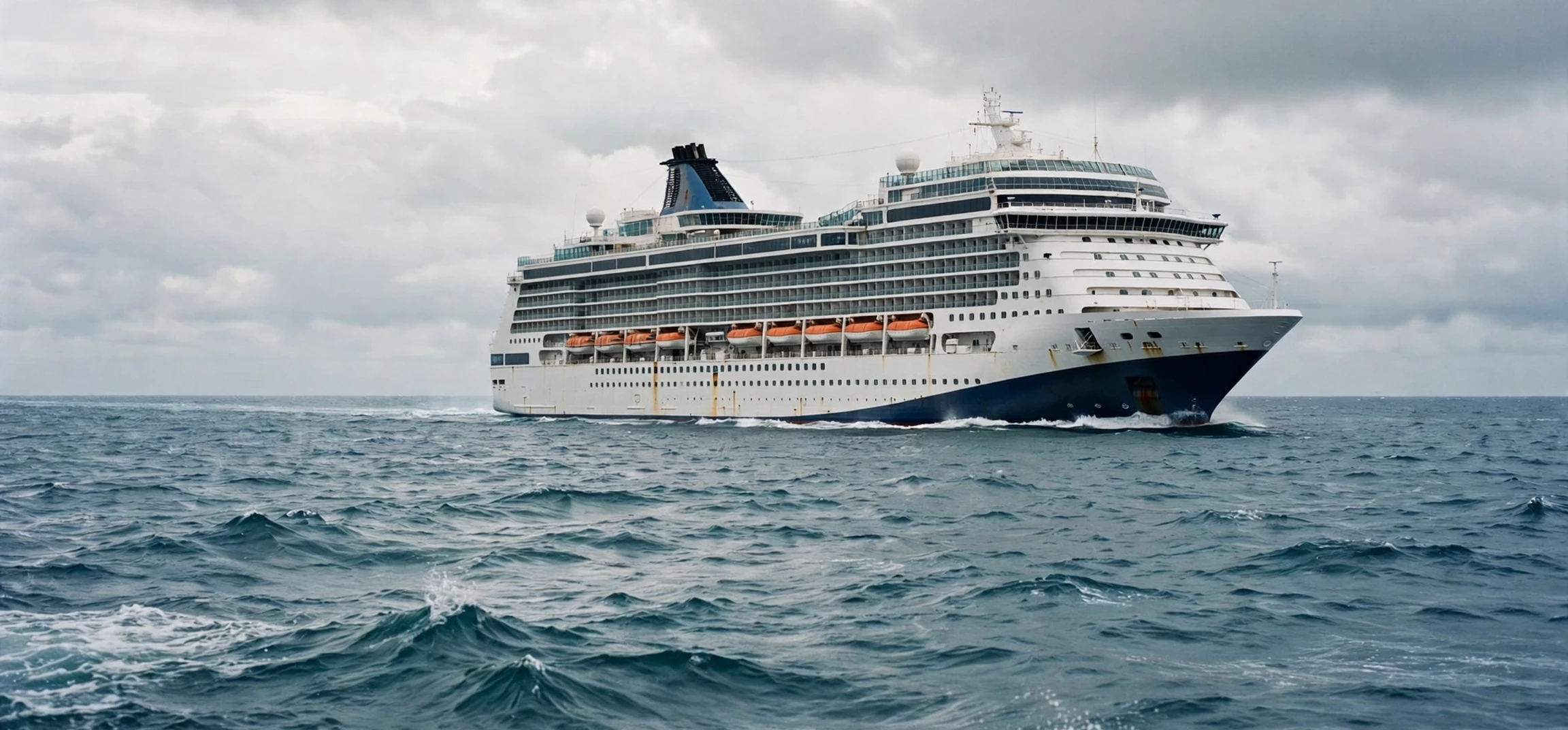
If you searched for cruise ships names, you are probably trying to match a half-remembered vessel to a holiday brochure, a news story, or a photograph of a giant white hull sliding out of port. Cruise ships names are more than labels painted on a bow: they carry the identity of the cruise line, hint at the size and style of the ship, and often honour places, people, or ideas. This guide explains how cruise ships names are chosen, lists some of the most famous examples from the past and present, and shows how naming traditions differ from one cruise line to another. You will not find prices or sailing schedules here, because those change constantly; instead, you will find the stories behind the names, which is what most searchers actually want.
Naming a cruise ship is a serious business decision. A name must work in many languages, look good on the side of a hull hundreds of metres long, and survive decades of marketing. Cruise lines therefore choose names that are easy to pronounce, hard to confuse with rivals, and rich in positive associations. Words linked to the sea, the sky, music, royalty, and exploration dominate the lists, which is why so many cruise ships names sound grand, romantic, or adventurous. A name that works well can become a brand in its own right, recognised by travellers who have never set foot on board.
How Cruise Ships Names Are Chosen
The process usually begins years before a ship enters service, while it is still under construction in a shipyard. Marketing teams, senior executives, and sometimes the public through naming competitions all play a part. Many lines keep a consistent theme across a whole class of ships, so that passengers can tell at a glance which family a vessel belongs to. Royal Caribbean, for example, has long favoured names ending in “of the Seas”, while Cunard has favoured royal and historic names such as Queen Mary 2 and Queen Elizabeth. These patterns help loyal passengers navigate a growing fleet, and they make cruise ships names feel like part of a larger story rather than isolated choices.
Tradition also matters. A new ship may inherit the name of a beloved older vessel, keeping its memory alive for a new generation of travellers. Other names honour the places a line sails to, the founders of the company, or figures from history and mythology. The naming ceremony itself, in which a godmother breaks a bottle against the hull, is a maritime ritual that stretches back centuries, and it underlines how seriously the industry takes the moment a name becomes official. Once a name is registered, it appears on tickets, charts, safety documents, and port schedules, so changing it later is rare and expensive.
Famous Cruise Ships Names Through History
Some cruise ships names have passed into general culture, recognised even by people who have never cruised. The Titanic is the most famous ocean liner of all, although strictly speaking she was a transatlantic liner rather than a modern cruise ship; her name still symbolises both the glamour and the risks of early twentieth-century sea travel. The Queen Elizabeth 2, known universally as QE2, served for almost forty years and became a symbol of British maritime style. The SS Norway, originally the France, was for many years one of the largest and most glamorous cruise ships afloat, while the SS Rotterdam and the SS Canberra are remembered fondly by generations of passengers.
In the modern era, the best-known cruise ships names belong to the giants of the industry. Oasis of the Seas and her sister ships, including Allure of the Seas, Symphony of the Seas, and Wonder of the Seas, redefined what a cruise ship could be, with neighbourhoods, parks, and entertainment venues on board. Harmony of the Seas and Utopia of the Seas continued that pattern. Meanwhile, smaller and more elegant names such as Silver Moon, Seabourn Ovation, and Azamara Quest appeal to travellers who prefer intimate ships and destination-focused voyages. The contrast shows how cruise ships names signal the kind of holiday on offer before a passenger ever reads a brochure.
Cruise Ships Names by Cruise Line
Each major cruise line has a recognisable naming style, and learning it helps you make sense of the lists you see online. The table below summarises the patterns of some of the best-known lines, with famous examples from each fleet.
| Cruise line | Naming pattern | Well-known examples |
|---|---|---|
| Royal Caribbean | Names ending in “of the Seas” | Oasis of the Seas, Symphony of the Seas, Icon of the Seas |
| Cunard | Royal and historic names | Queen Mary 2, Queen Victoria, Queen Anne |
| Disney Cruise Line | Magical, wishful words | Disney Dream, Disney Fantasy, Disney Wish |
| Princess Cruises | Royal, grand, and place-inspired names | Royal Princess, Sky Princess, Discovery Princess |
| Norwegian Cruise Line | Positive abstract words | Norwegian Joy, Norwegian Bliss, Norwegian Prima |
| MSC Cruises | Musical and Mediterranean words | MSC Seaview, MSC Virtuosa, MSC Euribia |
Smaller lines follow their own logic. Viking names its ocean ships after Norse and world-history themes, such as Viking Sea and Viking Sky, while expedition lines choose names that evoke exploration, such as National Geographic Endurance. River cruise lines often name vessels after composers, artists, or rivers themselves. Whatever the theme, the goal is the same: a name that is memorable, pronounceable in many languages, and consistent with the brand. When you browse cruise ships names online, spotting the pattern is often the fastest way to identify which company operates a ship you have seen in a photograph.
Why Cruise Ships Names Matter to Travellers
For passengers, a ship’s name is a practical tool. It distinguishes one vessel from her sister ships, which may look almost identical but differ in age, size, or onboard facilities. Two ships in the same class can offer quite different experiences, so knowing the exact name matters when you read reviews, compare cabins, or check which ports a voyage visits. Travel writers and forums almost always refer to ships by name rather than by class, which is why searches for cruise ships names are so common: people want to be sure they are reading about the right ship.
Names also carry emotional weight. Many passengers develop loyalty to a particular ship, returning to her again and again and following her movements around the world. A ship that carried a family on a honeymoon, a retirement celebration, or a once-in-a-lifetime voyage becomes part of their personal history. Cruise lines understand this, which is why farewell voyages for retiring ships attract devoted fans, and why the announcement of a new name is treated as a major news event. If you are planning a cruise, it is worth learning a little about the ship behind the name, including her size, age, and style, rather than judging by the itinerary alone.
Cruise Ships Names: Traditions and Ceremonies
Maritime naming traditions are among the oldest in travel. Ships have traditionally been referred to as “she”, a custom that survives in much cruise writing today, although modern style guides increasingly accept neutral language. The naming ceremony, sometimes called a christening, usually involves a celebrity godmother, a blessing, and the breaking of a bottle of champagne against the hull. Sailors once regarded the ceremony as essential for good luck, and a bottle that failed to break was considered a bad omen. Today the event is as much a media occasion as a ritual, but the symbolism remains: the name is formally given, and the ship begins her working life.
Renaming a ship is unusual but not unknown. When a vessel changes hands between companies, the new owner may rename her to fit its fleet, and the old name passes into history. Some ships have carried three or four names over long careers, which can confuse researchers tracing a vessel’s past. Maritime databases track these changes through a permanent hull number, so a ship can always be identified even after renaming. For travellers, the lesson is simple: if you cannot find a ship under the name you remember, search for her former names too, since she may still be sailing under a new identity. You can also explore related guides on this site, such as the story behind a famous pirate vessel in our Blackbeard ship name guide, and a broader look at the names of the seas themselves in our world oceans names guide.
Cruise Ships Names: Frequently Asked Questions
What is the largest cruise ship in the world?
The title changes as new ships enter service, and it depends on whether size is measured by gross tonnage, length, or passenger capacity. In recent years the largest vessels have belonged to Royal Caribbean’s Oasis and Icon classes, including Icon of the Seas and Wonder of the Seas. Because new ships are launched regularly, it is worth checking the latest fleet lists rather than relying on older articles.
Why do so many cruise ships names end in “of the Seas”?
That pattern is the signature of Royal Caribbean, which has used it for decades to create a consistent fleet identity. Other lines have their own signatures, such as Cunard’s royal names or Disney’s wishful words. The suffix is a branding choice, not a maritime rule, and most lines do not use it at all.
Can two cruise ships have the same name?
Two ships in service at the same time rarely share a name, because it would cause confusion in ports, bookings, and safety records. However, a new ship may reuse the name of a retired vessel, which is why history contains several ships called Queen Elizabeth or Rotterdam. Always check the year a ship entered service if you are researching an older name.
How can I identify a cruise ship from a photograph?
Start with the name on the bow or stern, then look at the funnel colours and logo, which identify the cruise line. The shape of the superstructure and the number of decks can narrow it down further, and maritime tracking websites and cruise forums are useful for confirming an identification.
Conclusion
Cruise ships names blend marketing, tradition, and storytelling into a few well-chosen words. From royal names on Cunard liners to the “of the Seas” family at Royal Caribbean and the wishful names of Disney ships, each choice tells you something about the company and the holiday it sells. Whether you are identifying a ship from a photograph, researching a future voyage, or simply curious about the giants you see leaving port, understanding how cruise ships names work makes the whole world of cruising easier to navigate. Keep this guide bookmarked, and the next time a famous name catches your eye, you will know exactly what kind of ship lies behind it.