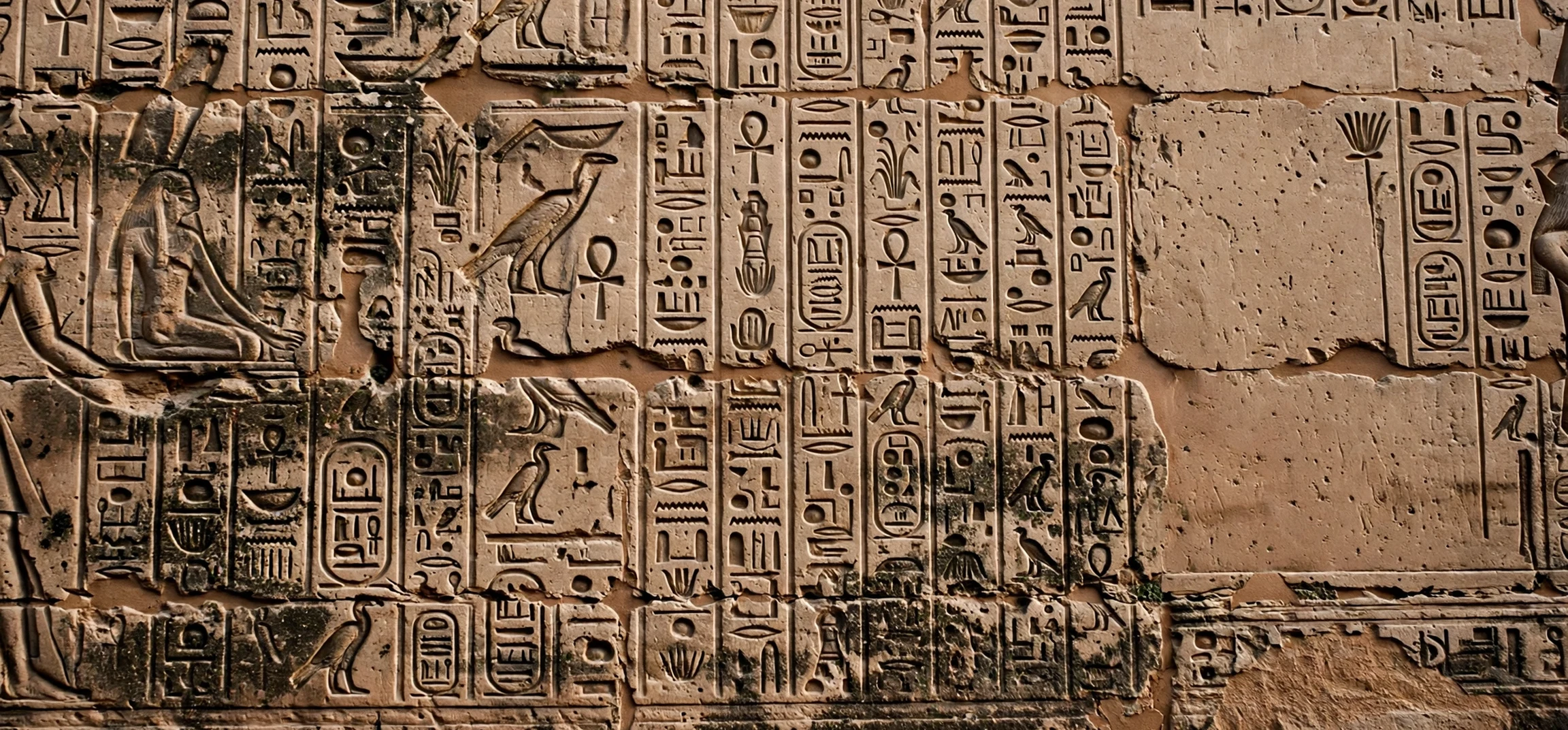
Egyptian princess names carry a magic that has lasted for thousands of years, because they combine beautiful sounds with powerful meanings drawn from gods, nature, and royal ideals. When people search for Egyptian princess names today, they are usually looking for inspiration for a story, a character, a baby name with historical roots, or simply a deeper understanding of ancient Egypt’s royal women. This guide gathers the most notable historical names of Egyptian princesses and royal women, explains what each name meant, and explores how ancient Egyptian naming worked. Every name here belongs to history, drawn from temples, tombs, and inscriptions that have survived for millennia, and each one opens a small window onto the world of the pharaohs.
Ancient Egypt lasted for more than three thousand years, and its royal families produced many princesses whose names we still know. Some were daughters of famous pharaohs, some became queens themselves, and some are remembered mainly through a single beautiful inscription or a tomb painting. Their names were not chosen casually, which is why Egyptian princess names repay a closer look: Egyptian names often contained the name of a god or goddess, a wish for beauty, life, or protection, or a statement about the child’s place in the royal family. Understanding those meanings makes the names far more than a list, and it is the best way to enjoy any collection of Egyptian princess names, because each one tells you something about what Egyptian royalty valued most.
Egyptian Princess Names and What They Meant
Egyptian royal names were built from meaningful parts, and recognising those parts helps you read any name in this guide. The element Nefer, for example, means beautiful or good, and it appears in Nefertiti, Nefertari, and Neferneferuaten. The element Ankhes means she lives, or living, and it appears in Ankhesenamun. The element Merit means beloved, as in Meritaten, beloved of Aten. Many names also honour a god or goddess: Amun, Aten, Hathor, Isis, and Mut all appear in royal names, linking the bearer to divine protection. A princess’s name was therefore a kind of blessing and a public statement at once, declaring beauty, divine favour, and royal belonging.
Names also changed over a lifetime, which surprises many modern readers. A royal woman might receive a new name on marriage, on becoming queen, or during a religious reform, when the gods honoured in names changed with official policy. The Amarna period is the clearest example: when Pharaoh Akhenaten promoted the god Aten, royal names were reshaped around Aten, and later, when traditional religion returned, names honouring Amun came back. A single historical figure can therefore appear under more than one name in different inscriptions, a complication that anyone collecting Egyptian princess names should know about, and historians piece together her identity from context, titles, and family relationships rather than from a name alone.
How Royal Names Were Written
Royal names were written in hieroglyphs, often enclosed in a cartouche, the oval ring that marked a royal name and protected it symbolically. The cartouche is one of the most recognisable symbols of ancient Egypt, and it helped early scholars identify royal names before they could read the rest of the script. Princesses’ names appear in cartouches on temple walls, tomb paintings, jewellery, and statues, sometimes alongside titles such as King’s Daughter, King’s Wife, or God’s Wife of Amun. Those titles are as informative as the names themselves, because they tell us the woman’s rank and role at the time the inscription was made.
Egyptian Princess Names: The Most Famous Royal Women
Nefertiti is perhaps the most famous of all Egyptian princess names, although she is best remembered as a queen rather than a princess, although she is best remembered as a queen rather than a princess. Her name means A Beautiful Woman Has Come, and her surviving bust in Berlin is one of the most recognised artworks in the world. She was the Great Royal Wife of Akhenaten during the Amarna period, and she played a prominent religious and political role. Whether she also ruled in her own right after Akhenaten is still debated by historians, but her name and image have become symbols of ancient Egyptian art and queenship, and she remains the first name many people think of when they picture an Egyptian royal woman.
Nefertari, whose name means Beautiful Companion, was the beloved Great Royal Wife of Ramesses II, one of Egypt’s longest-reigning and most prolific pharaohs. Her tomb in the Valley of the Queens is celebrated for its vivid, beautifully preserved paintings, which show her playing a board game, being led by goddesses, and making offerings. Ramesses II built a temple for her at Abu Simbel, an extraordinary honour, and his inscriptions describe his affection for her in unusually personal terms. Nefertari’s name has become a byword for royal love and beauty, and it remains a popular choice for those seeking Egyptian princess names with a romantic story with a romantic story.
Ankhesenamun, whose name means She Lives for Amun, was a daughter of Akhenaten and Nefertiti, and later the wife of the boy king Tutankhamun. Her life spans one of the most dramatic transitions in Egyptian history, from her father’s religious revolution to the restoration of traditional gods under her husband. Objects from Tutankhamun’s tomb show the young couple together in intimate, everyday scenes, which have made Ankhesenamun one of the most human and relatable figures of the period. Her name, with its reference to life and to Amun, reflects the restored religion of her later years, and it is one of the most meaningful Egyptian princess names in this guide, after her earlier name had honoured Aten.
Meritaten, meaning Beloved of Aten, was the eldest daughter of Akhenaten and Nefertiti, and she too lived through the Amarna revolution and its aftermath. She appears in Amarna art as a child and young woman, taking part in religious ceremonies alongside her parents. Her later life is less certain, and historians debate her roles and titles after the Amarna period, but her name remains a clear example of how royal names recorded religious policy. For modern readers, Meritaten is a beautiful name whose meaning captures a specific, fascinating moment, and it deserves its place among classic Egyptian princess names in Egyptian history.
More Egyptian Princess Names From History
Beyond the most famous figures, many other princesses deserve attention. Neferneferuaten, whose name repeats the beautiful element twice, was another daughter of Akhenaten and Nefertiti, and her name is also associated with a mysterious ruler of the late Amarna period, whose identity scholars still debate. Neferneferure, a younger sister, carries a similar name honouring the sun god Ra. Ankhesenpaaten, the earlier form of Ankhesenamun’s name, means She Lives for Aten, and it shows the same princess under her Amarna-period name. Setepenre, meaning Chosen of Ra, was the youngest daughter of Akhenaten and Nefertiti, completing a family group whose names together tell the story of a religious revolution.
From other dynasties, the Egyptian princess names are equally evocative. Henut, meaning Lady, appears among royal women of several periods, sometimes with additions honouring gods. Ahmose-Nefertari, of the early New Kingdom, was a powerful queen and the mother of Amenhotep I, and her name combines the moon god Iah, in the form Ahmose, with the beautiful element. Hatshepsut, meaning Foremost of Noble Ladies, began as a princess and became one of Egypt’s few female pharaohs, ruling for over twenty years and building the magnificent mortuary temple at Deir el-Bahari. Although she is remembered as a pharaoh, her story begins as a princess, and her name remains one of the most striking in Egyptian history.
Cleopatra is the name most people associate with Egypt, but she belongs to a much later period, the Ptolemaic dynasty founded after Alexander the Great’s conquest. Cleopatra VII, the last active ruler of ancient Egypt, was a Macedonian Greek queen who spoke Egyptian and presented herself in Egyptian royal style. Her name is Greek, meaning Glory of the Father, rather than Egyptian in origin, which is a useful reminder that Egypt’s royal names changed with its rulers. Other Ptolemaic princesses bore names such as Berenice, meaning Bringer of Victory, and Arsinoe, names that belong to Greek rather than Egyptian tradition but are part of Egypt’s long royal story.
| Name | Meaning | Known for |
|---|---|---|
| Nefertiti | A Beautiful Woman Has Come | Great Royal Wife of Akhenaten |
| Nefertari | Beautiful Companion | Beloved wife of Ramesses II |
| Ankhesenamun | She Lives for Amun | Daughter of Akhenaten, wife of Tutankhamun |
| Meritaten | Beloved of Aten | Eldest daughter of Akhenaten and Nefertiti |
| Neferneferuaten | Beautiful are the Beauties of Aten | Amarna princess and possible ruler |
| Hatshepsut | Foremost of Noble Ladies | Princess who became pharaoh |
| Ahmose-Nefertari | Born of Iah, Beautiful Companion | Powerful early New Kingdom queen |
| Cleopatra | Glory of the Father | Last active ruler of ancient Egypt |
For more historical name lists, see our guide to Egyptian pharaoh names and our collection of seven dwarfs names, which shows how name lists work across very different traditions.
Using Egyptian Princess Names Today
Many people use historical Egyptian names as inspiration for stories, characters, or baby names, and the Egyptian princess names in this guide suit those purposes well because their meanings are positive and their histories are rich. Nefertari and Meritaten work beautifully as character names in historical fiction, while shorter forms and variants can suit modern use. When choosing a historical name for a child, it is worth considering pronunciation in your own language, the spelling you prefer, and whether the historical story behind the name is one you are happy to explain for years to come. A name with a strong, well-documented history gives a child a story to grow into, not just a pleasant sound.
Writers using Egyptian princess names should also be aware of the difference between a historical name and a historically accurate character. Borrowing Nefertiti’s name for a fictional character is a creative choice, but presenting that character as the historical Nefertiti carries a responsibility to the known facts, and readers familiar with the period will notice errors. A safer approach for fiction is to use a lesser-known name, or a name built from authentic elements such as Nefer, Merit, or Ankhes, combined in a plausible way, while keeping famous figures for carefully researched portrayals. That approach honours the history while leaving room for invention.
Pronunciation Tips
Egyptian princess names can look intimidating, but most follow simple patterns once broken into parts. Nefertiti is usually pronounced nef-er-TEE-tee, Nefertari as nef-er-TAR-ee, and Ankhesenamun as ankh-es-en-AH-moon. Meritaten is mer-it-AH-ten, and Hatshepsut is hat-SHEP-soot. Breaking a name into its elements, Nefer, Merit, Ankhes, and the god’s name, makes both pronunciation and meaning easier to remember, and it helps you explain the name confidently to others. Listening to a museum guide or a documentary pronunciation can also help, because Egyptologists sometimes differ slightly in how they vocalise ancient names.
Frequently Asked Questions
What is the most famous Egyptian princess name?
Nefertiti and Nefertari are the most famous, although both are best remembered as queens. Among women remembered primarily as princesses, Ankhesenamun and Meritaten, daughters of Akhenaten and Nefertiti, are the best known.
What do Egyptian princess names usually mean?
They usually combine elements meaning beautiful, beloved, or living with the name of a god or goddess, such as Amun, Aten, or Ra, creating names that function as blessings and statements of royal and divine favour.
Was Cleopatra an Egyptian princess?
Cleopatra VII was a queen of Egypt from the Ptolemaic dynasty, which was Macedonian Greek in origin. Her name is Greek, not Egyptian, but she ruled Egypt, spoke its language, and presented herself in Egyptian royal style.
Can I use an Egyptian princess name for a baby?
Yes. Names such as Nefertari and Meritaten are used as inspiration today. Consider pronunciation, spelling, and the historical story behind the name, and choose a form you are comfortable explaining as the child grows up.
Conclusion
Egyptian princess names endure because they are more than pleasant sounds: they are blessings, prayers, and royal statements preserved in stone for thousands of years. From Nefertiti and Nefertari to Ankhesenamun, Meritaten, and Hatshepsut, these Egyptian princess names each carry a meaning rooted in beauty, divine favour, and family, and each belongs to a woman whose life shaped one of history’s greatest civilisations. Whether you are choosing a name, writing a story, or simply exploring ancient Egypt, these names offer a direct connection to the royal women of the Nile, and their beauty has lost none of its power across the centuries. Start with the meaning that speaks to you, learn the story behind it, and you will carry a small piece of ancient Egypt with you.