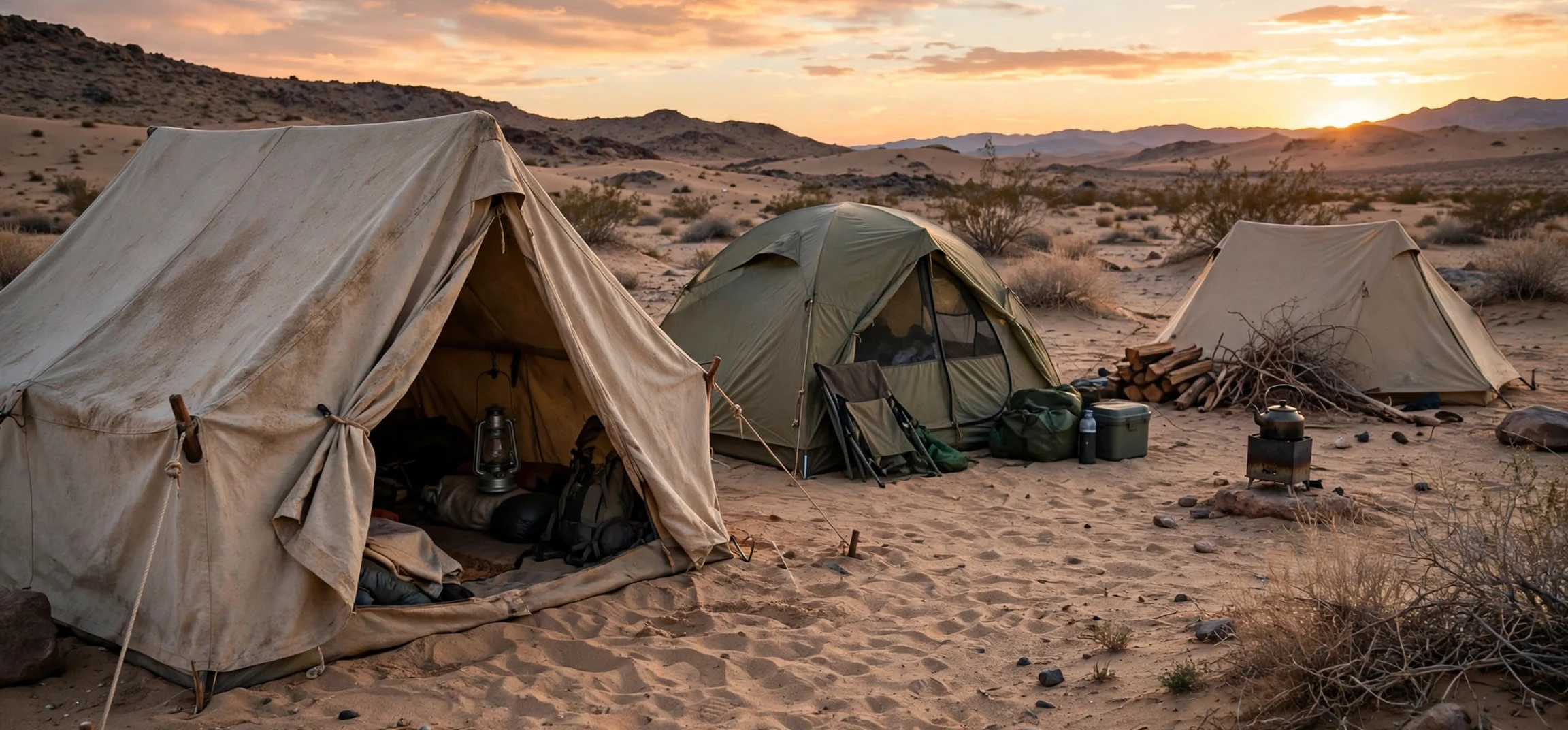
When people search for bedouins meaning, they are usually asking about a word with a long history, a living culture, and several modern uses. In simple terms, bedouins meaning refers to Arab peoples traditionally associated with desert life, movement, hospitality, and strong family and tribal bonds. The word is often used in English to describe nomadic or semi-nomadic communities of the deserts of the Middle East and North Africa, but it is important to remember that Bedouin identity is not a costume, a stereotype, or a thing of the past. Bedouin communities are diverse, modern, and rooted in real places, families, languages, and traditions that continue to change with time.
This guide explains bedouins meaning clearly and respectfully, covering the origin of the word, traditional desert life, social values, language and poetry, modern Bedouin life, and common misunderstandings. By the end, you should be able to use the term accurately and with care, whether you meet it in a history book, a travel article, a novel, or a conversation about culture.
Bedouins Meaning: Where the Word Comes From
The English word Bedouin comes from Arabic words connected to the desert, often rendered as badawī, meaning a desert dweller, with the plural badw. In Arabic, the related term badia refers to the desert or open countryside, as opposed to settled town life. That linguistic root is central to bedouins meaning, because it points to a way of life shaped by open land, seasonal movement, and knowledge of water, grazing, and weather rather than to a single place or a single group.
It is also useful to note the spelling. Bedouin is the common singular form in English, Bedouins is the plural, and Bedawi is sometimes used as an adjective. Writers may also use Beduin or Bedouin with slightly different spelling, but the meaning remains the same. When using the word, it is best to treat it as a name for peoples and communities, not as a vague label for anyone who lives in a desert.
Not One Single People
A common mistake is to imagine Bedouins as one uniform group. In reality, there are many Bedouin tribes and communities across a wide region, including parts of the Arabian Peninsula, Jordan, Syria, Iraq, Egypt, Libya, Algeria, and other areas of North Africa and the Levant. Each community has its own history, dialect, customs, and relationship to the land. Some groups have long histories of camel herding, others of sheep and goat herding, and others of trade, farming, or town life alongside desert traditions.
That diversity is why respectful writing avoids sweeping claims. Instead of saying that all Bedouins do one thing or believe one thing, it is more accurate to speak about particular communities, regions, and periods. Bedouin identity, like any cultural identity, is lived differently from family to family and from place to place.
Bedouins Meaning: Traditional Desert Life
Traditional Bedouin life was organised around movement and adaptation. Families and tribal groups moved with their herds to find grazing land and water, following seasonal patterns shaped by rainfall and terrain. Camels were especially important in many regions, because they could travel long distances, carry goods, and survive in harsh conditions. Sheep and goats provided milk, meat, wool, and trade goods, while knowledge of wells, oases, routes, and weather could mean the difference between comfort and hardship.
Homes were often tents made from woven goat hair or similar materials, designed to be carried, repaired, and adapted to heat, cold, and wind. These tents were not a sign of poverty alone; they were practical technology for a mobile life. Inside, space was organised for family life, cooking, rest, and receiving guests, with hospitality given a central place. A tent could be both a home and a social centre, and its layout reflected values of privacy, generosity, and respect.
Herding, Trade, and Knowledge of the Land
Herding was not simply wandering. It required deep knowledge: which plants animals could eat, where water could be found, how to read the sky, and how to negotiate access to grazing land with neighbouring groups. Trade was also important. Bedouin groups moved goods across regions, connected towns and oases, and took part in wider networks of exchange. That role as travellers and traders helped spread news, stories, goods, and ideas across desert routes.
Desert knowledge was passed down through experience, stories, and careful teaching. Elders taught younger people how to navigate by stars and landmarks, how to care for animals, and how to make decisions in uncertain conditions. This knowledge was practical, but it was also cultural, tied to poetry, proverbs, and a strong sense of place.
Bedouins Meaning: Family, Tribe, and Hospitality
Family and tribal belonging are central to bedouins meaning. Extended families often lived and worked together, and tribal ties provided protection, support, and identity. In a landscape where resources could be scarce and help could be far away, loyalty to family and community was practical as well as emotional. Disputes were often handled through negotiation, mediation, and respected customs rather than through formal courts alone, although modern life has changed how many of these practices work.
Hospitality is one of the best-known Bedouin values, and it deserves careful understanding. Offering food, drink, shelter, and protection to a guest was a serious duty, not a performance for visitors. Coffee, tea, dates, and a shared meal could signal welcome, respect, and trust. A guest was often protected during a stay, and hosts took pride in generosity even when resources were limited. Today, hospitality remains important in many Bedouin homes and communities, even as its forms have changed.
Honour, Generosity, and Mutual Obligation
Related values include honour, courage, generosity, and responsibility to others. These ideas are not unique to Bedouin culture, but they have particular expressions in desert life, where reputation and trust mattered greatly. A person known for keeping promises, protecting guests, and helping relatives in need earned respect that could benefit the whole family. At the same time, these values were lived in everyday choices, not only in dramatic stories: sharing food, caring for animals, and looking after elders and children all counted.
It is important to avoid romanticising these values into a simple image of noble desert life. Bedouin communities, like all communities, have faced conflict, hardship, change, and disagreement. Respectful writing recognises strength and complexity together, rather than turning people into symbols.
Language, Poetry, and Storytelling
Language is a vital part of Bedouin heritage. Many Bedouin communities speak Arabic dialects with distinctive sounds, words, and expressions shaped by region and history. Poetry has a special place in this heritage, with oral poems used to record history, praise generosity, remember journeys, express love, and comment on events. Skilled poets were respected, and poems could travel widely as they were remembered and retold.
Storytelling also carried knowledge and identity. Tales of journeys, ancestors, animals, and desert life taught lessons, entertained listeners, and preserved memory. Proverbs packed practical wisdom into short, memorable phrases, often about patience, generosity, or careful judgement. Today, poetry and storytelling continue alongside books, music, radio, television, and digital media, showing how traditions adapt rather than simply disappear.
Crafts, Clothing, and Everyday Skill
Bedouin material culture includes weaving, embroidery, jewellery, tent-making, and leatherwork, with styles varying by region and community. Weaving, in particular, has long been both practical and artistic, producing rugs, cushions, bags, and tent cloth with patterns that can carry family or regional meaning. Clothing has also varied, with garments adapted to climate, work, and social occasion, and with embroidery and jewellery often marking identity, celebration, or status.
These crafts are not only historical objects. Many artisans continue to practise, teach, and sell their work today, and museums and cultural centres help preserve techniques and designs. When buying or appreciating such work, it is respectful to value the skill behind it and to learn about the community and maker rather than treating the item as a generic desert souvenir.
Bedouins Meaning in Modern Life
Modern Bedouin life is diverse and dynamic. Many Bedouin people live in towns and cities, work in education, health, business, government, tourism, agriculture, and many other fields, and use modern technology in daily life. Others continue to herd animals, live partly in desert areas, or maintain strong links between town and desert. Some communities face challenges around land, housing, services, and recognition, and these issues vary greatly by country and region.
Education, migration, and media have all shaped contemporary identity. Young Bedouin people may study far from home, work in new professions, and speak several languages, while still valuing family, language, and heritage. That combination is normal: culture is not frozen in the past, and modern life does not erase identity. Understanding bedouins meaning today means recognising both continuity and change.
Tourism, Representation, and Respect
Tourism brings both opportunities and risks for Bedouin communities. Visitors may enjoy desert tours, meals, music, and crafts, and tourism can support local livelihoods. However, respectful tourism means following local guidance, asking before photographing people, avoiding intrusive behaviour, and recognising that a community is a home, not a theme park. Short visits cannot capture the full depth of a culture, and visitors should avoid expecting people to perform a stereotype.
Representation in books, films, and media also matters. Older portrayals sometimes reduced Bedouin people to exotic images or background figures, while newer work by Bedouin writers, filmmakers, and scholars offers fuller and more varied perspectives. Readers who want to learn more should seek voices from within Bedouin communities, alongside careful historical writing, rather than relying on a single romantic image.
Common Misunderstandings to Avoid
One misunderstanding is that Bedouin life has ended. It has not. Communities continue, adapt, and shape their own futures, even where traditional herding has declined. Another misunderstanding is that all desert dwellers are Bedouins. The deserts of the Middle East and North Africa are home to many peoples, and the term has a specific cultural and historical meaning that should not be applied loosely.
A third misunderstanding is that nomadic life means aimless wandering. Traditional movement was planned, knowledgeable, and tied to resources, family, and seasonal cycles. A fourth is that Bedouin culture is only about camels and tents. While those are important symbols, the culture also includes law, poetry, music, crafts, food, faith, family life, and modern professional life. Keeping these points in mind helps writers use the term accurately.
For related word-origin guides on this site, you may enjoy Anton name origin and Butler name origin, which show how names and words carry history in a similar way.
| Aspect | Traditional Association | Modern Reality |
|---|---|---|
| Home | Portable tents suited to movement | Tents, houses, and town homes, often combined |
| Livelihood | Herding, trade, and desert knowledge | Herding plus many modern professions |
| Social life | Extended family and tribal ties | Family ties alongside schools, work, and cities |
| Culture | Poetry, storytelling, weaving, hospitality | Living traditions plus books, media, and arts |
| Region | Deserts of the Middle East and North Africa | The same regions, with global diaspora links |
Bedouins Meaning: Using the Term Well
Understanding bedouins meaning also means using the term well in writing and conversation. The phrase bedouins meaning should point to real peoples and histories, not to a vague desert image. When writers keep bedouins meaning specific, they avoid stereotypes and give readers a clearer picture of family, language, and place.
A second point about bedouins meaning is that it works best alongside specific detail. Naming a region, a period, or a community makes bedouins meaning more accurate, because it reminds readers that there are many Bedouin groups with different histories. That specificity is a sign of respect, not of unnecessary complication.
Finally, bedouins meaning should always leave room for the present. Bedouin people live modern lives, make modern choices, and shape their own futures, so bedouins meaning is not a chapter that closed in the past. It is a living term for living communities.
Frequently Asked Questions
What is the simple definition of Bedouins?
In simple terms, bedouins meaning points to Arab desert peoples traditionally linked to nomadic or semi-nomadic life, herding, hospitality, and tribal community. The term covers many distinct groups, not one uniform people, and it remains a living identity today.
What does the word come from in Arabic?
The word is linked to Arabic terms for desert dwelling, with badawī meaning a desert dweller and badia referring to desert or open land. That origin explains why the term is tied to a way of life shaped by open country, movement, and knowledge of the land.
Do Bedouin communities still exist today?
Yes. Bedouin communities continue in many countries, in towns, cities, and desert areas, working in a wide range of professions while maintaining family, language, and cultural traditions. Modern life and Bedouin identity exist together, not in opposition.
How should I use the word respectfully?
Use it for the peoples and communities it actually describes, avoid stereotypes, and prefer specific names for particular tribes or regions when you know them. Treat Bedouin people as contemporary individuals with varied lives, not as symbols of the past.
Conclusion
To sum up bedouins meaning, the word describes Arab peoples with deep roots in desert life, movement, herding, trade, hospitality, and strong family bonds, while also naming living communities that continue to adapt in the modern world. Its Arabic roots point to the desert, but its full meaning includes language, poetry, crafts, social values, and diverse regional histories. Used carefully, the term honours a rich and varied heritage. Used loosely, it risks turning real people into a stereotype. The respectful approach is simple: learn the history, recognise the diversity, listen to Bedouin voices, and remember that behind the word are families, communities, and contemporary lives.