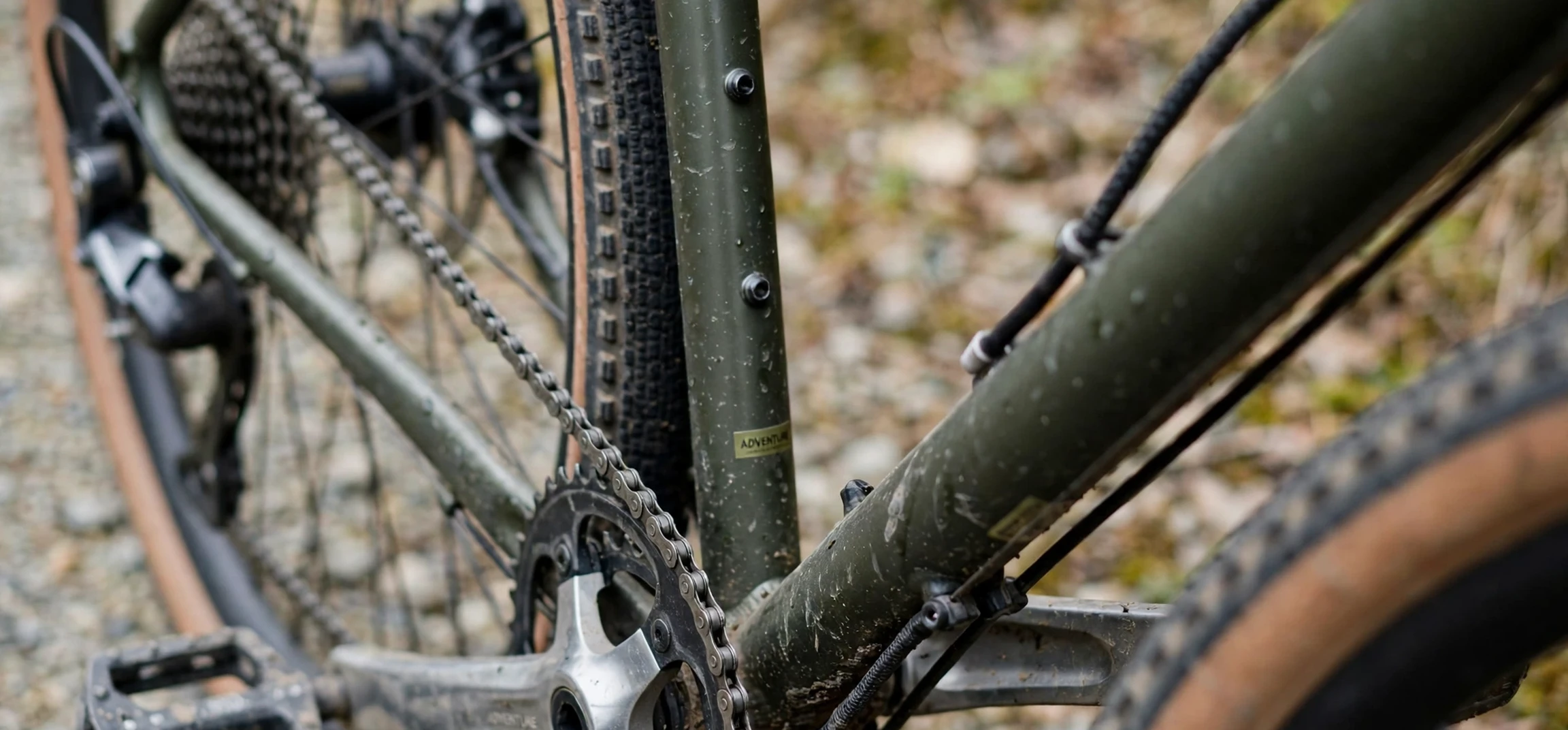
A list of bike parts is the fastest way to learn the names of everything on a bicycle, whether you are buying your first bike, describing a problem to a repair shop, or studying for a cycling test. The phrase “list of bike parts” covers the frame, wheels, drivetrain, brakes, and cockpit, and each group contains several smaller parts with their own names. This guide walks through the whole bicycle from front to back, explains what each part does, and notes which parts wear out fastest.
The List of Bike Parts Starts With the Frame
The frame is the skeleton of the bicycle, and its main tubes have names worth learning. The top tube runs horizontally from the seat to the handlebars, the down tube runs from the head tube down to the bottom bracket, and the seat tube holds the seat post. The head tube, at the front, holds the fork and handlebar assembly, while the chain stays and seat stays connect the rear wheel to the rest of the frame. Together these tubes determine the bike’s size, stiffness, and ride feel, and frame material, usually aluminium, steel, or carbon fibre, affects weight and cost.
Attached to the frame are several parts that riders adjust regularly. The seat post slides into the seat tube and holds the saddle, and its height is one of the most important adjustments on any bike. The fork, which holds the front wheel, may be rigid or fitted with suspension on mountain bikes. The bottom bracket, hidden inside the frame where the cranks meet, contains the bearings that let the pedals turn smoothly, and it is a part that eventually wears and needs replacement.
Wheels, Tyres, and Brakes in the List of Bike Parts
Each wheel has a rim, spokes, a hub, and a tyre, and each of those parts has its own job. The rim is the metal ring that the tyre sits on, the spokes connect the rim to the hub, and the hub contains bearings that let the wheel spin freely around the axle. Tyres come in many widths and tread patterns: narrow, smooth tyres suit road riding, while wide, knobbly tyres suit trails. Inner tubes hold the air in most tyres, although many modern wheels use tubeless tyres that seal directly against the rim.
Brakes stop the bike, and the two common types are rim brakes, which squeeze the rim, and disc brakes, which squeeze a rotor attached to the hub. Disc brakes perform more consistently in wet weather and are now standard on most new bikes, while rim brakes remain lighter and simpler to maintain. Brake levers on the handlebars operate the brakes through cables or hydraulic fluid, and brake pads are consumable parts that wear down and need periodic replacement. Knowing these names makes it far easier to describe a fault: “my rear disc brake squeals” is much more useful than “my bike makes a noise.”
The Drivetrain: Chain, Gears, and Pedals
The drivetrain is the system that turns pedalling into motion, and it includes the chainring, chain, cassette, derailleurs, and shifters. The chainring is the large toothed ring attached to the cranks, the chain carries power to the rear cassette, which is the cluster of sprockets on the rear wheel, and the derailleurs move the chain between gears. Shifters on the handlebars control the derailleurs, letting the rider choose easier gears for hills and harder gears for speed. The cranks connect the pedals to the chainring, and the pedals themselves may be flat platforms or clip-in designs that attach to special shoes.
Drivetrain parts wear faster than almost anything else on a bike, because the chain stretches slightly with use and then wears the cassette and chainring. Regular cleaning and lubrication extend their life, and replacing a chain before it is badly worn can save the cost of a new cassette. A chain tool, a cassette lockring tool, and a basic understanding of gear indexing are enough for most home maintenance, though a repair shop can handle the rest. Other practical guides include how to write an address for mailing and direct mail advertising guide for the workshop wall.
List of Bike Parts: Cockpit, Contact Points, and Extras
The cockpit is the rider’s control centre: the handlebar, stem, grips, and shifters. The stem connects the handlebar to the fork’s steerer tube, and its length affects reach and handling. Grips or bar tape cover the handlebar where the hands rest, and their comfort matters greatly on long rides. Saddles vary widely in shape, and the right one depends on riding position and personal preference rather than price alone.
Beyond the essentials, many bikes carry extras: mudguards to keep spray off the rider, a rack or panniers for luggage, lights for visibility, a bell, and a bottle cage for a water bottle. Electric bikes add a motor, a battery, and a controller, while children’s bikes may add stabilisers or a chainguard. Whatever the bike, learning the parts list pays off: it makes shopping, maintenance, and conversations with repair shops simpler, and it turns a mysterious machine into a set of understandable systems.
| Group | Key parts |
|---|---|
| Frame | Top tube, down tube, seat tube, head tube, stays, fork, seat post, saddle |
| Wheels | Rim, spokes, hub, tyre, inner tube or tubeless valve |
| Drivetrain | Chainring, chain, cassette, derailleurs, shifters, cranks, pedals |
| Brakes | Levers, callipers or pads, rotors for disc brakes |
| Cockpit | Handlebar, stem, grips or bar tape |
List of Bike Parts: A Simple Maintenance Schedule
A weekly check keeps most problems small. Before a ride, squeeze the brakes to confirm they grip firmly, spin each wheel to check it runs true without rubbing, and press the tyres to confirm they feel firm. Look at the chain: it should be lightly oiled and free of heavy grime, and the gears should shift cleanly through their range. This two-minute routine catches loose bolts, soft tyres, and worn brake pads before they become failures on the road.
Monthly maintenance goes deeper. Clean the chain and drivetrain with a rag and suitable cleaner, then lubricate the chain and wipe off excess oil, which attracts dirt if left thick. Check tyre tread and sidewalls for cuts, check brake pad thickness, and inspect cables for fraying, since a frayed cable can snap without warning. Tighten any loose bolts to the manufacturer’s recommended torque where specified, particularly on the stem, seat post, and wheels.
Chain wear deserves its own note, because it is the most cost-effective maintenance on any bike. A chain checker tool measures stretch cheaply, and replacing a chain at the recommended wear point protects the cassette and chainring, which cost far more. Riders who ignore chain wear often face a bill for a full drivetrain replacement, while riders who replace chains on time may use several chains on one cassette. Keeping a simple log of mileage and chain changes makes this easy to track.
Seasonal checks complete the schedule. Once or twice a year, inspect the frame for cracks, check wheel bearings and bottom bracket bearings for roughness, and assess whether tyres, grips, or saddle need replacement. Suspension forks and seat posts need periodic servicing according to the manufacturer’s guidance, and hydraulic brakes need bleeding when levers feel soft. A professional service once a year is a sensible investment for most riders, catching issues that home checks miss and keeping the bike safe and efficient.
List of Bike Parts: Tools for Home Repairs
A basic home toolkit covers most routine bike maintenance and pays for itself quickly. The essentials include tyre levers, a pump, a puncture repair kit or spare tube, a set of Allen keys, a chain tool, and a screwdriver, with a torque wrench added for carbon fibre parts where overtightening can cause damage. A work stand makes jobs far easier, though a bike can be flipped upside down for many tasks. Buying tools gradually, as jobs require them, keeps costs down while building a useful collection.
Knowing which tool fits which part is part of learning the parts list. Allen keys adjust most bolts, a cassette lockring tool removes the rear cassette, a bottom bracket tool fits the bottom bracket, and spoke keys true wheels. Each tool corresponds to a part name, so learning parts and tools together reinforces both. Repair videos and manuals are widely available, but they assume the viewer knows the part names, which is another reason this guide’s vocabulary matters for practical cycling.
Frequently Asked Questions
What are the main groups of bike parts?
Frame, wheels, drivetrain, brakes, and cockpit are the five main groups, with accessories such as lights and racks added as needed.
Which bike parts wear out fastest?
Chains, brake pads, and tyres wear fastest, followed by cassettes and cables, so check them regularly.
What is the difference between a cassette and a freewheel?
Both are rear gear clusters, but a cassette slides onto a freehub body while a freewheel threads onto the hub; cassettes are standard on most modern bikes.
How often should I oil my bike chain?
After wet rides and roughly every 100 to 200 miles in dry conditions, wiping off excess oil each time.
What tyre pressure should I use?
Check the range printed on the tyre sidewall and the bike manufacturer’s guidance, adjusting within that range for rider weight and conditions.
Conclusion
The full list of bike parts breaks down into frame, wheels, drivetrain, brakes, and cockpit, each with parts that have clear names and jobs. Learn those names, and you will be able to buy, maintain, and talk about any bicycle with confidence. A little regular attention keeps every part on the list working well, and it is far cheaper than repairing neglect.



