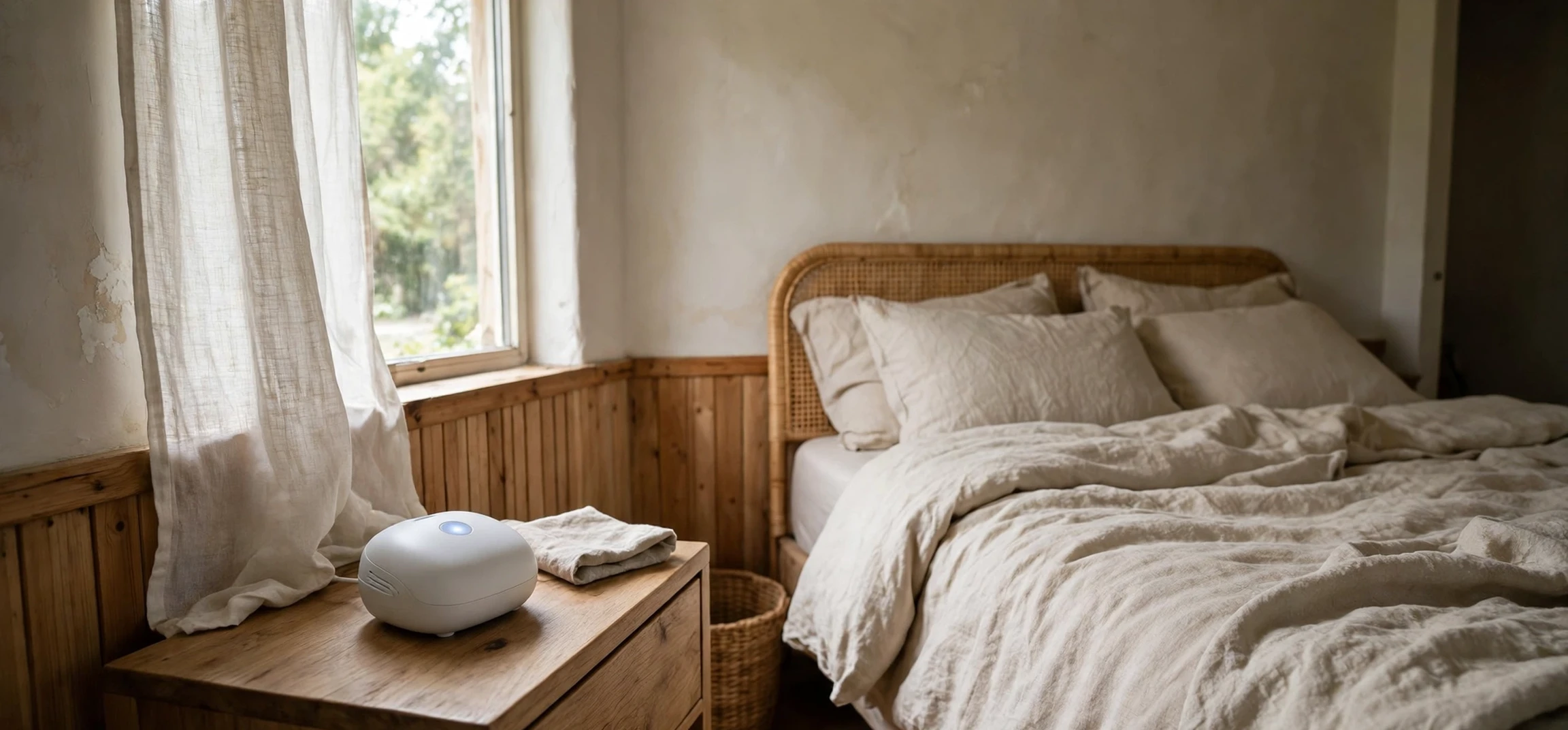
To define CPAP in the simplest terms: CPAP stands for continuous positive airway pressure. It is the name of a type of therapy, and also the name of the machine used to deliver it, in which a device gently blows air through a mask worn during sleep to help keep the upper airway open. The word continuous refers to the steady stream of air, positive refers to the air pressure being slightly above normal room pressure, and airway pressure describes where that pressure is applied. This article explains what CPAP means, how the equipment fits together, what using it generally involves, and where its limits lie, in plain language and for general education only.
CPAP is most often discussed in connection with sleep-related breathing conditions, particularly obstructive sleep apnoea, a condition in which the airway narrows or closes repeatedly during sleep. It is important to be clear from the start about what this article is and is not. It is a general explainer of a term you may have heard from a clinician, a news story, or a family member. It is not a diagnosis, a treatment recommendation, or a substitute for medical advice. If you think you may have a sleep-related breathing problem, or if you already use CPAP and have questions about your own care, the right step is to speak with a qualified clinician who can assess your individual situation.
Define CPAP: The Full Meaning of the Letters
When you define CPAP letter by letter, each word adds a piece of the picture. Continuous means the airflow does not switch on and off with each breath in the basic form of the therapy; it runs steadily through the night. Positive means the air is delivered at a pressure above the surrounding air, creating a gentle splinting effect inside the airway. Airway refers to the passage through the nose, mouth, and throat through which air reaches the lungs. Pressure is the force of that airflow, measured in small units and set for each person by a clinician. Put together, the term describes a steady, slightly pressurised stream of air used to support an airway that would otherwise tend to narrow during sleep.
That splinting idea is worth pausing on, because it explains why air, of all things, is the treatment. During sleep, the muscles of the throat naturally relax. In some people, that relaxation lets the airway narrow or close, interrupting breathing for short periods. A steady stream of pressurised air acts like an invisible support, holding the passage open so breathing can continue more smoothly. The machine does not breathe for the person; it supports the person’s own breathing by keeping the route clear.
CPAP, APAP, and BiPAP: related terms
You may also meet two related abbreviations. APAP stands for auto-titrating positive airway pressure, where the machine adjusts its pressure within a range during the night in response to detected changes. BiPAP, or bilevel positive airway pressure, delivers one pressure for breathing in and a lower pressure for breathing out. These are variations on the same broad idea, using pressurised air to support the airway, but they work differently and are used in different situations. Which, if any, is appropriate for a particular person is a clinical decision, not something to choose from a general article.
How CPAP Equipment Fits Together
A typical CPAP setup has four main parts. The machine itself is a small bedside unit containing a fan that generates the airflow and controls that set and monitor the pressure. A humidifier, often built into the same unit or attached to it, may add moisture to the air to reduce dryness. A tube carries the air from the machine to the mask. The mask, which sits over the nose, or over the nose and mouth, delivers the air to the airway and is held in place by straps. Filters in the machine help keep the airflow clean, and most machines record basic usage data that a clinician can review at follow-up appointments.
Masks come in several styles, because faces differ and comfort matters a great deal for a device worn all night. Nasal masks cover the nose only. Nasal pillow masks sit gently at the nostrils. Full-face masks cover both the nose and mouth and are sometimes used by people who breathe through their mouth during sleep. Finding a mask that seals well without causing discomfort often takes some trial and adjustment, and clinicians and equipment suppliers generally expect a fitting process rather than a single perfect choice on the first night.
What a night with CPAP generally involves
In general terms, a person using CPAP puts on the mask at bedtime, switches the machine on, and sleeps while the machine delivers its steady airflow. Many machines start at a lower pressure and rise gradually to the prescribed level, a feature designed to make falling asleep more comfortable. In the morning, the mask is removed, and the equipment is cleaned according to the manufacturer’s guidance. That routine sounds simple, and for many users it becomes second nature, but the first weeks can involve adjustment: getting used to the sensation of pressurised air, finding a comfortable sleeping position with the mask and tube, and dealing with minor issues such as dryness or mask marks. Suppliers and clinicians usually offer practical tips for this settling-in period.
Why a Clinician Might Discuss CPAP
CPAP is most commonly associated with obstructive sleep apnoea, in which repeated airway narrowing during sleep fragments rest and can lower blood oxygen levels for brief periods. People with untreated sleep apnoea often report loud snoring, waking feeling unrefreshed, daytime sleepiness, morning headaches, or difficulty concentrating, though symptoms vary widely and none of these signs on its own proves a diagnosis. A clinician who suspects a sleep-related breathing condition will usually arrange a sleep assessment, which may involve an overnight study or a home-based test, before discussing any therapy at all.
It is worth stressing that CPAP is not a general sleep aid and is not something to try on the basis of a symptom checklist. It is a prescribed therapy, with a pressure level set for the individual, and its benefits and suitability depend on a proper assessment. Other sleep problems have different causes and different treatments, and a device designed for one condition will not help another. That is why every responsible explainer of CPAP, including this one, points back to clinical assessment rather than self-selection.
| Part | Role | Common note |
|---|---|---|
| Machine | Generates and controls the pressurised airflow | Small bedside unit with adjustable settings |
| Humidifier | Adds moisture to the airflow | Often built in; helps reduce dryness |
| Tube | Carries air from machine to mask | Needs regular cleaning and occasional replacement |
| Mask | Delivers air to the nose or nose and mouth | Several styles; fit affects comfort and seal |
Define CPAP: Benefits, Limitations, and Common Questions
When CPAP is appropriately prescribed and used consistently, many people report better-quality sleep and less daytime sleepiness, because their breathing is interrupted less often through the night. Partners sometimes notice quieter nights as well. Those outcomes depend heavily on regular use: a device that sits unused in a cupboard cannot help, and clinicians often talk about adherence, meaning how many hours a night and how many nights a week the device is actually used, as a key part of follow-up. Data recorded by the machine helps the clinician and the user see that pattern honestly and work on any barriers.
CPAP also has limitations that are worth understanding. It manages the airway during sleep; it does not cure the underlying tendency for the airway to narrow, so stopping use generally means the previous pattern returns. Some people find the mask uncomfortable, experience dry mouth or nasal congestion, or struggle with the sensation of air pressure, and those issues are real reasons to seek a review rather than to abandon the therapy silently. There are also situations in which CPAP is not the right approach, which is again why individual assessment matters. No general article can weigh those trade-offs for a particular person.
For background on other medical abbreviations you may meet in health writing, see our explainer of what AMA means in a medical context, and for another health-measurement term explained in plain language, see our guide to what osteopenia means. Both are general education pieces, not medical advice.
Frequently Asked Questions About CPAP
Is CPAP the same as oxygen therapy?
No. CPAP delivers pressurised room air to keep the airway open. Oxygen therapy delivers extra oxygen, which is a different treatment for different situations, although the two are occasionally combined under clinical direction. Do not confuse one with the other.
Does the machine breathe for you?
No. The machine supports your own breathing by holding the airway open with steady air pressure. You continue to breathe on your own throughout the night; the device simply makes each breath’s pathway clearer.
Can anyone buy and use a CPAP machine?
CPAP is a prescribed therapy with individually set pressure levels. It should only be used after clinical assessment and with settings chosen by a clinician. Using someone else’s device or settings is not advisable, because pressure needs differ between people.
What if CPAP feels uncomfortable at first?
An adjustment period is common. Mask fit, sleeping position, humidity settings, and the gradual pressure rise at the start of the night can all affect comfort. Raise difficulties with your clinician or equipment supplier, who can often adjust the setup, rather than stopping without discussion.
Conclusion
To define CPAP once more, in a single sentence: it is continuous positive airway pressure, a therapy in which a bedside machine delivers a steady stream of slightly pressurised air through a mask during sleep to help keep the upper airway open. The letters describe the method, the equipment describes how it is delivered, and the clinical context describes when it is considered. If this article has answered your question about the term, it has done its job. If it has raised a question about your own sleep or breathing, the next step is not a purchase or a self-test but a conversation with a qualified clinician, who can assess you properly and explain what, if anything, is appropriate for you. That prompt is not a formality; it is the most important sentence in a general health explainer like this one.



