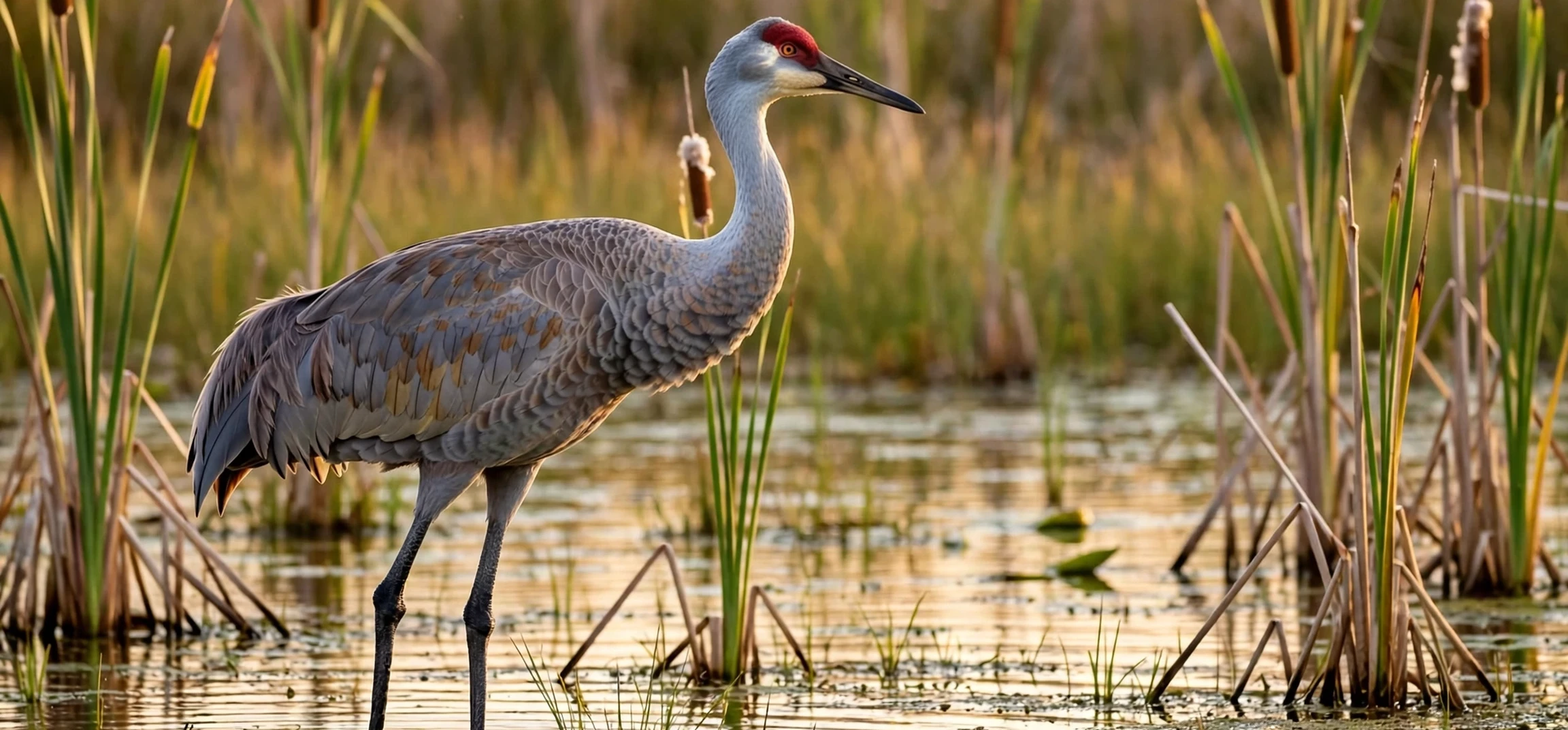
The meaning of crane bird has fascinated people for thousands of years, because cranes are tall, graceful, long-lived birds whose calls and dances seem almost deliberate to human observers. Across continents, cranes appear in stories, paintings, poems, and ceremonies, often standing for long life, good fortune, peace, or loyalty. This guide explores the meaning of crane bird in nature, culture, and everyday language, explaining what cranes actually do in the wild and why so many societies have given them such positive and hopeful associations. It also looks at how the symbolism differs between regions, so readers can appreciate both the shared themes and the local details.
The crane in nature: meaning of crane bird and real behaviour
To understand the meaning of crane bird, it helps to start with the bird itself. Cranes are large wading birds with long legs, long necks, and broad wings, and they live in wetlands, grasslands, and shallow water across Asia, Africa, Australia, Europe, and North America. Many crane species migrate over long distances, returning to the same breeding grounds each year, and pairs often stay together for many seasons. Their loud, carrying calls can be heard over long distances, and their elaborate dances, which include bowing, leaping, and wing movements, are part of courtship and social bonding. These real behaviours help explain why human observers have long associated cranes with faithfulness, endurance, and celebration.
The meaning of crane bird is also shaped by the bird’s long lifespan. Some cranes live for decades in the wild, which is unusual for birds of their size, and that longevity naturally suggests wisdom, patience, and good fortune in human stories. Their seasonal return also makes them a sign of spring and renewal in many northern regions, because their arrival marks a change in the year that farmers and travellers could recognise. When people watched cranes fly in formation, feed calmly in wetlands, and care for their young, they saw qualities they admired, and those observations became the foundation for symbolism that still appears in art and literature today.
Cranes in East Asian culture: meaning of crane bird in Japan and China
In Japan and China, the meaning of crane bird is especially rich and positive. In Japanese culture, the red-crowned crane is linked with long life, happiness, and good luck, and it appears on wedding decorations, New Year cards, and traditional textiles. The famous practice of folding one thousand paper cranes is connected with wishes for health, recovery, and peace, and it has become known around the world as a symbol of hope. In Chinese culture, cranes are also associated with longevity and wisdom, and they often appear alongside pine trees and other long-lived natural symbols in painting and poetry, reinforcing the idea of a long and virtuous life.
These associations did not arise by chance. They grew from careful observation of cranes over centuries, combined with stories that passed from one generation to the next. A bird that returns each year, lives a long life, and moves with grace is an easy and natural emblem for endurance and good fortune. In both Japan and China, cranes also appear in legends about wise figures and heavenly journeys, which adds a spiritual layer to the meaning of crane bird. Readers who explore symbol meanings across cultures will see a similar pattern, where a natural image gains deeper cultural meaning through repeated use in stories, art, and ceremony.
Cranes in other traditions: meaning of crane bird around the world
Beyond East Asia, the meaning of crane bird takes different but often related forms. In parts of Europe, cranes were linked with vigilance, because stories described them holding a stone while standing guard, so that dropping the stone would wake them if they fell asleep. In some African traditions, the crowned crane is a national symbol and a sign of beauty, pride, and natural heritage. In Indigenous cultures of North America, cranes appear in stories about creation, migration, and the changing seasons, reflecting close knowledge of wetland life. In each case, local observation shaped the symbolism, which is why the crane can mean watchfulness in one place and celebration in another without contradiction.
Modern writers and artists continue to draw on the meaning of crane bird for similar reasons. A crane in a poem or a film often signals a turning point, a journey, or a hope for peace, because audiences already carry those associations, even if they cannot name their source. Conservation stories also use cranes as ambassadors for wetlands, since protecting crane habitat helps many other species that share the same water and grassland. In this way, the symbolism of the crane is not only historical. It supports present-day efforts to value wetlands, to notice seasonal change, and to keep a connection between human culture and the natural world, a theme explored further in symbolism in traditional stories.
Crane symbolism in art, tattoos, and everyday language
In art, the meaning of crane bird is often shown through simple, elegant lines that capture the bird’s long neck, outstretched wings, and balanced stance. Paintings may place a crane beside water, in flight, or among reeds, and each setting adds a shade of meaning, from calm reflection to joyful movement. In tattoo art and jewellery, cranes are chosen for their association with long life, loyalty, and personal growth, and the design often includes elements such as waves, clouds, or flowers that reinforce the chosen theme. These modern uses show that ancient symbolism can remain personal and flexible, adapting to individual stories while keeping its core associations.
In everyday language, crane imagery appears less often than in visual art, but it still carries weight when it does appear. Describing a person as crane-like might suggest grace, patience, or quiet dignity, while a reference to a crane’s dance might suggest celebration or partnership. Writers use such images sparingly, because their power comes from recognition rather than repetition. The meaning of crane bird therefore works best when it is connected to a clear context, such as a story about migration, a reflection on long life, or a discussion of wetland conservation, rather than being used as a vague decoration. Guides such as bird and animal symbolism guides show how animal symbols gain meaning when they are tied to real behaviour and cultural history.
Seeing cranes responsibly and supporting conservation
For readers who want to see cranes in real life, the meaning of crane bird becomes even more vivid when it is grounded in responsible observation. Many cranes are best watched from a distance, with binoculars, at wetlands and nature reserves where guides explain seasonal patterns and viewing rules. Keeping noise low, staying on paths, and avoiding disturbance during breeding season all help protect the birds and their habitat. Local wildlife organisations often run crane festivals, guided walks, and counts that welcome beginners, and these events are a good way to learn identification, calls, and behaviour from experienced observers.
Conservation is an important part of the modern meaning of crane bird, because several crane species face pressure from habitat loss, changes in water use, and disturbance. Protecting wetlands, supporting reserve work, and learning about migration routes all contribute to crane survival, and each action also benefits other wetland wildlife. Readers can support these efforts by visiting reserves respectfully, donating to recognised conservation groups, and sharing accurate information about cranes rather than myths that encourage disturbance. In this sense, understanding the crane is not only a cultural exercise. It is a practical invitation to notice, value, and protect a remarkable bird that has inspired people for centuries.
Common questions about crane symbolism
People often ask whether the meaning of crane bird is always positive, and the answer is largely yes, although the emphasis changes by culture. Long life and good fortune are the most common themes, followed by loyalty, peace, vigilance, and wisdom. A few stories include warnings or trickery, but those are less common and usually depend on a specific local tale rather than on a general view of cranes. When interpreting a crane in a particular artwork or story, it is therefore wise to consider the culture and period involved, rather than assuming a single universal meaning that fits every case.
Another common question concerns the difference between cranes, herons, and storks, which can look similar at a glance. Cranes fly with their necks outstretched, while herons usually fly with their necks folded back, and storks have different bills, nesting habits, and calls. Learning these distinctions helps readers identify birds correctly in the field and avoids confusion when reading about symbolism, since each bird carries its own set of cultural associations. Field guides, reserve staff, and local bird groups can all help beginners build confidence, and that practical knowledge deepens appreciation of the meaning of crane bird far beyond a simple list of meanings.
Crane Meanings at a Glance
| Region or context | Common association | Why it fits |
|---|---|---|
| Japan | Long life and good luck | Long-lived bird, wedding and New Year symbol |
| China | Longevity and wisdom | Appears with pine and other long-lived symbols |
| Europe | Vigilance and watchfulness | Stories of cranes standing guard |
| Africa | Beauty and national pride | Crowned crane as a celebrated emblem |
| Modern conservation | Wetland health and hope | Protecting cranes protects shared habitat |
Frequently Asked Questions
What is the main meaning of crane bird?
The most common meaning of crane bird is long life, good fortune, and loyalty, although vigilance, peace, and wisdom are also important in different traditions.
Why are cranes linked with long life?
Cranes live for many years, return to the same places each season, and move with grace, so observers naturally linked them with endurance and longevity.
Are cranes and herons the same?
No. Cranes fly with necks outstretched, while herons fly with necks folded, and the two groups have different behaviour and cultural associations.
How can I see cranes safely?
Visit wetlands and reserves, watch from a distance, follow local guidance, and avoid disturbance during breeding season.
Conclusion
In short, the meaning of crane bird brings together natural observation and cultural imagination. A tall, long-lived, migrating bird that dances, calls, and returns each year has given many societies a ready symbol for long life, loyalty, peace, and good fortune, with local variations that reflect different landscapes and stories.
Whether you meet cranes in art, in literature, or in a wetland at dawn, their meaning is richest when it stays close to the real bird. Notice their grace, respect their habitat, and remember the long history of admiration they have inspired, and the crane will remain what it has long been: a hopeful and enduring sign of life in balance with nature.



