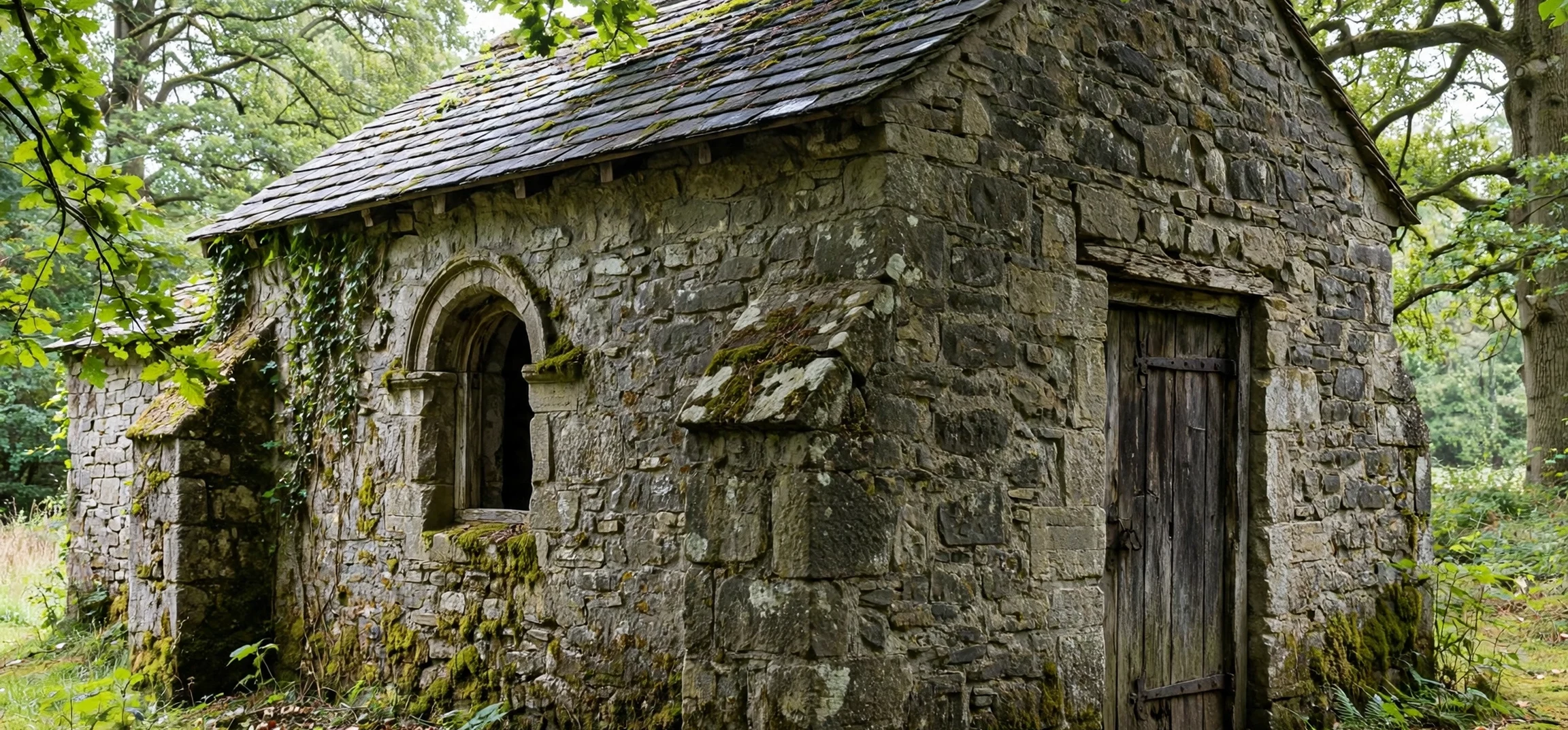
The word deconsecrated meaning is a question that comes up most often in reading about churches, historic buildings, and heritage law, and it has a precise answer: something that has been deconsecrated has been formally removed from sacred or religious use. When a church is deconsecrated, it is no longer a consecrated place of worship, even if the building itself still stands. Understanding deconsecrated meaning therefore means understanding two ideas at once: what consecration is, and what happens when that status is formally taken away.
Consecration is the act by which a building, object, or place is dedicated to sacred purposes, usually through a religious ceremony. A consecrated church is set apart for worship, and that status carries legal, spiritual, and practical consequences. Deconsecration reverses that dedication through an equally formal process. It is not the same as simply closing a building, abandoning it, or selling it, although those events often accompany it. The word describes a specific change of status, and this guide explains exactly how it works, where it is used, and how to use the word correctly.
Deconsecrated Meaning: The Definition
In plain terms, deconsecrated meaning is this: the adjective deconsecrated describes a place, usually a church or chapel, that has been officially released from consecration and is therefore no longer sacred ground. The verb form is to deconsecrate, meaning to perform the formal act that removes consecrated status. A deconsecrated church may still look like a church, with stained glass, pews, and a tower, but in religious and often in legal terms it is no longer a place of worship. Its sacred designation has been withdrawn, and the building can be used for other purposes.
The word is built from the prefix de-, meaning reversal or removal, plus consecrated, from the Latin consecrare, meaning to make sacred. This construction is common in English: just as to declassify removes a classification and to decommission retires something from service, to deconsecrate removes a sacred commission. The term is formal and somewhat technical, so it appears most often in legal documents, heritage reports, news stories about church closures, and architectural writing, rather than in casual conversation. When you meet it in those contexts, the definition above is almost always the intended one.
How a Church Is Deconsecrated
The process of deconsecration varies by denomination, but it generally involves a formal decision by a religious authority followed by a closing ceremony. In many traditions, a bishop or equivalent authority issues a decree that the building is no longer needed for worship, often because the congregation has shrunk, merged with another parish, or moved to a new building. A final service may then be held, in which sacred objects are removed, the altar is cleared, and prayers mark the end of the building’s life as a place of worship. After that point, the building is deconsecrated, and its religious status has formally ended.
It is important to distinguish deconsecration from related events. A church can be closed temporarily without being deconsecrated, for example during repairs, and it can be sold while still technically consecrated in some legal systems, although this is unusual. Conversely, a building can be deconsecrated and then demolished, converted, or preserved as a historic monument. Deconsecrated meaning therefore sits at the intersection of religion and property law: the religious act changes the spiritual status, and the legal consequences, such as what the building can be used for and which protections apply, depend on local law and on the terms of the deconsecration itself.
What Happens to a Deconsecrated Building
Once a building is deconsecrated, its future depends on its condition, its location, and its heritage protections. Many deconsecrated churches are converted into homes, restaurants, concert venues, libraries, or community centres, because their open interiors, high ceilings, and central locations suit such uses well. Others are preserved as museums or historic sites, where visitors can admire the architecture even though worship no longer takes place there. Some, sadly, fall into disrepair or are demolished when no viable new use can be found, although heritage listing often prevents demolition of architecturally significant examples.
Conversion projects involving deconsecrated buildings are popular subjects for architecture and property writing, because they raise interesting design questions. How do you turn a nave into a living room without destroying its character? How do you handle stained glass, graveyards, and memorials with respect? These questions show why deconsecrated meaning matters beyond a dictionary definition: the word marks the moment when a building’s purpose changes, and everything that follows, from planning permission to interior design, flows from that change. A deconsecrated chapel converted into a home is a different legal and cultural object from a chapel that is simply empty.
Deconsecrated Versus Desecrated: A Common Confusion
One of the most common mistakes involving this word is confusing deconsecrated with desecrated. The two words sound similar but mean very different things. A desecrated place has been treated with disrespect or violated, for example by vandalism or by being used in a way that insults its sacred character. Desecration is a hostile or disrespectful act. Deconsecration, by contrast, is a formal, respectful, and authorised process carried out by the religious authority itself. A deconsecrated church has not been insulted; it has been honourably retired from sacred use.
Keeping this distinction clear matters in writing. Saying a church was “desecrated” when it was actually deconsecrated implies wrongdoing that never happened, and it misleads readers about both the building and the people involved. The same care applies to the related word secularised, which describes a broader shift of something from religious to non-religious control, but does not necessarily involve the formal religious ceremony that deconsecration does. If you remember one rule, make it this: deconsecrated is formal and neutral, desecrated is negative and accusatory, and the two should never be swapped.
| Term | Meaning | Tone |
|---|---|---|
| Consecrated | Formally dedicated to sacred use | Formal, positive |
| Deconsecrated | Formally released from sacred use | Formal, neutral |
| Desecrated | Violated or treated disrespectfully | Negative, accusatory |
| Secularised | Moved from religious to non-religious control | Formal, general |
Examples of Deconsecrated in Sentences
Seeing the word in context helps fix its meaning. Consider these examples: “The deconsecrated church on the high street is now a popular concert venue.” “After the parishes merged, the smaller chapel was deconsecrated and sold for conversion into flats.” “The heritage trust bought the deconsecrated abbey and opened it as a museum.” In each sentence, the word signals the same thing: the building was once a consecrated place of worship, and a formal process has ended that status. Notice that the word usually appears before a noun, as in “deconsecrated church,” “deconsecrated chapel,” or “deconsecrated abbey.”
The word can also be used beyond churches, although this is rarer. In a broader sense, any place or object that was once set apart as sacred and has since been formally released could be described as deconsecrated, including burial grounds and shrines. Writers sometimes use it metaphorically too, describing a once-revered institution or tradition as deconsecrated when it has lost its special status, but this figurative use should be handled carefully, since readers may take it literally. In most writing, sticking to the literal, architectural sense is the safest choice.
Frequently Asked Questions About Deconsecrated Meaning
Can a deconsecrated church become a church again?
Yes, in principle. A deconsecrated building can be reconsecrated if a religious authority decides to restore it to worship, although this is uncommon in practice. Reconsecration would involve a fresh dedication ceremony, reversing the earlier deconsecration in the same formal way it was carried out.
Is a deconsecrated building still protected by heritage law?
Often, yes. Deconsecration changes religious status, not necessarily legal protection. Many deconsecrated churches are listed buildings, which means alterations and demolitions still need permission regardless of their religious status. Heritage protection and consecration are separate systems.
Does deconsecrated mean the same as abandoned?
No. A deconsecrated building may be busy and well used, as a home, venue, or museum, while an abandoned building is simply empty and neglected. Deconsecrated describes a change of status, not a state of repair, and the two ideas should not be confused.
For more word meanings, see our explainers on acceded meaning, ankh meaning, and alluded meaning.
Where You Will Meet Deconsecrated Meaning
Most readers first meet deconsecrated meaning in a news story about a local church closing, a heritage report about a historic building, or a property listing for a converted chapel. In each case, deconsecrated meaning is the same: the building was once consecrated for worship, and a formal process has ended that status. Recognising deconsecrated meaning in these contexts saves confusion, because a deconsecrated building is not a ruined one, and a deconsecrated listing is not a warning. It is simply a statement about the building’s religious status, and it often appears alongside positive news about a new use, such as a concert hall, a library, or a restored community space.
Writers covering planning and heritage should therefore treat deconsecrated meaning with precision, using the word only when a formal deconsecration has actually taken place. If a church has merely closed its doors, closed is the accurate word; deconsecrated should be reserved for the formal change of status. Getting deconsecrated meaning right in this way shows respect for both the building’s history and the readers who rely on accurate reporting, and it avoids the common error of implying disrespect where none occurred.
Conclusion
Deconsecrated meaning, in short, is the formal release of a place from sacred use: a deconsecrated church is one that has been officially removed from consecration by the relevant religious authority, even though the building may remain standing and find a new purpose. The word is formal, neutral, and precise, and it should not be confused with desecrated, which implies disrespect, or with abandoned, which implies neglect. Whether you meet the term in a heritage report, a news story, or a property listing, you now know exactly what it signals: a building whose sacred chapter has closed, respectfully and officially, and whose next chapter has begun.