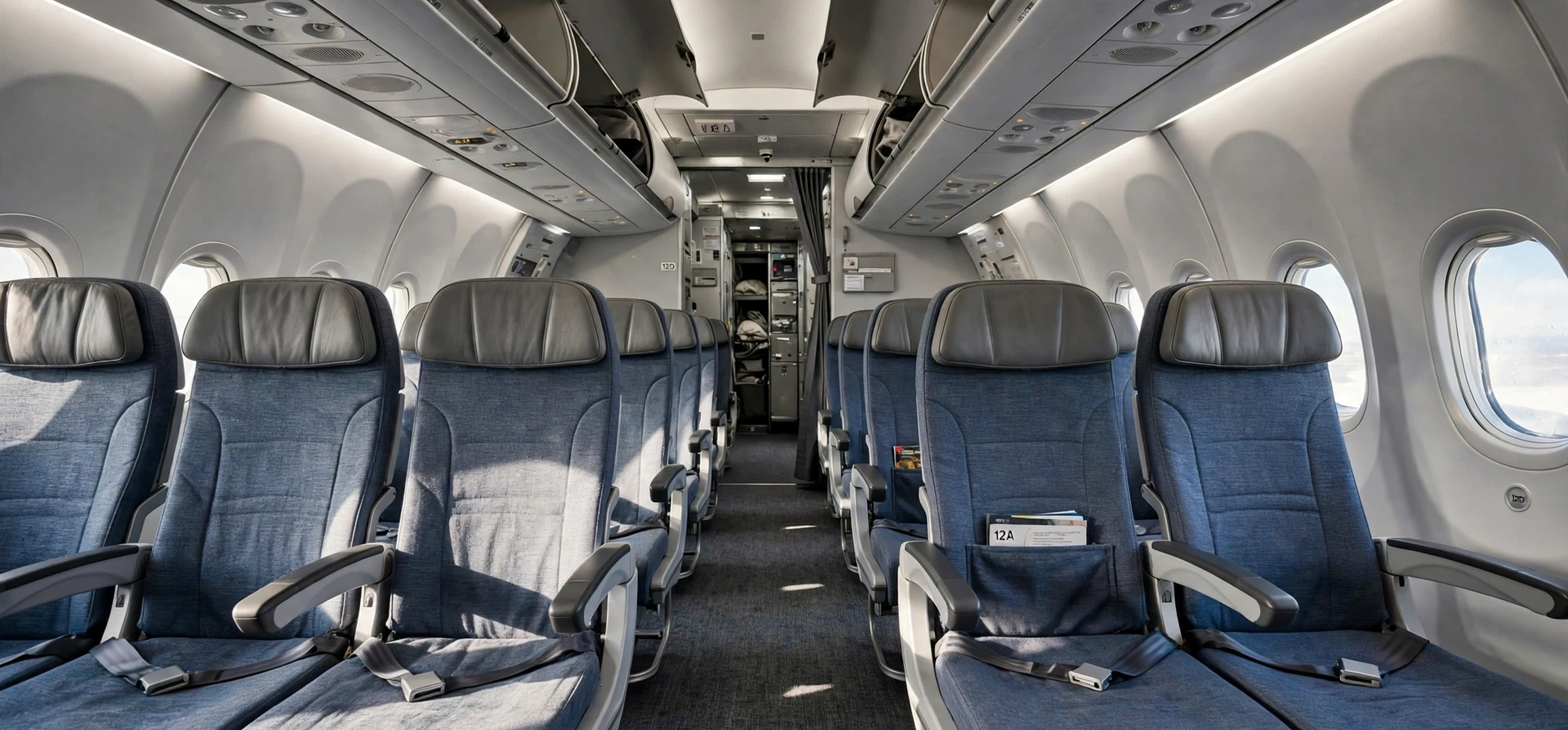
Travellers often feel confused when they compare airline tickets, because the phrase delta air lines cabin names covers several different products, fare choices, and seat experiences that have changed over time. This general explainer describes what those cabin names mean, how they differ from one another, and why a ticket that sounds similar can still offer a different level of space, service, and flexibility. It is an educational overview only, and it does not present fares, availability, or booking terms as current facts, because those details change frequently and should always be checked through official airline channels at the time of booking.
The first distinction to understand is between a cabin and a fare. A cabin describes the physical seating area and the general service level on the aircraft, while a fare describes the ticket conditions attached to that seat, such as change rules, baggage allowance, and boarding order. Two passengers can sit in the same cabin but hold different fares, and two fares can sound alike while applying to different cabins on different aircraft. Reading both the cabin name and the fare conditions carefully is therefore essential before choosing a ticket.
Airlines also use cabin names as product brands. A brand name is meant to signal a consistent experience across many routes, but the exact seat, meal service, entertainment, and lounge access can still vary by aircraft type, route length, and time of day. A long international flight and a short domestic flight may both use a familiar cabin name, yet the onboard experience will not be identical. This explainer therefore focuses on the general meaning of each name, rather than promising a specific seat or meal on a particular flight.
What delta air lines cabin names Mean in General
In general use, delta air lines cabin names refer to the product tiers Delta Air Lines uses to describe its seating and service levels, from standard economy seating through extra-legroom economy, premium economy, and premium front-cabin seating on longer routes. The names help travellers compare options at a glance, but they are not a substitute for reading the ticket details. Seat width, legroom, recline, power, entertainment, and meal service can all vary by aircraft, so the cabin name is a starting point for comparison, not a complete description.
Another useful distinction is between domestic and international products. On many domestic routes, the front cabin is a first-class style product with larger seats and enhanced service. On many long international routes, the front cabin may be a lie-flat business-class style product, while a separate premium economy product sits between standard economy and the front cabin. The same airline can therefore offer a different product mix on different routes, and a traveller should check the aircraft and route details for the specific flight they are considering.
Cabin names have also changed over time as airlines refresh their products, rename tiers, or introduce new seating. A name that a traveller remembers from a previous trip may have been updated, replaced, or repositioned. Old blog posts, videos, and forum discussions can therefore be misleading if they describe a cabin name that no longer means quite the same thing. For current definitions, the airline official product pages are the correct reference, and older explanations should be treated as history rather than current fact.
delta air lines cabin names at a Glance
The most widely recognised delta air lines cabin names include Main Cabin, Delta Comfort Plus, Delta Premium Select, Delta One, and Delta First, with Basic Economy used as a fare type within the economy cabin rather than as a separate physical cabin in the usual sense. Main Cabin is the standard economy product, offering a regular economy seat and the standard economy service for the route. Delta Comfort Plus is an enhanced economy option that generally offers extra legroom, earlier boarding, and additional amenities compared with standard Main Cabin seating, although the exact benefits depend on the flight.
Delta Premium Select is the premium economy product on routes where it is offered, sitting between standard economy and the front cabin. It is generally associated with a wider seat, more recline, more legroom, and an enhanced meal and amenity experience compared with Main Cabin. Delta One is the premium front-cabin product on long-haul and selected premium routes, generally associated with lie-flat seating, direct aisle access on many aircraft, premium dining, and lounge access where applicable. Delta First is the front-cabin product on many domestic and short-haul routes, generally offering a larger seat, more space, and enhanced service compared with economy seating.
Basic Economy deserves a separate note because it is often mistaken for a cabin. In general, Basic Economy is a fare within the economy cabin, with more restrictive ticket conditions than a standard Main Cabin fare. A Basic Economy passenger may sit in a standard economy seat, but the ticket may carry different rules for changes, seat selection, boarding, and baggage. Travellers who choose a fare mainly because it appears cheaper should read those conditions carefully, because a restrictive fare can become costly or inconvenient if plans change.
Main Cabin in More Detail
Main Cabin is the core economy product and the baseline against which other economy options are compared. It is designed for travellers who want a standard seat and standard service without paying for extra space or premium amenities. On longer flights, Main Cabin service may include meals, snacks, drinks, and entertainment, while on shorter flights the service may be lighter. The key point is that Main Cabin describes a general product level, not a guarantee of a particular meal or entertainment option on every flight.
Delta Comfort Plus in More Detail
Delta Comfort Plus is best understood as an enhanced economy tier for travellers who value extra legroom and earlier boarding without moving to premium economy or a front cabin. The additional legroom can make a meaningful difference on a longer flight, especially for taller passengers or for travellers who want more room to work. Amenities and service enhancements can also vary by route, so travellers should compare the specific flight details rather than assuming every Delta Comfort Plus seat offers the same extras.
Delta Premium Select in More Detail
Delta Premium Select is aimed at travellers who want a clear step up from economy on longer routes, without the cost or full service level of a front-cabin product. The wider seat, greater recline, and enhanced dining experience are the main attractions, along with additional amenities that make a long flight more comfortable. Because premium economy is not offered on every route or aircraft, availability depends on the specific flight, and travellers should confirm whether the product is offered on their chosen route.
Delta One and Delta First in More Detail
Delta One and Delta First both describe front-cabin products, but they apply in different contexts. Delta One is associated with long-haul and premium routes, where lie-flat seating and a premium dining experience are central to the product. Delta First is associated with domestic and short-haul routes, where a larger recliner-style seat and enhanced service distinguish the front cabin from economy. The distinction matters because a traveller who expects a lie-flat seat on a domestic flight, or a domestic-style seat on a long international flight, may be disappointed if they rely on the front-cabin label alone.
Why Cabin Names Change Over Time
Cabin names change for several reasons. Airlines refresh aircraft interiors, introduce new seat designs, adjust their product strategy, or simplify names so customers can compare options more easily. A name change does not always mean a completely new seat, and a seat change does not always mean a new name. Sometimes an airline renames a tier to make its position clearer, sometimes it adds a new tier between existing tiers, and sometimes it retires a name when a product is merged into another tier. Understanding that history helps travellers avoid confusion when older guides use names that are no longer current.
Marketing language also plays a role. Airlines want product names that are easy to remember and easy to compare, but they also want names that sound premium. That balance can lead to names that sound similar across airlines while meaning different things. For example, premium economy is a general category used by many airlines, but the seat, service, and amenities included under that category vary widely. Comparing airlines by name alone is therefore risky; comparing seat specifications, service descriptions, and ticket conditions gives a more accurate picture.
Regulatory and operational changes can also affect cabin products. Aircraft configurations, safety requirements, and route networks all influence which products an airline can offer on a given flight. A product that is available on one aircraft type may not be available on another, and a route that once offered a premium product may later use a different aircraft. Travellers should therefore treat cabin availability as route-specific and aircraft-specific, rather than as a permanent feature of a destination.
How to Compare Cabins Without Booking Pressure
A calm way to compare cabins is to list what matters most to you before you look at ticket options. Some travellers prioritise legroom, others prioritise the ability to change a ticket, others prioritise lounge access, meal service, or baggage allowance. Once you know your priorities, you can compare cabin descriptions against those priorities, rather than being swayed by a premium-sounding name or a single promotional image. Writing down your priorities also makes it easier to compare options across different flights and dates.
Next, compare the ticket conditions as well as the seat. Check change and cancellation rules, seat selection rules, boarding order, baggage allowance, and any restrictions that apply to the fare you are considering. A cabin upgrade that looks attractive may be less valuable if the fare conditions do not suit your plans, and a standard fare with flexible conditions may be more valuable than a premium seat with restrictive terms. The best choice is the combination of cabin and fare that fits your trip, not simply the highest cabin name available.
Finally, consider the length and timing of your flight. Extra legroom and premium dining matter more on a long overnight flight than on a short daytime hop, while flexible ticket conditions matter more when your plans are uncertain. A traveller who is certain about dates and travelling light may value a different combination from a traveller with uncertain plans and heavy luggage. Matching the cabin and fare to the trip, rather than choosing by name alone, leads to better decisions and fewer surprises at the airport.
For background on how travel information should be checked, readers may find our airport address guide useful as an example of verifying location details, and our domestic travel explainer useful for general travel terminology. Both illustrate the same principle that applies to cabin names: a familiar term still needs to be checked against the current official description before it is relied upon.
| Cabin or fare name | General position | Main things to check |
|---|---|---|
| Main Cabin | Standard economy | Seat, service, and fare conditions for the flight |
| Delta Comfort Plus | Enhanced economy | Extra legroom, boarding, and amenities on that flight |
| Delta Premium Select | Premium economy on selected routes | Availability, seat width, recline, and dining |
| Delta One | Premium front cabin on long-haul routes | Seat type, dining, and lounge access |
| Delta First | Front cabin on domestic and short-haul routes | Seat type and service for that route |
| Basic Economy | Restrictive fare within economy | Change, seat selection, and baggage rules |
Frequently Asked Questions
Is Basic Economy a separate cabin?
In general, Basic Economy is best understood as a fare type within the economy cabin, rather than as a separate physical cabin. The seat itself is normally a standard economy seat, but the ticket conditions can be more restrictive than a standard Main Cabin fare. Travellers should therefore compare fare conditions, not only cabin names, when they see a Basic Economy option.
What is the difference between Delta Premium Select and Delta One?
Delta Premium Select is a premium economy product that sits between standard economy and the front cabin, while Delta One is a premium front-cabin product on long-haul and selected premium routes. Delta One generally offers a higher level of privacy, seating, dining, and lounge access, while Delta Premium Select offers a more comfortable economy-style experience at a level below the front cabin. Availability and exact benefits depend on the route and aircraft.
Do cabin experiences vary by aircraft?
Yes, cabin experiences can vary by aircraft type, route length, and time of day, even when the cabin name is the same. Seat design, entertainment, meal service, and lounge access can all differ. For that reason, travellers should check the specific flight details through official channels rather than assuming that every flight with the same cabin name offers an identical experience.
Why do older guides sometimes describe cabin names differently?
Older guides may describe cabin names that have since been renamed, repositioned, or replaced, or they may describe a seat design that has since been refreshed. Product names and interiors change over time, so older material is best treated as history. Current official product descriptions are the reliable reference for a trip being planned now.
Conclusion
Understanding delta air lines cabin names is less about memorising a list and more about learning how to compare products: a cabin describes the general seating and service level, a fare describes the ticket conditions, and both can vary by route and aircraft. Main Cabin, Delta Comfort Plus, Delta Premium Select, Delta One, and Delta First each occupy a different position in that range, while Basic Economy is a restrictive fare within economy rather than a separate cabin. By checking current official descriptions, comparing fare conditions, and matching the choice to the length and certainty of the trip, travellers can choose with confidence and avoid surprises that come from relying on a name alone.



