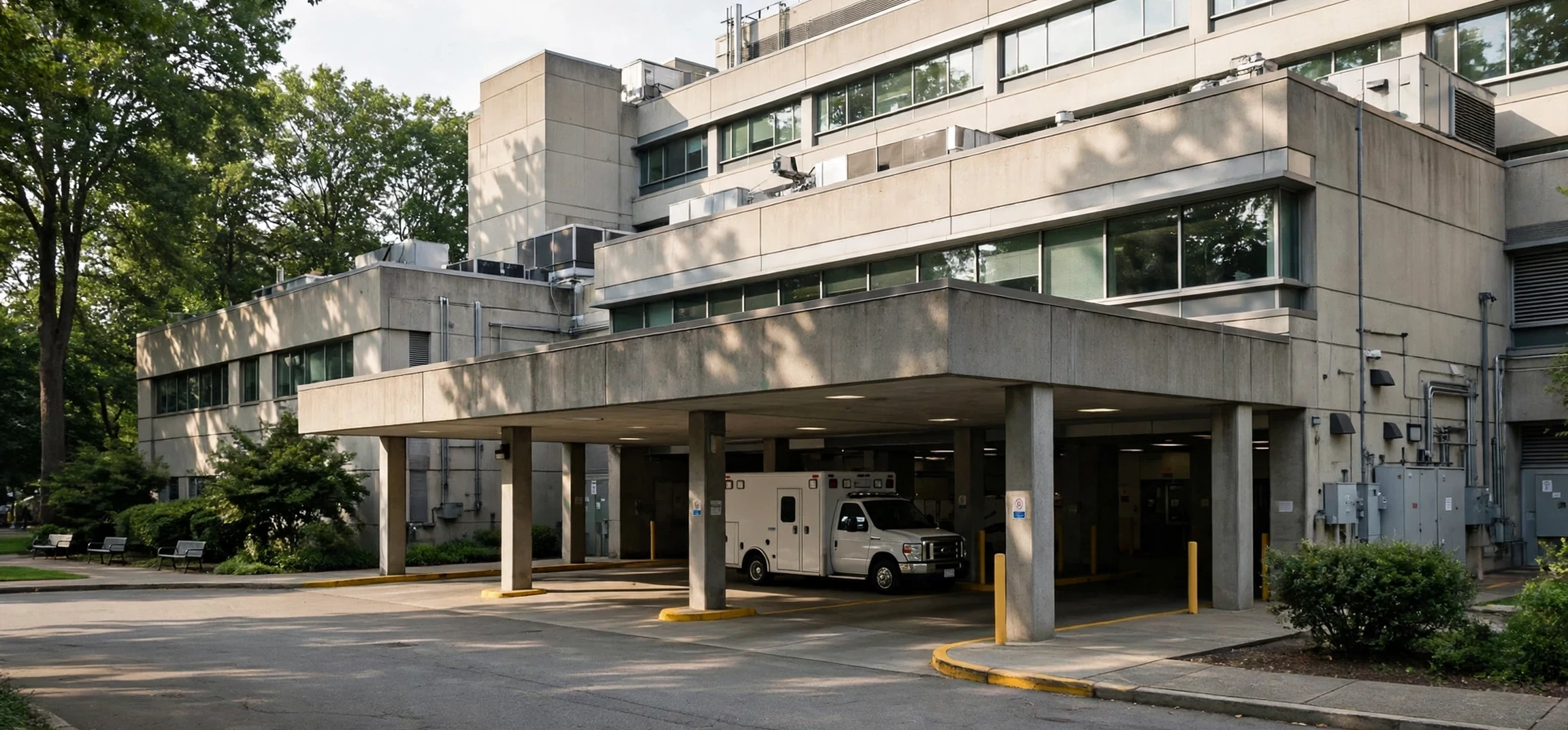
When people search for emergency series tv, they usually mean Emergency!, the classic American drama series that aired on NBC from 1972 to 1979. This guide to the emergency series tv favourite covers its premise, its main characters, its place in paramedic history, and its episodes, and explains why a show about firefighters and paramedics in Los Angeles became one of the most influential drama series of the 1970s.
Emergency! is a drama, but it is also a piece of television history. It dramatised a new idea in emergency medicine: specially trained firefighters who could deliver advanced medical care at the scene of an accident or fire, in radio contact with hospital doctors, before the patient ever reached the emergency room. That idea was new in the early 1970s, and the show helped the public understand it. The emergency series tv audience watched, week after week, as paramedics treated patients in homes, on highways, and at fire scenes, and then handed them over to the doctors at Rampart General Hospital.
emergency series tv: the premise of Emergency!
Emergency! is set at Station 51 of the Los Angeles County Fire Department, a fictional fire station whose crew includes both firefighters and paramedics. The paramedic team, John Gage and Roy DeSoto, work from a rescue squad vehicle, Squad 51, responding to medical emergencies across their district. Their engine company colleagues handle fires and rescues, and the two sides of the station’s work often combine in a single episode: a fire with injured victims, a road accident with trapped passengers, or a rescue that becomes a medical emergency.
The show’s distinctive structure alternates between the field and the hospital. In the field, Gage and DeSoto assess patients, begin treatment, and radio the doctors at Rampart General Hospital for instructions. At the hospital, Dr. Kelly Brackett and nurse Dixie McCall, with Dr. Joe Early, receive the patients and continue their care. That two-part structure gave the show its rhythm: the urgency and improvisation of the field, followed by the calmer, more technical world of the emergency room, and it also let viewers see the full chain of emergency care, from the first call to the hospital doors.
The series was created by Jack Webb and Robert A. Cinader, the team behind the police drama Adam-12, and it shares that show’s realistic, procedural style. Episodes are built around believable incidents rather than melodrama, and the tone is earnest and professional. The firefighters and paramedics are shown as working people doing a difficult job, with humour coming from the station’s daily life and from the friendship between the two paramedics, rather than from contrived personal crises.
emergency series tv: the main characters
The heart of Emergency! is the partnership between its two paramedics. Randolph Mantooth played John Gage, the younger, more impulsive of the pair, a firefighter who became a paramedic and who brings energy and enthusiasm to the job. Kevin Tighe played Roy DeSoto, the older, steadier partner, a family man whose calm judgement balances Gage’s impulsiveness. Their friendship, on and off duty, is the emotional centre of the series, and their banter in the squad vehicle became one of the show’s signatures.
At Rampart General Hospital, Robert Fuller played Dr. Kelly Brackett, the senior physician who supervises the paramedics by radio and treats their patients on arrival. Julie London played Dixie McCall, the head nurse of the emergency department, who coordinates the hospital side of the operation and serves as a warm, authoritative presence in the ward. Bobby Troup played Dr. Joe Early, a senior physician whose dry humour and experience made him a favourite with viewers. Together, the hospital team gave the field stories a destination and a second cast of characters for viewers to follow.
The station’s wider crew rounded out the cast. The fire captain and the engine company firefighters provided the fire and rescue side of the stories, and their station-house scenes gave the show its sense of a workplace community. The show also featured a large number of guest performers as patients, bystanders, and family members, many of them appearing in a single episode’s emergency story. In general career terms, Emergency! was a defining role for its leads: Mantooth and Tighe became closely identified with the paramedic profession they portrayed, while Fuller and London brought established television careers to the hospital roles.
emergency series tv and paramedic history
The most important legacy of Emergency! is its connection to the real history of paramedic services. When the series began in 1972, paramedic programmes were new and controversial in many places. The Los Angeles County Fire Department’s paramedic programme was among the earliest in the United States, and the show was developed in close cooperation with the department, drawing on real procedures, real equipment, and the experiences of real paramedics.
The effect was significant. Viewers across the country saw paramedics for the first time as a normal, professional part of emergency services, rather than as an experiment. The show is widely credited with helping to build public support for paramedic programmes in other cities and states, as audiences, local officials, and fire departments saw what trained paramedics could do. Fire departments reported that the show inspired a generation of recruits, and the paramedic profession’s growth in the 1970s and beyond is often linked, at least in part, to the visibility Emergency! gave it.
The show’s accuracy was part of that influence. The medical procedures shown, from defibrillation to intravenous treatment, were based on the real protocols of the time, and the radio consultations with the hospital reflected the actual system of medical control used by the Los Angeles programme. The equipment carried on Squad 51, the language of the radio calls, and the teamwork between firefighters, paramedics, and hospital staff were all presented with a care for realism that set the show apart from more sensational medical dramas.
emergency series tv: episodes and seasons
Emergency! ran for six seasons on NBC, from January 1972 to May 1979, producing 122 episodes, along with a series of television movies that continued the story after the weekly series ended. The table below summarises the run.
| Season | Broadcast years | Episodes |
|---|---|---|
| Season 1 | 1972 | 11 |
| Season 2 | 1972–1973 | 21 |
| Season 3 | 1973–1974 | 22 |
| Season 4 | 1974–1975 | 22 |
| Season 5 | 1975–1976 | 22 |
| Season 6 | 1976–1977 | 24 |
Episode counts for the series are sometimes given slightly differently depending on whether the later television movies are included, but the standard weekly-series count is 122 episodes across six seasons. The first season was a short mid-season run, and the show then settled into full seasons of around twenty-two episodes, with the final season running to twenty-four.
What a typical episode looks like
A typical episode of Emergency! opens at the station, follows the crew through several calls, and weaves those incidents into a story about the characters’ working lives. One episode might combine a house fire, a traffic accident, and a medical emergency at a public event, with each incident showing a different aspect of the paramedics’ work. The hospital scenes connect the incidents, as the doctors at Rampart treat the patients the paramedics bring in and discuss the cases with them.
Notable episodes include the show’s pilot movie, which introduced the paramedic programme itself, and a series of two-part and special episodes that gave the regular characters larger storylines. The show also crossed over with Adam-12, its sister series from the same producers, with characters from one show appearing in the other. Those crossovers reflected the shared Los Angeles setting and the producers’ approach to building a believable television world.
The television movies
After the weekly series ended, a run of Emergency! television movies continued the characters’ stories, including stories that took the crew outside Los Angeles. These movies are sometimes counted separately from the series episodes, and viewers collecting the complete run should look for them alongside the six seasons. They preserve the show’s format and cast while giving the stories more room to breathe.
The legacy of Emergency!
Emergency! left two legacies. The first is televisual: it established the template for the modern emergency-services drama, combining field action with hospital drama and showing emergency work as a team effort across professions. Later series about paramedics, firefighters, and emergency rooms all owe something to its structure, even when their tone is more sensational. The second legacy is real-world: the show’s role in popularising the paramedic profession and in building public understanding of pre-hospital emergency care.
The show also remains popular with viewers who remember it from its original run and with new audiences discovering it through reruns and streaming. Its realistic style has aged well, and its focus on professional competence rather than personal melodrama gives it a distinctive place among 1970s dramas. Fans of classic television may also enjoy this site’s retro guides, such as Airwolf, the guide to the first television programmes, and the overview of family television series.
emergency series tv and the classic drama landscape
To understand why the emergency series tv classic Emergency! still matters, it helps to place it among the dramas of its decade. The 1970s produced many procedural series about professional workplaces, from police stations to hospitals, but few combined two workplaces the way Emergency! did. The emergency series tv format of field plus hospital gave viewers two casts, two settings, and a complete story of emergency care in every episode, and that structure proved durable enough to influence decades of later drama.
The emergency series tv audience of the 1970s also encountered something new in the show’s realism. The procedures were drawn from a real paramedic programme, the radio language was the real language of medical control, and the equipment was the real equipment of the time. That realism is part of why the show is still discussed in histories of emergency medicine as well as histories of television. An emergency series tv drama that merely entertained would be remembered fondly; a drama that also explained a new public service is remembered as significant.
For modern viewers, the emergency series tv appeal of Emergency! is its steadiness. The characters are competent, the work is shown with respect, and the stories resolve through teamwork rather than spectacle. That tone feels different from many modern emergency dramas, and it is a large part of the show’s continuing charm for viewers discovering it for the first time.
Frequently asked questions
What is the emergency series tv show called Emergency!?
Emergency! is an American drama series about Los Angeles County firefighters and paramedics at the fictional Station 51, working with the doctors and nurses of Rampart General Hospital.
When did Emergency! air?
Emergency! aired on NBC from 1972 to 1979, running for six seasons and 122 episodes, followed by a series of television movies.
Who played the two paramedics?
Randolph Mantooth played paramedic John Gage, and Kevin Tighe played his partner Roy DeSoto. Robert Fuller played Dr. Kelly Brackett, Julie London played nurse Dixie McCall, and Bobby Troup played Dr. Joe Early.
Was Emergency! based on a real paramedic programme?
Yes. The show was developed with the Los Angeles County Fire Department and reflected its early paramedic programme, its procedures, and its system of hospital medical control.
Why is Emergency! historically important?
It helped introduce the public to the paramedic profession and is widely credited with building support for paramedic programmes across the United States in the 1970s.
How many seasons does the emergency series tv show Emergency! have?
Emergency! has six seasons and 122 episodes, airing on NBC from 1972 to 1979, followed by television movies.
Is Emergency! a realistic emergency series tv drama?
Yes, unusually so for its time. The emergency series tv production worked with the Los Angeles County Fire Department and based its procedures on the real paramedic programme of the era.
Conclusion
The emergency series tv classic Emergency! ran for six seasons and 122 episodes on NBC, from 1972 to 1979, and it remains one of the most significant drama series of its decade. Its premise was simple and its execution was careful: two paramedics, a fire station, a hospital, and a chain of care that viewers could follow from the emergency call to the ward. Its characters, led by John Gage and Roy DeSoto, gave the show its warmth, and its realism gave the paramedic profession a public face at the moment it needed one. For anyone interested in classic television, emergency services, or the history of modern medicine, Emergency! is essential viewing, and its influence can still be seen in every emergency drama that followed.



